carbonized charcoal blocks
CN → US| HS Code | Tariff Rate | Origin | Destination | Doc |
|---|---|---|---|---|
| 3801105090 | 35.0% | CN | US | Official Doc |
| 3801900000 | 0.0% | CN | US | Official Doc |
| 2701200000 | 35.0% | CN | US | Official Doc |
| 2701190050 | 35.0% | CN | US | Official Doc |
| 4402900100 | 35.0% | CN | US | Official Doc |
| 4402100000 | 35.0% | CN | US | Official Doc |
Product Images
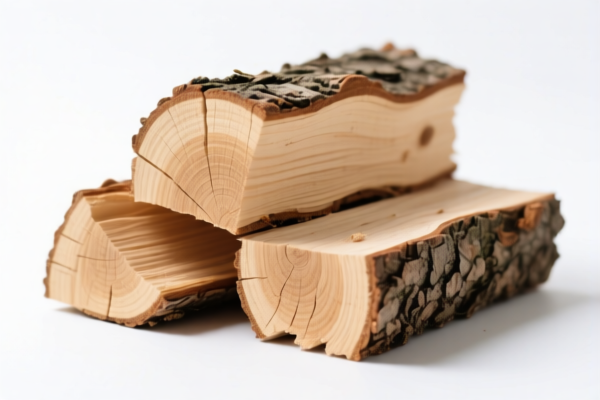
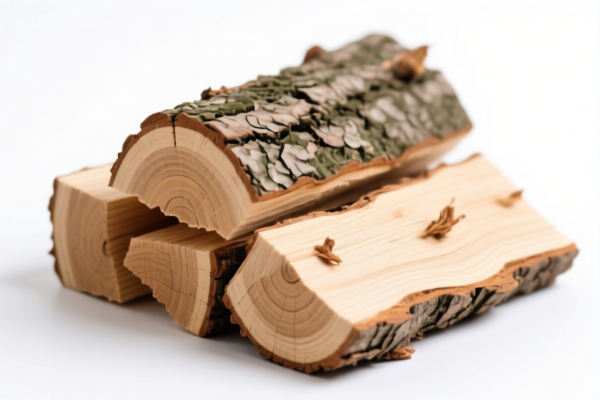
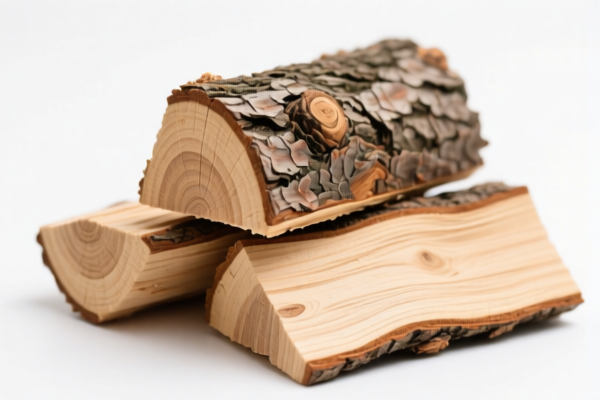
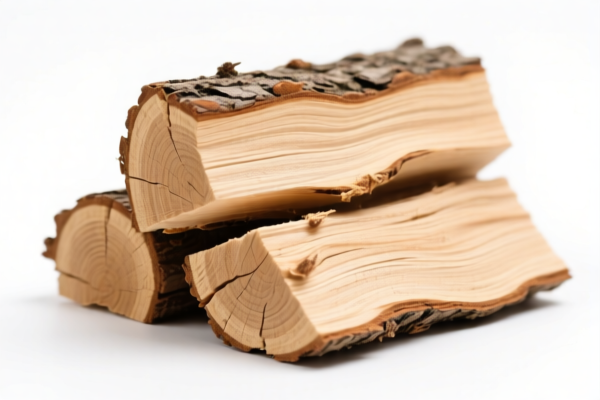
AI Analysis
🔥 Carbonized Charcoal Blocks: HS Code Classification & Duty Strategy (2026 Edition)
🌍 HS Code Reference & Customs Clearance Guide | 2026 Tariff Breakdown | Professional Entry Strategy
📌 One, Product Definition & Classification: Do You Know "Carbonized Charcoal Blocks"?
Carbonized Charcoal Blocks (often referred to as wood charcoal or agglomerated charcoal blocks) are solid fuels derived from organic materials (wood, bamboo, shells, or nuts) that have been carbonized under controlled, low-oxygen conditions. They are widely used in metallurgy, foundry, and heating applications.
In international trade, these products are strictly categorized based on Raw Material and Form:
- Bamboo Charcoal Blocks: Blocks made specifically from bamboo.
- Wood Charcoal (General): Blocks made from other wood types (including shell/nut charcoal).
- Coal Briquettes: (Note: Distinct from charcoal blocks; made from coal dust).
⚠️ Critical Distinction:
- If the product is "Wood Charcoal" (including shell/nut) but not made from bamboo → 4402.90.01.00
- If the product is "Wood Charcoal" and made from Bamboo → 4402.10.00.00
- If the product is "Coal Briquettes" (made from coal, not wood/bamboo) → 2701.20.00.00
- Artificial Graphite (Carbon-based pastes/blocks) → 3801.10.50.90 (Distinct from charcoal blocks!)
📦 Two, HS Code Classification Details (2026 Latest Tariff Reference)
Based strictly on the provided data, here is the authoritative mapping for Carbonized Charcoal Blocks:
| HS Code | Product Description | Applicable Scenario | Raw Material |
|---|---|---|---|
4402.90.01.00 |
Wood charcoal (including shell or nut charcoal), whether or not agglomerated: Other | General wood charcoal blocks, fruit shell charcoal, non-bamboo agglomerated blocks. | Wood / Shell / Nut |
4402.10.00.00 |
Wood charcoal (including shell or nut charcoal), whether or not agglomerated: Of bamboo | Blocks strictly manufactured from bamboo. | Bamboo |
2701.20.00.00 |
Coal; briquettes, ovoids and similar solid fuels manufactured from coal: Briquettes... | NOT charcoal blocks. Coal dust agglomerates. | Coal |
2701.19.00.50 |
Coal; briquettes...: Other coal... | Pulverized coal or other non-agglomerated coal forms. | Coal |
3801.10.50.90 |
Artificial graphite; colloidal or semi-colloidal graphite...: Other | NOT charcoal. Artificial graphite blocks or pastes. | Synthetic Graphite |
3801.90.00.00 |
Artificial graphite...: Other | Other carbon preparations based on graphite (Tax info missing in data). | Synthetic Graphite |
🔍 Key Reminder:
- "Charcoal" ≠ "Coal": Wood charcoal (HS 4402) is distinct from coal (HS 2701). Do not misdeclare coal briquettes as charcoal blocks.
- "Charcoal" ≠ "Graphite": Artificial graphite (HS 3801) is a processed industrial carbon product, different from natural carbonized wood.
- Bamboo is Special: Blocks made from bamboo have a dedicated subheading (4402.10.00.00) distinct from other wood charcoals.
💰 Three, 2026 Tariff Rate Breakdown (Detailed Duty Analysis)
✅ Applicable Country: United States (US)
✅ Origin: China (CN) (Based on the "Additional Duty 25%" pattern in the source)
✅ Effective Time: 2025-2026 (Post-USITC 301/Trump Tariff extensions)
🎯 1. 4402.90.01.00 —— Wood Charcoal (Other than Bamboo)
The most common "Carbonized Charcoal Blocks" category.
| Item | Details |
|---|---|
| Base Duty | 0.0% (ad valorem) |
| Section 301 / Additional Duty | +25.0% (Specific to this classification) |
| Total Tax Rate | 25.0% |
| Tax Calculation | CIF Value × 25% |
| Tax Detail | 基础关税: 0.0%, 加征关税: 25.0% |
📌 Explanation:
- The "Base Duty" of 0% reflects standard agricultural/wood import rates.
- The 25% Additional Duty is the critical cost driver, likely imposed under Section 301 of the Trade Act of 1974 targeting Chinese wood/charcoal products.
- Total Cost Impact: Your landed cost increases by exactly 25% immediately upon entry.
🎯 2. 4402.10.00.00 —— Bamboo Charcoal Blocks
Specialized category for bamboo-derived blocks.
| Item | Details |
|---|---|
| Base Duty | 0.0% |
| Section 301 / Additional Duty | +25.0% |
| Total Tax Rate | 25.0% |
| Tax Calculation | CIF Value × 25% |
| Tax Detail | 基础关税: 0.0%, 加征关税: 25.0% |
📌 Explanation:
- Despite being a distinct subheading, Bamboo Charcoal Blocks face the exact same 25% surcharge as other wood charcoals.
- There is no duty advantage for bamboo vs. other wood in this specific tariff context.
🎯 3. 2701.20.00.00 —— Coal Briquettes (Solid Fuels)
Important distinction if your product is coal-based.
| Item | Details |
|---|---|
| Base Duty | 0.0% |
| Additional Duty | +25.0% |
| Total Tax Rate | 25.0% |
| Tax Detail | 基础关税: 0.0%, 加征关税: 25.0% |
📌 Warning: If you accidentally classify Wood Charcoal as Coal Briquettes (or vice versa) to avoid duty, customs will penalize. Both currently carry the 25% rate.
🛠️ Four, Customs Clearance Practical Advice (Avoid the Pitfalls)
✅ 1. Documentation Checklist (Must-Haves)
| Document | Must Provide | Why It Matters |
|---|---|---|
| ✅ Commercial Invoice | ✔️ | Must explicitly state "Carbonized Wood Charcoal" or "Bamboo Charcoal". Avoid vague terms like "Fuel". |
| ✅ Packing List | ✔️ | Must indicate if blocks are agglomerated or loose. |
| ✅ Cert of Origin (CO) | ✔️ | Crucial: Must prove origin (e.g., "Made in China"). If origin is Vietnam/Malaysia, duty might differ (check current exemptions). |
| ✅ Material Analysis Report | ✔️ | Must prove the material is Wood/Bamboo, NOT Coal or Synthetic Graphite. |
| ✅ MSDS (Safety Data Sheet) | ✔️ | Charcoal is combustible; customs may require safety data for fire hazards. |
✅ 2. Declaration Tips (The Golden Rules)
🔥 "Material First, Form Second: Be Specific!"
| Scenario | Correct Declaration | Wrong Declaration | Result |
|---|---|---|---|
| Bamboo Blocks | HS 4402.10.00.00 + "Bamboo Charcoal" |
HS 4402.90.01.00 + "Charcoal" |
Risk: Misclassification audit; potential 25% fine. |
| Wood Blocks | HS 4402.90.01.00 + "Wood Charcoal" |
HS 2701.20.00.00 + "Coal Briquettes" |
Risk: 25% duty + penalty for false origin/material. |
| Graphite Blocks | HS 3801.10.50.90 + "Artificial Graphite" |
HS 4402... + "Charcoal" |
Risk: 25% duty + seizure for wrong category. |
✅ 3. Special Handling
| Situation | Strategy |
|---|---|
| "Is it Coal or Charcoal?" | Provide a proximate analysis report showing Volatile Matter vs. Fixed Carbon. Charcoal has high Volatile Matter; Coal has high Fixed Carbon. |
| Mixed Packing | If Bamboo and Wood blocks are mixed, declare the majority component or split the shipment to avoid "General Wood" classification errors. |
| Graphite vs. Charcoal | Artificial Graphite (3801) looks like charcoal but is chemically processed. Do not use "Charcoal" description for Graphite. |
🌍 Five, Global Market Comparison (2026)
| Country/Region | Recommended HS Code | Duty Rate (China Origin) | Notes |
|---|---|---|---|
| 🇺🇸 USA | 4402.90.01.00 or 4402.10.00.00 |
25% (Base 0% + 25% Add-on) | High Barrier. Strict 301 Tariff. |
| 🇨🇳 China | 4402.90.01.00 or 4402.10.00.00 |
0% (Export) / Low (Import) | No export tax currently, but check local environmental laws. |
| 🇪🇺 EU | 4402.10.00 / 4402.90.00 |
0% - 2% | Generally lower tariffs, but strict FSC (Sustainability) checks. |
| 🇯🇵 Japan | 4402.10.00 / 4402.90.00 |
~3% | Requires phytosanitary certificate for wood. |
📌 Conclusion:
- The USA is the most difficult market due to the flat 25% surcharge on all wood/charcoal/coal carbon fuels.
- No Duty Arbitrage: Whether it is Bamboo, Wood, or Coal, the 25% rate holds in the provided dataset.
📌 Six, Common Mistakes & "Blood and Tears" Lessons
❌ Mistake 1: Calling "Bamboo Charcoal" just "Charcoal"
👉 Consequence: May trigger a generic 25% check, but more importantly, customs may reject the entry if the specific "Bamboo" subheading wasn't used for statistical or quota reasons.
❌ Mistake 2: Confusing "Charcoal" (4402) with "Coal" (2701)
👉 Consequence: While both have 25% in this data, the regulatory environment differs (Environmental regulations are stricter for Coal). Misclassification leads to seizure.
❌ Mistake 3: Calling "Artificial Graphite" (3801) "Charcoal"
👉 Consequence: Critical Error. Graphite is a high-tech industrial material. Misdeclaring as "Charcoal" can lead to fraud accusations and loss of import privileges.
✅ Correct Practice:
"Carbonized Wood Charcoal Blocks, 50mm x 50mm, Agglomerated, HS 4402.90.01.00, Made in China."
OR
"Bamboo Charcoal Briquettes, HS 4402.10.00.00, Made in China."
🎯 Seven, Conclusion: Precision is Profit!
🎯 Remember the Mantra:
🔹 "Charcoal is Wood, Coal is Stone, Graphite is Tech."
🔹 "Bamboo gets its own code (4402.10), but pays the same 25%."
🔹 "One wrong letter in HS Code = 25% Tax + Delay + Fine!"
📌 Pro Tip:
If you are shipping Bamboo Charcoal to the US, ensure your supplier can provide a FSC (Forest Stewardship Council) certificate. Even though the duty is 25%, US Customs may hold the shipment for Lacey Act violations (illegal logging) if documentation is missing.
📣 Take Action Now:
📞 Verify Material: Confirm if it is Wood, Bamboo, or Coal.
📄 Check Origin: If not China, apply for Generalized System of Preferences (GSP) (if eligible).
🚀 Prepare Docs: Invoice + Analysis Report + FSC (if applicable).
📉 Cost Control: The 25% duty is non-negotiable for China-origin wood/coal/charcoal products in this dataset. Factor this into your pricing immediately!
✨ Professional Customs Clearance Starts with the Right HS Code!
💼 Don't let a 25% surprise kill your profit margin!
Customer Reviews
About HS Code Classification
The Harmonized System (HS) is an internationally standardized nomenclature developed by the World Customs Organization (WCO) to classify traded products. Over 200 countries use the HS system as the basis for customs tariffs, trade statistics, and import/export regulations.
Each HS code follows a hierarchical structure:
- Chapter (2 digits) — Broad category of goods (e.g., Chapter 84: Machinery and Mechanical Appliances)
- Heading (4 digits) — More specific grouping within the chapter
- Subheading (6 digits) — Internationally standardized breakdown, used by all WCO member countries
- National subdivisions (8-10 digits) — Country-specific extensions for further classification, such as US HTSUS 10-digit codes
Correct HS code classification is essential for smooth customs clearance, accurate duty payment, and compliance with trade regulations. Misclassification can lead to customs delays, overpayment of duties, or penalties.
When importing from CN to US, the applicable tariff rates may include:
- Most-Favored-Nation (MFN) rate — The standard duty rate applied to WTO members
- General rate — Applied to countries without trade agreements
- Trade remedy duties — Additional tariffs such as Section 301 (anti-dumping), Section 232 (national security), or countervailing duties
The information provided on this page is for reference purposes only. For official classification, please consult with your local customs authority or a licensed customs broker.