card bag
CN → US| HS Code | Tariff Rate | Origin | Destination | Doc |
|---|---|---|---|---|
| 3926903300 | 16.5% | CN | US | Official Doc |
| 4820900000 | 35.0% | CN | US | Official Doc |
| 4820300040 | 35.0% | CN | US | Official Doc |
| 3926909989 | 22.8% | CN | US | Official Doc |
| 4202399000 | 55.0% | CN | US | Official Doc |
Product Images
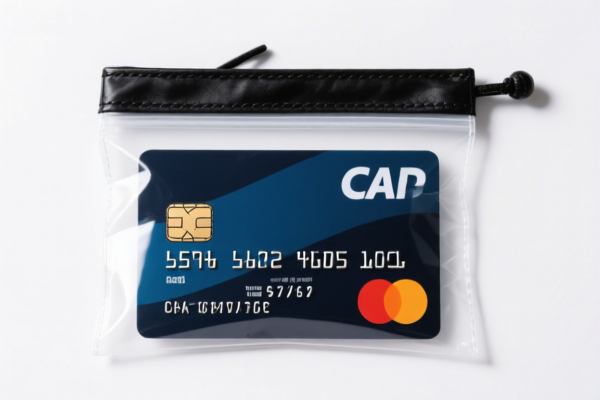
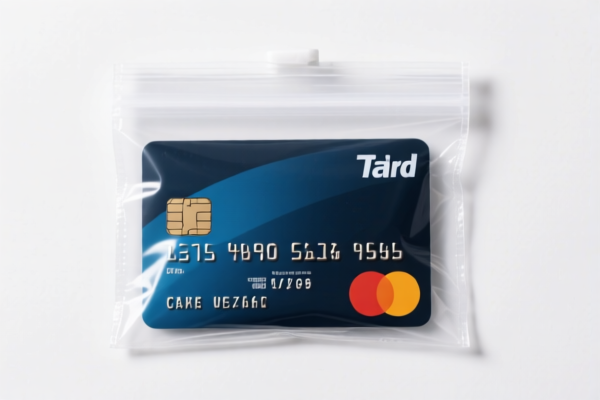
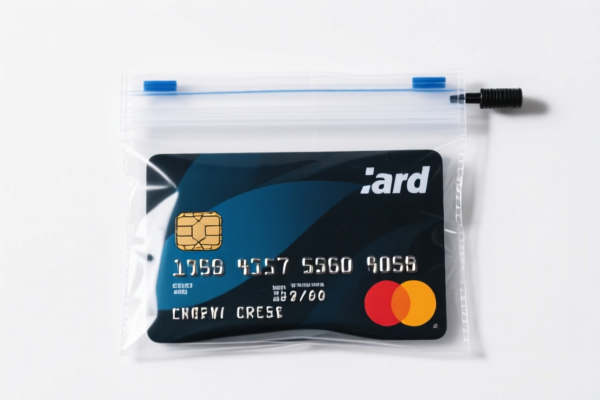

AI Analysis
🎴 Card Bags (Card Holders / Wallets for Cards)
🌐 HS Code Reference & Customs Clearance Guide | 2026 Latest Tariff Analysis | Strategic Clearance Strategy
📌 I. Product Definition & Classification: Do You Really Understand "Card Bags"?
A Card Bag (often referred to as a Card Holder, Business Card Holder, or Multi-Card Wallet) is a small accessory designed specifically to store, organize, and protect credit cards, ID cards, or business cards. In international trade, the classification depends strictly on the primary material of the product and its functional design.
There are two main material categories: 1. Plastic/Synthetic Materials: Rigid or semi-rigid holders, often PVC, vinyl, or acrylic. 2. Paper/Cardboard Materials: Flat folders, sleeve-style holders made of paper stock.
⚠️ Key Distinction Point:
- If made of Plastic, Leather, or Synthetic Leather for carrying in pockets/bags → Chapter 42 or 39
- If made of Paper or Paperboard as an accessory for documents → Chapter 48
📦 II. HS Code Classification Details (2026 Latest Tariff Authority Match)
Below are the exact HS Codes derived from the provided data <DATA>, categorized by material and function.
| HS Code | Product Description | Material | Functional Category |
|---|---|---|---|
3926.90.33.00 |
Plastic Card Bag | Plastic | Handbags/Bags of other plastic materials |
3926.90.99.89 |
Card Bag (Mixed Material) | Plastic, Leather, or Synthetic | Other plastic articles |
4820.90.00.00 |
Paper/Cardboard Card Bag | Paper/Cardboard | File covers, folders, and stationery |
4820.30.00.40 |
Paper/Cardboard Card Bag | Paper/Cardboard | Accessories for file covers/folders |
4202.39.90.00 |
Card Bag (Premium) | Leather, Plastic, or Textile | Articles typically carried in pocket or handbag |
🔍 Key Reminder:
- Plastic Card Bags are generally classified under Chapter 39 (Plastics) or Chapter 42 (Articles of Leather).
- Paper Card Bags are strictly classified under Chapter 48 (Paper Products).
- Do not confuse "Plastic Card Bags" (Chapter 39) with "Leather-like Plastic" (Chapter 42). The distinction lies in whether the product is considered a "bag/article of leather" vs. "other plastic article."
💰 III. 2026 Latest Tariff Rate Breakdown (Including Additional Taxes & Policy Surcharges)
✅ Applicable Country: United States (US)
✅ Country of Origin: China (CN)
✅ Effective Date: Current Tariff Structure (Including Section 301 & Section 122 Surcharges)
The total tax rate is composed of:
Base Duty + Section 301 Additional Duty + Section 122 Duty (10%) = Total Effective Rate
🎯 1. 3926.90.33.00 —— Plastic Card Bag (Bag-Type)
| Item | Detail |
|---|---|
| Base Duty | 6.5% |
| Section 301 Additional Duty | 0.0% |
| Section 122 Duty | 10.0% |
| Total Tax Rate | 16.5% |
| Calculation Basis | CIF Value × 16.5% |
| De Minimis Exemption | ❌ Not Eligible (Section 122 duties usually apply regardless of de minimis thresholds for certain categories, check latest CBP memos) |
| Legal Path | HTSUS:3926.90.33.00 → Base:6.5% + Sec122:10% |
📌 Explanation:
- This code is for plastic card holders explicitly classified as "handbags/bags" of plastic material.
- The total burden is relatively lower compared to other codes, but the 10% Section 122 duty is mandatory.
🎯 2. 3926.90.99.89 —— Card Bag (Mixed Material: Plastic/Leather/Synthetic)
| Item | Detail |
|---|---|
| Base Duty | 5.3% |
| Section 301 Additional Duty | 7.5% |
| Section 122 Duty | 10.0% |
| Total Tax Rate | 22.8% |
| Calculation Basis | CIF Value × 22.8% |
| De Minimis Exemption | ❌ Not Eligible |
| Legal Path | HTSUS:3926.90.99.89 → Base:5.3% + Sec301:7.5% + Sec122:10% |
📌 Note:
- This is a "catch-all" code for plastic articles that don't fit the specific "bag" definition of33.00.
- Includes products made of plastic combined with leather or synthetic leather linings that are still primarily classified as plastic articles.
🎯 3. 4820.90.00.00 —— Paper/Cardboard Card Bag (Stationery Type)
| Item | Detail |
|---|---|
| Base Duty | 0.0% |
| Section 301 Additional Duty | 25.0% |
| Section 122 Duty | 10.0% |
| Total Tax Rate | 35.0% |
| Calculation Basis | CIF Value × 35.0% |
| De Minimis Exemption | ❌ Not Eligible |
| Legal Path | HTSUS:4820.90.00.00 → Base:0% + Sec301:25% + Sec122:10% |
📌 Explanation:
- Paper-based card holders are considered stationery/accessories.
- While the base duty is 0%, the 25% Section 301 tariff significantly increases the cost.
🎯 4. 4820.30.00.40 —— Paper/Cardboard Card Bag (File Cover Accessory)
| Item | Detail |
|---|---|
| Base Duty | 0.0% |
| Section 301 Additional Duty | 25.0% |
| Section 122 Duty | 10.0% |
| Total Tax Rate | 35.0% |
| Calculation Basis | CIF Value × 35.0% |
| De Minimis Exemption | ❌ Not Eligible |
| Legal Path | HTSUS:4820.30.00.40 → Base:0% + Sec301:25% + Sec122:10% |
📌 Note:
- Similar to90.00.00, this is for paper card bags viewed as accessories to file covers.
- Total tax rate is identical to the general paper stationery category.
🎯 5. 4202.39.90.00 —— Card Bag (Leather/Textile/Plastic Pocket Article)
| Item | Detail |
|---|---|
| Base Duty | 20.0% |
| Section 301 Additional Duty | 25.0% |
| Section 122 Duty | 10.0% |
| Total Tax Rate | 55.0% |
| Calculation Basis | CIF Value × 55.0% |
| De Minimis Exemption | ❌ Not Eligible |
| Legal Path | HTSUS:4202.39.90.00 → Base:20% + Sec301:25% + Sec122:10% |
📌 Warning:
- Highest Tax Rate! This code applies if the card bag is classified as an "article of leather" or "textile" intended to be carried in a pocket or handbag.
- Even if made mostly of plastic, if it mimics a wallet/pouch structure, US Customs may classify it here, leading to a massive 55% tariff.
🛠️ IV. Customs Clearance Practical Advice (Battle-Proven Tips)
✅ 1. Preparation Checklist (Non-Negotiable)
| Document | Mandatory? | Purpose |
|---|---|---|
| ✅ Product Specification Sheet | ✔️ | Define material composition % (e.g., "90% PVC, 10% Cotton Lining"). Critical for choosing between Ch 39 and Ch 42. |
| ✅ High-Resolution Photos | ✔️ | Front, back, inside, and material close-ups. Show if it has pockets, zippers, or stiffening. |
| ✅ Commercial Invoice | ✔️ | Must clearly state "Card Holder" or "Business Card Case," NOT just "Bag." |
| ✅ Origin Certificate | ✔️ | Required for Section 301 and 122 duty application verification. |
| ✅ Material Declaration | ✔️ | Explicitly declare if it is "Plastic," "Paper," or "Leather." Misdeclaration leads to penalties. |
✅ 2. Declaration Strategy (Key Mantra)
🔥 “Material Defines Code, Avoid ‘Leather’ Trap, Paper is Cheap but Taxed, Plastic is Sweet Spot!”
| Scenario | Correct HS Code | Tax Rate | Why? |
|---|---|---|---|
| Pure Plastic Card Holder | 3926.90.33.00 |
16.5% | Lowest duty for plastic. Clearly state "Plastic." |
| Plastic + Leather Trim | 3926.90.99.89 |
22.8% | If leather is minor, stay in Ch 39. If leather is primary, risk 4202 (55%). |
| Paper/Cardboard Holder | 4820.90.00.00 |
35.0% | Base 0%, but 25% Sec 301 applies. |
| Wallet-Style Card Case | 4202.39.90.00 |
55.0% | AVOID unless it is genuinely leather/textile. If it looks like a wallet, Customs may reclassify it. |
✅ 3. Special Handling for Mixed Materials
| Situation | Advice |
|---|---|
| Plastic with Leather Lining | Provide material breakdown. If plastic >50% by weight/texture, argue for 3926.90.99.89 (22.8%) rather than 4202 (55%). |
| Paper with Plastic Window | Still classified as 4820 (35%). The paper is the essential character. |
| Textile Card Holder | Likely falls under 4202.39.90.00 (55%). Avoid this code unless you accept the high duty. Consider if textile is essential or just decorative. |
🌍 V. Global Market Comparison (2026)
| Country | Recommended HS Code | Base Duty | Sec 301/122 | Total Cost Impact | Notes |
|---|---|---|---|---|---|
| 🇺🇸 USA | 3926.90.33.00 (Plastic) |
6.5% | +10% (Sec 122) | 16.5% | Most cost-effective for plastic cards. |
| 🇺🇸 USA | 4202.39.90.00 (Wallet) |
20% | +35% (Sec 301+122) | 55.0% | Very high cost. Avoid if possible. |
| 🇨🇳 China | 3926.90.33.00 |
6.5% | None | 6.5% | Low import duty in China. |
| 🇪🇺 EU | 3926.90.99 |
3.7% | None | 3.7% | No Section 301/122 in EU. Very competitive. |
| 🇬🇧 UK | 3926.90.99 |
3.7% | None | 3.7% | Post-Brexit tariffs similar to EU. |
📌 Conclusion:
- USA: Plastic card bags (3926.90.33.00) are the most tax-efficient option at 16.5%.
- EU/UK: Card bags are generally low-tax (<4%), making them highly competitive.
- Avoid4202in USA: The 55% rate destroys margins for "wallet-style" card holders.
📌 VI. Common Mistakes & Pitfalls (Lessons Learned)
❌ Mistake 1: Classifying a plastic card holder as "Wallet" (4202)
👉 Result: 55% Tax instead of 16.5%. Loss of Profit!
❌ Mistake 2: Using "Bag" in the description for a plastic card holder without specifying material
👉 Result: Customs may misclassify as textile/leather. Delay + Inspection.
❌ Mistake 3: Ignoring Section 122 Duty
👉 Result: Underpayment by 10%. Penalties + Back Taxes.
❌ Mistake 4: Declaring Paper Card Bags as "Stationery" without noting origin
👉 Result: Missing 25% Sec 301 duty. Customs Audit.
✅ Correct Practice:
"Plastic Business Card Holder, 90% PVC, 10% Cotton Lining, Designed for Pocket Use. HS: 3926.90.33.00."
🎯 VII. Conclusion: Smart Classification Saves Money!
🎯 Remember the Mantra:
🔹 "Plastic Card Bag = 16.5% (Best)"
🔹 "Paper Card Bag = 35.0% (Moderate)"
🔹 "Wallet-Style/Leather = 55.0% (Avoid)"
📌 Pro Tip:
If you are exporting to the USA, ensure your product description emphasizes "Plastic" and "Card Holder" rather than "Wallet" or "Bag" to qualify for 3926.90.33.00.
For Paper products, accept the 35% rate but optimize logistics costs.
For Mixed Materials, provide a material composition certificate to argue for Chapter 39 over Chapter 42.
📣 Immediate Action:
📞 Consult a Customs Broker for a Pre-Ruling if your product is mixed-material.
📝 Label Products Clearly with Material Composition.
📉 Calculate Landed Cost including 16.5% (Plastic) vs. 55% (Leather/Textile) to price competitively.
✨ Professional Clearance Starts with Accurate Classification!
💼 Every Percentage Point of Tariff Matters!
Customer Reviews
About HS Code Classification
The Harmonized System (HS) is an internationally standardized nomenclature developed by the World Customs Organization (WCO) to classify traded products. Over 200 countries use the HS system as the basis for customs tariffs, trade statistics, and import/export regulations.
Each HS code follows a hierarchical structure:
- Chapter (2 digits) — Broad category of goods (e.g., Chapter 84: Machinery and Mechanical Appliances)
- Heading (4 digits) — More specific grouping within the chapter
- Subheading (6 digits) — Internationally standardized breakdown, used by all WCO member countries
- National subdivisions (8-10 digits) — Country-specific extensions for further classification, such as US HTSUS 10-digit codes
Correct HS code classification is essential for smooth customs clearance, accurate duty payment, and compliance with trade regulations. Misclassification can lead to customs delays, overpayment of duties, or penalties.
When importing from CN to US, the applicable tariff rates may include:
- Most-Favored-Nation (MFN) rate — The standard duty rate applied to WTO members
- General rate — Applied to countries without trade agreements
- Trade remedy duties — Additional tariffs such as Section 301 (anti-dumping), Section 232 (national security), or countervailing duties
The information provided on this page is for reference purposes only. For official classification, please consult with your local customs authority or a licensed customs broker.