card deck case
CN → US| HS Code | Tariff Rate | Origin | Destination | Doc |
|---|---|---|---|---|
| 3926908700 | 40.3% | CN | US | Official Doc |
| 4202399000 | 55.0% | CN | US | Official Doc |
| 4205008000 | 35.0% | CN | US | Official Doc |
| 4205006000 | 39.9% | CN | US | Official Doc |
| 3926909989 | 22.8% | CN | US | Official Doc |
Product Images
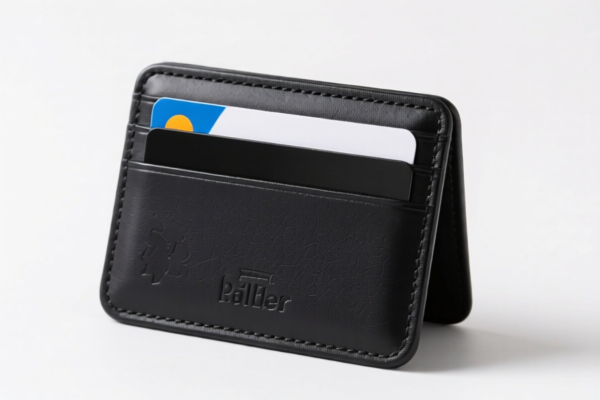
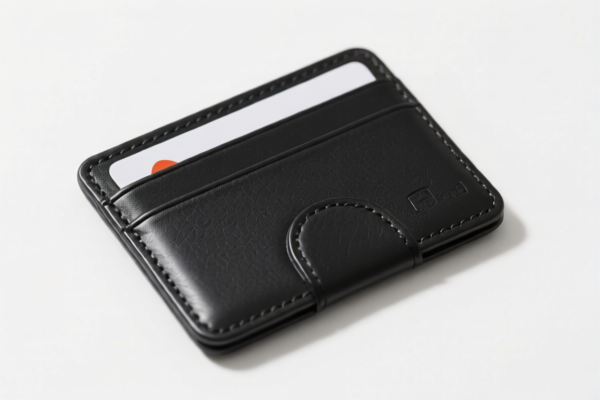
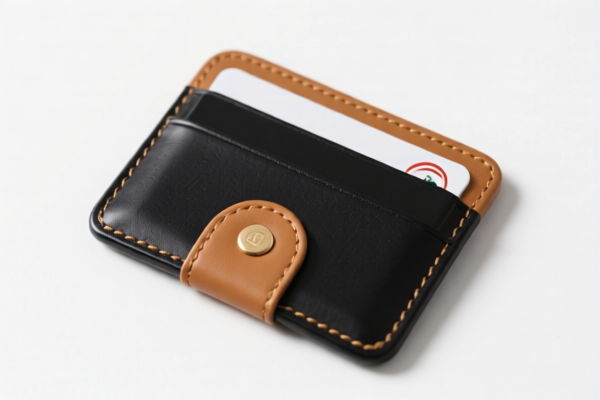
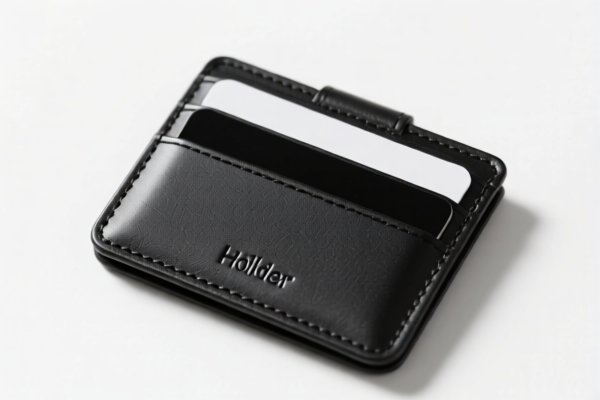
AI Analysis
🃏 Card Deck Case (Protective Carriers for Playing Cards)
🌐 HS Code Reference & Customs Clearance Guide | 2026 Latest Tariff Analysis | Professional Clearance Strategy
📌 I. Product Definition & Classification: What Exactly is a "Card Deck Case"?
A "Card Deck Case" is a protective accessory designed to hold, transport, or store decks of playing cards, tarot cards, or trading cards. In international trade, classification depends heavily on the material (plastic, leather, fabric, rubber) and the intended use (general protection vs. specific container type).
Common Material Scenarios:
1. Plastic/Synthetic Resin: Hard cases, rigid protectors.
2. Leather/Synthetic Leather: Soft sleeves, premium hard cases, zippered pouches.
3. Rubber/Fabric: Soft sleeves, flexible protectors.
⚠️ Critical Distinction:
- If made of Plastic/Rubber → Likely falls under Chapter 39 (Plastics) or Chapter 40 (Rubber).
- If made of Leather/Synthetic Leather → Likely falls under Chapter 42 (Articles of Leather).
- Misclassification Risk: Declaring a leather card case as plastic to avoid tariffs will result in severe penalties. Always declare the primary material.
📦 二、HS Code Classification Details (Based on Provided Data)
The following HS Codes are inferred based on the provided dataset. Each code reflects a different material composition and tariff structure.
| HS Code | Product Description | Inferred Material | Key Characteristics |
|---|---|---|---|
4202.39.90.00 |
Other containers for personal use, other than those of heading 4202.10 or 4202.21 to 4202.29 | Plastic or Leather | General protective case; "catch-all" for plastic/leather containers not specified elsewhere. |
4205.00.80.00 |
Other articles of leather or of composition leather | Leather or Synthetic Leather | Specific to leather/synthetic leather goods; excludes handbags/wallets (4202). |
3926.90.87.00 |
Other articles of plastics and articles of other materials of headings 3901 to 3914 | Plastic | "Catch-all" plastic article; used when no specific plastic item matches other subheadings. |
3926.90.99.89 |
Other articles of plastics; other articles of other materials of headings 3901 to 3914 | Plastic or Rubber | Flexible plastic/rubber protectors; broader category for miscellaneous plastic items. |
4202.31.30.00 |
Other containers for personal use, having an outer surface of plastic sheeting | Plastic-Surfaced Leather or Plastic | Specific for containers with plastic sheeting outer surface; often used for plastic-laminated cases. |
4205.00.60.00 |
Other articles of leather or of composition leather | Plastic or Leather | Alternative leather classification; may apply if material mix is ambiguous. |
🔍 Key Insight:
- Leather Cases: Typically fall under Chapter 42 (4202or4205).
- Plastic Cases: Typically fall under Chapter 39 (3926).
- Tariff Impact: Tariffs vary significantly from 22.8% to 55% depending on the HS Code selected. Choosing the wrong code can increase costs by over 30%.
💰 三、2026 Latest Tariff Rate Breakdown (Including Additional Duties)
✅ Applicable Country: United States (US)
✅ Origin: China (CN)
✅ Effective Date: 2025/2026 (Current Trade Policy)
🎯 1. 4202.39.90.00 — Other Containers (Plastic/Leather)
| Item | Detail |
|---|---|
| Base Tariff | 20.0% |
| Section 301 Tariff | +25.0% |
| Section 122 Tariff | +10.0% |
| Total Tax Rate | 55.0% |
| Calculation | CIF Value × 55% |
| De Minimis Exemption | ❌ Not Eligible |
| Legal Basis | Standard USITC tariff + Section 301 + Section 122 |
📌 Explanation:
- Highest Tax Bracket: This code attracts the maximum combined tariff.
- Use Case: Applies to general-purpose card cases not specifically classified elsewhere.
- Risk: High cost burden; consider material change or reclassification if possible.
🎯 2. 4205.00.80.00 — Other Leather Articles
| Item | Detail |
|---|---|
| Base Tariff | 0.0% |
| Section 301 Tariff | +25.0% |
| Section 122 Tariff | +10.0% |
| Total Tax Rate | 35.0% |
| Calculation | CIF Value × 35% |
| De Minimis Exemption | ❌ Not Eligible |
| Legal Basis | USITC Zero Base + Section 301 + Section 122 |
📌 Explanation:
- Mid-Tier Tax: Lower than4202.39.90.00due to 0% base rate.
- Use Case: Applies if the case is strictly identified as "leather or composition leather" and not a general container.
- Tip: Ensure product description clearly states "Leather" to justify this code.
🎯 3. 3926.90.87.00 — Other Plastic Articles
| Item | Detail |
|---|---|
| Base Tariff | 5.3% |
| Section 301 Tariff | +25.0% |
| Section 122 Tariff | +10.0% |
| Total Tax Rate | 40.3% |
| Calculation | CIF Value × 40.3% |
| De Minimis Exemption | ❌ Not Eligible |
| Legal Basis | USITC 5.3% + Section 301 + Section 122 |
📌 Explanation:
- High Tax due to Base: Although base is low, the 25% + 10% adds significantly.
- Use Case: Rigid plastic cases, acrylic card holders.
🎯 4. 3926.90.99.89 — Other Plastic/Rubber Articles (Most Favorable)
| Item | Detail |
|---|---|
| Base Tariff | 5.3% |
| Section 301 Tariff | +7.5% |
| Section 122 Tariff | +10.0% |
| Total Tax Rate | 22.8% |
| Calculation | CIF Value × 22.8% |
| De Minimis Exemption | ❌ Not Eligible |
| Legal Basis | USITC 5.3% + Reduced Section 301 (7.5%) + Section 122 |
📌 Explanation:
- Lowest Tax Rate: Only 22.8% total!
- Use Case: Flexible plastic/rubber protectors, soft sleeves, generic plastic items.
- Strategy: If your card case is made of plastic or rubber and fits this generic description, this is the optimal HS Code for cost savings.
- Note: Section 301 tariff is reduced to 7.5% for this specific subheading.
🎯 5. 4202.31.30.00 — Plastic-Surfaced Containers
| Item | Detail |
|---|---|
| Base Tariff | 3.7% |
| Section 301 Tariff | +25.0% |
| Section 122 Tariff | +10.0% |
| Total Tax Rate | 38.7% |
| Calculation | CIF Value × 38.7% |
| De Minimis Exemption | ❌ Not Eligible |
| Legal Basis | USITC 3.7% + Section 301 + Section 122 |
📌 Explanation:
- Mid-High Tax: Base is low, but Section 301 is full 25%.
- Use Case: Cases with plastic outer layer (e.g., plastic-laminated leather).
🎯 6. 4205.00.60.00 — Other Leather Articles (Alternative)
| Item | Detail |
|---|---|
| Base Tariff | 4.9% |
| Section 301 Tariff | +25.0% |
| Section 122 Tariff | +10.0% |
| Total Tax Rate | 39.9% |
| Calculation | CIF Value × 39.9% |
| De Minimis Exemption | ❌ Not Eligible |
| Legal Basis | USITC 4.9% + Section 301 + Section 122 |
📌 Explanation:
- Similar to 4202.31.30.00: Mid-high tax due to full Section 301 application.
🛠️ 四、Customs Clearance Practical Advice (Pitfall Avoidance Guide)
✅ 1. Documentation Checklist (Mandatory)
| Document | Required | Notes |
|---|---|---|
| ✅ Product Description | ✔️ | Must specify material: "Plastic Card Case" or "Leather Card Sleeves". |
| ✅ Material Breakdown | ✔️ | Percentage of leather vs. plastic vs. rubber. |
| ✅ Photos (Front/Back/Interior) | ✔️ | Show texture to prove material type. |
| ✅ Commercial Invoice | ✔️ | Declare exact HS Code and value. |
| ✅ Packing List | ✔️ | Show quantity per case. |
| ✅ Composition Statement | ✔️ | If mixed material, declare primary component. |
✅ 2. Declaration Tips (Key Mantra)
🔥 "Material First, Code Second, Section 301 Avoided Where Possible!"
| Scenario | Correct HS Code | Wrong Code | Risk |
|---|---|---|---|
| Rigid Plastic Case | 3926.90.99.89 (22.8%) |
4202.39.90.00 (55%) |
Overpay 32.2% |
| Leather Wallet/Case | 4205.00.80.00 (35%) |
4202.39.90.00 (55%) |
Overpay 20% |
| Flexible Plastic Sleeve | 3926.90.99.89 (22.8%) |
3926.90.87.00 (40.3%) |
Overpay 17.5% |
| Mixed Material (Leather Exterior) | 4202.39.90.00 (55%) |
3926.90.99.89 (22.8%) |
Underdeclare Material → Penalty! |
📌 Critical Note:
- Do not misdeclare leather as plastic to get 22.8% tax. Customs will inspect and penalize.
- Flexible vs. Rigid: If the case is flexible (e.g., slip-on sleeve),3926.90.99.89may be applicable even if rigid cases would fall elsewhere.
✅ 3. Special Cases
| Scenario | Recommendation |
|---|---|
| OEM Custom Card Cases | Provide design specs; if unique, argue for 3926.90.99.89 if plastic. |
| Card Cases with Metal Hardware | Still classified by primary material (plastic/leather). |
| Set of Cards + Case | Declare cards and case separately if different HS Codes. |
| Gift Sets | Ensure case value is not hidden; declare full value. |
🌍 五、Global Customs Comparison (2026)
| Country/Region | Recommended HS Code | Tariff (China Origin) | Notes |
|---|---|---|---|
| 🇺🇸 USA | 3926.90.99.89 |
22.8% | Lowest US tariff for plastic cards cases. |
| 🇺🇸 USA | 4205.00.80.00 |
35.0% | Mid tariff for leather. |
| 🇪🇺 EU | 4202.32 or 3926.90 |
0% - 4% | Lower tariffs, no Section 301. |
| 🇨🇳 China | 4202.39 or 3926.90 |
5% - 10% | Moderate import tax. |
📌 Conclusion:
- USA has the highest tariffs due to Section 301 and 122.
- Optimize by choosing3926.90.99.89if product is plastic/rubber.
- Avoid4202.39.90.00unless necessary, as it carries the highest burden (55%).
📌 六、Common Mistakes & Pitfalls (Lessons Learned)
❌ Mistake 1: Declaring a leather card case as "plastic" to save 32.2% tax
👉 Consequence: Customs audit, fines, and cargo detention.
❌ Mistake 2: Using 4202.39.90.00 for a plastic case
👉 Consequence: Overpaying 32.2% in taxes unnecessarily.
❌ Mistake 3: Not specifying material in description
👉 Consequence: Customs assigns highest possible rate (likely 55%).
❌ Mistake 4: Ignoring Section 122 Tariff
👉 Consequence: Underestimating total landed cost.
✅ Best Practice:
"Plastic Card Holder, Rigid, Clear PVC, Model XYZ, 100% Plastic"
→ Use3926.90.99.89(22.8%)"Leather Card Sleeve, Soft, Brown Cowhide, Model ABC"
→ Use4205.00.80.00(35.0%)
🎯 七、Conclusion: Smart Classification, Lower Costs!
🎯 Remember the Mantra:
🔹 "Plastic + Flexible = 22.8% (Best)"
🔹 "Leather = 35% (Good)"
🔹 "General Container = 55% (Worst)"
🔹 "Always declare material correctly!"
📌 Pro Tip:
If your card case is imported from Vietnam, Mexico, or Thailand, you may qualify for IEEPA exemptions or lower Section 301 rates. Consider Advance Ruling from US Customs to confirm the best HS Code.
📣 Take Action Now:
📞 Consult a licensed customs broker.
🚀 Provide material samples and photos for accurate classification.
💰 Save up to 32% by choosing the right HS Code!
✨ Professional Customs Clearance Starts with Accurate Classification!
💼 Every Percent Saved is Profit Earned!
Customer Reviews
About HS Code Classification
The Harmonized System (HS) is an internationally standardized nomenclature developed by the World Customs Organization (WCO) to classify traded products. Over 200 countries use the HS system as the basis for customs tariffs, trade statistics, and import/export regulations.
Each HS code follows a hierarchical structure:
- Chapter (2 digits) — Broad category of goods (e.g., Chapter 84: Machinery and Mechanical Appliances)
- Heading (4 digits) — More specific grouping within the chapter
- Subheading (6 digits) — Internationally standardized breakdown, used by all WCO member countries
- National subdivisions (8-10 digits) — Country-specific extensions for further classification, such as US HTSUS 10-digit codes
Correct HS code classification is essential for smooth customs clearance, accurate duty payment, and compliance with trade regulations. Misclassification can lead to customs delays, overpayment of duties, or penalties.
When importing from CN to US, the applicable tariff rates may include:
- Most-Favored-Nation (MFN) rate — The standard duty rate applied to WTO members
- General rate — Applied to countries without trade agreements
- Trade remedy duties — Additional tariffs such as Section 301 (anti-dumping), Section 232 (national security), or countervailing duties
The information provided on this page is for reference purposes only. For official classification, please consult with your local customs authority or a licensed customs broker.