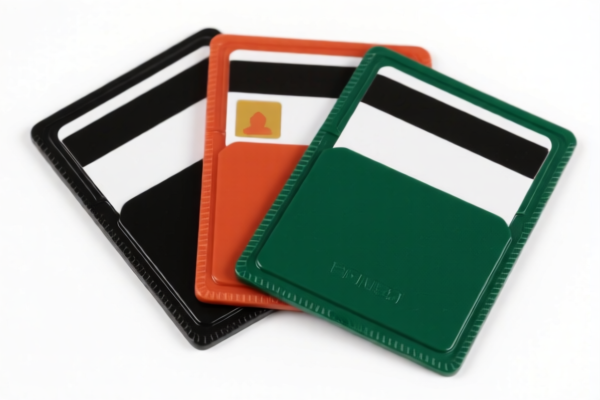
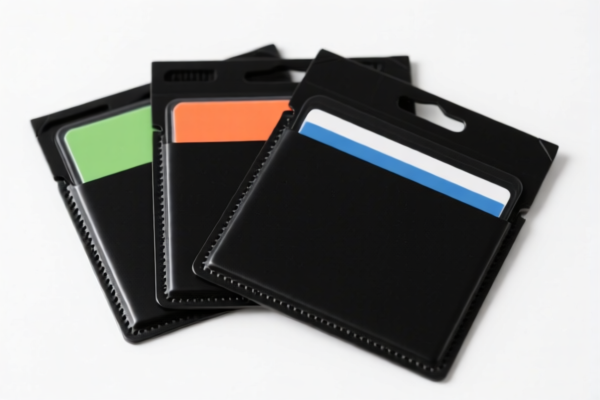
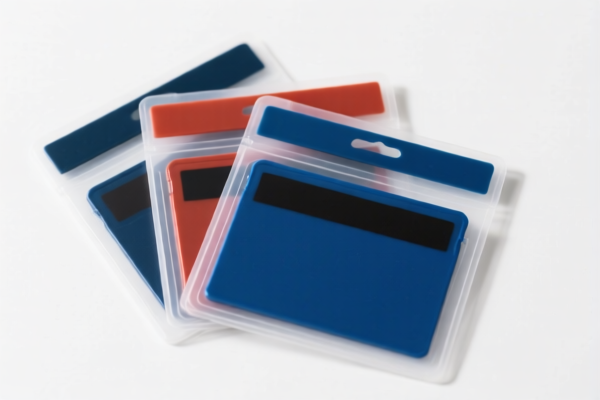
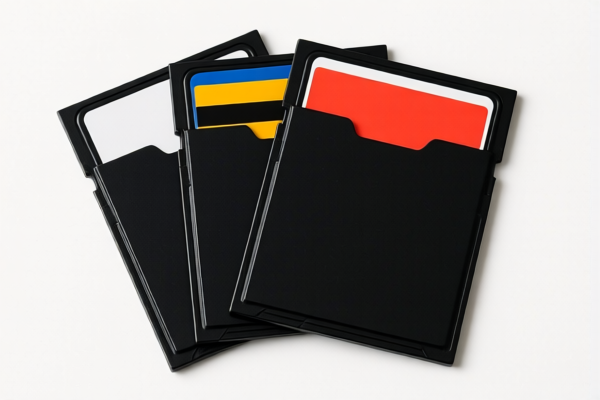
card sleeve
CN → US| HS Code | Tariff Rate | Origin | Destination | Doc |
|---|---|---|---|---|
| 3926909989 | 22.8% | CN | US | Official Doc |
| 4202313000 | 38.7% | CN | US | Official Doc |
| 4205006000 | 39.9% | CN | US | Official Doc |
| 4202399000 | 55.0% | CN | US | Official Doc |
| 4205008000 | 35.0% | CN | US | Official Doc |
Product Images
AI Analysis
🛡️ Card Sleeves & Protectors: The Ultimate Guide to HS Code Classification & Tariff Strategy (2026)
🌐 HS Code Reference & Clearance Strategy | 2026 Latest Tariff Analysis | Professional Customs Clearance Strategy
📌 Part 1: Product Definition & Classification: Do You Really Understand "Card Sleeves"?
"Card Sleeves" are protective cases or holders designed to safeguard cards (such as trading cards, credit cards, business cards, ID cards, or SIM cards) from physical damage, wear, and environmental factors. In international trade, their classification is highly complex because it depends entirely on the material composition and the specific intended use.
A small misclassification can lead to tariff differences ranging from 22.8% to 55.0%. Below is the precise breakdown based on the provided data.
📦 Part 2: HS Code Classification Details (2026 Latest Tariff Authority Comparison)
Based on the input data, there are 5 potential HS Codes for card sleeves. The correct classification depends on Material and Function.
| HS Code | Summary/Description | Material Basis | Total Tax Rate | Tax Composition |
|---|---|---|---|---|
| 3926.90.99.89 | Protective articles based on plastic or rubber materials | Plastic / Rubber | 22.8% | Base: 5.3% Add-on: 7.5% Section 301: 10% |
| 4202.31.30.00 | Protective kits based on parts/components logic & residual categories | Leather / Felt / Other (Residual) | 38.7% | Base: 3.7% Add-on: 25.0% Section 301: 10% |
| 4205.00.60.00 | Reptile leather or other leather articles | Reptile Leather / Other Leather | 39.9% | Base: 4.9% Add-on: 25.0% Section 301: 10% |
| 4202.39.90.00 | Protective sets based on plastic or leather materials | Plastic / Leather (Mixed/Residual) | 55.0% | Base: 20.0% Add-on: 25.0% Section 301: 10% |
| 4205.00.80.00 | Other leather or synthetic leather articles | Leather / Synthetic Leather | 35.0% | Base: 0.0% Add-on: 25.0% Section 301: 10% |
🔍 Key Distinction:
- If it's Plastic/Rubber → 3926.90.99.89 (Lowest Tax)
- If it's Leather/Synthetic Leather → 4205.00.80.00 or 4202.39.90.00
- If it's Special Parts/Residual → 4202.31.30.00
- If it's Reptile Leather → 4205.00.60.00
💰 Part 3: 2026 Latest Tariff Rate Explanation (Including Add-ons)
✅ Applicable Country: United States (US)
✅ Origin: China (CN)
✅ Effective Time: Current (Including subsequent imports)
🎯 1. 3926.90.99.89 — Plastic or Rubber Protective Articles (✅ Most Economical)
| Item | Details |
|---|---|
| Base Duty Rate | 5.3% |
| USITC Add-on Duty | +7.5% |
| Section 301 Duty | +10% |
| Total Tax Rate | 22.8% |
| Tax Calculation | CIF Value × 22.8% |
| De Minimis Exemption | ❌ Not Applicable (Section 301 duties generally apply) |
| Legal Basis | Plastic goods under Chapter 39 |
📌 Why this code?
This is the lowest tax bracket among all options. If your card sleeves are made of PVC, PET, PP, or Rubber, you MUST classify them here to save 13-32% in taxes compared to leather alternatives.
🎯 2. 4202.31.30.00 — Protective Kits (Parts/Components Logic)
| Item | Details |
|---|---|
| Base Duty Rate | 3.7% |
| USITC Add-on Duty | +25.0% |
| Section 301 Duty | +10% |
| Total Tax Rate | 38.7% |
| Tax Calculation | CIF Value × 38.7% |
| De Minimis Exemption | ❌ Not Applicable |
| Legal Basis | Article 4202 (Parts/Residual) |
📌 Why this code?
Used when the product is considered a "protective kit" or "component" not fully defined elsewhere. Often applied to mixed materials or non-standard protective sets.
🎯 3. 4205.00.60.00 — Reptile Leather Articles
| Item | Details |
|---|---|
| Base Duty Rate | 4.9% |
| USITC Add-on Duty | +25.0% |
| Section 301 Duty | +10% |
| Total Tax Rate | 39.9% |
| Tax Calculation | CIF Value × 39.9% |
| De Minimis Exemption | ❌ Not Applicable |
| Legal Basis | Chapter 42 (Leather Articles) |
📌 Why this code?
Specifically for genuine reptile leather (e.g., alligator, snake skin) card holders. High luxury item, higher tax base due to material specificity.
🎯 4. 4202.39.90.00 — Protective Sets (Plastic/Leather Residual)
| Item | Details |
|---|---|
| Base Duty Rate | 20.0% |
| USITC Add-on Duty | +25.0% |
| Section 301 Duty | +10% |
| Total Tax Rate | 55.0% |
| Tax Calculation | CIF Value × 55.0% |
| De Minimis Exemption | ❌ Not Applicable |
| Legal Basis | Chapter 42 (Residual Protective Articles) |
📌 Why this code?
Highest Tax Rate! Applies to mixed plastic/leather products that don't fit specific sub-categories. Avoid this unless necessary.
🎯 5. 4205.00.80.00 — Other Leather/Synthetic Leather Articles
| Item | Details |
|---|---|
| Base Duty Rate | 0.0% |
| USITC Add-on Duty | +25.0% |
| Section 301 Duty | +10% |
| Total Tax Rate | 35.0% |
| Tax Calculation | CIF Value × 35.0% |
| De Minimis Exemption | ❌ Not Applicable |
| Legal Basis | Chapter 42 (Other Leather Articles) |
📌 Why this code?
For genuine leather or synthetic leather card holders that don't fall under "reptile leather." Note: While base tax is 0%, the 25% add-on makes it more expensive than plastic options.
🛠️ Part 4: Customs Clearance Practical Advice (Avoid Pitfalls)
✅ 1. Documentation Checklist (Non-negotiable)
| Document | Required | Notes |
|---|---|---|
| ✅ Product Spec Sheet | ✔️ | Must clearly state material composition (e.g., "100% PVC," "Genuine Cowhide," "Polyester Lining") |
| ✅ Product Photos | ✔️ | Clear images showing texture, thickness, and packaging |
| ✅ Commercial Invoice | ✔️ | Must specify "Card Sleeves" or "Protective Card Cases" |
| ✅ Packing List | ✔️ | Itemize quantities and weights |
| ✅ Origin Certificate | ✔️ | If non-China origin, may qualify for exemptions |
✅ 2. Declaration Strategy (Key Rules)
🔥 "Material Defines Code, Don't Split, Don't Lie!"
| Scenario | Correct HS Code | Wrong Approach | Consequence |
|---|---|---|---|
| Plastic/PVC Sleeves | 3926.90.99.89 |
Declare as "Leather" | Overpayment by ~12% |
| Leather Sleeves | 4205.00.80.00 |
Declare as "Plastic" | Severe Penalty + Back Taxes |
| Mixed Material | 4202.39.90.00 or 4202.31.30.00 |
Split into multiple codes | Customs Audit + Delay |
| Reptile Leather | 4205.00.60.00 |
Declare as "Cowhide" | Higher Tax + CITES Compliance Issues |
✅ 3. Special Case Handling
| Situation | Advice |
|---|---|
| PVC Card Sleeves | ✅ Use 3926.90.99.89. Lowest tax (22.8%). Most common for trading card protectors. |
| Leather Card Holders | ✅ Use 4205.00.80.00. Tax 35%. Ensure material is genuine/synthetic leather, not plastic-coated. |
| Metal/Plastic Hybrid | ⚠️ Risk of 4202.39.90.00 (55%). Try to classify main material. Consult customs broker. |
| SIM Card Trays | ❌ Not Card Sleeves! Likely 8517.13.00.00 or 3926.90. Different category. |
🌍 Part 5: Global Market Clearance Comparison (2026)
| Country/Region | Recommended HS Code | Tax Rate (China Origin) | Notes |
|---|---|---|---|
| 🇺🇸 USA | 3926.90.99.89 (Plastic) |
22.8% | Section 301 applies. Lowest tax for plastic. |
| 🇺🇸 USA | 4205.00.80.00 (Leather) |
35.0% | Higher tax due to 25% add-on. |
| 🇨🇳 China | 3926.90.99.89 |
~5-6% | Lower base rate. |
| 🇪🇺 EU | 3926.90.99 |
~4.5% | No Section 301. Much cheaper. |
| 🇬🇧 UK | 3926.90.99 |
~4.5% | Post-Brexit rules apply. |
📌 Conclusion:
- Plastic card sleeves are the most tax-efficient for the US market (22.8%).
- Leather options incur significantly higher taxes (35-55%) due to USITC add-ons.
- Avoid4202.39.90.00if possible (55% tax is prohibitive).
📌 Part 6: Common Mistakes & Pitfalls (Lessons Learned)
❌ Mistake 1: Declaring Plastic Sleeves as "Leather" to look "premium"
👉 Result: If customs inspect and find PVC, they will penalize for false declaration.
👉 Correct: Always declare true material.
❌ Mistake 2: Splitting a Card Holder + Card Tray into two shipments
👉 Result: Increased shipping cost and potential "parts" classification (38.7% tax).
👉 Correct: Declare as one unit if functionally integrated.
❌ Mistake 3: Using vague descriptions like "Plastic Goods"
👉 Result: Customs may classify under residual codes with higher taxes.
👉 Correct: Use specific terms: "PVC Card Sleeves for Trading Cards."
✅ Best Practice:
"PVC Card Sleeves, Clear, 100% Plastic, for Trading Card Protection" →
3926.90.99.89
🎯 Part 7: Conclusion: Save Money with Accurate Classification!
🎯 Remember the Golden Rules:
🔹 "Plastic = 22.8% (Best)"
🔹 "Leather = 35% (Okay)"
🔹 "Reptile = 39.9% (Premium)"
🔹 "Mixed/Residual = 38.7-55% (Avoid)"
📌 Pro Tip:
If you are importing large volumes of card sleeves, stick to PVC/Plastic (3926.90.99.89) for maximum cost efficiency. The 12-30% tax difference between plastic and leather options can significantly impact your profit margin.
📣 Immediate Action:
📞 Contact a Customs Broker + Provide Material Spec + Confirm HS Code 3926.90.99.89
🚀 Clear Customs Smoothly, Reduce Costs, Maximize Profits!
✨ Professional Clearance Starts with Accurate Classification!
💼 Every Dollar Saved in Tax is Pure Profit!
Customer Reviews
About HS Code Classification
The Harmonized System (HS) is an internationally standardized nomenclature developed by the World Customs Organization (WCO) to classify traded products. Over 200 countries use the HS system as the basis for customs tariffs, trade statistics, and import/export regulations.
Each HS code follows a hierarchical structure:
- Chapter (2 digits) — Broad category of goods (e.g., Chapter 84: Machinery and Mechanical Appliances)
- Heading (4 digits) — More specific grouping within the chapter
- Subheading (6 digits) — Internationally standardized breakdown, used by all WCO member countries
- National subdivisions (8-10 digits) — Country-specific extensions for further classification, such as US HTSUS 10-digit codes
Correct HS code classification is essential for smooth customs clearance, accurate duty payment, and compliance with trade regulations. Misclassification can lead to customs delays, overpayment of duties, or penalties.
When importing from CN to US, the applicable tariff rates may include:
- Most-Favored-Nation (MFN) rate — The standard duty rate applied to WTO members
- General rate — Applied to countries without trade agreements
- Trade remedy duties — Additional tariffs such as Section 301 (anti-dumping), Section 232 (national security), or countervailing duties
The information provided on this page is for reference purposes only. For official classification, please consult with your local customs authority or a licensed customs broker.