cardboard spool white
CN → US| HS Code | Tariff Rate | Origin | Destination | Doc |
|---|---|---|---|---|
| 4823908000 | 35.0% | CN | US | Official Doc |
| 4823902000 | 35.0% | CN | US | Official Doc |
Product Images
AI Analysis
📜 Cardboard Spool / White Paperboard Core (White Cardboard Spool)
🌐 HS Code Reference & Customs Clearance Guide | 2026 Latest Tariff Analysis | Professional-Level Entry Strategy
📌 1. Product Definition and Classification: Do You Really Understand "Cardboard Spools"?
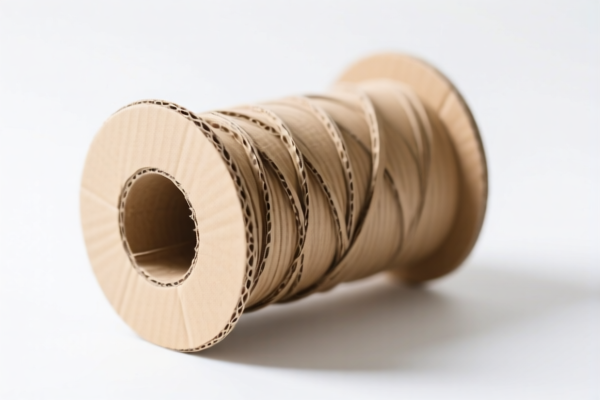
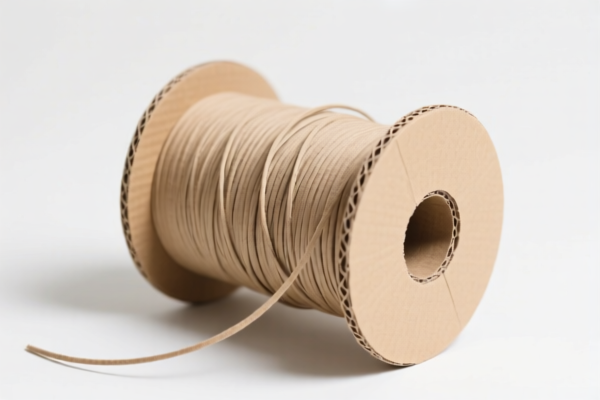
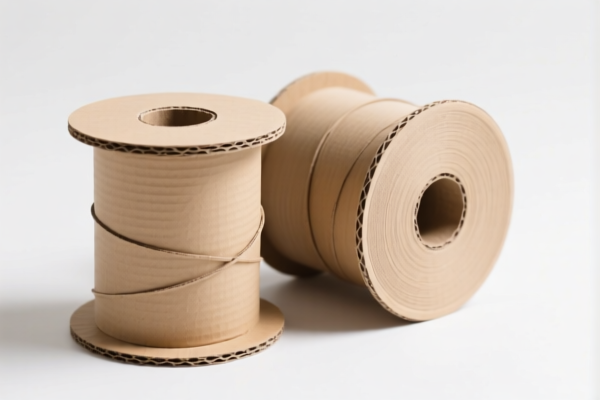
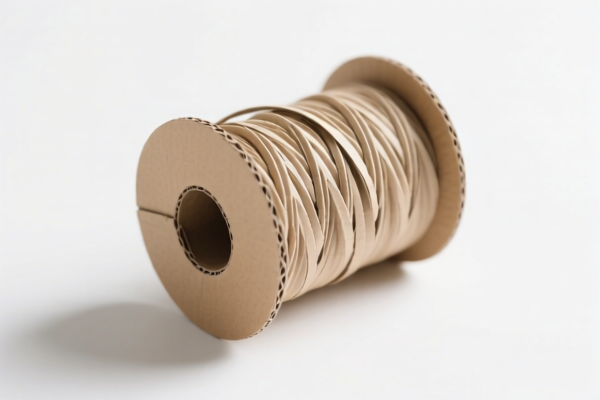
A Cardboard Spool (often referred to as a Paper Core, Tube, or Roll Core) is a cylindrical container used to support rolls of materials such as paper, plastic film, textiles, adhesive tapes, or foil. They are essential components in the manufacturing and logistics of flexible packaging.
In international trade, "Cardboard Spool" is not a single HS code but depends on its manufacturing process, material composition, and specific use. The provided data points to two primary categories under HS Chapter 48 (Paper and Paperboard):
Paperboard Cores (Generic/Sealed): Standard industrial spools made of compressed paperboard, often used for packaging rolls. These are generally classified under "Other articles of paper pulp, paper, paperboard...". Papier-mâché Articles: Spools or tubes specifically made from machined papier-mâché (pressed paper pulp), often used for higher precision or specific industrial applications where structural integrity from molded pulp is required.
⚠️ Key Distinction Point: - If the spool is made of cut-to-size paperboard (rolled or glued sheets) and is a generic industrial component → It falls under 4823.90.80.00 (Other articles). - If the spool is specifically identified as being made of papier-mâché (molded pulp products) → It falls under 4823.90.20.00.
📦 2. HS Code Classification Details (2026 Latest Tariff Authority Comparison)
| HS Code | Product Description | Applicable Scenario | Material/Process Key |
|---|---|---|---|
4823.90.80.00 |
Other paper, paperboard... cut to size; other articles: Other | Standard white cardboard tubes, spools for film/paper, generic industrial cores | ✅ Rolled/Glued Paperboard, Not specifically "Papier-mâché" |
4823.90.20.00 |
Other paper, paperboard...: Of papier-mâché | Spools/cores made from molded paper pulp, high-density molded tubes | ✅ Molded/Pressed Paper Pulp (Papier-mâché) |
🔍 Critical Reminder: - "White" Color does not change the HS code. Both codes apply to white spools. - Gaskets/Washers Exclusion: Note that
4823.90.80.00in some detailed local lists may include "Gaskets, washers, and other seals" if they are paper-based. However, for spools/cores, the primary distinction is between Paperboard (4823.90.80) and Papier-mâché (4823.90.20). - If the spool is used as a seal/gasket in machinery, it might still fall under4823.90.80.00, but if it is a structural core for rolling, the material definition (Pulp vs. Board) is key.
💰 3. 2026 Latest Tariff Rate Breakdown (Including Surtaxes & Policy Add-ons)
✅ Applicable Country: United States (US)
✅ Country of Origin: China (CN)
✅ Effective Date: From November 10, 2025 (and subsequent imports)
🎯 1. 4823.90.80.00 —— Other Paperboard Articles (Most Common for Standard Spools)
| Item | Content |
|---|---|
| Base Tariff | 0% (ad valorem) |
| USITC Surtax | +25% (Under USITC Footnote related to Section 301) |
| IEEPA Surtax | +10% (Targeting China/HK products, effective from Nov 10, 2025) |
| Total Tax Rate | 35% |
| Tax Calculation | CIF Value × 35% |
| De Minimis Exemption | ❌ Not Applicable (deny_de_minimis applies to Section 301 goods) |
| Legal Basis Path | IEEPA:9903.01.25 → USITC:4823.90.80.00 → FOOTNOTE:301 |
📌 Explanation: - The 0% base rate reflects the standard MFN tariff for paper articles. - The 25% USITC surcharge is due to Section 301 tariffs on Chinese goods. - The 10% IEEPA surcharge is an additional national security-related tariff on Chinese imports. - Total 35% is significant. While paper is often seen as a low-tech good, the geopolitical tariffs apply broadly.
🎯 2. 4823.90.20.00 —— Articles of Papier-mâché
| Item | Content |
|---|---|
| Base Tariff | 0% (ad valorem) |
| USITC Surtax | +25% |
| IEEPA Surtax | +10% |
| Total Tax Rate | 35% |
| Tax Calculation | CIF Value × 35% |
| De Minimis Exemption | ❌ Not Applicable |
| Legal Basis Path | IEEPA:9903.01.25 → USITC:4823.90.20.00 → FOOTNOTE:301 |
📌 Note: - The tariff rate is identical to
4823.90.80.00. - Whether you import standard paperboard tubes or molded pulp cores, the effective landed cost in the US is the same due to identical surtax structures.
🛠️ 4. Customs Clearance Practical Advice (Real-World Pitfall Guide)
✅ 1. Required Documentation Checklist (Non-negotiable)
| Document | Mandatory? | Description |
|---|---|---|
| ✅ Product Specification Sheet | ✔️ | Must specify: Material (Paperboard vs. Pulp), Diameter, Length, Wall Thickness, Bonding Agent (Glue type). |
| ✅ Commercial Invoice | ✔️ | Clearly state "Cardboard Spool" or "Paper Core", NOT just "Cardboard". Avoid vague terms like "Packaging Material" without detail. |
| ✅ Packing List | ✔️ | Include weight per core and total gross/net weight. |
| ✅ Proof of Origin (Form A if applicable) | ✔️ | If shipped from non-China countries (e.g., Vietnam), claim preferential rates. |
| ✅ Photos of Product & Label | ✔️ | Show the end-grain to prove it is rolled paper or molded pulp. |
| ✅ Glue/Adhesive SDS | ✔️ | Some glue types may trigger chemical compliance checks. |
✅ 2. Declaration Tips (Key Mantra)
🔥 "Material Defines Code, Origin Defines Tax, Description Must Be Precise!"
| Scenario | Correct Declaration | Error to Avoid |
|---|---|---|
| Standard White Tube (Rolled) | 4823.90.80.00 - "Paperboard Spools, White, Cut to Size" |
Labeling as "Plastic Tube" → Higher duties & fines |
| Molded Pulp Core | 4823.90.20.00 - "Papier-mâché Cores" |
Labeling as "Paperboard" → Potential reclassification audit |
| Spools used as Gaskets | 4823.90.80.00 (with note) |
Not declaring if they are primarily seals |
| Mixed Bundle (Core + Tape) | Declare separately | Combined declaration → Risk of penalty for undervaluation/misclassification |
✅ 3. Special Cases
| Scenario | Handling Advice |
|---|---|
| OEM Custom Sizes | Provide drawings. Custom sizes do not change HS code but prove they are "cut to size." |
| White Coated vs. Uncoated | "White" is a cosmetic feature. Do not use it to justify a different code. Both are under Chapter 48. |
| Recycled Paperboard | Must be declared as "Recycled" if applicable. Some buyers may have ESG requirements, but tariffs remain 35%. |
| Direct Shipment from China | Expect 35% duty. Consider Transshipment via third countries (Vietnam, Thailand) with substantial transformation to claim origin, but be aware of US Customs Enforcement on Circumvention. |
🌍 5. Global Market Comparison (2026 Latest)
| Country/Region | Recommended HS Code | Tariff (China Origin) | Certification | Notes |
|---|---|---|---|---|
| 🇺🇸 USA | 4823.90.80.00 or 4823.90.20.00 |
35% (0% + 25% + 10%) | None typically | High Tariff. Critical to declare correctly. |
| 🇨🇳 China | 4823.90.80.00 |
~0-5% | N/A | Low export tax. Common manufacturing hub. |
| 🇪🇺 EU | 4823.90.80.00 |
~0-6.5% | FSC/PEFC (Sustainability) | No Section 301. Green labeling preferred. |
| 🇬🇧 UK | 4823.90.80.00 |
~0-6.5% | UKCA | Post-Brexit rules apply. |
| 🇦🇺 Australia | 4823.90.80.00 |
~5% | N/A | FTAs may apply with Japan/SE Asia. |
📌 Conclusion: - The USA is the only major market with the 35% effective tariff on these Chinese-origin goods due to combined Section 301 and IEEPA measures. - For non-US markets, tariffs are generally 0-6.5%, making export to EU/UK more cost-effective.
📌 6. Common Mistakes & Pitfall Guide (Lessons from Blood & Tears)
❌ Mistake 1: Declaring "Cardboard Spool" as "Plastic Tube" 👉 Consequence: HS Code mismatch. Plastic tubes (Chapter 39) may have different duties. If caught, fraud penalties apply.
❌ Mistake 2: Claiming "De Minimis" (Section 321) for small shipments 👉 Consequence: Section 301 goods (like paperboard from China) are explicitly excluded from de minimis. Package will be held, duties collected + storage fees.
❌ Mistake 3: Vague Description: "Paper Packaging" 👉 Consequence: CBP (Customs Border Protection) may detain for information deficiency, requiring additional docs, causing delays.
❌ Mistake 4: Ignoring Glue Composition 👉 Consequence: If glue contains restricted chemicals, it may trigger EPA/FDA reviews. Always declare "Water-based adhesive" if true.
✅ Correct Declaration Example:
"White Cardboard Paper Spools, Cut to Size, Made of Multi-layer Paperboard, for Packaging Rolls, Model XYZ, Origin: China"
🎯 7. Conclusion: Professional Declaration, Save Time & Money!
🎯 Remember the Mantra:
🔹 "Paper Spools: 35% Tax in USA, 0-6% Elsewhere."
🔹 "Declare 'Cut to Size' and 'Paperboard', not just 'Cardboard'."
🔹 "No De Minimis for Section 301 Goods!"
📌 Tips: - If you are importing large volumes, consider consulting a Customs Broker for a Binding Ruling (PBO) to confirm the exact HS code. - For non-US destinations, ensure you have FSC Certification if your buyer is in the EU, as green compliance is critical.
📣 Immediate Action:
📞 Contact your Freight Forwarder + Provide Product Specs + Apply for Pre-Ruling
🚀 Let your Cardboard Spools clear customs smoothly, efficiently, and profitably!
✨ Professional Customs Clearance Starts with Accurate Classification!
💼 Every Percent of Duty Counts!
Customer Reviews
About HS Code Classification
The Harmonized System (HS) is an internationally standardized nomenclature developed by the World Customs Organization (WCO) to classify traded products. Over 200 countries use the HS system as the basis for customs tariffs, trade statistics, and import/export regulations.
Each HS code follows a hierarchical structure:
- Chapter (2 digits) — Broad category of goods (e.g., Chapter 84: Machinery and Mechanical Appliances)
- Heading (4 digits) — More specific grouping within the chapter
- Subheading (6 digits) — Internationally standardized breakdown, used by all WCO member countries
- National subdivisions (8-10 digits) — Country-specific extensions for further classification, such as US HTSUS 10-digit codes
Correct HS code classification is essential for smooth customs clearance, accurate duty payment, and compliance with trade regulations. Misclassification can lead to customs delays, overpayment of duties, or penalties.
When importing from CN to US, the applicable tariff rates may include:
- Most-Favored-Nation (MFN) rate — The standard duty rate applied to WTO members
- General rate — Applied to countries without trade agreements
- Trade remedy duties — Additional tariffs such as Section 301 (anti-dumping), Section 232 (national security), or countervailing duties
The information provided on this page is for reference purposes only. For official classification, please consult with your local customs authority or a licensed customs broker.