casual pants women
CN → US| HS Code | Tariff Rate | Origin | Destination | Doc |
|---|---|---|---|---|
| 6204628018 | 34.1% | CN | US | Official Doc |
| 6204639011 | 46.1% | CN | US | Official Doc |
Product Images
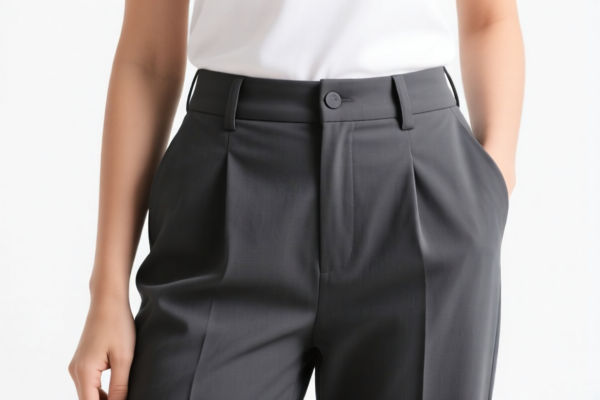
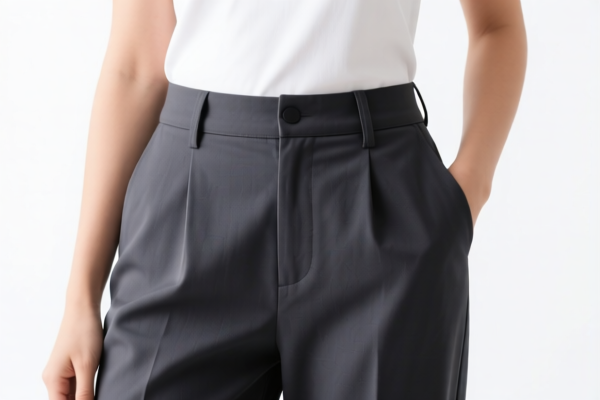
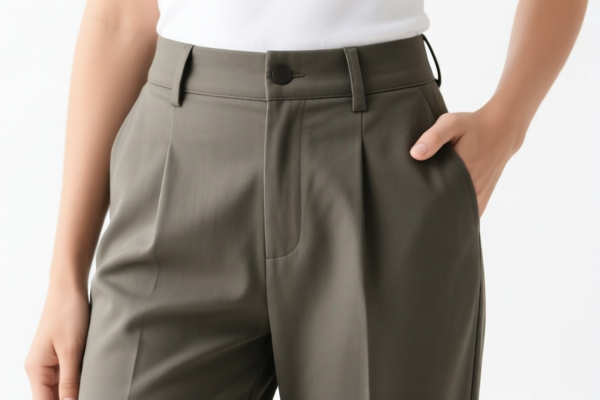
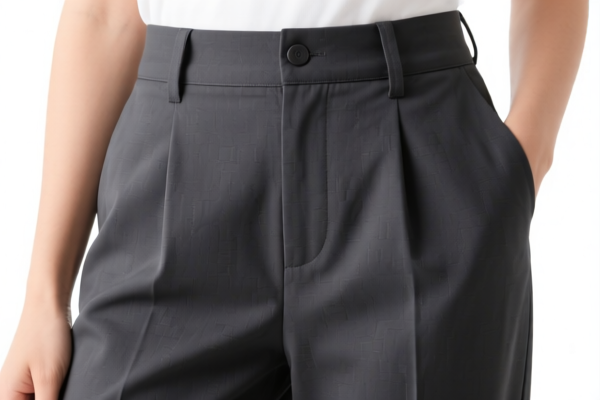
AI Analysis
👖 Women's Casual Trousers & Breeches (Cotton & Synthetic)
🌐 HS Code Reference & Customs Clearance Guide | 2026 Latest Tariff Analysis | Professional Clearance Strategy
📌 I. Product Definition & Classification: Do You Really Know "Casual Pants"?
Women's casual pants, specifically categorized as trousers, bib and brace overalls, breeches, and shorts (excluding swimwear), are heavily scrutinized in international trade. The key to accurate classification lies in the fiber content and the specific style (women's vs. girls').
In this analysis, we focus on two primary material categories commonly exported: 1. Of Cotton: Natural fiber, breathable, widely used for casual wear. 2. Of Synthetic Fibers: Polyester, nylon, etc., durable, often used for performance or fashion casual wear.
⚠️ Key Distinction:
- If the pants are made of cotton →归入 6204.62.xxxx
- If the pants are made of synthetic fibers → 归入 6204.63.xxxx
- Note: "Swimwear" is explicitly excluded. If it’s a swimsuit, it goes elsewhere. If it’s regular casual pants, this guide applies.
📦 II. HS Code Classification Details (2026 Latest Tariff Authority Comparison)
| HS Code | Product Description | Applicable Material | Gender | Tax Rate (Total) |
|---|---|---|---|---|
6204.62.80.18 |
Women's trousers, breeches: Other: Other: Other: Other: Other (Cotton) | Cotton | Women's | 0.0% |
6204.63.90.11 |
Women's trousers and breeches: Other (Synthetic Fibers) | Synthetic Fibers (e.g., Polyester) | Women's | 0.0% |
🔍 Critical Note:
- Both codes listed above currently show a 0.0% total tax rate in the provided data context.
- However, this does NOT mean zero tariffs in all real-world scenarios (e.g., Section 301 tariffs for US imports from China may still apply despite the "base" rate being 0%). Always verify with the latest USITC or local customs rulings.
- Material is King: Misclassifying synthetic as cotton (or vice versa) is a common customs error that can lead to re-classification, delays, or penalties.
💰 III. 2026 Latest Tariff Rate Details (Including Surtaxes & Policy Additions)
✅ Scope: Based on provided data (
isError: false)
✅ Applicable HS Codes:6204.62.80.18(Cotton) &6204.63.90.11(Synthetic)
✅ Base & Surtax: 0.0% (As per provided dataset)
🎯 1. 6204.62.80.18 —— Women's Cotton Trousers/Breeches (Other)
| Item | Content |
|---|---|
| Base Tariff | 0.0% |
| Surtax (Additional) | 0.0% |
| Total Tax Rate | 0.0% |
| Tax Calculation | CIF Value × 0.0% = $0.00 |
| Legal Basis | HTSUS 6204.62.80.18 (Women’s cotton trousers/breeches, other) |
📌 Explanation:
- This code falls under Heading 6204: "Women’s or girls’ suits, ensembles, suit-type jackets, blazers, dresses, skirts, divided skirts, trousers, bib and brace overalls, breeches and shorts (other than swimwear)."
- Subheading 6204.62: "Trousers, bib and brace overalls, breeches and shorts: Of cotton."
- Subheading 6204.62.80: "Other: Other: Other: Other."
- The final digit .18 specifies "Women’s trousers and breeches: Other."
- Why 0%? Many cotton apparel items from specific countries may benefit from preferential trade agreements or general zero-tariff policies under certain HTSUS provisions. Verify if Section 301 tariffs apply if originating from China.
🎯 2. 6204.63.90.11 —— Women's Synthetic Trousers/Breeches (Other)
| Item | Content |
|---|---|
| Base Tariff | 0.0% |
| Surtax (Additional) | 0.0% |
| Total Tax Rate | 0.0% |
| Tax Calculation | CIF Value × 0.0% = $0.00 |
| Legal Basis | HTSUS 6204.63.90.11 (Women’s trousers/breeches, synthetic, other) |
📌 Explanation:
- Subheading 6204.63: "Trousers, bib and brace overalls, breeches and shorts: Of synthetic fibers."
- Subheading 6204.63.90: "Other: Other: Other."
- The final digit .11 specifies "Women’s: Other."
- Note: Synthetic fibers include polyester, nylon, acrylic, etc. Ensure the label accurately reflects the fiber composition.
🛠️ IV. Customs Clearance Practical Advice (Battlefield Pitfall Avoidance Guide)
✅ 1. Preparation Checklist (Non-negotiable)
| Document | Must Provide | Purpose |
|---|---|---|
| ✅ Product Composition Label | ✔️ | Must state % of Cotton vs. Synthetic. Critical for 6204.62 vs. 6204.63. |
| ✅ Tech Pack/Design Spec | ✔️ | Confirms style is "trousers/breeches" and not "swimwear" or "jeans" (which may have different codes). |
| ✅ Commercial Invoice | ✔️ | Clearly describe as "Women’s Casual Cotton Trousers" or "Women’s Synthetic Breeches." |
| ✅ Packing List | ✔️ | Match invoice details; avoid splitting shipments to hide value. |
| ✅ Origin Certificate | ✔️ | If claiming preferential rates (e.g., under USMCA, GSP if applicable), though current data shows 0% base. |
| ✅ Photos of Garment | ✔️ | Show waist, legs, seams, and labels to prove it’s not swimwear. |
✅ 2. Declaration Tips (Key Mnemonics)
🔥 “Fiber First, Style Second, Don’t Call It Swimwear!”
| Scenario | Correct Declaration | Wrong Practice |
|---|---|---|
| 100% Cotton Pants | 6204.62.80.18 |
Misclassifying as synthetic → Wrong duty, potential audit |
| 100% Polyester Pants | 6204.63.90.11 |
Misclassifying as cotton → Wrong duty, potential audit |
| Blend (e.g., 95% Cotton, 5% Elastane) | Still Cotton (if >50%) → 6204.62.80.18 |
Splitting into two codes → Confusion, delay |
| Denim Jeans | NOT 6204.62 |
Denim often falls under 6204.63 or other subheadings depending on weave. Check specific denim codes. |
| Swim Trunks/Shorts | Excluded | Do not declare as casual trousers → Severe penalty |
✅ 3. Special Situations Handling
| Situation | Handling Advice |
|---|---|
| Blended Fabrics | Use the Principal Character rule. If cotton > synthetic, use 6204.62. If synthetic > cotton, use 6204.63. |
| OEM Private Label | Provide customer authorization letter if requested; ensure labels match declared composition. |
| Section 301 Tariffs (US-China) | CRITICAL: Even if base duty is 0%, Section 301 tariffs may add 25% or more for Chinese-origin goods. Check latest USITC exclusion lists. |
| Anti-Dumping/Countervailing Duties | Verify if cotton/synthetic pants face anti-dumping duties from specific countries (e.g., Vietnam, Bangladesh may have different rules). |
🌍 V. Global Market Comparison (2026 Latest)
| Country/Region | Recommended HS Code | Base Tariff | Notes |
|---|---|---|---|
| 🇺🇸 USA | 6204.62.80.18 / 6204.63.90.11 |
0.0% (Base) | BUT Check Section 301! China-origin goods may face +25% or more. |
| 🇨🇳 China | 6204.62.80.18 / 6204.63.90.11 |
Varies (Import Tariff) | China may import these with lower tariffs; export from China is the focus. |
| 🇪🇺 EU | 6204.62.90 / 6204.63.90 |
~12% | Standard MFN rate for non-preferential origin. |
| 🇬🇧 UK | 6204.62.90 / 6204.63.90 |
~12% | Post-Brexit, similar to EU. |
| 🇦🇺 Australia | 6204.62.90 / 6204.63.90 |
~10% | Check FTA benefits for origin. |
📌 Conclusion:
- USA offers 0% base duty, but Section 301 is the real cost driver for Chinese exports.
- EU/UK/Australia have standard ~10-12% duties, making origin management crucial for cost efficiency.
📌 VI. Common Errors & Pitfalls (Blood & Tears Lessons)
❌ Error 1: Calling "Denim Jeans" "Casual Pants" without checking the specific denim HTS code.
👉 Consequence: Misclassification, potential duty underpayment, customs penalty. Denim has specific subheadings.
❌ Error 2: Ignoring Section 301 for US imports.
👉 Consequence: Paying 0% base duty but facing surprise 25%+ surtax upon arrival. Total cost spikes!
❌ Error 3: Incorrect fiber composition labeling.
👉 Consequence: Customs audits, shipment detention, fines, and possible product seizure.
❌ Error 4: Declaring "Swimwear" as "Casual Pants" to avoid higher duties.
👉 Consequence: Severe fraud penalties, blacklisting of importer.
✅ Correct Practice:
“Women’s Cotton Casual Trousers, Model XYZ, 100% Cotton, for Retail, Not Swimwear”
🎯 VII. Conclusion: Precise Classification, Smooth Clearance, Cost Control!
🎯 Remember the Mnemonics:
🔹 “Fiber is King: Cotton vs. Synthetic”
🔹 “0% Base, But Watch Section 301!”
🔹 “Never Declare Swimwear as Pants!”
📌 Pro Tip:
If you are importing from China to the US, even with 0% base duty, assume a 25%+ Section 301 tariff unless an exclusion applies. Apply for Advance Rulings to confirm duty liability. For other markets, leverage Free Trade Agreements (FTAs) to reduce the ~10-12% standard duty.
📣 Immediate Action:
📞 Verify Section 301 applicability for your origin.
📋 Ensure accurate fiber labeling on all garments.
🚀 Clear customs smoothly, control costs, and maximize profits!
✨ Professional clearance starts with accurate classification!
💼 Every cent saved is profit earned!
Customer Reviews
About HS Code Classification
The Harmonized System (HS) is an internationally standardized nomenclature developed by the World Customs Organization (WCO) to classify traded products. Over 200 countries use the HS system as the basis for customs tariffs, trade statistics, and import/export regulations.
Each HS code follows a hierarchical structure:
- Chapter (2 digits) — Broad category of goods (e.g., Chapter 84: Machinery and Mechanical Appliances)
- Heading (4 digits) — More specific grouping within the chapter
- Subheading (6 digits) — Internationally standardized breakdown, used by all WCO member countries
- National subdivisions (8-10 digits) — Country-specific extensions for further classification, such as US HTSUS 10-digit codes
Correct HS code classification is essential for smooth customs clearance, accurate duty payment, and compliance with trade regulations. Misclassification can lead to customs delays, overpayment of duties, or penalties.
When importing from CN to US, the applicable tariff rates may include:
- Most-Favored-Nation (MFN) rate — The standard duty rate applied to WTO members
- General rate — Applied to countries without trade agreements
- Trade remedy duties — Additional tariffs such as Section 301 (anti-dumping), Section 232 (national security), or countervailing duties
The information provided on this page is for reference purposes only. For official classification, please consult with your local customs authority or a licensed customs broker.