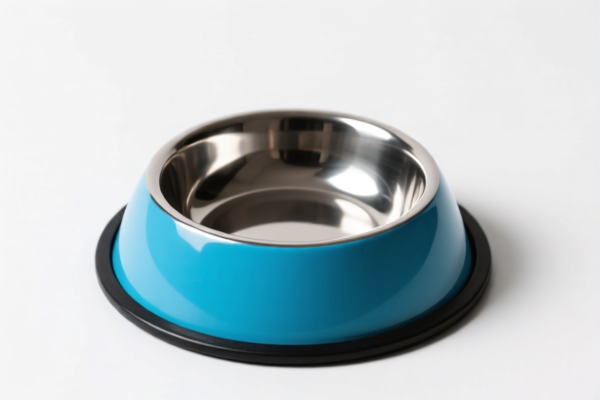
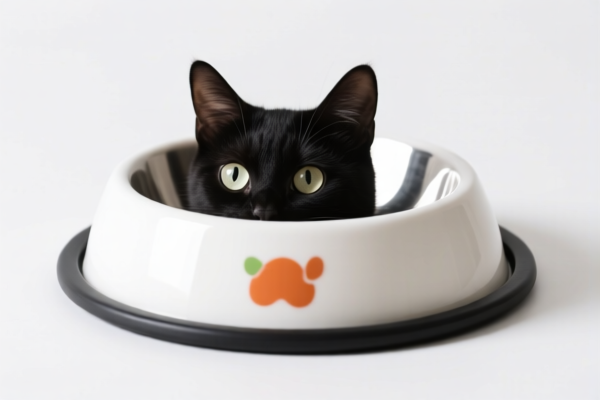
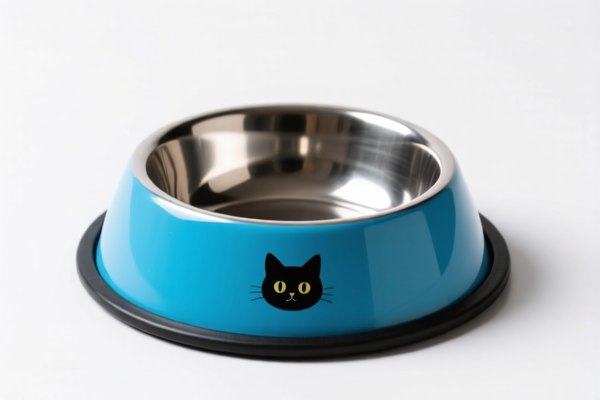
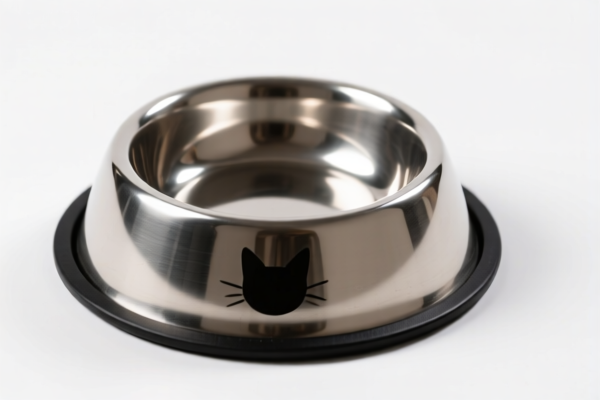
cat ball kit
CN → US| HS Code | Tariff Rate | Origin | Destination | Doc |
|---|---|---|---|---|
| 4202999000 | 55.0% | CN | US | Official Doc |
| 3926400090 | 15.3% | CN | US | Official Doc |
| 3926903500 | 24.0% | CN | US | Official Doc |
| 3926909989 | 22.8% | CN | US | Official Doc |
| 9503000073 | 10.0% | CN | US | Official Doc |
Product Images
AI Analysis
🐾 Cat Toy Ball Kit: HS Code Classification & Customs Clearance Strategy
🌐 HS Code Reference & Customs Clearance Guide | 2026 Latest Tariff Analysis | Professional Entry Strategy
📌 I. Product Definition & Classification: Do You Really Understand "Cat Toy Balls"?
A "Cat Toy Ball Kit" typically refers to a set of spherical or ball-shaped toys designed for feline entertainment. In international trade, these items are often ambiguous because they can be classified either as accessories/packaging (Chapter 42) or as actual toys/plastic goods (Chapter 39 or 95). The classification depends heavily on the primary material and whether the item is considered a "container" or a "toy."
⚠️ Key Distinction:
- If the item is viewed as a carrier/package for other goods or a general textile/plastic item not specifically for play → Consider Chapter 42 or Chapter 39.
- If the item is clearly identified as a toy for animals (specifically feline) → Consider Chapter 95 (Toys).
- Material matters: Plastic vs. Textile vs. Rubber/Mixed Materials determines the specific subheading.
📦 II. HS Code Classification Details (2026 Latest Tariff Authority Comparison)
| HS Code | Product Description | Application Scenario | Material Conflict? |
|---|---|---|---|
4202.99.90.00 |
Articles of a kind normally carried in the pocket or handbag (e.g., cat toy balls as containers/similar items) | Textile or plastic toys viewed as "similar articles" to bags; common materials | ❌ No conflict with "other containers/bags" class. |
3926.40.00.90 |
Plastic articles (decorative/other) | Inferred plastic material; fits "plastic other articles/decorations" | ❌ No conflict with "plastic other articles." |
3926.90.35.00 |
Plastic other articles (non-beaded) | Plastic-based, fits general plastic制品 category | ❌ No obvious material conflict. |
3926.90.99.89 |
Other articles of plastic (toys/synthetic) | Inferred plastic/synthetic material; fits "other articles of plastic" | ❌ No material conflict. |
9503.00.00.73 |
Toys representing animals (cat toys) | Best Fit: Specifically for pet toys; distinct from rubber balloons (13) | ❌ No conflict with Chapter 95 scope. |
🔍 Critical Note:
- Chapter 95 (9503.00.00.73) is often the most accurate for "Cat Toy Balls" if they are clearly toys for pets.
- Chapters 39/42 are fallback classifications if the item is deemed a "plastic article" or "textile item" rather than a dedicated toy, but this may attract higher tariffs.
💰 III. 2026 Latest Tariff Rate Details (Including Surcharges & Policy Add-ons)
✅ Applicable Country: United States (US)
✅ Origin: China (CN)
✅ Effective Date: From November 10, 2025 (including subsequent imports)
🎯 1. 4202.99.90.00 — Articles of a Kind Normally Carried (Textile/Plastic Toys as Similar Items)
| Item | Content |
|---|---|
| Base Rate | 20.0% (Ad Valorem) |
| Section 301 Surcharge | +25.0% |
| Section 122 Surcharge | +10.0% |
| Total Tariff Rate | 55.0% |
| Tax Calculation | CIF Value × 55% |
| De Minimis Exemption | ❌ Not Eligible (deny_de_minimis) |
| Legal Basis Path | Base 20% + Section 301 25% + Section 122 10% |
📌 Explanation:
- This high rate (55%) applies if the cat toy is misclassified as a "bag-like" or "similar article" under Chapter 42.
- Risk: High duty burden. Avoid this classification if possible.
🎯 2. 3926.40.00.90 — Plastic Other Articles (Decorative/Other)
| Item | Content |
|---|---|
| Base Rate | 5.3% |
| Section 301 Surcharge | 0.0% |
| Section 122 Surcharge | +10.0% |
| Total Tariff Rate | 15.3% |
| Tax Calculation | CIF Value × 15.3% |
| De Minimis Exemption | ❌ Not Eligible (deny_de_minimis) |
| Legal Basis Path | Base 5.3% + Section 122 10% |
📌 Explanation:
- If classified as a generic "plastic article" rather than a toy, the rate is significantly lower (15.3%).
- Risk: Customs may challenge this if the product is clearly a "toy."
🎯 3. 3926.90.35.00 — Plastic Other Articles (Non-Beaded)
| Item | Content |
|---|---|
| Base Rate | 6.5% |
| Section 301 Surcharge | +7.5% |
| Section 122 Surcharge | +10.0% |
| Total Tariff Rate | 24.0% |
| Tax Calculation | CIF Value × 24.0% |
| De Minimis Exemption | ❌ Not Eligible (deny_de_minimis) |
| Legal Basis Path | Base 6.5% + Section 301 7.5% + Section 122 10% |
🎯 4. 3926.90.99.89 — Other Articles of Plastic (Toys/Synthetic)
| Item | Content |
|---|---|
| Base Rate | 5.3% |
| Section 301 Surcharge | +7.5% |
| Section 122 Surcharge | +10.0% |
| Total Tariff Rate | 22.8% |
| Tax Calculation | CIF Value × 22.8% |
| De Minimis Exemption | ❌ Not Eligible (deny_de_minimis) |
| Legal Basis Path | Base 5.3% + Section 301 7.5% + Section 122 10% |
🎯 5. 9503.00.00.73 — Toys Representing Animals (Cat Toys)
| Item | Content |
|---|---|
| Base Rate | 0.0% |
| Section 301 Surcharge | 0.0% |
| Section 122 Surcharge | +10.0% |
| Total Tariff Rate | 10.0% |
| Tax Calculation | CIF Value × 10.0% |
| De Minimis Exemption | ❌ Not Eligible (deny_de_minimis) |
| Legal Basis Path | Base 0% + Section 122 10% |
📌 Explanation:
- Best Case Scenario: If classified under 9503.00.00.73 (Toys for pets/animals), the base rate is 0%.
- Only the Section 122 (10%) surcharge applies, making it the most cost-effective classification.
- Requirement: Must prove the item is specifically a "toy for animals" (e.g., product name, marketing, usage).
🛠️ IV. Customs Clearance Practical Advice (Field Pitfall Avoidance Guide)
✅ 1. Required Documents Checklist (No Omissions)
| Document | Required | Notes |
|---|---|---|
| ✅ Product Specifications | ✔️ | Include material (plastic/fabric/rubber), size, weight, intended use (cat toy). |
| ✅ Product Photos | ✔️ | Clear images showing the ball, packaging, and any pet-related branding. |
| ✅ Commercial Invoice | ✔️ | Crucial: Describe as "Cat Toy Ball" or "Pet Toy," NOT "Plastic Ball" or "Storage Bag." |
| ✅ Material Declaration | ✔️ | Specify if plastic, textile, or mixed. |
| ✅ Packing List | ✔️ | Show quantity per kit. |
✅ 2. Declaration Strategy (Key Mnemonic)
🔥 “Pet Toy First, Plastic Second; Name it Right, Save Big Money!”
| Scenario | Correct Declaration | Wrong Practice |
|---|---|---|
| Cat Toy Balls | 9503.00.00.73 (Toy for animals) |
Declared as "Plastic Ball" → 3926 or 4202 → 22-55% tax |
| Mixed Kit (Toy + Bag) | Declare as "Toy Kit" if toy is primary | Split declaration → Complicated, higher risk |
| Generic Plastic Ball | 3926.90.99.89 |
If it’s clearly for cats, don’t use this → Higher tax |
📌 Key Tip:
- Use the term "Cat Toy" or "Pet Toy" in the product description.
- Avoid vague terms like "Plastic Ball" or "Decorative Item" if it’s clearly for pets.
✅ 3. Special Cases Handling
| Case | Handling Advice |
|---|---|
| OEM Cat Toys | Provide design files to prove it’s a toy, not a generic plastic part. |
| Mixed Materials | If >50% plastic, 3926 may be considered, but 9503 is still preferred if function is toy. |
| Packaging as Part of Toy | If the ball comes in a small bag as packaging, declare as one unit (Toy). |
| Non-Toy Plastic Balls | If for industrial use, use 3926. If for pets, use 9503. |
🌍 V. Global Market Clearance Comparison (2026 Latest)
| Country/Region | Recommended HS Code | Tariff | Certification | Notes |
|---|---|---|---|---|
| 🇺🇸 USA | 9503.00.00.73 |
10% (CN origin) | CPC (Pet Toy) | Best rate; avoid 4202 (55%) |
| 🇨🇳 China | 9503.00.00.73 |
~5-10% | CCC (if applicable) | Lower tariffs than US |
| 🇪🇺 EU | 9503.00.00.00 |
0% | CE + EN71 | No Section 122 equivalent |
| 🇦🇺 Australia | 9503.00.00.00 |
5% | SAA | Low tariffs |
| 🇯🇵 Japan | 9503.00.00.00 |
0% | PSE | Low tariffs |
📌 Conclusion:
- USA is the most critical market for tariff optimization.
- Correct classification as9503.00.00.73saves up to 45% vs.4202.99.90.00.
- Ensure product is marketed and described as a pet toy, not a plastic accessory.
📌 VI. Common Errors & Pitfall Guide (Lessons Learned)
❌ Error 1: Declaring "Cat Toy Ball" as "Plastic Article" (3926)
👉 Consequence: Tax increases from 10% to 22.8% or 24%.
❌ Error 2: Declaring "Cat Toy Ball" as "Bag/Container" (4202)
👉 Consequence: Tax spikes to 55% due to Section 301 + 122.
❌ Error 3: Vague Description ("Plastic Ball")
👉 Consequence: Customs questions the use; may reclassify to higher tax bracket.
✅ Correct Declaration Example:
"Cat Toy Ball Kit, Plastic/Textile, for Feline Entertainment, Model XYZ, CPC Certified"
🎯 VII. Conclusion: Precision Classification Saves Costs!
🎯 Remember the Mnemonic:
🔹 "Pet Toy First: 10% Tax. Plastic Second: 22%+. Bag Last: 55%! Name it Right!"
🔹 "HS Code Determines Profit; Classification Error Costs Thousands!"
📌 Pro Tip:
- If you can, pre-classify your product with a customs broker using the 9503.00.00.73 code.
- Ensure all marketing materials highlight "Pet Toy" to support customs classification.
📣 Immediate Action:
📞 Contact a professional customs broker + Provide product images + Request Pre-Ruling for
9503.00.00.73.
🚀 Clear Customs Smoothly, Maximize Profits, Avoid Surprises!
✨ Professional Clearance Starts with Accurate Classification!
💼 Every Dollar Saved is a Dollar Earned!
Customer Reviews
About HS Code Classification
The Harmonized System (HS) is an internationally standardized nomenclature developed by the World Customs Organization (WCO) to classify traded products. Over 200 countries use the HS system as the basis for customs tariffs, trade statistics, and import/export regulations.
Each HS code follows a hierarchical structure:
- Chapter (2 digits) — Broad category of goods (e.g., Chapter 84: Machinery and Mechanical Appliances)
- Heading (4 digits) — More specific grouping within the chapter
- Subheading (6 digits) — Internationally standardized breakdown, used by all WCO member countries
- National subdivisions (8-10 digits) — Country-specific extensions for further classification, such as US HTSUS 10-digit codes
Correct HS code classification is essential for smooth customs clearance, accurate duty payment, and compliance with trade regulations. Misclassification can lead to customs delays, overpayment of duties, or penalties.
When importing from CN to US, the applicable tariff rates may include:
- Most-Favored-Nation (MFN) rate — The standard duty rate applied to WTO members
- General rate — Applied to countries without trade agreements
- Trade remedy duties — Additional tariffs such as Section 301 (anti-dumping), Section 232 (national security), or countervailing duties
The information provided on this page is for reference purposes only. For official classification, please consult with your local customs authority or a licensed customs broker.