cat clothes
CN → US| HS Code | Tariff Rate | Origin | Destination | Doc |
|---|---|---|---|---|
| 6114200055 | 28.3% | CN | US | Official Doc |
| 6114200060 | 28.3% | CN | US | Official Doc |
| 6214900090 | 28.8% | CN | US | Official Doc |
| 6114909070 | 15.6% | CN | US | Official Doc |
| 6114200055 | 28.3% | CN | US | Official Doc |
Product Images
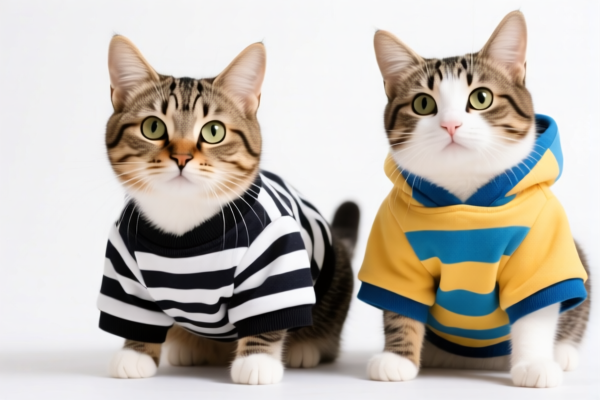
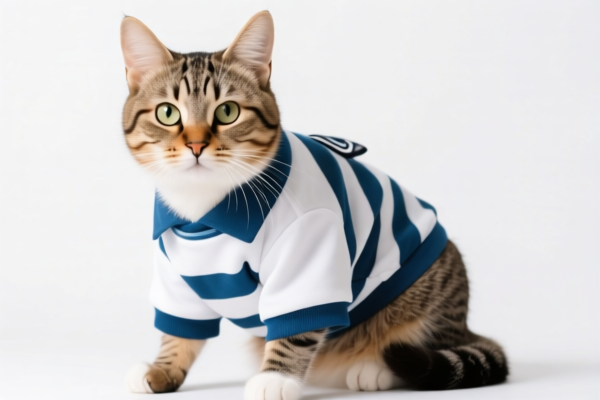
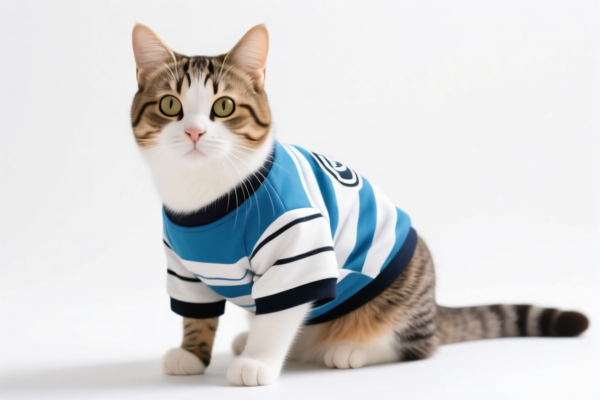
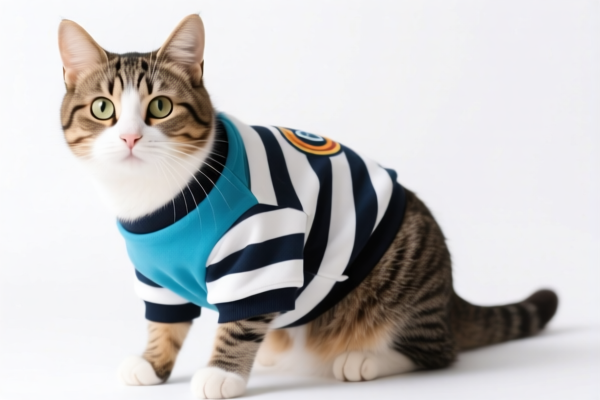
AI Analysis
🐱 Cat Clothes (Pet Apparel & Accessories)
🌐 HS Code Reference & Clearance Guide | 2026 Latest Tariff Analysis | Professional Customs Strategy
📌 Part 1: Product Definition & Classification – Do You Really Know "Cat Clothes"?
Cat clothes, often categorized under pet accessories or animal apparel, are primarily constructed from textile materials. In international trade, the classification depends heavily on the manufacturing method (woven vs. knitted) and the material composition. They are generally treated as finished consumer goods rather than simple accessories.
Textile Material Goods: Items made of woven fabric; Knitted or Crocheted Garments: Items made of knitted or crocheted fabric.
⚠️ Key Distinction Point:
- If the item is made of woven fabric (non-knitted) → Classified under Chapter 62 (Articles of Apparel and Clothing Accessories, Not Knitted or Crocheted).
- If the item is made of knitted or crocheted fabric → Classified under Chapter 61 (Articles of Apparel and Clothing Accessories, Knitted or Crocheted).
- Note: Customs often scrutinize "pet clothes" under human apparel chapters if they resemble small human garments, leading to varying duty rates based on specific subheadings for "other" garments.
📦 Part 2: HS Code Classification Details (2026 Latest Tariff Authority Comparison)
| HS Code | Product Description | Application Scenario | Material/Type |
|---|---|---|---|
6214.90.00.90 |
Other made-up textile articles (Finished Consumer Goods) | General textile pet apparel, non-specific woven items | ✅ Woven/Textile |
6114.20.00.55 |
Other knitted/crocheted garments (Cotton or Polyester) | Knitted pet clothes, potentially cotton/polyester blend | ✅ Knitted |
6114.20.00.60 |
Other knitted/crocheted garments (Women's/Infant's style) | Cat clothes inferred as women's/girls' style, cotton-based | ✅ Knitted |
6114.90.90.70 |
Other knitted/crocheted garments (Textile Material) | General knitted pet apparel, textile-based | ✅ Knitted |
6114.20.00.55 |
Other knitted/crocheted garments (Cotton/Blend) | Knitted pet clothes, cotton or mixed fiber | ✅ Knitted |
🔍 Key Reminder:
- Woven vs. Knitted is the primary differentiator. Most soft, stretchy cat sweaters are knitted (Chapter 61), while structured coats might be woven (Chapter 62).
- Chapter 62 (6214.90.00.90) is broadly used for "other textile articles" when specific garment types don't fit standard human clothing definitions, often resulting in higher duty burdens due to lack of specific "pet" classification in some tariff schedules.
- Chapter 61 codes vary significantly based on material (Cotton/Poly vs. Other) and perceived style (Women's/Infant's mimicry vs. General).
💰 Part 3: 2026 Latest Tariff Rate Breakdown (Including Additional Taxes & Policy Surcharges)
✅ Applicable Country: United States (US)
✅ Origin: China (CN)
✅ Effective Time: From November 10, 2025 (and subsequent imports)
🎯 1. 6214.90.00.90 —— Other Made-Up Textile Articles (Woven/General)
| Item | Content |
|---|---|
| Base Duty Rate | 11.3% (ad valorem) |
| Section 301 Additional Duty | +7.5% (Trade war tariffs) |
| Section 122 Duty | +10% (Specific trade measure) |
| Total Tax Rate | 28.8% |
| Tax Calculation | CIF Value × 28.8% |
| De Minimis Exemption Eligible | ❌ No (deny_de_minimis) |
| Legal Basis Path | Base Tariff → Sec. 301 (7.5%) → Sec. 122 (10%) |
📌 Explanation:
- This code often catches general textile goods not specifically exempted.
- Total 28.8% is a significant cost burden.
- The 122 Clause adds an extra layer of duty specifically targeting certain textile imports from China.
🎯 2. 6114.20.00.55 & 6114.20.00.60 —— Knitted Garments (Cotton/Polyester/Women's Style)
| Item | Content |
|---|---|
| Base Duty Rate | 10.8% (ad valorem) |
| Section 301 Additional Duty | +7.5% (Trade war tariffs) |
| Section 122 Duty | +10% (Specific trade measure) |
| Total Tax Rate | 28.3% |
| Tax Calculation | CIF Value × 28.3% |
| De Minimis Exemption Eligible | ❌ No (deny_de_minimis) |
| Legal Basis Path | Base Tariff → Sec. 301 (7.5%) → Sec. 122 (10%) |
📌 Note:
- Both6114.20.00.55and6114.20.00.60carry the same total duty of 28.3%.
-6114.20.00.55: Focuses on material (Cotton/Polyester) and general "other" knitted garments.
-6114.20.00.60: Often applied if the pet garment is structurally similar to women’s or children’s wear, which falls under specific knitted subheadings.
- Key Risk: Even with a slightly lower base rate (10.8% vs 11.3%), the additional tariffs push the total rate very high, comparable to the woven category.
🎯 3. 6114.90.90.70 —— Other Knitted/Crocheted Garments (Textile Material)
| Item | Content |
|---|---|
| Base Duty Rate | 5.6% (ad valorem) |
| Section 301 Additional Duty | 0.0% |
| Section 122 Duty | +10% (Specific trade measure) |
| Total Tax Rate | 15.6% |
| Tax Calculation | CIF Value × 15.6% |
| De Minimis Exemption Eligible | ❌ No (deny_de_minimis) |
| Legal Basis Path | Base Tariff → Sec. 122 (10%) |
📌 Critical Opportunity:
- This is the lowest duty option at 15.6%.
- Why is it lower? It appears to be exempt from Section 301 (7.5%) but still subject to Section 122 (10%).
- Caution: This code is specific to "Other" knitted garments. Misclassification to this code when goods fit6114.20(Cotton/Poly) can lead to customs audits and penalties. It must accurately reflect the product's material and structure.
🛠️ Part 4: Customs Clearance Practical Advice (Battle-Tested Pitfall Avoidance)
✅ 1. Required Documentation Checklist (Non-Negotiable)
| Document | Mandatory | Description |
|---|---|---|
| ✅ Product Specification Sheet | ✔️ | Detailed fabric composition (e.g., 100% Cotton vs. 50/50 Blend), knitting type, dimensions. |
| ✅ Technical Data/Photos | ✔️ | Clear photos showing the item’s structure (knitted vs. woven), labels, and tags. |
| ✅ Commercial Invoice | ✔️ | Must explicitly state "Pet Apparel" or "Cat Clothes" and describe material accurately. |
| ✅ Packing List | ✔️ | Itemized list to ensure no mixed shipments without proper declaration. |
| ✅ HS Code Confirmation | ✔️ | Pre-clearance ruling or expert opinion supporting the chosen HS Code (especially if using 6114.90.90.70). |
✅ 2. Declaration Strategies (Key Mantras)
🔥 “Material First, Structure Second, Code Accurate, Savings Possible!”
| Scenario | Correct Declaration Approach | Wrong Approach |
|---|---|---|
| Cotton Knitted Sweater | 6114.20.00.55 or .60 (28.3%) |
Misdeclare as .90 to get 15.6% → High Audit Risk |
| Woven Jacket | 6214.90.00.90 (28.8%) |
Declare as knitted → Rejection/penalty |
| Generic Knitted Pet Garment | 6114.90.90.70 (15.6%) |
Only if it truly doesn’t fit Cotton/Poly categories |
| Mixed Materials | Careful assessment of principal material | Guessing → Customs Valuation Issues |
✅ 3. Special Situations Handling
| Situation | Handling Advice |
|---|---|
| OEM Private Label | Provide manufacturing diagrams. Ensure labels match the declared material composition exactly. |
| "Human-Style" Pet Clothes | If it looks like a mini hoodie, it may be classified under women’s/children’s knitted garments (6114.20.00.60), not general pet goods. |
| Material Change | If switching from Cotton (10.8% base) to Acrylic/Wool (potentially different base), re-evaluate the code. |
| Section 122 Applicability | Note that Section 122 (10%) applies to most of these codes. It is a fixed cost you cannot avoid through 301 exemptions if the code is correct. |
🌍 Part 5: Global Market Clearance Comparison (2026 Latest)
| Country/Region | Recommended HS Code | Est. Duty Rate | Certification Requirements | Notes |
|---|---|---|---|---|
| 🇺🇸 USA | 6114.90.90.70 (Optimal) |
15.6% | Standard Import | High risk if misclassified. 6114.20 codes are 28.3%+. |
| 🇨🇳 China | 6114.20 / 6214 |
5-10% | None | Import duties are lower; focus on domestic sales tax. |
| 🇪🇺 EU | 6114.20 |
4-12% | REACH, OEKO-TEX | No Section 122 equivalent, but standard EU tariffs apply. |
| 🇬🇧 UK | 6114.20 |
4-12% | UKCA, REACH | Post-Brexit rules apply. |
| 🇦🇺 Australia | 6114.20 |
5-10% | Standard | GST applies on top. |
📌 Conclusion:
- The USA market is highly sensitive to textile classifications due to Section 301 and Section 122 duties.
- Optimizing for6114.90.90.70(15.6%) can save 12.7% in duties compared to cotton-specific codes (28.3%).
- However, accuracy is paramount. Customs may challenge the 15.6% rate if the item is clearly cotton or polyester, requiring back-payment of duties and penalties.
📌 Part 6: Common Errors & Pitfall Guide (Lessons Learned)
❌ Error 1: Declaring all pet clothes as 6114.90.90.70 to save money
👉 Consequence: If the item is 100% Cotton, customs will reclassify it to 6114.20, charging 28.3% + penalties.
Lesson: Material composition dictates the code. Do not guess.
❌ Error 2: Ignoring "Section 122" (10%)
👉 Consequence: Underestimating landed cost.
Lesson: Section 122 is often applicable to textile goods from China. Always factor in the 10% surcharge.
❌ Error 3: Confusing Woven (62) vs. Knitted (61)
👉 Consequence: Woven items misdeclared as knitted may face different inspection protocols or duty rates.
Lesson: Check the fabric weave. Stretchy = Knitted. Structured = Woven.
❌ Error 4: Using "Cat Clothes" as the only description
👉 Consequence: Customs may classify it under the most general (and often highest duty) basket.
Lesson: Use precise descriptions: "Knitted Cotton Cat Sweater" or "Woven Polyester Cat Coat".
✅ Best Practice:
“Knitted Pet Garment, 100% Acrylic, for Cats, Model XYZ”
(Check if Acrylic falls under6114.90for potential 15.6% duty, vs. Cotton’s 28.3%)
🎯 Part 7: Conclusion – Precision Classification, Profit Maximization!
🎯 Remember the Mantra:
🔹 “15.6% vs 28.3%: A 12.7% Gap Defined by Code Accuracy!”
🔹 “Section 122 is Real: Factor in the 10% Surcharge!”
🔹 “Material Dictates Chapter: Cotton is Expensive, Acrylic Might Be Cheaper!”
📌 Pro Tip:
If your cat clothes are made from synthetic fibers (like Acrylic or Nylon) and not Cotton/Polyester blends, they may qualify for the lower 15.6% rate under 6114.90.90.70.
Recommendation: Conduct a Material Composition Test and consult a customs broker for a Pre-Ruling before shipping high volumes.
📣 Take Action Now:
📞 Contact a Licensed Customs Broker
📄 Provide Fabric Swatches & Tech Packs
🚀 Apply for HS Code Pre-Ruling to Secure the 15.6% Rate!
✨ Professional Clearance Starts with Precise Classification!
💼 Every Percentage Point Saved is Pure Profit!
Customer Reviews
About HS Code Classification
The Harmonized System (HS) is an internationally standardized nomenclature developed by the World Customs Organization (WCO) to classify traded products. Over 200 countries use the HS system as the basis for customs tariffs, trade statistics, and import/export regulations.
Each HS code follows a hierarchical structure:
- Chapter (2 digits) — Broad category of goods (e.g., Chapter 84: Machinery and Mechanical Appliances)
- Heading (4 digits) — More specific grouping within the chapter
- Subheading (6 digits) — Internationally standardized breakdown, used by all WCO member countries
- National subdivisions (8-10 digits) — Country-specific extensions for further classification, such as US HTSUS 10-digit codes
Correct HS code classification is essential for smooth customs clearance, accurate duty payment, and compliance with trade regulations. Misclassification can lead to customs delays, overpayment of duties, or penalties.
When importing from CN to US, the applicable tariff rates may include:
- Most-Favored-Nation (MFN) rate — The standard duty rate applied to WTO members
- General rate — Applied to countries without trade agreements
- Trade remedy duties — Additional tariffs such as Section 301 (anti-dumping), Section 232 (national security), or countervailing duties
The information provided on this page is for reference purposes only. For official classification, please consult with your local customs authority or a licensed customs broker.