cathode material premixed powder
CN → US| HS Code | Tariff Rate | Origin | Destination | Doc |
|---|---|---|---|---|
| 285191 | 0.0% | CN | US | Official Doc |
| 382499 | 0.0% | CN | US | Official Doc |
| 3824993910 | 35.0% | CN | US | Official Doc |
| 3824993990 | 35.0% | CN | US | Official Doc |
Product Images
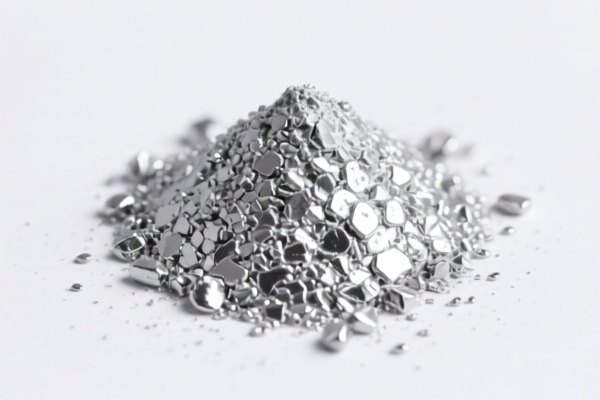
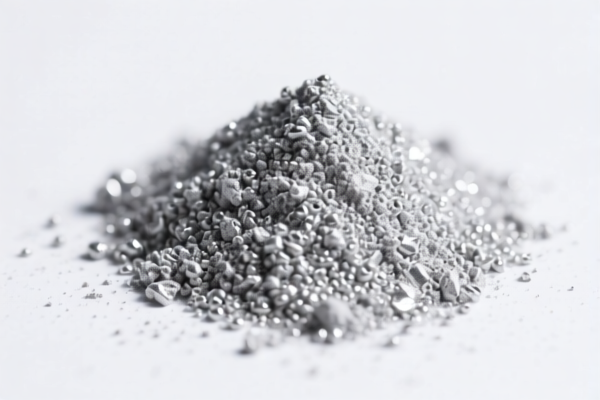
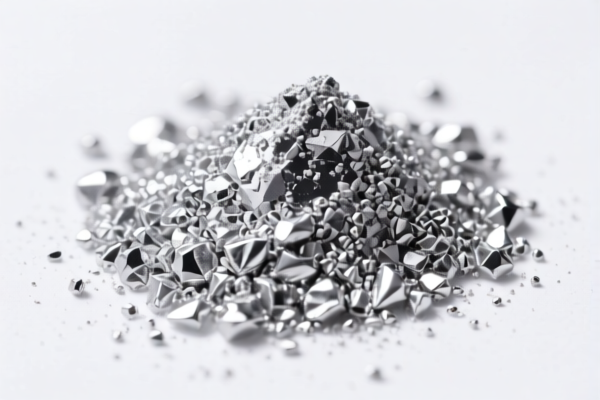
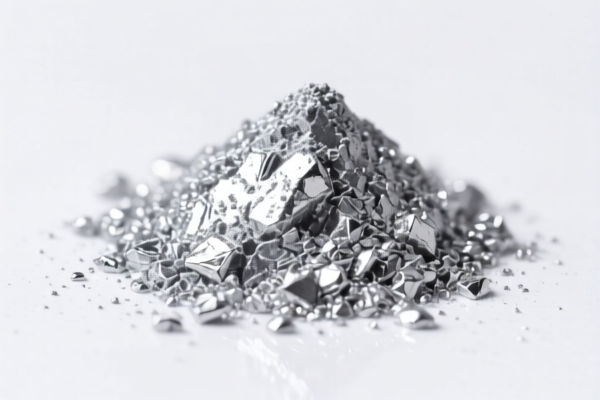
AI Analysis
🔋 Cathode Material Premixed Powder (Lithium-Ion Battery Electrodes)
🌐 HS Code Reference & Customs Clearance Guide | 2026 Latest Tariff Analysis | Professional Clearance Strategy
📌 I. Product Definition & Classification: What is "Cathode Material Premixed Powder"?
Cathode material premixed powder refers to the advanced chemical precursors used in the manufacturing of lithium-ion battery electrodes. These are not raw natural ores, but sophisticated chemical preparations designed for high-performance energy storage. In international trade, they are classified based on their chemical nature and stage of processing:
1. Chemical Mixtures (Inorganic Compounds):
Primarily composed of mixtures of two or more inorganic compounds, specifically targeting lithium nickel cobalt manganese oxides (NCM) or similar blends. These are often used as binders or specific chemical preparations for foundry molds or cores if processed specifically for that purpose, but more commonly fall under general chemical preparations.
2. Chemical Preparations for Batteries:
Premixed powders specifically formulated for use in battery electrodes. These are "prepared binders" or chemical products not specified elsewhere, designed to enhance conductivity and structural integrity in lithium-ion cells.
⚠️ Key Distinction Point:
- If the product is a pure mixture of inorganic compounds (like NCM oxides) not yet bound into a final electrode sheet → It may fall under 2851.91 or 3824.99.39.
- If the product is a premixed powder specifically for battery electrodes → It falls under 3824.99 as a prepared chemical product.
- Crucial Note: The exact HS code depends on whether the powder is considered a "chemical compound" (Chapter 28) or a "prepared chemical product/preparation" (Chapter 38). The DATA provided highlights Chapter 38 codes for "prepared binders" and "chemical products."
📦 II. HS Code Classification Details (2026 Latest Tariff Authority Comparison)
| HS Code | Product Description | Application Scenario | Tax Status (China Origin to US) |
|---|---|---|---|
3824.99.39.10 |
Mixtures of two or more inorganic compounds; Other; Other: Of lithium nickel cobalt manganese oxides | Specific NCM mixtures for binders or core molds | ✅ 25.0% (Base 0% + 25% Added) |
3824.99.39.90 |
Mixtures of two or more inorganic compounds; Other; Other: Other | General inorganic mixtures not elsewhere specified | ✅ 25.0% (Base 0% + 25% Added) |
2851.91 |
Other inorganic compounds, not elsewhere specified, including mixtures of cathode materials in powder form | Raw or semi-processed cathode powder mixtures | ❌ Error (Tax info unavailable) |
3824.99 |
Other chemical products and preparations, including premixed cathode material powders for battery electrodes | Pre-mixed powders for electrode production | ❌ Error (Tax info unavailable) |
🔍 Important Reminder:
- The DATA provided explicitly lists 3824.99.39.10 and 3824.99.39.90 with a 25.0% total tax.
- The entries for2851.91and3824.99show "Failed to retrieve tax information" or "Error". This indicates that while these codes describe the product, the specific tariff data is incomplete or requires further verification in the live customs database.
- Recommendation: For immediate clearance planning, rely on the 3824.99.39.xx series which has confirmed tax rates.
💰 III. 2026 Latest Tariff Rate Breakdown (Including Additional Taxes)
✅ Applicable Country: United States (US)
✅ Origin: China (CN)
✅ Effective Date: 2025/2026 (Based on provided DATA)
🎯 1. 3824.99.39.10 —— Mixtures of Lithium Nickel Cobalt Manganese Oxides
| Item | Content |
|---|---|
| Base Tariff | 0.0% (Ad Valorem) |
| Section 301 Additional Tariff | +25.0% |
| Total Tariff | 25.0% |
| Tax Calculation | CIF Value × 25% |
| De Minimis Exemption | ❌ Not Applicable (High-value chemical goods typically exclude de minimis) |
| Legal Basis Path | USITC:3824.99.39.10 → Section 301: 25% |
📌 Explanation:
- The base tariff for this specific chemical mixture is 0%, which is favorable.
- However, due to its origin (China), it is subject to a 25% additional tariff under Section 301.
- Total Effective Rate: 25%. This is a high-cost item for importers.
🎯 2. 3824.99.39.90 —— Other Mixtures of Inorganic Compounds
| Item | Content |
|---|---|
| Base Tariff | 0.0% |
| Section 301 Additional Tariff | +25.0% |
| Total Tariff | 25.0% |
| Tax Calculation | CIF Value × 25% |
| De Minimis Exemption | ❌ Not Applicable |
| Legal Basis Path | USITC:3824.99.39.90 → Section 301: 25% |
📌 Note:
- If the product does not strictly fit "Lithium Nickel Cobalt Manganese Oxides" but is still a "mixture of inorganic compounds," it falls under this broader category.
- The tax rate is identical (25%) to the specific NCM code.
- Misclassification here does not save cost; it only affects the specificity of the description.
⚠️ Regarding 2851.91 and 3824.99 (Tax Error)
| Item | Content |
|---|---|
| Base Tariff | Unknown (Data Error) |
| Section 301 Additional Tariff | Unknown (Data Error) |
| Total Tariff | Error |
| Recommendation | Do not rely on these codes for final clearance without manual verification. |
📌 Critical Warning:
- The system failed to retrieve tax info for these codes. This could mean they are subject to different rates, require additional scrutiny, or have complex anti-dumping duties.
- Action: Contact a customs broker to verify the current status of2851.91and3824.99. They might have different tax implications or require additional documentation.
🛠️ IV. Customs Clearance Practical Advice (Real-World Pitfall Guide)
✅ 1. Documentation Checklist (缺一不可)
| Document | Must Provide | Explanation |
|---|---|---|
| ✅ Product Specification Sheet | ✔️ | Must detail chemical composition (e.g., % of Li, Ni, Co, Mn). |
| ✅ Material Safety Data Sheet (MSDS) | ✔️ | Required for hazardous materials; confirms it's not a dangerous good. |
| ✅ Certificate of Origin (CO) | ✔️ | To prove origin for Section 301 assessment. |
| ✅ Commercial Invoice | ✔️ | Must clearly state "Cathode Material Premixed Powder" and HS Code. |
| ✅ Packaging List | ✔️ | Details net/gross weight, number of packages. |
| ✅ Declaration Statement | ✔️ | Confirming no other additives that would change classification. |
✅ 2. Declaration Tips (Key Mantra)
🔥 "Specify Composition, Use 3824, Avoid 2851 Trap!"
| Scenario | Correct Declaration | Wrong Practice |
|---|---|---|
| Pre-mixed powder for batteries | 3824.99.39.10 or 39.90 |
Using 2851.91 without verification → Risk of audit/fine. |
| Pure NCM Oxide Mixture | 3824.99.39.10 |
Describing as "Chemical Compound" vaguely → Delays. |
| Bulk Raw Material | 3824.99 (if verified) |
Misdeclaring as "Raw Ore" → Severe penalties. |
✅ 3. Special Situation Handling
| Situation | Handling Advice |
|---|---|
| OEM Custom Mixtures | Provide formula breakdown to justify 3824.99.39.10. |
| Small Sample Shipments | Still subject to 25% tariff; do not claim de minimis. |
| High-Value Shipments | Consider Advance Ruling to confirm HS Code and tax rate. |
| Anti-Dumping Concerns | Verify if any anti-dumping duties apply to Chinese cathode materials. |
🌍 V. Global Market Comparison (2026 Latest)
| Country/Region | Recommended HS Code | Tariff Rate | Certification Required | Notes |
|---|---|---|---|---|
| 🇺🇸 USA | 3824.99.39.10 |
25% | MSDS, CO | High tax cost due to Section 301. |
| 🇨🇳 China | 3824.99 |
Varies | CE, RoHS | No Section 301. |
| 🇪🇺 EU | 2851.91 or 3824.99 |
~0-6% | REACH, SDS | Lower tax, but strict REACH compliance. |
| 🇦🇺 Australia | 3824.99 |
~5% | SDS | No major anti-dumping. |
| 🇯🇵 Japan | 3824.99 |
~0-5% | JIS, SDS | Competitive rates. |
📌 Conclusion:
- USA has the highest barrier (25%) for Chinese-origin cathode materials.
- EU and Asia offer lower tariffs but require strict environmental/safety compliance (REACH, etc.).
- Supply Chain Strategy: If exporting to the US, consider sourcing from non-Chinese origins or using bonded warehouses to mitigate costs.
📌 VI. Common Errors & Pitfalls (Lessons Learned)
❌ Error 1: Using 2851.91 without verifying tax status
👉 Consequence: Tax "Error" leads to customs hold, delays, and potential audits.
✅ Solution: Stick to 3824.99.39.xx where tax is confirmed.
❌ Error 2: Mislabeling "Premixed Powder" as "Raw Material"
👉 Consequence: Incorrect classification, possible fraud charges.
✅ Solution: Use precise descriptions like "Premixed Cathode Powder for Battery Electrodes."
❌ Error 3: Ignoring Section 301 Tariffs
👉 Consequence: Unexpected 25% tax bill upon arrival.
✅ Solution: Factor 25% into cost calculations from day one.
❌ Error 4: Incomplete MSDS
👉 Consequence: Cargo rejected at port for safety reasons.
✅ Solution: Ensure MSDS is up-to-date and matches chemical composition.
🎯 VII. Conclusion: Professional Declaration, Cost Efficiency!
🎯 Remember the Mantra:
🔹 "Pre-mixed Powder = 3824, Tax = 25%, Avoid 2851 Trap!"
🔹 "HS Code Saves Money, Wrong Code Costs Double!"
📌 Pro Tip:
If your cathode material is sourced from Vietnam, Malaysia, or Thailand, you may qualify for preferential tariffs under USMCA or other FTAs.
Consider Advance Ruling to confirm HS Code and tax rate before shipment.
📣 Immediate Action:
📞 Contact Customs Broker + Provide Chemical Spec + Apply for Advance Ruling
🚀 Ensure Smooth Clearance, Reduce Costs, Maximize Profit!
✨ Professional Clearance Starts with Accurate Classification!
💼 Your Every Cent Counts in Chemical Trade!
Customer Reviews
About HS Code Classification
The Harmonized System (HS) is an internationally standardized nomenclature developed by the World Customs Organization (WCO) to classify traded products. Over 200 countries use the HS system as the basis for customs tariffs, trade statistics, and import/export regulations.
Each HS code follows a hierarchical structure:
- Chapter (2 digits) — Broad category of goods (e.g., Chapter 84: Machinery and Mechanical Appliances)
- Heading (4 digits) — More specific grouping within the chapter
- Subheading (6 digits) — Internationally standardized breakdown, used by all WCO member countries
- National subdivisions (8-10 digits) — Country-specific extensions for further classification, such as US HTSUS 10-digit codes
Correct HS code classification is essential for smooth customs clearance, accurate duty payment, and compliance with trade regulations. Misclassification can lead to customs delays, overpayment of duties, or penalties.
When importing from CN to US, the applicable tariff rates may include:
- Most-Favored-Nation (MFN) rate — The standard duty rate applied to WTO members
- General rate — Applied to countries without trade agreements
- Trade remedy duties — Additional tariffs such as Section 301 (anti-dumping), Section 232 (national security), or countervailing duties
The information provided on this page is for reference purposes only. For official classification, please consult with your local customs authority or a licensed customs broker.