cedar wood
CN → US| HS Code | Tariff Rate | Origin | Destination | Doc |
|---|---|---|---|---|
| 4407190076 | 35.0% | CN | US | Official Doc |
| 9403910080 | 35.0% | CN | US | Official Doc |
| 4418300100 | 38.2% | CN | US | Official Doc |
| 4407190068 | 35.0% | CN | US | Official Doc |
| 4407190076 | 35.0% | CN | US | Official Doc |
Product Images
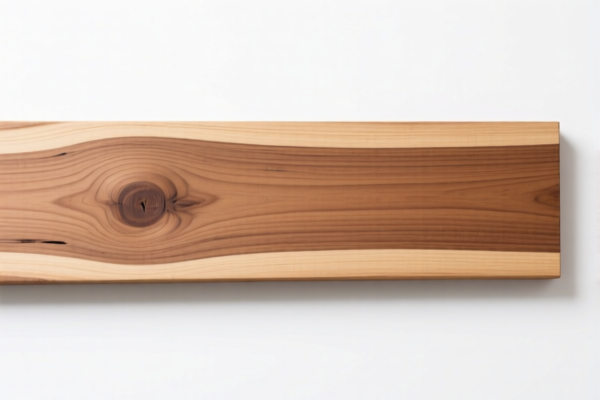
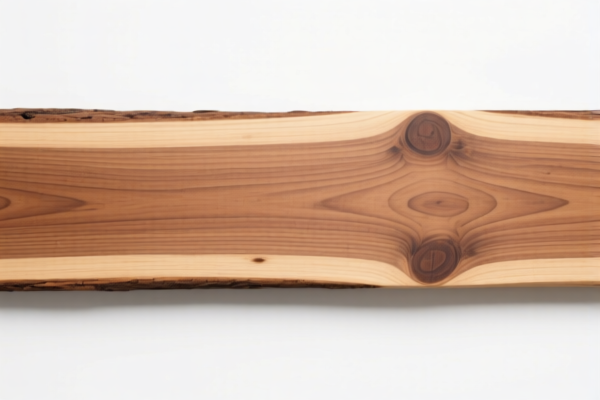
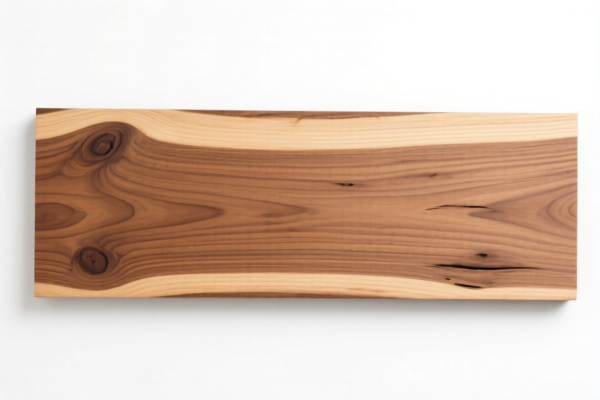
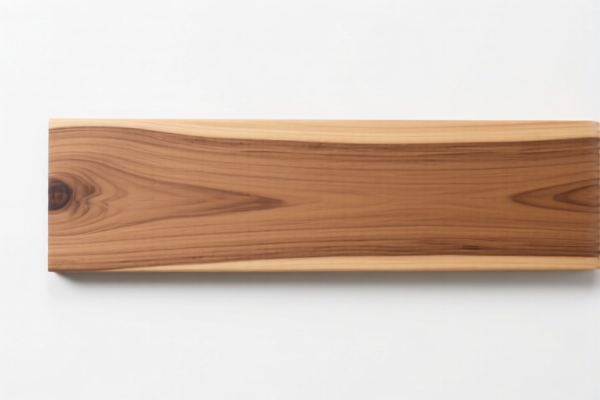
AI Analysis
🌲 Cedar Wood (雪松木材)
🌐 HS Code Reference & Customs Clearance Guide | 2026 Latest Tariff Analysis | Professional Clearance Strategy
📌 I. Product Definition & Classification: Do You Really Understand "Cedar Wood"?
Cedar wood is a high-value material widely used in construction, furniture, and luxury goods due to its natural resistance to rot, insects, and pleasant aroma. In international trade, its classification depends heavily on its state of processing (rough, sawn, or part of a finished product). The following classifications are derived strictly from the provided data for US imports from China.
⚠️ Key Distinction Point:
- Rough/Primary Processing (e.g., planed, sawn): Falls under Chapter 44 (Wood and Articles of Wood);
- Furniture Parts: Falls under Chapter 94 (Furniture) if specifically shaped for assembly;
- Construction Specifics: Some sawn cedar may fall under specific construction sub-headings with different duty structures.
📦 II. HS Code Classification Details (Based on Provided Data)
| HS Code | Product Description | Applicable Scenario | Tax Rate (Total) | Legal Basis Summary |
|---|---|---|---|---|
4407.19.00.76 |
Sawn wood of coniferous species, other than spruce, pine, or larch | General rough/semi-processed cedar; matches material and form criteria | 35.0% | Base: 0% + Section 301: 25% + Section 122: 10% |
9403.91.00.80 |
Parts of furniture of wood | Cedar wood components shaped for furniture assembly; no material/usage conflict | 35.0% | Base: 0% + Section 301: 25% + Section 122: 10% |
4418.30.01.00 |
Building wood, cedar | Sawn wood specifically for construction purposes; matches form requirements | 38.2% | Base: 3.2% + Section 301: 25% + Section 122: 10% |
4407.19.00.68 |
Coniferous wood, planed/sawn longitudinally | Primary form cedar (longitudinal sawing/slicing); matches Chapter 44 wood classification | 35.0% | Base: 0% + Section 301: 25% + Section 122: 10% |
4407.19.00.76 |
Building wood, cedar (processed) | Processed cedar wood fitting the general wood category under 4407 | 35.0% | Base: 0% + Section 301: 25% + Section 122: 10% |
🔍 Important Note:
-4418.30.01.00has a higher base duty (3.2%) compared to other cedar classifications (0%), resulting in a 38.2% total rate. This suggests specific construction wood may be treated differently.
- Most other cedar forms (4407.19.00.68/76,9403.91.00.80) share the same 35.0% total rate structure.
💰 III. 2026 Latest Tariff Rate Breakdown (Detailed Tax Clauses)
✅ Applicable Country: United States (US)
✅ Origin: China (CN)
✅ Effective Time: Based on current data structure (Section 301 & 122 implications)
🎯 1. 4407.19.00.76 & 4407.19.00.68 —— Sawn/Planed Cedar Wood (Non-Construction Specific or General)
| Item | Detail |
|---|---|
| Base Duty Rate | 0% (Ad Valorem) |
| Section 301 Additional Duty | +25% (Under USITC Footnote for Chinese goods) |
| Section 122 Duty | +10% (Specific clause applied to this classification) |
| Total Effective Rate | 35.0% |
| Tax Calculation | CIF Value × 35% |
| De Minimis Exemption | ❌ Not Applicable (High duty rates typically exclude de minimis benefits for bulk/commercial shipments) |
| Legal Pathway | USITC:4407.19.00.68/76 → Section 301: 25% → Section 122: 10% |
📌 Explanation:
- The 25% is the standard Section 301 tariff on Chinese wood products;
- The 10% is a specific Section 122 addition mentioned in the data;
- No base duty applies, making the total purely additive.
🎯 2. 9403.91.00.80 —— Wood Furniture Parts
| Item | Detail |
|---|---|
| Base Duty Rate | 0% |
| Section 301 Additional Duty | +25% |
| Section 122 Duty | +10% |
| Total Effective Rate | 35.0% |
| Tax Calculation | CIF Value × 35% |
| De Minimis Exemption | ❌ Not Applicable |
| Legal Pathway | USITC:9403.91.00.80 → Section 301: 25% → Section 122: 10% |
📌 Note:
- Even though it’s a "part," it’s still subject to the same surcharge structure as raw wood in this dataset;
- Ensure the item is clearly a furniture component (e.g., pre-cut shelf, chair leg) to justify this HS Code.
🎯 3. 4418.30.01.00 —— Construction-Specific Cedar Wood
| Item | Detail |
|---|---|
| Base Duty Rate | 3.2% |
| Section 301 Additional Duty | +25% |
| Section 122 Duty | +10% |
| Total Effective Rate | 38.2% |
| Tax Calculation | CIF Value × 38.2% |
| De Minimis Exemption | ❌ Not Applicable |
| Legal Pathway | USITC:4418.30.01.00 → Section 301: 25% → Section 122: 10% |
📌 Warning:
- This is the highest tax bracket in the provided data;
- Only use this code if the cedar is explicitly for construction purposes (e.g., decking, framing) and meets the specific form requirements of Chapter 44, Heading 4418.
🛠️ IV. Customs Clearance Practical Advice (Battle-Tested Tips)
✅ 1. Required Documentation Checklist
| Document | Mandatory | Explanation |
|---|---|---|
| ✅ Commercial Invoice | ✔️ | Must clearly state "Cedar Wood" and specify processing level (sawn, planed, part). |
| ✅ Packing List | ✔️ | Detail weight, dimensions, and quantity. |
| ✅ Product Specification | ✔️ | Include wood species (Cedar), treatment status (heat-treated, kiln-dried), and intended use (construction, furniture, raw). |
| ✅ ISF Filing (10+2) | ✔️ | Required for ocean freight to US. |
| ✅ Phytosanitary Certificate | ✔️ | Critical for wood products to prove freedom from pests. |
| ✅ Fumigation Certificate | ✔️ | Often required for raw wood shipments. |
✅ 2. Declaration Strategy (Key Rules)
🔥 "Clarify Form, Specify Use, Avoid Over-Splitting!"
| Scenario | Correct Declaration | Common Mistake |
|---|---|---|
| Raw/Sawn Cedar | 4407.19.00.76 or 4407.19.00.68 |
Declaring as "Furniture Part" → Audit risk |
| Cedar for Furniture Assembly | 9403.91.00.80 |
Declaring as raw wood → Missed part classification |
| Cedar for Building/Decking | 4418.30.01.00 |
Declaring as general wood → Paying 35% instead of 38.2%? No, check if 38.2% is applicable. If misclassified as 4407, you pay 35%. Wait! If it should be 4418 but is declared as 4407, you underpay tax (35% vs 38.2%), risking penalties. If declared as 4407 but is 4418, you may avoid the 3.2% base. However, customs may reclassify to 4418. |
| Mixed Shipment | Separate HS Codes for parts vs. raw wood | Bulk declaration → Delay or penalty |
✅ 3. Special Case Handling
| Case | Handling Advice |
|---|---|
| Heat-Treated (HT) vs. Kiln-Dried (KD) | Specify in description. HT may require specific ISPM 15 markings for raw wood. |
| Mixed Species | If cedar is mixed with other woods, classify based on principal material or highest value. |
| Customs Pre-Ruling | Recommended for large shipments to confirm 4407 vs 4418 distinction. |
| Section 122 Applicability | Verify if Section 122 is still active for this specific HS Code at time of entry. |
🌍 V. Global Market Clearance Comparison (2026)
| Region | Recommended HS Code (Approx.) | Estimated Duty | Key Requirement |
|---|---|---|---|
| 🇺🇸 USA | 4407.19.00.76 / 4418.30.01.00 |
35% - 38.2% | ISPM 15, Phyto Cert |
| 🇨🇳 China | 4407.19.00 |
~5-10% | Standard Import Procedures |
| 🇪🇺 EU | 4407.10 |
~0-6.5% | FLEGT License (if applicable) |
| 🇬🇧 UK | 4407.19 |
~0-5% | Post-Brexit Import Rules |
📌 Conclusion:
- The US market imposes the highest effective tariffs on Chinese cedar wood due to Section 301 and Section 122;
- EU/UK are more favorable, but require strict sustainability documentation.
📌 VI. Common Mistakes & Pitfalls (Blood Lessons)
❌ Mistake 1: Declaring all cedar as 4407 to avoid 4418's higher base duty
👉 Consequence: If customs determines the wood is explicitly for construction, they may reclassify to 4418.30.01.00 (38.2%), leading to underpayment penalties and delays.
❌ Mistake 2: Ignoring Phytosanitary Requirements
👉 Consequence: Shipment held or destroyed at US port if pest-free certification is missing.
❌ Mistake 3: Vague Description "Wood"
👉 Consequence: Customs may classify under highest duty or general wood, causing audit flags.
✅ Correct Approach:
"Cedar Wood, Sawn, Kiln-Dried, Heat-Treated, for Furniture Use, HS 4407.19.00.76"
🎯 VII. Conclusion: Professional Declaration, Cost Control
🎯 Remember:
🔹 "Form Determines Code, Use Determines Duty"
🔹 "Section 301 + 122 = 35% Base, Plus 3.2% for Construction Wood"
📌 Pro Tip:
If your cedar is not originating from China, you may avoid the 25% Section 301 tariff. However, Section 122 may still apply depending on current US trade laws. Always verify country of origin and processing history.
📣 Action Required:
📞 Consult with a licensed customs broker for HS Code pre-classification
🚀 Ensure Phytosanitary certificates are issued prior to shipment
💼 Accurate declaration saves costs, time, and legal risks!
✨ Professional clearance starts with precise classification!
💼 Every dollar of duty saved is pure profit!
Customer Reviews
About HS Code Classification
The Harmonized System (HS) is an internationally standardized nomenclature developed by the World Customs Organization (WCO) to classify traded products. Over 200 countries use the HS system as the basis for customs tariffs, trade statistics, and import/export regulations.
Each HS code follows a hierarchical structure:
- Chapter (2 digits) — Broad category of goods (e.g., Chapter 84: Machinery and Mechanical Appliances)
- Heading (4 digits) — More specific grouping within the chapter
- Subheading (6 digits) — Internationally standardized breakdown, used by all WCO member countries
- National subdivisions (8-10 digits) — Country-specific extensions for further classification, such as US HTSUS 10-digit codes
Correct HS code classification is essential for smooth customs clearance, accurate duty payment, and compliance with trade regulations. Misclassification can lead to customs delays, overpayment of duties, or penalties.
When importing from CN to US, the applicable tariff rates may include:
- Most-Favored-Nation (MFN) rate — The standard duty rate applied to WTO members
- General rate — Applied to countries without trade agreements
- Trade remedy duties — Additional tariffs such as Section 301 (anti-dumping), Section 232 (national security), or countervailing duties
The information provided on this page is for reference purposes only. For official classification, please consult with your local customs authority or a licensed customs broker.