ceramic frying pan set
CN → US| HS Code | Tariff Rate | Origin | Destination | Doc |
|---|---|---|---|---|
| 6911108010 | 38.3% | CN | US | Official Doc |
| 6911108090 | 38.3% | CN | US | Official Doc |
| 6912003550 | 19.8% | CN | US | Official Doc |
Product Images
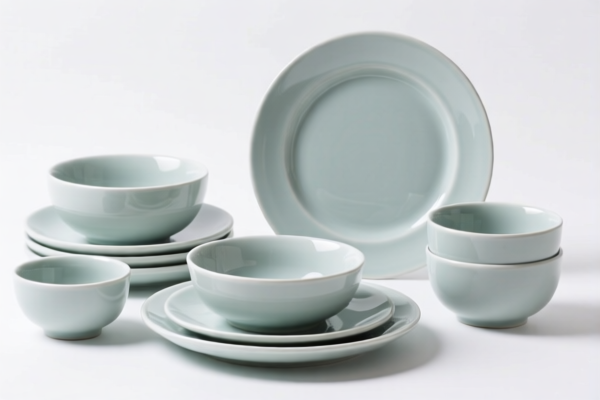
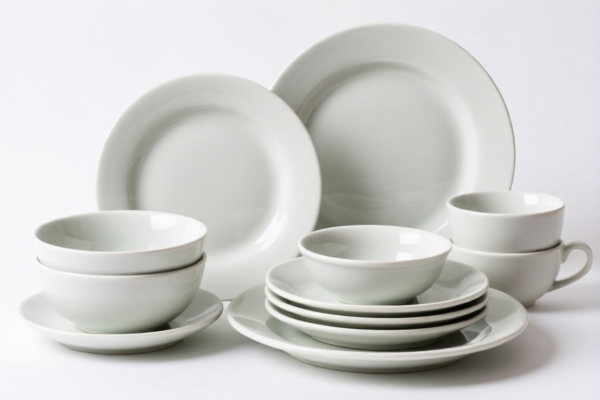
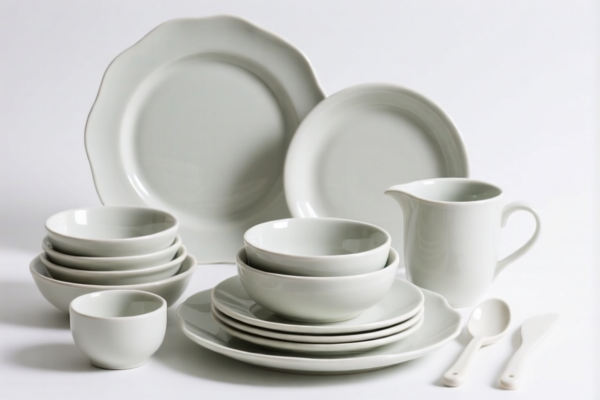
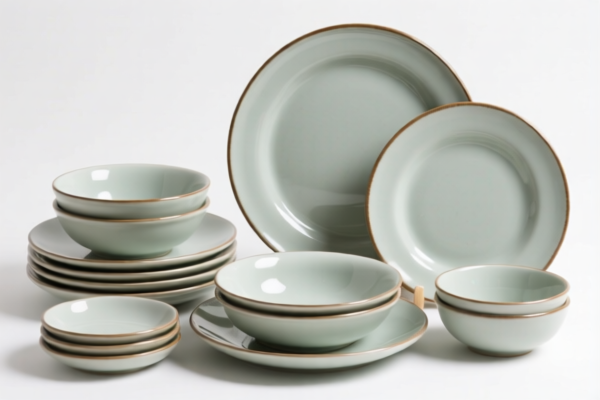
AI Analysis
🍳 Ceramic Frying Pan Set (Ceramic Cookware)
🌐 HS Code Reference & Customs Clearance Guide | 2026 Latest Tariff Analysis | Professional Clearance Strategy
📌 1. Product Definition & Classification: Do You Really Know “Ceramic Frying Pans”?
Ceramic frying pans are kitchen utensils primarily used for cooking, specifically for frying eggs or other foods. In international trade, they fall under the category of household ceramic articles and food contact products.
However, the specific HS Code depends heavily on the primary use and classification hierarchy in the Harmonized System: * Kitchen Utensils (Chapters 6911/6912): Generally, ceramic kitchenware is classified under Chapter 69 (Ceramic Products). * Distinction is Key: Whether it is classified as "Tableware/Kitchenware" (6911) or "Other Ceramic Articles" (6912) significantly impacts the tax burden due to different base rates and additional tariffs.
⚠️ Critical Distinction:
- If the pan is explicitly classified as tableware or kitchen utensils (common for consumer-grade frying pans) → It falls under 6911 or 6912 depending on specific sub-headings.
- The provided data highlights three specific classifications for ceramic pans, reflecting different interpretations of "kitchen use" vs. "general ceramic goods."
📦 2. HS Code Classification Details (Based on Provided Data)
| HS Code | Product Description | Category Scope | Base Tariff | Additional Tariffs | Total Tax Rate |
|---|---|---|---|---|---|
6911.10.80.10 |
Ceramic material; used for frying eggs; classified as kitchen utensils and food contact products. | Kitchen Utensils / Food Contact | 20.8% | Additional: 7.5% Section 122: 10% |
38.3% |
6911.10.80.90 |
Ceramic material; purpose: cookware/frying pan; form: tableware/cookware category. | Tableware / Cookware | 20.8% | Additional: 7.5% Section 122: 10% |
38.3% |
6912.00.35.50 |
Ceramic material; purpose: kitchen supplies; classified under other categories of cookware. | Other Ceramic Articles | 9.8% | Additional: 0.0% Section 122: 10% |
19.8% |
🔍 Key Insight:
-6911.xxxxcodes attract a higher base tariff (20.8%) but are standard for dedicated kitchen/tableware items.
-6912.00.35.50offers a significantly lower base tariff (9.8%) but still incurs the Section 122 tariff.
- Total Tax Variance: Choosing6912vs.6911results in a 18.5% difference in total tax liability (19.8% vs. 38.3%). This is a critical cost-saving opportunity if legally justifiable.
💰 3. Detailed Tax Rate Breakdown (2026 Latest Tariffs)
✅ Applicable Countries: United States (US)
✅ Origin: China (CN) (Implied by Section 122 and Additional Tariffs context)
✅ Effective Time: Current as of 2026 Data Provided
🎯 1. 6911.10.80.10 & 6911.10.80.90 —— Ceramic Kitchen Utensils / Tableware
| Item | Details |
|---|---|
| Base Tariff | 20.8% (Standard MFN/China rate for this subheading) |
| Additional Tariff | +7.5% (Section 301/Retaliatory tariffs typically apply to Chinese ceramic goods) |
| Section 122 Tariff | +10% (Specific provision for ceramic cookware/tableware under Section 122) |
| Total Effective Rate | 38.3% |
| Calculation Basis | CIF Value × 38.3% |
| De Minimis Exemption | ❌ Not Eligible (High tariff rates generally exclude de minimis relief for commercial shipments) |
| Legal Basis Path | HTSUS:6911.10.80 → Section 122: 10% → USITC: 7.5% Additional |
📌 Explanation:
- The 38.3% total rate is substantial. It combines the high base duty for tableware (20.8%) with two layers of punitive/special tariffs.
- Section 122 specifically targets ceramic goods, adding an extra 10% on top of existing duties.
- Recommendation: If your product fits the definition for6912, switch codes to save 18.5% in taxes.
🎯 2. 6912.00.35.50 —— Other Ceramic Kitchen Supplies
| Item | Details |
|---|---|
| Base Tariff | 9.8% (Lower base rate for "Other" ceramic articles) |
| Additional Tariff | +0.0% (No Section 301 additional tariff for this specific subheading in provided data) |
| Section 122 Tariff | +10% (Still applies to ceramic cookware under Section 122) |
| Total Effective Rate | 19.8% |
| Calculation Basis | CIF Value × 19.8% |
| De Minimis Exemption | ❌ Not Eligible |
| Legal Basis Path | HTSUS:6912.00.35 → Section 122: 10% |
📌 Explanation:
- This is the most cost-effective classification in the provided dataset.
- By classifying the pan as "Other ceramic kitchen supplies" rather than "Tableware/Kitchen Utensils," you avoid the 7.5% additional tariff and benefit from a lower base rate.
- Savings: 18.5% lower than6911codes.
🛠️ 4. Customs Clearance Practical Advice (Battle-Proven Tips)
✅ 1. Documentation Checklist (Essential)
| Document | Required? | Purpose |
|---|---|---|
| ✅ Product Specification Sheet | ✔️ | Must clearly state: Material (100% Ceramic), Use (Frying Cookware), Size, Capacity. |
| ✅ Product Photos | ✔️ | Show the pan’s shape, handle, interior glaze. Prove it’s a frying pan, not a decorative plate. |
| ✅ Commercial Invoice | ✔️ | Description must match HS Code intent: "Ceramic Frying Pan, Kitchen Utensil" or "Ceramic Cookware, Non-Tableware." |
| ✅ Packing List | ✔️ | Detail quantity per box. |
| ✅ Certificate of Origin (CO) | ✔️ | Required for proving origin (China) to apply correct Section 122 tariffs. |
| ✅ Food Contact Compliance | ✔️ | If claiming "Food Contact Product," provide FCC/FDA compliance docs to avoid rejection. |
✅ 2. Classification Strategy (Key Mantra)
🔥 “Use Defines Code, Not Just Material!”
| Scenario | Recommended HS Code | Tax Rate | Reason |
|---|---|---|---|
| Standard Consumer Frying Pan (Intended for daily cooking) | 6912.00.35.50 |
19.8% | Lower base tariff + no Section 301 add-on. Best for cost savings. |
| Premium/Table-Grade Ceramic Pan (Marketed as Tableware/Dinnerware) | 6911.10.80.10 / .90 |
38.3% | Higher base tariff + Section 122 + Additional 7.5%. Only if legally required. |
| Ceramic Baking Dish (Not for frying) | Check HTSUS | Varies | Ensure it’s not misclassified as a frying pan. |
⚠️ Warning:
- Do NOT arbitrarily choose6912if the product is clearly marketed and used as tableware (e.g., sold in sets with plates, bowls). Customs may reclassify it to6911and impose penalties.
- Use6912only if the pan is strictly defined as cookware/kitchen supply and not part of a table service.
✅ 3. Special Cases & Pitfalls
| Situation | Handling Advice |
|---|---|
| OEM Custom Pans | Provide design drawings. If no brand, emphasize "Functional Cookware" over "Brand-Name Tableware." |
| Mixed Sets | If a set contains plates + pans, the entire set may be classified as Tableware (6911) → Higher tax. Avoid mixing if possible. |
| Non-Stick Coating | If the ceramic pan has a PTFE/non-stick layer, it may still be classified under ceramic codes if ceramic is the primary material. Declare accurately. |
| Section 122 Applicability | Both 6911 and 6912 codes in the data include 10% Section 122. This is unavoidable for ceramic cookware. Focus on saving the base tariff + additional tariff. |
🌍 5. Global Market Comparison (2026)
| Country/Region | Recommended HS Code | Total Tax Rate | Key Certification | Notes |
|---|---|---|---|---|
| 🇺🇸 USA | 6912.00.35.50 |
19.8% | FDA (Food Contact) | Best option: Saves 18.5% vs 6911. |
| 🇺🇸 USA | 6911.10.80.10 |
38.3% | FDA (Food Contact) | High tax burden. Avoid if 6912 is feasible. |
| 🇪🇺 EU | 6912.00.35.50 |
~6-9% | CE, LFGB | No Section 122. Lower overall cost. |
| 🇨🇳 China | 6912.00.35.50 |
9.8% | CCC (if applicable) | Base rate only. No Section 122. |
📌 Conclusion:
- USA Market:6912.00.35.50is the strategic choice to minimize costs from 38.3% to 19.8%.
- EU/China: Lower base rates make classification less critical for cost, but6912remains standard for non-tableware ceramics.
📌 6. Common Errors & Pitfalls (Lessons Learned)
❌ Error 1: Classifying all ceramic kitchen items under 6911 (Tableware).
👉 Consequence: Paying 38.3% tax instead of 19.8%. Unnecessary cost increase.
👉 Fix: Define product strictly as "Cookware" or "Kitchen Supply" for 6912.
❌ Error 2: Ignoring Section 122 Tariff.
👉 Consequence: Customs may still apply 10% if the product is deemed "Ceramic Cookware."
👉 Fix: Prepare for the 10% Section 122 tariff regardless of code choice.
❌ Error 3: Mixing Tableware and Cookware in one shipment.
👉 Consequence: Entire shipment reclassified to Tableware (6911) → 38.3% on all items.
👉 Fix: Ship cookware and tableware separately with distinct HS Codes.
✅ Correct Declaration Example:
"Ceramic Frying Pan, 10-inch, Non-Stick Coated, Kitchen Cookware, Not for Table Display, Model XYZ, Food-Grade Ceramic"
🎯 7. Conclusion: Professional Classification Saves Money!
🎯 Key Takeaway:
🔹 “For Ceramic Pans, Choose
6912to Save 18.5% in Tariffs!”
🔹 “Tableware vs. Cookware is the Key Decision. Declare ‘Cookware’ for Lower Tax.”
🔹 “Always Budget for 10% Section 122 Tariff on Ceramic Goods.”
📌 Pro Tip:
If you are exporting to the USA, consult a customs broker to confirm that your specific frying pan design qualifies for 6912.00.35.50 and not 6911. A small change in product description can lead to thousands of dollars in savings.
📣 Immediate Action:
📞 Contact a Customs Broker + Provide Product Photos + Request HS Code Advance Ruling
🚀 Optimize Your Supply Chain, Reduce Duties, Maximize Profit!
✨ Professional Clearance Starts with Precise Classification!
💼 Every Percent Matters in Global Trade!
Customer Reviews
About HS Code Classification
The Harmonized System (HS) is an internationally standardized nomenclature developed by the World Customs Organization (WCO) to classify traded products. Over 200 countries use the HS system as the basis for customs tariffs, trade statistics, and import/export regulations.
Each HS code follows a hierarchical structure:
- Chapter (2 digits) — Broad category of goods (e.g., Chapter 84: Machinery and Mechanical Appliances)
- Heading (4 digits) — More specific grouping within the chapter
- Subheading (6 digits) — Internationally standardized breakdown, used by all WCO member countries
- National subdivisions (8-10 digits) — Country-specific extensions for further classification, such as US HTSUS 10-digit codes
Correct HS code classification is essential for smooth customs clearance, accurate duty payment, and compliance with trade regulations. Misclassification can lead to customs delays, overpayment of duties, or penalties.
When importing from CN to US, the applicable tariff rates may include:
- Most-Favored-Nation (MFN) rate — The standard duty rate applied to WTO members
- General rate — Applied to countries without trade agreements
- Trade remedy duties — Additional tariffs such as Section 301 (anti-dumping), Section 232 (national security), or countervailing duties
The information provided on this page is for reference purposes only. For official classification, please consult with your local customs authority or a licensed customs broker.