ceramic grater
CN → US| HS Code | Tariff Rate | Origin | Destination | Doc |
|---|---|---|---|---|
| 6914108000 | 44.0% | CN | US | Official Doc |
| 6914908000 | 40.6% | CN | US | Official Doc |
| 8210000000 | 38.7% | CN | US | Official Doc |
| 8210000000 | 38.7% | CN | US | Official Doc |
| 6911108010 | 38.3% | CN | US | Official Doc |
| 6911108090 | 38.3% | CN | US | Official Doc |
Product Images
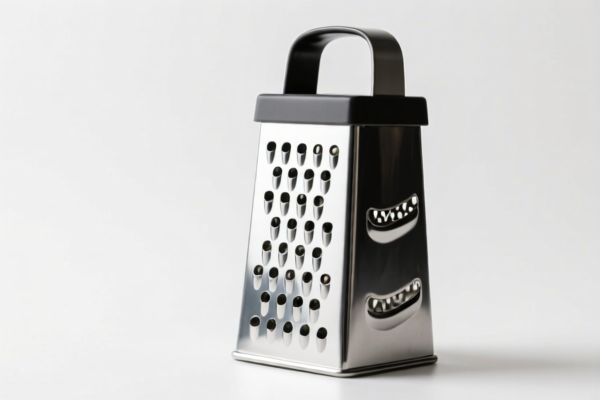
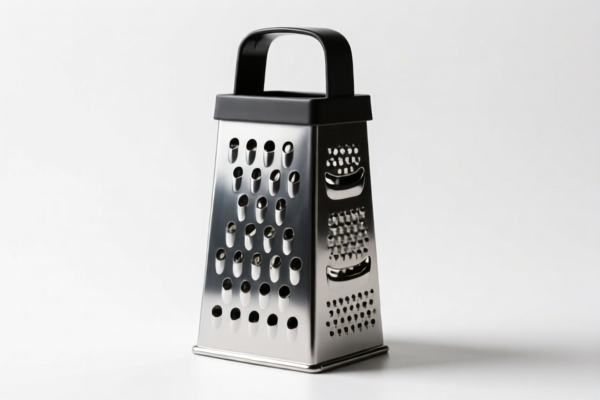
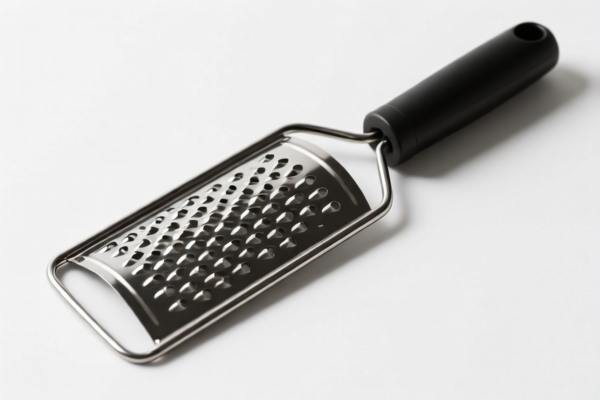
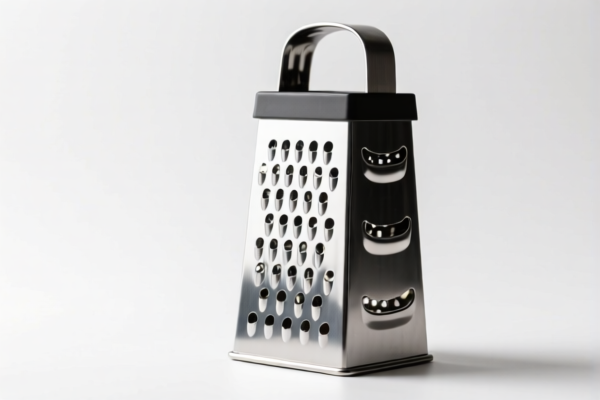
AI Analysis
🧀 Ceramic Grater (Kitchenware)
🌐 HS Code Reference & Customs Clearance Guide | 2026 Latest Tariff Analysis | Professional Entry Strategy
📌 I. Product Definition & Classification: Do You Really Understand a "Ceramic Grater"?
A ceramic grater is a hand-operated kitchen tool, typically made of porcelain or china, used for grating, zesting, or shredding food items such as cheese, citrus zest, or spices. In international trade, it is categorized under Chapter 69 (Ceramic Products), specifically as "Tableware, kitchenware, other household articles and toilet articles, of porcelain or china."
Key Distinction:
- Tableware vs. Other Ceramic Articles:
- If the item is explicitly designed for food or drink contact (e.g., grating cheese directly onto a plate), it is classified as Tableware/Kitchenware (Heading 6911).
- If it is a general-purpose ceramic item not suitable for food contact (e.g., decorative grater, industrial abrasive tool, or non-food use), it falls under Other Ceramic Articles (Heading 6914).
⚠️ Critical Decision Point:
- Food-Contact Use: Must be classified under 6911.xxxxxx (Tableware/Kitchenware).
- Non-Food/General Use: Classified under 6914.xxxxxx (Other Ceramic Articles).
📦 II. HS Code Classification Details (2026 Latest Tariff Authority Comparison)
Based on the provided data, here are the possible HS Codes and their corresponding tax implications:
| HS Code | Product Description | Applicable Scenario | Food Contact Suitability |
|---|---|---|---|
6911.10.80.10 |
Tableware, kitchenware, other household articles and toilet articles, of porcelain or china: Tableware and kitchenware: Other: Other: Other: Other: Other Suitable for food or drink contact | Ceramic grater used for grating cheese, zest, etc. | ✅ Yes |
6911.10.80.90 |
Tableware, kitchenware, other household articles and toilet articles, of porcelain or china: Tableware and kitchenware: Other: Other: Other: Other: Other | Ceramic grater not specifically designated for food contact (or general kitchen item) | ❌ No/General |
6914.10.80.00 |
Other ceramic articles: Of porcelain or china: Other | Ceramic item not classified as tableware (e.g., decorative, non-food use) | ❌ No |
6914.90.80.00 |
Other ceramic articles: Other: Other | General ceramic articles not covered elsewhere | ❌ No |
8210.00.00.00 |
Hand-operated mechanical appliances, weighing 10 kg or less, used in the preparation, conditioning or serving of food or drink, and base metal parts thereof | Metal grater (if the grating surface is metal, even if handle is ceramic) | ✅ Yes |
🔍 Key Clarification:
- If the grater is entirely ceramic, it falls under 6911 or 6914.
- If the grater has a metal grating surface (even if the handle is ceramic), it may be classified under 8210.00.00.00 as a "hand-operated mechanical appliance."
- Note: The provided data includes8210.00.00.00with a low tax rate (3.7%), but this applies only if the primary function is mechanical and it meets the "hand-operated appliance" criteria. For purely ceramic graters, 6911 is the standard classification.
💰 III. 2026 Latest Tariff Rate Details (Including Additional Taxes, Policy Add-ons)
✅ Applicable Country: United States (US)
✅ Origin: China (CN)
✅ Effective Date: Current rates apply as per 2026 tariff schedule
🎯 1. 6911.10.80.10 — Ceramic Grater (Food Contact)
| Item | Content |
|---|---|
| Base Tariff | 20.8% |
| Additional Tariff (Section 301) | 7.5% |
| Total Tax Rate | 28.3% |
| Tax Calculation | CIF Value × 28.3% |
| De Minimis Eligibility | ❌ Not Eligible (High tax rate prevents de minimis exemption) |
| Legal Basis Path | HTSUS:6911.10.80.10 → Section 301 Footnote |
📌 Explanation:
- This classification applies to ceramic graters explicitly suitable for food contact.
- The 28.3% total rate combines the base tariff (20.8%) and the Section 301 additional tariff (7.5%).
- High Risk: Misclassification can lead to significant back taxes and penalties.
🎯 2. 6911.10.80.90 — Ceramic Grater (Non-Food/General Kitchen)
| Item | Content |
|---|---|
| Base Tariff | 20.8% |
| Additional Tariff (Section 301) | 7.5% |
| Total Tax Rate | 28.3% |
| Tax Calculation | CIF Value × 28.3% |
| De Minimis Eligibility | ❌ Not Eligible |
| Legal Basis Path | HTSUS:6911.10.80.90 → Section 301 Footnote |
📌 Note:
- The tax rate is identical to6911.10.80.10but the description differs.
- Use this code if the grater is not explicitly marketed for food contact (e.g., decorative item).
🎯 3. 6914.10.80.00 — Other Ceramic Articles (Porcelain/China)
| Item | Content |
|---|---|
| Base Tariff | 0.0% |
| Additional Tariff (Section 301) | 0.0% |
| Total Tax Rate | 0.0% |
| Tax Calculation | CIF Value × 0.0% |
| De Minimis Eligibility | ✅ Eligible (if value <$800) |
| Legal Basis Path | HTSUS:6914.10.80.00 |
📌 Explanation:
- This code applies to non-tableware ceramic items.
- Low Risk: 0% tariff makes this highly favorable if the item can be classified as "Other Ceramic Articles."
- Caution: Must not be intended for food contact; otherwise, it is misclassified.
🎯 4. 6914.90.80.00 — Other Ceramic Articles (Other)
| Item | Content |
|---|---|
| Base Tariff | 5.6% |
| Additional Tariff (Section 301) | 25.0% |
| Total Tax Rate | 30.6% |
| Tax Calculation | CIF Value × 30.6% |
| De Minimis Eligibility | ❌ Not Eligible |
| Legal Basis Path | HTSUS:6914.90.80.00 → Section 301 Footnote |
📌 Note:
- This is the highest tax rate among ceramic items.
- Avoid this classification if possible; prefer6914.10.80.00(0%) or6911(28.3%) if applicable.
🎯 5. 8210.00.00.00 — Hand-Operated Mechanical Appliances (Metal Parts)
| Item | Content |
|---|---|
| Base Tariff | 3.7% |
| Additional Tariff (Section 301) | 0.0% |
| Total Tax Rate | 3.7% |
| Tax Calculation | CIF Value × 3.7% |
| De Minimis Eligibility | ✅ Eligible (if value <$800) |
| Legal Basis Path | HTSUS:8210.00.00.00 |
📌 Explanation:
- This code applies if the grater is considered a hand-operated mechanical appliance (e.g., metal grating surface).
- Lowest Tax Rate: 3.7% is significantly lower than ceramic classifications.
- Requirement: Must have base metal parts (e.g., metal grating blades). If purely ceramic, this code does not apply.
🛠️ IV. Customs Clearance Practical Advice (Battle-Tested Pitfall Avoidance Guide)
✅ 1. Documentation Checklist (Mandatory)
| Document | Required | Notes |
|---|---|---|
| ✅ Product Specification Sheet | ✔️ | Include material (ceramic/metal), weight, dimensions, usage (food/non-food). |
| ✅ Product Photos (Clear) | ✔️ | Show the grating surface (ceramic teeth vs. metal blades). |
| ✅ Commercial Invoice | ✔️ | Clearly state "Ceramic Grater" or "Kitchen Grater." Avoid vague terms like "Household Tool." |
| ✅ Material Declaration | ✔️ | Specify if the grating surface is ceramic or metal. |
| ✅ Food Contact Statement (if applicable) | ✔️ | If claiming 6911, provide a statement confirming food-safe certification (e.g., FDA, LFGB). |
| ✅ Packing List | ✔️ | Ensure weight and dimensions match the invoice. |
✅ 2. Declaration Tips (Key Mantra)
🔥 "Ceramic for food? 6911! Metal blade? 8210! Decorative? 6914!"
| Scenario | Correct HS Code | Wrong Action |
|---|---|---|
| Ceramic grater, food-safe | 6911.10.80.10 (28.3%) |
Misclassifying as 6914 → 0% risk of penalty |
| Ceramic grater, non-food/decorative | 6914.10.80.00 (0%) |
Misclassifying as 6911 → 28.3% overpayment |
| Grater with metal blades | 8210.00.00.00 (3.7%) |
Misclassifying as ceramic → 3.7% savings lost |
| Mixed materials (ceramic handle, metal blade) | 8210.00.00.00 |
Misclassifying as ceramic → 3.7% savings lost |
✅ 3. Special Case Handling
| Scenario | Handling Advice |
|---|---|
| OEM Custom Grater | Provide design specs to prove material composition. |
| Grater with Wooden Handle + Ceramic Blade | Classified as ceramic (6911 or 6914) if ceramic is the primary functional part. |
| Grater with Plastic Handle + Metal Blade | Classified as 8210 (metal appliance). |
| Gift Set (Grater + Bowl) | Declare separately to avoid mixed classification issues. |
🌍 V. Global Market Comparison (2026 Latest)
| Country/Region | Recommended HS Code | Tariff | Certification | Notes |
|---|---|---|---|---|
| 🇺🇸 USA | 6911.10.80.10 |
28.3% | FDA (if food contact) | High tax; ensure accurate classification |
| 🇨🇳 China | 6911.10.80.10 |
20.8% | CCC (if applicable) | No Section 301 tax |
| 🇪🇺 EU | 6911.10.80.10 |
6.0% | CE, LFGB | Lower base tariff; no Section 301 |
| 🇬🇧 UK | 6911.10.80.10 |
6.0% | UKCA | Post-Brexit rules apply |
| 🇦🇺 Australia | 6911.10.80.10 |
5.0% | SAA | Low tariff |
📌 Conclusion:
- USA has the highest effective tariff due to Section 301.
- Metal-blade graters (8210) offer a 3.7% tariff in the US, significantly cheaper than ceramic.
- If your product has a metal grating surface, classify under8210to save ~24.6% in taxes.
📌 VI. Common Mistakes & Pitfalls (Lessons Learned)
❌ Mistake 1: Declaring a ceramic food-contact grater as 6914.10.80.00 (0%).
👉 Consequence: Customs flags misdeclaration → 28.3% back tax + fines.
❌ Mistake 2: Declaring a metal-blade grater as ceramic (6911).
👉 Consequence: Overpaying 24.6% in taxes. Should be 8210 (3.7%).
❌ Mistake 3: Vague description "Kitchen Tool" without material details.
👉 Consequence: Customs inspection delay → Storage fees + Demurrage.
❌ Mistake 4: Ignoring food-contact certification for 6911.
👉 Consequence: Rejection at border if FDA/LFGB compliance is questioned.
✅ Correct Approach:
"Ceramic Grater, 100% Porcelain, Food-Safe, FDA Compliant, Model XYZ"
OR
"Kitchen Grater, Metal Blade with Plastic Handle, Hand-Operated, Model ABC"
🎯 VII. Conclusion: Professional Declaration, Save Time & Money!
🎯 Remember the Mantra:
🔹 "Ceramic for food? 6911 (28.3%)! Metal blade? 8210 (3.7%)! Decorative? 6914 (0-30.6%)!"
🔹 "HS Code saves your wallet, misclassification costs you thousands!"
📌 Pro Tip:
If your grater has a metal grating surface, even with a ceramic handle, classify under 8210.00.00.00 for the lowest tax rate (3.7%).
For pure ceramic graters, ensure you have food-contact certification to support 6911 classification.
Consider pre-classification ruling from CBP if uncertain.
📣 Action Now:
📞 Consult a licensed customs broker + Provide product photos + Request HS Code pre-ruling
🚀 Smooth clearance, low tax, high profit!
✨ Professional Clearance Starts with Accurate Classification!
💼 Every Dollar Saved is a Dollar Earned!
Customer Reviews
About HS Code Classification
The Harmonized System (HS) is an internationally standardized nomenclature developed by the World Customs Organization (WCO) to classify traded products. Over 200 countries use the HS system as the basis for customs tariffs, trade statistics, and import/export regulations.
Each HS code follows a hierarchical structure:
- Chapter (2 digits) — Broad category of goods (e.g., Chapter 84: Machinery and Mechanical Appliances)
- Heading (4 digits) — More specific grouping within the chapter
- Subheading (6 digits) — Internationally standardized breakdown, used by all WCO member countries
- National subdivisions (8-10 digits) — Country-specific extensions for further classification, such as US HTSUS 10-digit codes
Correct HS code classification is essential for smooth customs clearance, accurate duty payment, and compliance with trade regulations. Misclassification can lead to customs delays, overpayment of duties, or penalties.
When importing from CN to US, the applicable tariff rates may include:
- Most-Favored-Nation (MFN) rate — The standard duty rate applied to WTO members
- General rate — Applied to countries without trade agreements
- Trade remedy duties — Additional tariffs such as Section 301 (anti-dumping), Section 232 (national security), or countervailing duties
The information provided on this page is for reference purposes only. For official classification, please consult with your local customs authority or a licensed customs broker.