chair cover light gray
CN → US| HS Code | Tariff Rate | Origin | Destination | Doc |
|---|---|---|---|---|
| 6307909882 | 24.5% | CN | US | Official Doc |
| 6304910170 | 23.3% | CN | US | Official Doc |
| 9401999021 | 35.0% | CN | US | Official Doc |
| 9401991020 | 17.5% | CN | US | Official Doc |
| 6307909891 | 24.5% | CN | US | Official Doc |
Product Images
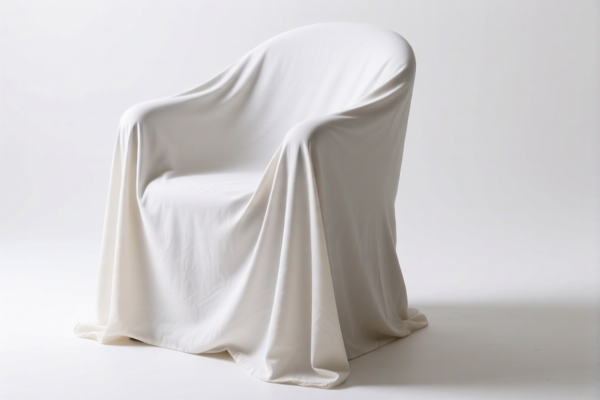
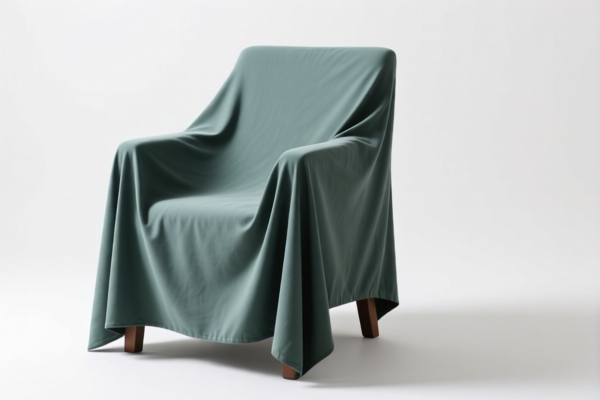
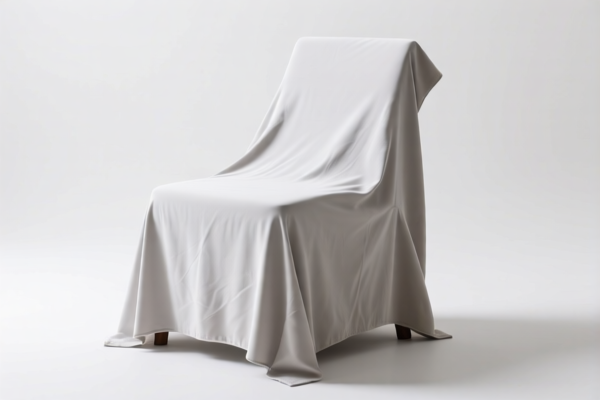
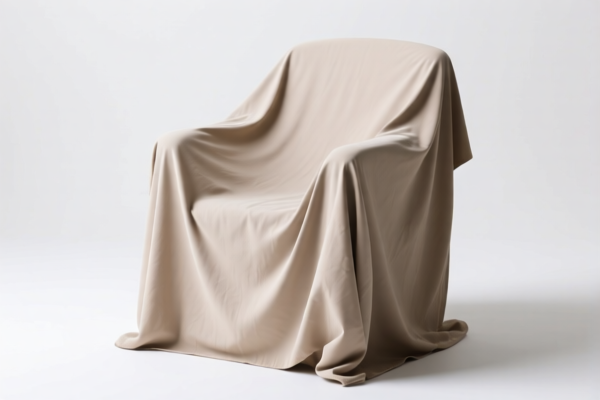
AI Analysis
🪑 Light Gray Chair Covers (浅灰色椅套)
🌐 HS Code Reference & Customs Clearance Guide | 2026 Latest Tariff Analysis | Professional Clearance Strategy
📌 I. Product Definition and Classification: What Exactly Are "Chair Covers"?
Light gray chair covers are textile products designed to protect, decorate, or maintain the hygiene of seating furniture. In international trade, their classification is highly dependent on material composition (knitted vs. woven) and functionality (furnishing vs. garment-like vs. accessory).
There are four primary classification paths for Light Gray Chair Covers:
1. General Textile Made-up Articles (Fabric/Chenille/Cotton):
Covered under Chapter 63, typically for woven fabrics like polyester, cotton blends, or microfiber.
2. Knitted or Crocheted Furnishings:
If the material is knitted (stretchy, jersey-like) or crochet, it falls under Chapter 63.41/63.04 as specific furnishing articles.
3. Parts of Seats (Non-Textile/Textile Accessories):
If considered an "accessory" or "part" of a seat (Chapter 94), especially if pre-shaped or structural, it may fall under Chapter 94.01.
4. Specific Furnishing Articles:
Certain finished textile articles for household use may be classified under specific headings for made-up articles.
⚠️ Key Distinction:
- If it is a simple woven sheet covering a chair → Chapter 63 (General Textiles)
- If it is knitted/stretch fabric → Chapter 63.04.91 (Knitted Furnishings)
- If it is a pre-molded/padded part of a seat → Chapter 94.01 (Seat Parts)
- If it is a generic made-up textile without specific furnishing intent → Chapter 63.07 (Other Made-up Articles)
📦 II. HS Code Classification Details (2026 Latest Tariff Authority Mapping)
| HS Code | Product Description | Application Scenario | Material/Feature |
|---|---|---|---|
6307.90.98.82 |
Other made-up articles, incl. dress or garment patterns | Generic textile covers, woven fabric, no specific furnishing classification | Woven/Textile |
6304.91.01.70 |
Other furnishing articles of knitted or crochet | Stretchy, knitted chair covers, jersey-style fabric | Knitted/Crochet |
9401.99.90.21 |
Parts of seats, excluding upholstery | Seat accessories, textile-based seat covers, not pre-molded | Textile Material |
9401.99.10.20 |
Parts of seats, excluding upholstery | Pre-shaped/padded seat cushions or covers | Textile Material |
6307.90.98.91 |
Other made-up articles, incl. dress or garment patterns | General textile finished products, woven textiles | Woven/Textile |
🔍 Critical Note:
- Chapter 63.07 is often used for generic textile accessories or "other made-up articles" when no more specific furnishing code applies.
- Chapter 63.04 is stricter: requires the item to be "furnishing" AND "knitted/crocheted."
- Chapter 94.01 applies only if the item is considered a "part" of a seat. If it’s just a slipcover, US Customs may reject this if it doesn’t meet the definition of a "seat part" (often requires structural integrity).
💰 III. 2026 Latest Tariff Rate Breakdown (Including Additional Duties & Policy Surcharges)
✅ Applicable Country: United States (US)
✅ Country of Origin: China (CN)
✅ Effective Date: Post-November 10, 2025 (including subsequent imports)
🎯 1. 6307.90.98.82 —— Other Made-up Textile Articles
| Item | Content |
|---|---|
| Base Tariff | 7.0% |
| Section 301 Surcharge | +7.5% |
| Section 122 Surcharge | +10% |
| Total Tariff | 24.5% |
| Tax Calculation | CIF Value × 24.5% |
| De Minimis Eligibility | ❌ No (deny_de_minimis) |
| Legal Basis Path | Section 122: 10% → Section 301: 7.5% → HTSUS: 6307.90.98.82 |
📌 Explanation:
- This is a general textile made-up article.
- The 7.0% base tariff is standard for many textile accessories.
- Section 301 (7.5%) and Section 122 (10%) are added due to US-China trade tensions.
- Total 24.5% is moderate but significant for low-margin textile goods.
🎯 2. 6304.91.01.70 —— Knitted/Crocheted Furnishing Articles
| Item | Content |
|---|---|
| Base Tariff | 5.8% |
| Section 301 Surcharge | +7.5% |
| Section 122 Surcharge | +10% |
| Total Tariff | 23.3% |
| Tax Calculation | CIF Value × 23.3% |
| De Minimis Eligibility | ❌ No (deny_de_minimis) |
| Legal Basis Path | Section 122: 10% → Section 301: 7.5% → HTSUS: 6304.91.01.70 |
📌 Explanation:
- Slightly lower base tariff (5.8%) due to specific furnishing classification.
- Still subject to full Section 301 and 122 surcharges.
- Best option if the material is truly knitted (e.g., stretchy jersey fabric).
🎯 3. 9401.99.90.21 —— Parts of Seats (Non-Pre-Molded)
| Item | Content |
|---|---|
| Base Tariff | 0.0% |
| Section 301 Surcharge | +25.0% |
| Section 122 Surcharge | +10% |
| Total Tariff | 35.0% |
| Tax Calculation | CIF Value × 35.0% |
| De Minimis Eligibility | ❌ No (deny_de_minimis) |
| Legal Basis Path | Section 122: 10% → Section 301: 25% → HTSUS: 9401.99.90.21 |
📌 Warning:
- Highest Total Tariff (35.0%).
- Section 301 surcharge is 25% (higher than 7.5% for textiles), leading to higher overall cost.
- Risk: Customs may reclassify this as Chapter 63 if the item is deemed a "cover" rather than a "part."
🎯 4. 9401.99.10.20 —— Pre-Molded Seat Parts
| Item | Content |
|---|---|
| Base Tariff | 0.0% |
| Section 301 Surcharge | +7.5% |
| Section 122 Surcharge | +10% |
| Total Tariff | 17.5% |
| Tax Calculation | CIF Value × 17.5% |
| De Minimis Eligibility | ❌ No (deny_de_minimis) |
| Legal Basis Path | Section 122: 10% → Section 301: 7.5% → HTSUS: 9401.99.10.20 |
📌 Opportunity:
- Lowest Total Tariff (17.5%).
- Requires: The item must be a pre-shaped, padded, or structurally integrated part of a seat (not just a slipcover).
- If applicable, this is the most tax-efficient classification.
🎯 5. 6307.90.98.91 —— Other Made-up Textile Articles
| Item | Content |
|---|---|
| Base Tariff | 7.0% |
| Section 301 Surcharge | +7.5% |
| Section 122 Surcharge | +10% |
| Total Tariff | 24.5% |
| Tax Calculation | CIF Value × 24.5% |
| De Minimis Eligibility | ❌ No (deny_de_minimis) |
| Legal Basis Path | Section 122: 10% → Section 301: 7.5% → HTSUS: 6307.90.98.91 |
📌 Explanation:
- Identical to6307.90.98.82in tariff.
- Used for generic textile made-up articles when no other specific text description fits.
🛠️ IV. Customs Clearance Practical Advice (Real-World Pitfall Guide)
✅ 1. Preparation Checklist (Mandatory)
| Document | Required | Notes |
|---|---|---|
| ✅ Product Specification Sheet | ✔️ | Must specify material (Knitted/Woven), dimensions, elasticity |
| ✅ Fabric Swatch/Test Report | ✔️ | Proves whether it's knitted or woven (critical for 6304 vs. 6307) |
| ✅ Product Photos (Front/Side/Inside) | ✔️ | Show if it’s pre-shaped (for 9401) or a simple cover |
| ✅ Commercial Invoice | ✔️ | Clear description: "Light Gray Knitted Chair Cover" or "Woven Seat Cover" |
| ✅ Packing List | ✔️ | No disassembly of cover into parts |
| ✅ Origin Certificate | ✔️ | Required for tariff calculation |
✅ 2. Declaration Tips (Key Mantra)
🔥 "Know Your Fabric: Knit Goes to 6304, Woven to 6307, If It’s Structured, Check 9401!"
| Scenario | Correct HS Code | Wrong Practice |
|---|---|---|
| Stretchy/Knitted Cover | 6304.91.01.70 (23.3%) |
Report as Woven → 24.5% |
| Woven/Polyester Cover | 6307.90.98.82 (24.5%) |
Report as Part of Seat → 35% |
| Pre-Shaped/Padded Cushion | 9401.99.10.20 (17.5%) |
Report as Slipcover → 24.5%+ |
| Simple Slipcover | 6307.90.98.82 (24.5%) |
Report as Seat Part → 35% |
📌 Critical Warning:
- Do NOT declare simple slipcovers as "Seat Parts" (9401) unless they are pre-molded. Customs often rejects this, leading to reclassification and higher tariffs (35%).
- If the cover is just a piece of fabric, use 6307.90.98.82.
- If it’s knitted, use 6304.91.01.70 for a slight saving.
✅ 3. Special Circumstances
| Scenario | Handling Advice |
|---|---|
| OEM Custom Covers | Provide design specs and material composition to avoid "generic" classification |
| Mixed Materials | Declare primary fabric. If >50% cotton, may affect base tariff |
| Samples vs. Commercial | Both subject to duties; de minimis does NOT apply |
| Pre-Molded vs. Flat | If it has foam/padding, it MAY qualify for 9401.99.10.20 (17.5%) |
🌍 V. Global Market Comparison (2026 Latest)
| Country/Region | Recommended HS Code | Tariff (CN Origin) | Certification | Notes |
|---|---|---|---|---|
| 🇺🇸 USA | 6307.90.98.82 |
24.5% | None | High due to Section 122 & 301 |
| 🇨🇳 China | 6307.90.98.82 |
7.0% | None | No additional surcharges |
| 🇪🇺 EU | 6307.90.98.82 |
12.8% | CE/REACH | No Section 122/301 |
| 🇬🇧 UK | 6307.90.98.82 |
12.0% | UKCA | Post-Brexit tariffs apply |
📌 Conclusion:
- USA is the most expensive market for chair covers due to Section 122 (10%) and Section 301 (7.5% or 25%).
- Total tariff ranges from 23.3% to 35.0%, significantly impacting profit margins.
- Strategic Recommendation:
- If the product is pre-molded/padded, aim for 9401.99.10.20 (17.5%).
- If knitted, aim for 6304.91.01.70 (23.3%).
- If woven, 6307.90.98.82 (24.5%) is the standard.
- Avoid 9401.99.90.21 (35.0%) unless clearly justified as a non-pre-molded seat part, as it carries a 25% Section 301 surcharge.
📌 VI. Common Mistakes & Pitfalls (Lessons Learned)
❌ Mistake 1: Declaring a simple woven slipcover as a "Seat Part" (9401.99.90.21)
👉 Consequence: Customs may reject it or reclassify, leading to 35% tariff instead of 24.5%.
👉 Result: Unnecessary cost increase.
❌ Mistake 2: Not specifying "Knitted" vs. "Woven"
👉 Consequence: If it’s knitted but declared as generic textile, you pay 24.5% instead of 23.3%.
👉 Result: Overpayment by 1.2%.
❌ Mistake 3: Assuming De Minimis (Section 321) applies
👉 Consequence: NO textile articles from China are exempt under de minimis for Section 122/301.
👉 Result: All shipments, no matter the value, are subject to full duty.
✅ Correct Approach:
"Light Gray Knitted Chair Cover, 100% Polyester, Stretch Fabric, for Dining Room Chairs, Model XYZ"
🎯 VII. Conclusion: Precise Classification Saves Money!
🎯 Remember the Mantra:
🔹 "Knitted = 23.3%, Woven = 24.5%, Pre-Molded = 17.5%, Simple Part = 35%!"
🔹 "Section 122 is 10%, Section 301 is 7.5% or 25% – Don’t Guess, Verify!"
📌 Pro Tip:
If your chair covers are pre-molded or padded, try to justify classification under 9401.99.10.20 (17.5%) for significant savings.
If they are simple covers, stick to 6307.90.98.82 (24.5%) or 6304.91.01.70 (23.3%) if knitted.
📣 Immediate Action:
📞 Consult a Customs Broker + Provide Fabric Samples + Apply for Advance Ruling if unsure.
🚀 Clear Your Goods Smoothly, Maximize Profits, and Avoid Surprises!
✨ Professional Customs Clearance Starts with Accurate Classification!
💼 Every Percentage Point Counts in Cross-Border Trade!
Customer Reviews
About HS Code Classification
The Harmonized System (HS) is an internationally standardized nomenclature developed by the World Customs Organization (WCO) to classify traded products. Over 200 countries use the HS system as the basis for customs tariffs, trade statistics, and import/export regulations.
Each HS code follows a hierarchical structure:
- Chapter (2 digits) — Broad category of goods (e.g., Chapter 84: Machinery and Mechanical Appliances)
- Heading (4 digits) — More specific grouping within the chapter
- Subheading (6 digits) — Internationally standardized breakdown, used by all WCO member countries
- National subdivisions (8-10 digits) — Country-specific extensions for further classification, such as US HTSUS 10-digit codes
Correct HS code classification is essential for smooth customs clearance, accurate duty payment, and compliance with trade regulations. Misclassification can lead to customs delays, overpayment of duties, or penalties.
When importing from CN to US, the applicable tariff rates may include:
- Most-Favored-Nation (MFN) rate — The standard duty rate applied to WTO members
- General rate — Applied to countries without trade agreements
- Trade remedy duties — Additional tariffs such as Section 301 (anti-dumping), Section 232 (national security), or countervailing duties
The information provided on this page is for reference purposes only. For official classification, please consult with your local customs authority or a licensed customs broker.