chair pockets
CN → USProduct Images
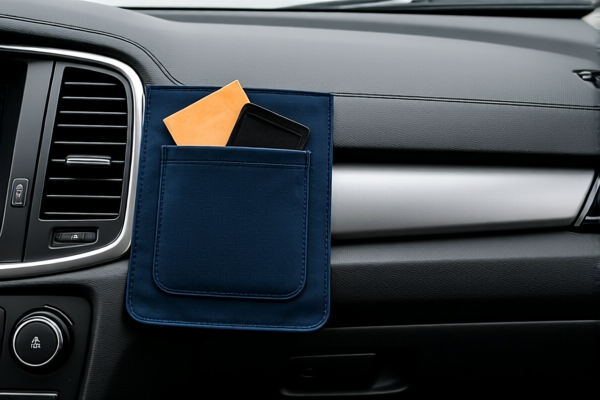
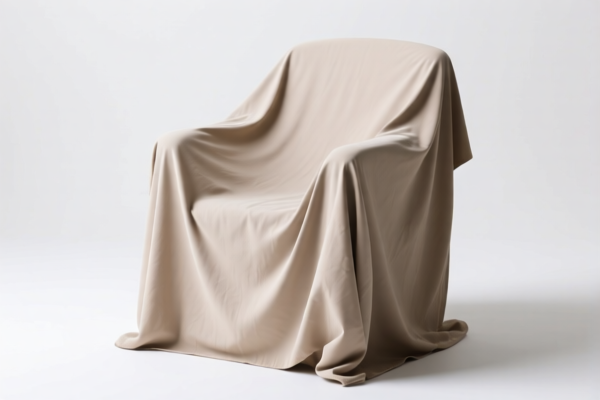
AI Analysis
Based on the provided data, here is the detailed breakdown and classification guide for Chair Pockets (interpreted here as parts of seats or furniture-related moving pads/accessories, as "chair pockets" is not a standard standalone trade term but likely refers to parts of seats or moving pads used in furniture logistics).
⚠️ Critical Note: The term "Chair Pockets" is ambiguous in international trade. It usually refers to: 1. Parts of Seats (e.g., fabric pockets sewn into seat upholstery). 2. Furniture Movers' Pads (protective covers used to move chairs/sofas).
The classification below strictly follows the provided DATA for these specific scenarios.
🪑 Chair Pockets & Furniture Parts | HS Code & Tax Analysis (2026 Edition)
🚀 Professional Customs Clearance Guide | Tax Optimization Strategy
🌐 What are "Chair Pockets"?
In the context of the provided data, "Chair Pockets" likely fall into two distinct categories depending on their material and function: 1. Parts of Seats: Fabric or leather pockets attached to the seat frame (Heading 9401). 2. Furniture Movers' Pads: Protective pads made of man-made fibers used to transport chairs (Heading 6307).
⚠️ Key Distinction:
- If it is a structural part of the chair (e.g., a pocket for cushions) → HS Code 9401.x. - If it is a protective accessory for moving the chair → HS Code 6307.x.
📦 II. HS Code Classification & Tax Details (Strictly Based on DATA)
The following HS Codes are the only applicable codes from your dataset for these items. Misclassification can lead to severe fines or seizure.
🔹 Category A: Parts of Seats (Structure & Upholstery)
Applicable to: Chair seat components, upholstery pockets, frames, and parts not convertible into beds.
| HS Code | Product Description | Material Type | Tax Rate (Base + Additional) |
|---|---|---|---|
| 9401.91.90.90 | Parts of wood: Other | Wood | 25.0% (0% Base + 25% Additional) |
| 9401.99.90.21 | Parts of textile material, cut to shape | Textile (Cut to shape) | 25.0% (0% Base + 25% Additional) |
📌 Deep Dive: - 9401.91.90.90: If the "pocket" or part is made of wood (e.g., a wooden seat back with a pocket structure). - 9401.99.90.21: If the "pocket" is made of textile material (fabric) and is cut to shape (not just woven, but specifically cut). - Tax Reality: Both carry a 25% surcharge on top of the base duty, resulting in a total 25% tax if the base is 0%.
🔹 Category B: Furniture Movers' Pads (Protective Accessories)
Applicable to: Pads used specifically to protect furniture (including chairs) during moving/shipping.
| HS Code | Product Description | Material Type | Tax Rate (Base + Additional) |
|---|---|---|---|
| 6307.90.98.87 | Furniture movers' pads of man-made fibers | Man-made Fiber | 14.5% (7% Base + 7.5% Additional) |
📌 Deep Dive: - 6307.90.98.87: Specifically covers "Furniture movers' pads of man-made fibers". - Tax Reality: This category is cheaper than seat parts. Total tax is 14.5% (7% base + 7.5% additional). - Condition: Must be explicitly described as a "mover's pad" or "protective cover."
🔹 Category C: General Made-up Articles (Other)
Applicable to: Other miscellaneous textile items not fitting the above.
| HS Code | Product Description | Material Type | Tax Rate (Base + Additional) |
|---|---|---|---|
| 6307.90.98.91 | Other made up articles: Other | Other | 14.5% (7% Base + 7.5% Additional) |
📌 Note: If the item is not a specific "mover's pad" or "seat part," it falls here with the same 14.5% rate.
💰 III. Taxation Strategy & Legal Basis (Detailed Analysis)
📉 Why is the Tax so High for Seat Parts (25%)?
- Base Duty: 0% (Many furniture parts are duty-free).
- Additional Duty: 25.0%.
- Source: This is likely a Section 301 Tariff (US-China trade war context) or similar Additional Duty imposed on specific Chinese origin goods.
- Impact: If you import wooden chair parts or cut textile seat pockets, you pay 25% extra.
- Example: For a $10,000 shipment of wooden chair pockets, you pay $2,500 in additional tax.
📉 Why is the Tax Lower for Mover's Pads (14.5%)?
- Base Duty: 7.0%.
- Additional Duty: 7.5%.
- Total: 14.5%.
- Reason: "Other made-up articles" generally have a base duty, but the additional surcharge (7.5%) is lower than the 25% surcharge for furniture parts.
- Strategy: If you are exporting a "chair pocket" that can be classified as a protective mover's pad rather than a structural seat part, you can save 10.5% in taxes!
🛠️ IV. Customs Clearance Recommendations (Pro Tips)
✅ 1. Precise Description is King
Do NOT just write "Chair Pockets." * ❌ Wrong: "Chair parts, fabric." → Likely flagged for 9401.99.90.21 (25% Tax). * ✅ Right (If it's a pad): "Furniture movers' pads, made of man-made fibers, for moving sofas/chairs." → Classifies to 6307.90.98.87 (14.5% Tax). * ✅ Right (If it's a part): "Seat part, cut to shape, textile material." → Classifies to 9401.99.90.21 (25% Tax).
✅ 2. Material Verification
- Wooden Parts: Must be declared as 9401.91.90.90 (25% Tax).
- Textile Parts: Must be 9401.99.90.21 if it's a structural part (25% Tax).
- Man-made Fiber Pads: Must be 6307.90.98.87 (14.5% Tax).
✅ 3. Avoid "De Minimis" Traps
- Unlike some electronics, furniture parts and textiles are often excluded from small parcel exemptions (de minimis) when classified under 9401 with high surcharges.
- Warning: If the item is classified as 9401.99.90.21, expect 25% additional duty regardless of the value.
🎯 V. Summary of Actionable Steps
| Scenario | Recommended HS Code | Tax Rate | Action |
|---|---|---|---|
| Chair part made of wood | 9401.91.90.90 |
25.0% | High tax cost; consider supply chain alternatives. |
| Chair part made of fabric (structural) | 9401.99.90.21 |
25.0% | Declare as "Parts of seats, textile, cut to shape." |
| Protective pad for moving chairs | 6307.90.98.87 |
14.5% | Best Option! Declare as "Furniture movers' pads." |
| Other textile made-up items | 6307.90.98.91 |
14.5% | Generic fallback if not a specific pad or seat part. |
🚀 Final Verdict:
If your product is truly a "pocket" used to protect furniture during moving, classify it under6307.90.98.87to save 10.5% in taxes compared to seat parts.
If it is a structural part of the chair, you must pay the 25.0% additional duty for9401.99.90.21or9401.91.90.90.
📌 Disclaimer: This analysis is based strictly on the provided DATA. Always consult with a licensed customs broker for the final classification before shipment.
Customer Reviews
About HS Code Classification
The Harmonized System (HS) is an internationally standardized nomenclature developed by the World Customs Organization (WCO) to classify traded products. Over 200 countries use the HS system as the basis for customs tariffs, trade statistics, and import/export regulations.
Each HS code follows a hierarchical structure:
- Chapter (2 digits) — Broad category of goods (e.g., Chapter 84: Machinery and Mechanical Appliances)
- Heading (4 digits) — More specific grouping within the chapter
- Subheading (6 digits) — Internationally standardized breakdown, used by all WCO member countries
- National subdivisions (8-10 digits) — Country-specific extensions for further classification, such as US HTSUS 10-digit codes
Correct HS code classification is essential for smooth customs clearance, accurate duty payment, and compliance with trade regulations. Misclassification can lead to customs delays, overpayment of duties, or penalties.
When importing from CN to US, the applicable tariff rates may include:
- Most-Favored-Nation (MFN) rate — The standard duty rate applied to WTO members
- General rate — Applied to countries without trade agreements
- Trade remedy duties — Additional tariffs such as Section 301 (anti-dumping), Section 232 (national security), or countervailing duties
The information provided on this page is for reference purposes only. For official classification, please consult with your local customs authority or a licensed customs broker.