chamfering and filleting tool
CN → US| HS Code | Tariff Rate | Origin | Destination | Doc |
|---|---|---|---|---|
| 8466100110 | 38.9% | CN | US | Official Doc |
| 8205595510 | 40.3% | CN | US | Official Doc |
| 8205306000 | 40.0% | CN | US | Official Doc |
| 8207903085 | 40.0% | CN | US | Official Doc |
| 8466100130 | 38.9% | CN | US | Official Doc |
Product Images
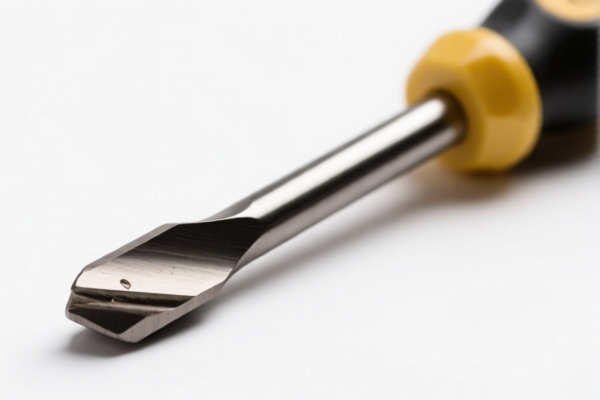
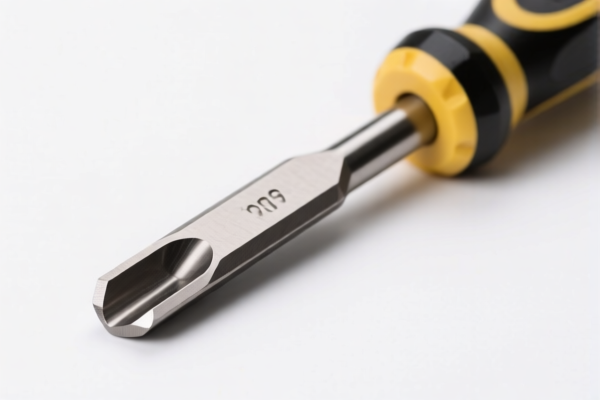
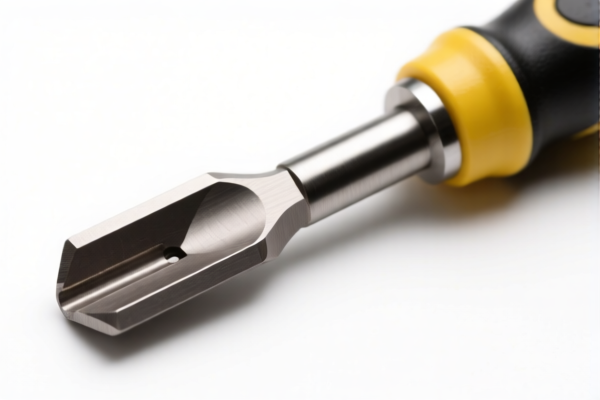
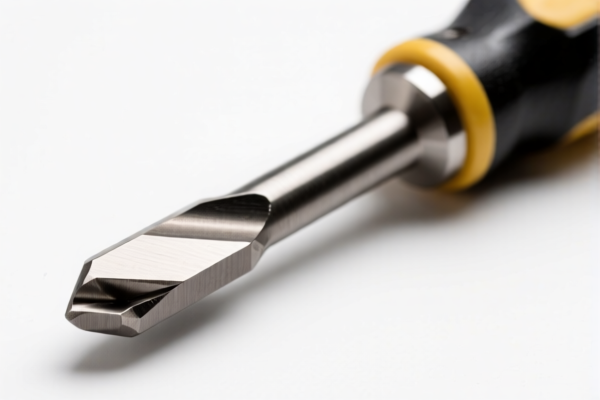
AI Analysis
🔪 Chamfering and Filleting Tools (Metalworking Edges)
🌐 HS Code Reference & Customs Clearance Guide | 2026 Updated Tariff Analysis | Professional Clearance Strategy
📌 1. Product Definition: What Exactly is a "Chamfering Tool"?
A chamfering or filleting tool is primarily used in metalworking to remove burrs, create beveled edges (chamfers), or round off sharp corners (fillets). In international trade, the classification hinges on function and form:
Metalworking Tool Attachments (Machine Heads): Tools designed to be mounted on a machine (lathe, milling machine, drill press) as accessories or holders for cutting inserts.
👉 Key Logic: It is an "accessory" or "holder" for machine tools, not a standalone hand tool.
Hand Tools (Edges/Blades): Manual tools with blades used for filing, scraping, or trimming edges.
👉 Key Logic: It is a "hand tool" made of metal (iron/steel), regardless of whether it is mechanical or manual, if it doesn't fit machine-specific classifications.
⚠️ Critical Distinction:
- If the tool is a shank/holder for machine inserts → Group 84 (Machinery)
- If the tool is a bladed implement held by hand → Group 82 (Tools)
- Note: Most commercial chamfering tools fall into Hand Tools (8205) or Machine Attachments (8466).
📦 2. HS Code Classification Breakdown (2026 Latest Tariff Matrix)
Based on the provided data, here are the four specific HS Codes applicable to Chamfering/Filleting Tools, along with their logic and tax implications.
| HS Code | Classification Logic | Tax Rate (Total) | Tariff Breakdown |
|---|---|---|---|
| 8466.10.01.10 | Machine Tool Attachment: Classified as a "cutting-type tool attachment" or "holder for forming/cutting dies." Functionally matches tool holders for machine tools. | 38.9% | Base: 3.9% Section 301: 25.0% Section 122: 10% |
| 8466.10.01.30 | Machine Tool Attachment: Classified as a "cutting/drilling tool attachment" or "holder for cutting/drilling inserts." Matches tool holders for machining operations. | 38.9% | Base: 3.9% Section 301: 25.0% Section 122: 10% |
| 8205.59.55.10 | Hand Tool (Edge): Classified as a "hand tool with edge," typically made of iron or steel. Fits the form and use of manual filing/scraping tools. | 40.3% | Base: 5.3% Section 301: 25.0% Section 122: 10% |
| 8205.30.60.00 | Hand Tool (Cutting): Classified as a "cutting tool." Function aligns closely with other cutting tools, usually made of metal. | 40.0% | Base: 5.0% Section 301: 25.0% Section 122: 10% |
| 8207.90.30.85 | Interchangeable Tool (Cutting): Classified as a "metal cutting tool." Falls under the broader category of interchangeable tools for machine tools, made of metal. | 40.0% | Base: 5.0% Section 301: 25.0% Section 122: 10% |
🔍 Key Takeaway:
- Group 84 (8466) applies if the item is an accessory/holder for a machine. Lower base tariff (3.9%) but higher total tax (38.9%) due to Section 122.
- Group 82 (8205/8207) applies if the item is a bladed hand tool or interchangeable cutting tool. Higher base tariff (5.0-5.3%) but similar total tax (40.0-40.3%).
- All codes attract Section 301 (25%) and Section 122 (10%) tariffs.
💰 3. Detailed Tariff Analysis (US Imports from China)
✅ Country of Origin: China (CN)
✅ Destination: United States (US)
✅ Applicable Policies: Section 301 & Section 122 (China-specific tariffs)
🎯 1. Machine Tool Attachments (HS 8466.10.01.10 / .30)
| Item | Details |
|---|---|
| Base MFN Tariff | 3.9% |
| Section 301 Tariff | +25.0% (Retaliatory tariffs on Chinese goods) |
| Section 122 Tariff | +10.0% (New China-specific tariff for certain industrial goods) |
| Total Effective Rate | 38.9% |
| Calculation | CIF Value × 38.9% |
| De Minimis Exemption | ❌ Not Eligible (Value > $800 or restricted category) |
📌 Explanation:
- These codes are for accessories to machine tools. The base rate is lower, but the addition of Section 122 makes it comparable to hand tools.
- Section 122 is a critical new layer; ensure your customs broker includes this in the entry summary.
🎯 2. Hand & Cutting Tools (HS 8205.59.55.10 / 8205.30.60.00 / 8207.90.30.85)
| Item | Details |
|---|---|
| Base MFN Tariff | 5.0% - 5.3% |
| Section 301 Tariff | +25.0% |
| Section 122 Tariff | +10.0% |
| Total Effective Rate | 40.0% - 40.3% |
| Calculation | CIF Value × 40.0~40.3% |
| De Minimis Exemption | ❌ Not Eligible |
📌 Explanation:
- 8205.59.55.10 (Hand Tools) has the highest total tax (40.3%) due to a higher base rate (5.3%).
- 8205.30.60.00 and 8207.90.30.85 are slightly more competitive at 40.0%.
- These codes treat the chamfering tool as a consumable cutting implement or manual edge tool.
🛠️ 4. Customs Clearance Strategy (Practical Tips)
✅ 1. Documentation Checklist (Essential)
| Document | Requirement | Notes |
|---|---|---|
| Product Specification Sheet | ✔️ Must Include | Material (Steel/Iron), Function (Chamfering/Filleting), Usage (Hand/Machine). |
| Photos | ✔️ Essential | Clear images showing: 1. The tool itself. 2. Any mounting points (if machine attachment). 3. Labels/Model Numbers. |
| Commercial Invoice | ✔️ Accurate Description | Avoid generic terms like "Part." Use specific terms like "Steel Chamfering Hand Tool" or "Milling Machine Tool Holder." |
| Bill of Lading/Air Waybill | ✔️ Match Invoice | Ensure HS Codes match the invoice exactly. |
| Country of Origin Certificate | ✔️ If Claiming Preference | If shipped from a non-China country (e.g., Vietnam), provide COO to avoid Section 301/122. |
✅ 2. Classification Strategy (How to Choose the Right HS Code)
| Scenario | Recommended HS Code | Why? |
|---|---|---|
| Tool mounts onto a drill/mill | 8466.10.01.10 or .30 | It is a "holder" or "attachment" for a machine. |
| Hand-held file/scrapers for edges | 8205.59.55.10 | Clearly a "hand tool with edge." |
| Bladed tool for manual chamfering | 8205.30.60.00 | Functions as a "cutting tool." |
| Interchangeable insert/shank | 8207.90.30.85 | Falls under "interchangeable tools" for metal cutting. |
🔥 Pro Tip:
If the tool is multi-purpose (can be used by hand OR machine), consult a customs broker. Usually, the primary intended use determines the code. If it has a mounting shank, lean towards 8466. If it’s a simple blade, lean towards 8205.
✅ 3. Common Pitfalls to Avoid
❌ Error 1: Describing the item only as "Chamfer"
👉 Risk: Customs may classify it as a machine part (high duty) or reject for insufficient description.
✅ Fix: Always specify "Chamfering Tool" and "Material: Steel".
❌ Error 2: Confusing "Hand Tool" with "Machine Part"
👉 Risk: Misclassification leads to delays. If it has a shank for a machine, it’s likely 8466. If it’s held in the hand, it’s likely 8205.
❌ Error 3: Ignoring Section 122 Tariff
👉 Risk: Underestimating costs. All the codes above include a 10% Section 122 tariff. Ensure your pricing model includes this.
🌍 5. Market Comparison (2026 Outlook)
| Market | Likely HS Code | Total Est. Tariff (China Origin) | Notes |
|---|---|---|---|
| 🇺🇸 USA | 8466 or 8205 | 38.9% - 40.3% | High tariffs due to Sec 301 + Sec 122. |
| 🇨🇳 China | Same HS Codes | ~0% - 5% | Import duties for foreign tools are lower; export duties may apply. |
| 🇪🇺 EU | 8466 or 8205 | ~0% - 6% | No Section 301/122 equivalents. Standard EU duty applies. |
| 🇬🇧 UK | 8466 or 8205 | ~0% - 6% | Post-Brexit tariffs are competitive compared to US. |
📌 Conclusion for US Importers:
The 40% tax burden is significant. Consider:
1. Supply Chain Diversification: Source from Vietnam/Mexico to avoid Sec 301/122.
2. Product Refinement: Ensure the product description strictly matches the HS code definition to avoid audits.
3. Cost Absorption: Build the 40% tax into your landed cost calculation.
📌 6. Summary & Action Plan
🎯 Final Recommendations:
- Identify Form: Is it a machine attachment (8466) or a hand/cutting tool (8205/8207)?
- Check Material: All codes assume metal/steel. If non-metal, different codes apply.
- Calculate Landed Cost: Use 38.9% - 40.3% as your baseline duty rate for US imports from China.
- Document Precisely: Provide detailed specs to your customs broker to support the chosen HS code.
⚠️ Disclaimer:
Tariff rates and HS codes are subject to change. Always verify with a licensed customs broker or the USITC Tariff Database before shipment. This guide is for informational purposes only and does not constitute legal advice.
✨ Smart Clearance Starts with Accurate Classification!
💼 Minimize Risks, Maximize Profits – Get Your HS Code Right!
Customer Reviews
About HS Code Classification
The Harmonized System (HS) is an internationally standardized nomenclature developed by the World Customs Organization (WCO) to classify traded products. Over 200 countries use the HS system as the basis for customs tariffs, trade statistics, and import/export regulations.
Each HS code follows a hierarchical structure:
- Chapter (2 digits) — Broad category of goods (e.g., Chapter 84: Machinery and Mechanical Appliances)
- Heading (4 digits) — More specific grouping within the chapter
- Subheading (6 digits) — Internationally standardized breakdown, used by all WCO member countries
- National subdivisions (8-10 digits) — Country-specific extensions for further classification, such as US HTSUS 10-digit codes
Correct HS code classification is essential for smooth customs clearance, accurate duty payment, and compliance with trade regulations. Misclassification can lead to customs delays, overpayment of duties, or penalties.
When importing from CN to US, the applicable tariff rates may include:
- Most-Favored-Nation (MFN) rate — The standard duty rate applied to WTO members
- General rate — Applied to countries without trade agreements
- Trade remedy duties — Additional tariffs such as Section 301 (anti-dumping), Section 232 (national security), or countervailing duties
The information provided on this page is for reference purposes only. For official classification, please consult with your local customs authority or a licensed customs broker.