chest badge
CN → US| HS Code | Tariff Rate | Origin | Destination | Doc |
|---|---|---|---|---|
| 9606216000 | 39.7% | CN | US | Official Doc |
| 7117909000 | 28.5% | CN | US | Official Doc |
| 9606296000 | 37.9% | CN | US | Official Doc |
| 7117909000 | 28.5% | CN | US | Official Doc |
| 8310000000 | 35.0% | CN | US | Official Doc |
Product Images
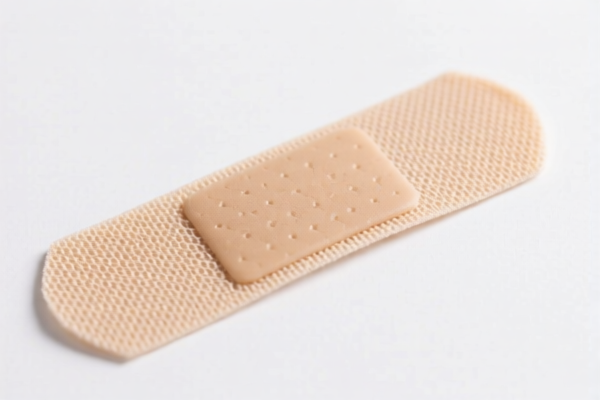


AI Analysis
🎖️ Chest Badge (Brooches, Pins & Badges)
🌐 HS Code Reference & Customs Clearance Guide | 2024-2025 Tax Analysis | Professional Clearance Strategy
📌 One, Product Definition: What is a "Chest Badge"?
A Chest Badge is a versatile accessory worn on the chest, serving functions ranging from identification (uniforms/employees), decorative fashion, to symbolic recognition (awards/organizations). In international trade, its classification hinges entirely on Material and Intended Use.
Key Classification Paths:
Functional/Industrial: Metal plates or labels identifying a person or company → Chapter 83 (Miscellaneous articles of base metal).
Decorative/Fashion: Ornamental pins, brooches, or imitation jewelry → Chapter 71 (Imitation jewelry).
Fastening/Utility: Buttons used as decorative fasteners or "button-like" badges → Chapter 96* (Buttons).
⚠️ Critical Distinction:
- Is it purely decorative (Fashion) → Go to 7117 (Imitation Jewelry).
- Is it functional (Nameplate, ID Plate) → Go to 8310 (Base Metal Plates).
- Does it function as a button (e.g., attaching a uniform) → Go to 9606 (Buttons).
📦 Two, HS Code Classification Details (Based on Provided Data)
| HS Code | Product Description | Matching Logic | Total Tax Rate |
|---|---|---|---|
| 9606.21.60.00 | Plastic Buttons | Material inferred as Plastic; Form matches "Buttons". No material conflict. | 39.7% |
| 7117.90.90.00 (Item 1) | Imitation Jewelry - Others | Material inferred as Metal or Plastic; Form matches "Ornaments/Parts". Generic fallback category. | 28.5% |
| 9606.29.60.00 | Other Buttons | "Chest Badge" shape fits as a button accessory or related application. Fallback logic for "Other Buttons". | 37.9% |
| 7117.90.90.00 (Item 2) | Imitation Jewelry (Metal) | Explicit mention of "Metal" matches "Imitation Jewelry" attributes (Metal/Alloy). Shape = Ornament. | 28.5% |
| 8310.00.00.00 | Nameplates, Badges (Base Metal) | Material is "Metal" (Base Metal); Form is "Chest Badge" (Identifying plate/label). | 35.0% |
🔍 Strategic Insight:
- Highest Tax: 9606.21.60.00 (39.7%) – Plastic buttons face the highest combined tariffs.
- Lowest Tax: 7117.90.90.00 (28.5%) – Imitation jewelry (Metal or Plastic) offers the lowest tariff burden.
- Middle Ground: 8310.00.00.00 (35.0%) – Functional metal badges fall here with 0% Base Duty but heavy add-ons.
💰 Three, 2024-2025 Tariff Rate Breakdown (Including Additional Taxes)
✅ Applicable Market: United States (US)
✅ Origin: China (CN)
✅ Active Since: Recent 122 Clauses & Section 301 Adjustments
🎯 1. 9606.21.60.00 & 9606.29.60.00 (Plastic Buttons)
Targeting: Plastic chest badges acting as fasteners.
| Item | Content |
|---|---|
| Base Duty | 2.9% - 4.7% (Low entry tax) |
| Section 301 (Additional) | +25.0% (Standard high-rate tier) |
| Section 122 Clauses | +10.0% (Specific China restrictions) |
| Total Tax | 37.9% - 39.7% |
| Legal Path | Base (9606) + 301 (25%) + 122 (10%) |
📌 Explanation:
- Even with a low Base Duty, the 301 Additional (25%) and 122 Clauses (10%) drive the total to ~39.7%.
- Warning: Plastic components often face stricter scrutiny under "Section 122" if deemed to be circumventing steel/aluminum tariffs.
🎯 2. 7117.90.90.00 (Imitation Jewelry)
Targeting: Decorative metal or plastic chest badges.
| Item | Content |
|---|---|
| Base Duty | 11.0% |
| Section 301 (Additional) | +7.5% |
| Section 122 Clauses | +10.0% |
| Total Tax | 28.5% |
| Legal Path | Base (7117) + 301 (7.5%) + 122 (10%) |
📌 Strategy:
- This is the Most Cost-Effective classification for 28.5%.
- Why? The Section 301 rate is lower (7.5%) compared to buttons (25%).
- Action: If the badge is primarily decorative (e.g., fashion pin, school crest), declare as Imitation Jewelry.
🎯 3. 8310.00.00.00 (Metal Nameplates/Badges)
Targeting: Functional metal identification badges.
| Item | Content |
|---|---|
| Base Duty | 0.0% (Duty-free entry) |
| Section 301 (Additional) | +25.0% |
| Section 122 Clauses | +10.0% |
| Total Tax | 35.0% |
| Legal Path | Base (8310) + 301 (25%) + 122 (10%) |
📌 Analysis:
- Despite 0% Base Duty, the 25% Section 301 surcharge makes this expensive (35%).
- Use Case: Only choose this if the item is strictly functional (ID plate) and cannot be argued as "jewelry".
🛠️ Four, Customs Clearance Operational Advice (Real-World Pitfall Avoidance)
✅ 1. Preparation Checklist (Essential Documents)
| Document | Required? | Explanation |
|---|---|---|
| Product Photos | ✅ YES | Must clearly show Material (Metal vs. Plastic) and Mounting Mechanism (Pin-back vs. Button-back). |
| Function Description | ✅ YES | Is it for identification (8310) or decoration (7117)? |
| Composition Report | ✅ YES | Confirm % of metal vs. plastic. Crucial for 7117 vs. 8310 distinction. |
| Catalog/Line Sheet | ✅ YES | Shows the item is sold as a fashion accessory (supports 7117). |
| Commercial Invoice | ✅ YES | Must describe "Chest Badge" + "Imitation Jewelry" (if applicable). |
✅ 2. Declaration Strategy (The "Golden Rule")
🔥 Rule: "If it Sparkles, It's Jewelry; If it Identifies, It's a Plate; If it Buttons, It's a Button."
| Scenario | Recommended HS Code | Tax Outcome | Risk |
|---|---|---|---|
| Fashion Pin / Ornament | 7117.90.90.00 |
28.5% (Best) | Low |
| Metal ID Plate / Nameplate | 8310.00.00.00 |
35.0% | Medium (Strict material check) |
| Badge that functions as a Button | 9606.21.60.00 |
39.7% (Highest) | High (Material conflict risk) |
| Plastic Ornamental Button | 9606.29.60.00 |
37.9% | Medium |
📌 Critical Tip:
- Avoid9606(Buttons) unless the badge actually buttons onto fabric. If it uses a pin back, it is NOT a button and should be declared as Jewelry (7117) to save ~11% in taxes.
- Claiming8310for decorative items is risky; if CBP (Customs) deems it jewelry, they will re-classify to7117(lower tax) but may fine for false declaration, or if they believe it's a "nameplate" but you claimed "jewelry," they might flag for origin verification.
✅ 3. Special Handling & Legal Pathways
| Situation | Handling Advice |
|---|---|
| Mixed Materials (Metal + Plastic) | Declare as 7117 (Imitation Jewelry) if the primary purpose is decoration. If metal > plastic and functional, 8310. |
| Section 122 Clause | All categories above include a +10% "122 Clause" tax. No exemption currently exists for these specific codes. |
| Small Batches (De Minimis) | ❌ Not Applicable. All these codes are excluded from de minimis exemptions due to Section 301/122. |
🌍 Five, Market Comparison & Final Recommendation
| Feature | US Market (China Origin) | Strategy |
|---|---|---|
| Best Tax Rate | 28.5% (via 7117) |
Classify as Imitation Jewelry if decorative. |
| Highest Risk | 39.7% (via 9606) |
Avoid 9606 unless strictly a button function. |
| Key Factor | Form & Function | Pin-back = Jewelry; Pin + Plate = Nameplate; Snap/Button = Button. |
📌 Conclusion:
For Chest Badges, the7117.90.90.00(Imitation Jewelry) route is the most profitable, offering the lowest total tax (28.5%) compared to Buttons (39.7%) or Metal Badges (35.0%).
Action: Ensure your product description, marketing photos, and invoice explicitly frame the item as a fashion accessory or decoration rather than a mechanical fastener or industrial label.
📌 Six, Common Mistakes & "Blood & Tears" Lessons
❌ Mistake 1: Declaring a decorative pin as a Button (9606).
👉 Result: Tax jumps from 28.5% to 39.7%. Loss of ~11% margin!
❌ Mistake 2: Declaring a functional metal ID tag as Jewelry (7117) without proof of "ornamental" use.
👉 Result: Customs may audit for "Misdeclaration." If proven functional, you may owe the 35.0% rate or face penalties.
❌ Mistake 3: Ignoring the Section 122 Clause.
👉 Result: Underestimating the 10% surcharge on ALL items, leading to cash flow issues.
✅ Correct Approach:
"Designated Decorative Pin, Metal Alloy, Fashion Accessory, Non-Functional Fastener."
Use this language to support7117.90.90.00.
🎯 Seven, Final Verdict: Professional Clearance is Key!
🎯 Remember the Mantra:
🔹 "Jewelry is Cheapest (28.5%), Buttons are Costly (39.7%), Metal Plates are Middle (35.0%)."
🔹 "122 Clause is Inescapable (+10%); 301 Clause varies (7.5% vs 25%)."📌 Pro Tip:
If your chest badge is purely metal but decorative,7117is still your best bet (due to lower Section 301 rate of 7.5% vs 25% for base metals).
Always consult a Customs Broker to review your Product Composition before shipping!
📣 Immediate Action:
📞 Re-evaluate your Product Description → Change "Badge" to "Fashion Pin" if applicable.
🚀 Target HS Code7117.90.90.00for maximum savings!
Clear Customs, Maximize Profit!
✨ Precision in Classification = Precision in Profit!
💼 Every percentage point counts in the global trade war.
Customer Reviews
About HS Code Classification
The Harmonized System (HS) is an internationally standardized nomenclature developed by the World Customs Organization (WCO) to classify traded products. Over 200 countries use the HS system as the basis for customs tariffs, trade statistics, and import/export regulations.
Each HS code follows a hierarchical structure:
- Chapter (2 digits) — Broad category of goods (e.g., Chapter 84: Machinery and Mechanical Appliances)
- Heading (4 digits) — More specific grouping within the chapter
- Subheading (6 digits) — Internationally standardized breakdown, used by all WCO member countries
- National subdivisions (8-10 digits) — Country-specific extensions for further classification, such as US HTSUS 10-digit codes
Correct HS code classification is essential for smooth customs clearance, accurate duty payment, and compliance with trade regulations. Misclassification can lead to customs delays, overpayment of duties, or penalties.
When importing from CN to US, the applicable tariff rates may include:
- Most-Favored-Nation (MFN) rate — The standard duty rate applied to WTO members
- General rate — Applied to countries without trade agreements
- Trade remedy duties — Additional tariffs such as Section 301 (anti-dumping), Section 232 (national security), or countervailing duties
The information provided on this page is for reference purposes only. For official classification, please consult with your local customs authority or a licensed customs broker.