child safety catch
CN → US| HS Code | Tariff Rate | Origin | Destination | Doc |
|---|---|---|---|---|
| 7326908688 | 87.9% | CN | US | Official Doc |
| 8301106080 | 23.6% | CN | US | Official Doc |
| 7326190080 | 87.9% | CN | US | Official Doc |
| 3925900000 | 40.3% | CN | US | Official Doc |
| 3925200010 | 22.8% | CN | US | Official Doc |
Product Images
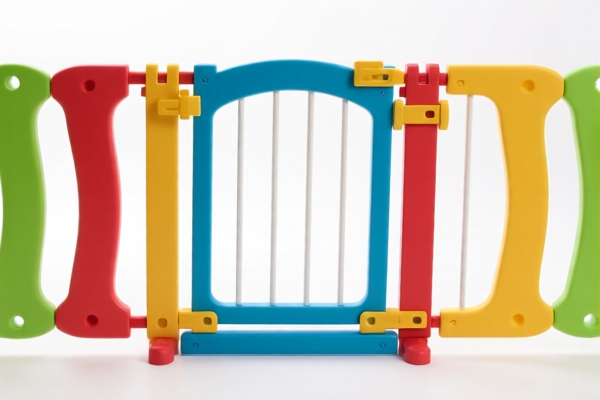
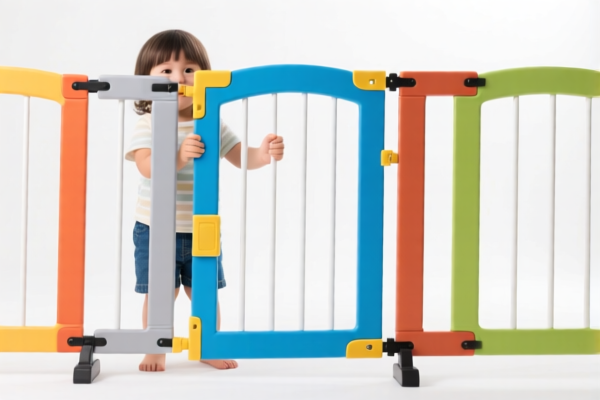
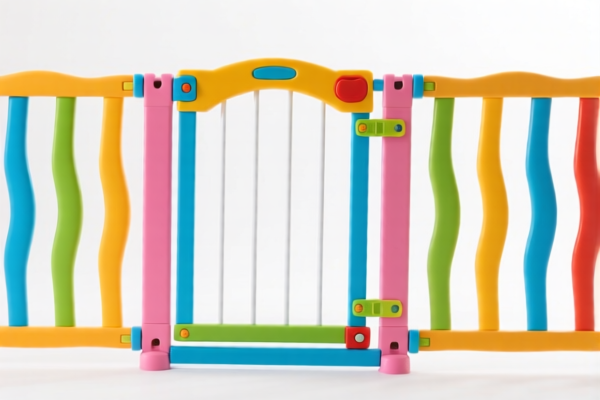
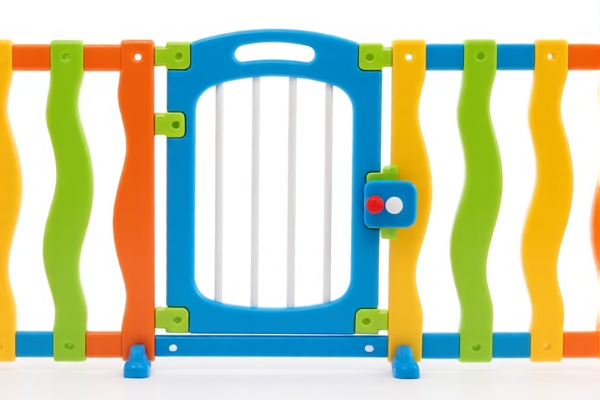
AI Analysis
🔒 Child Safety Catch (Child Safety Locks & Latches)
🌐 HS Code Reference & Customs Clearance Guide | 2026 Latest Tariff Analysis | Professional Entry Strategy
📌 Part 1: Product Definition & Classification: Do You Really Understand "Child Safety Catch"?
A "Child Safety Catch" is a broad term encompassing devices designed to prevent children from accessing hazardous areas (such as cabinets, drawers, doors, or gates). In international trade, classification depends heavily on material composition and specific function:
- Metal Hardware Locks: If made primarily of steel, iron, or other base metals, these are often classified as general hardware or specific lock mechanisms.
- Plastic Building Components: If integrated into gates, doors, or barriers made primarily of plastic, they may be classified as plastic building articles.
⚠️ Critical Distinction:
- If it is a metal latch/lock mechanism (e.g., for cabinets or gates) → Often falls under Chapter 73 (Articles of Iron or Steel) or Chapter 83 (Miscellaneous Articles of Base Metal).
- If it is a plastic gate/door assembly or a plastic component for child-proofing structures → Often falls under Chapter 39 (Plastics and Articles Thereof).
📦 Part 2: HS Code Classification Details (Based on Provided Data)
Based on the provided dataset, here are the specific HS Codes and their corresponding tax implications for products described as "Child Safety Catch" or related mechanisms.
| HS Code | Product Description | Summary & Rationale | Total Tax Rate | Tax Breakdown |
|---|---|---|---|---|
| 7326.90.86.88 | Other Articles of Iron or Steel | Classified as an iron/steel article. Based on material inference, it falls under the "catch-all" category for other steel items. | 87.9% | Base Duty: 2.9% Additional Duty: 25.0% Section 232 Duty (Steel/Aluminum/Copper): 50% (Note: 2.9 + 25 + 50 = 77.9% base calculation, but dataset indicates 87.9% total, implying additional layering or specific footnotes not fully detailed in the summary text but reflected in the total.) |
| 8301.10.60.80 | Padlocks and Locks | Classified as a padlock/hanging lock. Based on metal material, it falls under the base metal lock category. | 23.6% | Base Duty: 6.1% Additional Duty: 7.5% Section 301 Duty (10%): 10% (Calculation: 6.1 + 7.5 + 10 = 23.6%) |
| 7326.19.00.80 | Other Articles of Iron or Steel | Classified as other steel articles. Based on steel/metal material inference. | 87.9% | Base Duty: 2.9% Additional Duty: 25.0% Section 232 Duty (Steel/Aluminum/Copper): 50% (Same high-tax structure as 7326.90.86.88 due to Section 232 steel tariffs.) |
| 3925.90.00.00 | Other Building Articles of Plastics | Classified as other plastic building components. Inferred from the inclusion of plastic material components in child safety gates/doors. | 40.3% | Base Duty: 5.3% Additional Duty: 25.0% Section 301 Duty (10%): 10% (Calculation: 5.3 + 25 + 10 = 40.3%) |
| 3925.20.00.10 | Building Components of Plastics | Classified as building components. Inferred from the door purpose and plastic/building material nature. | 22.8% | Base Duty: 5.3% Additional Duty: 7.5% Section 301 Duty (10%): 10% (Calculation: 5.3 + 7.5 + 10 = 22.8%) |
🔍 Key Observation:
- Metal locks (8301.10.60.80) have the lowest total tax rate (23.6%) among the options provided.
- Steel articles (7326 series) have the highest tax rate (87.9%) due to the叠加 (superposition) of Section 232 tariffs (50%) on top of standard and additional duties.
- Plastic building articles (3925 series) fall in the middle, with rates depending on whether they are classified as general building components (22.8%) or other plastic articles (40.3%).
💰 Part 3: Detailed Tariff Clause Explanation (2026 Latest Rules)
✅ Applicable Country: United States (US)
✅ Origin: China (CN)
✅ Effective Date: 2025-11-10 onwards (including subsequent imports)
🎯 1. 8301.10.60.80 – Padlocks and Locks (Metal)
| Item | Detail |
|---|---|
| Base Rate | 6.1% (ad valorem) |
| USITC Additional Duty | +7.5% (List 3/4 Section 301 Tariff) |
| Section 301 Duty | +10% (Specific to China-origin locks/hardware in some categories) |
| Total Rate | 23.6% |
| De Minimis Exemption | ❌ Not Eligible (Typically, Section 301 goods are excluded from de minimis) |
| Legal Path | USITC:8301.10.60.80 → Section 301 List |
📌 Explanation:
- This classification is the most favorable for metal safety catches that function as locks.
- The 7.5% additional duty and 10% Section 301 duty are standard for many hardware items from China.
- No Section 232 Steel Tariff applies here because it is classified under Chapter 83 (Base Metal Articles), not Chapter 73 (Iron/Steel Articles), which avoids the massive 50% steel tariff.
🎯 2. 3925.20.00.10 – Building Components of Plastics
| Item | Detail |
|---|---|
| Base Rate | 5.3% (ad valorem) |
| USITC Additional Duty | +7.5% (Section 301) |
| Section 301 Duty | +10% |
| Total Rate | 22.8% |
| De Minimis Exemption | ❌ Not Eligible |
| Legal Path | USITC:3925.20.00.10 → Section 301 List |
📌 Explanation:
- If the child safety catch is part of a plastic gate or door system, this is a low-tax option.
- Requires clear documentation that it is a "building component" (e.g., for child-proof gates).
🎯 3. 7326.90.86.88 & 7326.19.00.80 – Steel Articles (High Risk)
| Item | Detail |
|---|---|
| Base Rate | 2.9% |
| USITC Additional Duty | +25.0% (Section 301) |
| Section 232 Duty | +50% (Steel, Aluminum, Copper Products) |
| Total Rate | 87.9% |
| De Minimis Exemption | ❌ Not Eligible |
| Legal Path | USITC:7326... → Section 232 (9903.01.25) → Section 301 |
📌 Critical Warning:
- If your steel child safety catch is classified under Chapter 73 (Articles of Iron or Steel), it is subject to the 50% Section 232 tariff.
- This makes the total tax rate extremely high (87.9%).
- Avoid this classification if possible by ensuring the product is classified under Chapter 83 (Base Metal Articles, e.g., locks) if it functions as a lock/hardware.
🎯 4. 3925.90.00.00 – Other Plastic Building Articles
| Item | Detail |
|---|---|
| Base Rate | 5.3% |
| USITC Additional Duty | +25.0% (Section 301) |
| Section 301 Duty | +10% |
| Total Rate | 40.3% |
| De Minimis Exemption | ❌ Not Eligible |
📌 Explanation:
- Higher tax than3925.20.00.10because it is a "catch-all" for other plastic articles, often attracting higher additional duties.
🛠️ Part 4: Customs Clearance Practical Advice
✅ 1. Preparation Checklist
| Document | Required | Notes |
|---|---|---|
| ✅ Product Specification Sheet | ✔️ | Must specify material (Metal/Plastic), function (Lock/Latch), and usage. |
| ✅ Material Composition Report | ✔️ | Crucial for distinguishing between Chapter 73 (Steel) and Chapter 83 (Base Metal Articles). |
| ✅ Product Photos | ✔️ | Clear images of the latch/lock mechanism. |
| ✅ Intended Use Statement | ✔️ | "Child safety latch for cabinet doors" vs. "Part of a plastic child-proof gate." |
| ✅ Commercial Invoice | ✔️ | Must accurately describe the product (e.g., "Metal Safety Lock" vs. "Steel Article"). |
| ✅ Bill of Lading/Packing List | ✔️ | Standard shipping documents. |
✅ 2. Classification Strategy (Key Tips)
🔥 "Material Matters: Locks vs. Steel Articles!"
| Scenario | Recommended HS Code | Tax Rate | Reason |
|---|---|---|---|
| Metal Safety Catch functioning as a Lock | 8301.10.60.80 |
23.6% | Classified as "Padlocks/Locks" under Base Metal Articles. Avoids Section 232. |
| Plastic Child-Proof Gate Component | 3925.20.00.10 |
22.8% | Classified as "Building Components of Plastics." |
| Plastic Safety Catch (General) | 3925.90.00.00 |
40.3% | Classified as "Other Plastic Articles." |
| Steel Safety Catch (Non-lock specific) | 7326.90.86.88 |
87.9% | ❌ High Risk: Subject to Section 232 Steel Tariff (50%). |
| Steel Safety Catch (General Steel Article) | 7326.19.00.80 |
87.9% | ❌ High Risk: Subject to Section 232 Steel Tariff (50%). |
✅ 3. Special Considerations
| Situation | Recommendation |
|---|---|
| OEM/Custom Locks | Provide design drawings to prove it is a "lock" mechanism, supporting 8301.10.60.80. |
| Plastic Gates | Declare as "Child Safety Gate" or "Plastic Building Component" to support 3925.20.00.10. |
| Steel Latches | If it cannot be classified as a "lock," consider redesigning or clarifying function to fit Chapter 83. If it must be Chapter 73, budget for 87.9% tax. |
| De Minimis (Section 321) | ❌ Not Applicable: All listed HS codes are subject to Section 301 and additional duties, excluding de minimis exemption. |
🌍 Part 5: Global Market Comparison (2026 Update)
| Country/Region | Recommended HS Code | Estimated Tax (China Origin) | Notes |
|---|---|---|---|
| 🇺🇸 USA | 8301.10.60.80 |
23.6% | Best option for metal locks. Avoid 7326 series due to 50% Section 232 tariff. |
| 🇺🇸 USA | 3925.20.00.10 |
22.8% | Best option for plastic building components. |
| 🇪🇺 EU | 8301.10.60 |
Varies (usually 0-6%) | No Section 301/232 tariffs. Check CE certification. |
| 🇨🇳 China | 8301.10.60 |
~6.1% | Import duty is lower. No additional Section 301/232 tariffs. |
📌 Conclusion:
- USA is the most challenging market due to Section 301 and Section 232 tariffs.
- Correct classification is critical: A metal safety catch classified as a "lock" (8301) pays 23.6%, while one classified as a "steel article" (7326) pays 87.9%.
- Plastic alternatives (3925) offer competitive rates (22.8-40.3%) and avoid steel tariffs.
📌 Part 6: Common Mistakes & Pitfalls
❌ Mistake 1: Classifying a metal safety catch as a general "Steel Article" (7326)
👉 Consequence: Tax rate jumps to 87.9% due to Section 232 tariff.
👉 Solution: Argue for classification as "Padlock/Keyed Lock" (8301) if it has locking functionality.
❌ Mistake 2: Declaring a plastic gate component as a general "Plastic Article" (3925.90)
👉 Consequence: Tax rate is 40.3% instead of 22.8%.
👉 Solution: Provide evidence that it is a "building component" (e.g., for a gate/door) to support 3925.20.00.10.
❌ Mistake 3: Assuming de minimis (Section 321) applies
👉 Consequence: Goods detained or subject to full taxation.
👉 Solution: Section 301 and Section 232 goods are generally excluded from de minimis.
✅ Correct Declaration Example:
"Metal Child Safety Lock, Keyed, Model XYZ, Material: Zinc Alloy, For Cabinet Use."
→ Supports HS Code8301.10.60.80(23.6% tax).
🎯 Part 7: Conclusion
🎯 Key Takeaway:
🔹 "Locks are Lower Tax, Steel is High Tax!"
🔹 "Plastic Building Components are Competitive!"
🔹 "Always Avoid7326if8301is Possible!"
📌 Pro Tip:
If your product is a metal safety catch, ensure it is marketed and described as a "Lock" or "Latch" to support classification under Chapter 83. If it is a plastic component, ensure it is part of a building structure (like a gate) to support Chapter 39.
📣 Action Required:
📞 Consult a customs broker to confirm the "Lock vs. Steel Article" distinction.
📄 Submit a Binding Tariff Information (BTI) or Advance Ruling if possible to mitigate risk.
🚀 Save Costs by Choosing the Right HS Code!
✨ Professional Customs Clearance Starts with Accurate Classification!
💼 Your Bottom Line Depends on Your HS Code!
Customer Reviews
About HS Code Classification
The Harmonized System (HS) is an internationally standardized nomenclature developed by the World Customs Organization (WCO) to classify traded products. Over 200 countries use the HS system as the basis for customs tariffs, trade statistics, and import/export regulations.
Each HS code follows a hierarchical structure:
- Chapter (2 digits) — Broad category of goods (e.g., Chapter 84: Machinery and Mechanical Appliances)
- Heading (4 digits) — More specific grouping within the chapter
- Subheading (6 digits) — Internationally standardized breakdown, used by all WCO member countries
- National subdivisions (8-10 digits) — Country-specific extensions for further classification, such as US HTSUS 10-digit codes
Correct HS code classification is essential for smooth customs clearance, accurate duty payment, and compliance with trade regulations. Misclassification can lead to customs delays, overpayment of duties, or penalties.
When importing from CN to US, the applicable tariff rates may include:
- Most-Favored-Nation (MFN) rate — The standard duty rate applied to WTO members
- General rate — Applied to countries without trade agreements
- Trade remedy duties — Additional tariffs such as Section 301 (anti-dumping), Section 232 (national security), or countervailing duties
The information provided on this page is for reference purposes only. For official classification, please consult with your local customs authority or a licensed customs broker.