circulating pump
CN → US| HS Code | Tariff Rate | Origin | Destination | Doc |
|---|---|---|---|---|
| 8413810030 | 35.0% | CN | US | Official Doc |
| 8413200000 | 35.0% | CN | US | Official Doc |
| 8414100000 | 37.5% | CN | US | Official Doc |
| 8414200000 | 38.7% | CN | US | Official Doc |
| 8413810030 | 35.0% | CN | US | Official Doc |
Product Images
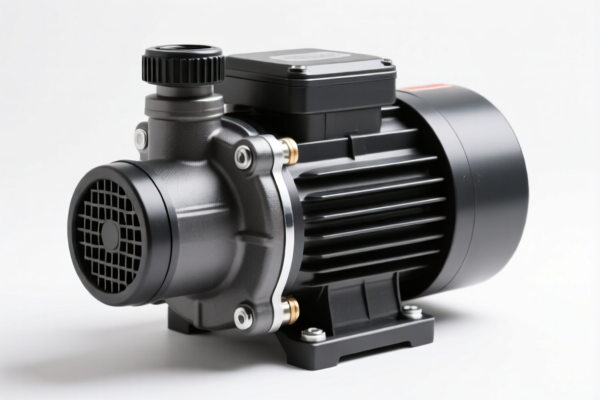
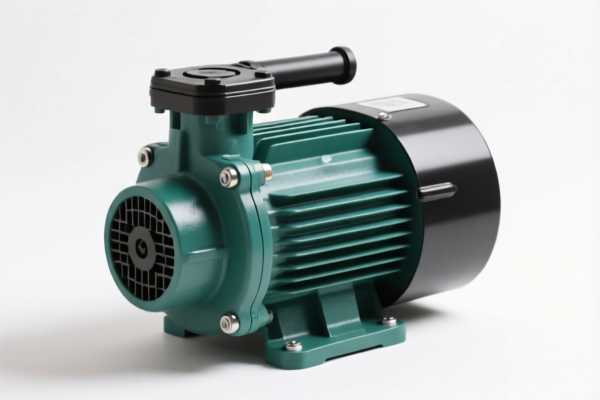
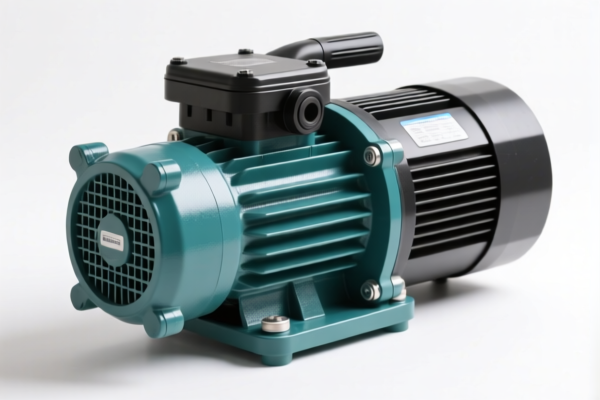
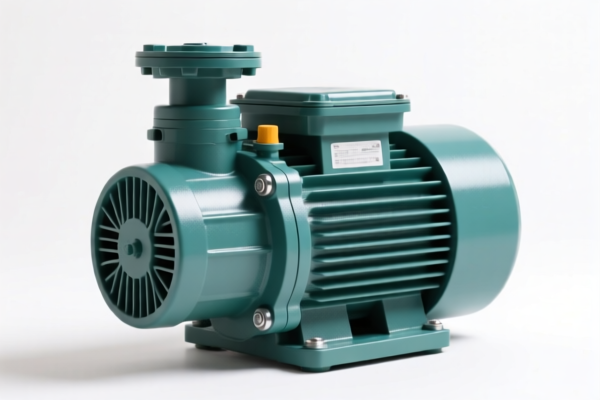
AI Analysis
🌊 Circulating Pumps (Hydraulic Lifters & Fluid Boosters)
🌐 HS Code Reference & Customs Clearance Guide | 2026 Latest Tariff Analysis | Professional Clearance Strategy
📌 I. Product Definition: What is a "Circulating Pump"?
A circulating pump is a mechanical device used to move fluids (liquids or gases) in a closed loop system. In international trade, these are generally classified under Chapter 84 (Nuclear reactors, boilers, machinery and mechanical appliances). However, the specific HS Code depends heavily on the working principle, fluid type (liquid vs. gas/vacuum), and specific application.
Key Distinctions: * Liquid Pumps: Used for water, oil, chemicals, etc. (Most common for "circulating pumps" in HVAC/Plumbing). * Vacuum/Gas Pumps: Used for air removal or vacuum creation. * Specific vs. General: Some pumps have specific sub-headings; others fall into "other" or "sundry" categories.
⚠️ Critical Classification Point:
- If it pumps liquids → Typically 8413 or 8414 (depending on type).
- If it creates a vacuum or pumps gases (like air) → Typically 8414.
- "Sundry" or "Other" codes often carry the "Catch-all" (兜底) classification, which may attract higher scrutiny or specific tariff lines.
📦 II. HS Code Classification Details (2026 Latest Tariff Data)
Based on the provided data, here are the specific HS Codes and their rationales for circulating pumps:
| HS Code | Product Description | Logic/Rationale for Classification | Total Tax Rate |
|---|---|---|---|
8413.81.00.30 |
Liquid Pumps / Lifters / Other | "Catch-all" Category (兜底类目): Used for liquid pumps that don't fit specific sub-headings (e.g., positive displacement or rotary types not listed elsewhere). | 35.0% |
8413.20.00.00 |
Liquid Pumps | "Description Missing Principle" (描述缺失原则): Applies when the pump is a liquid pump but specific attributes (like head, flow, or drive type) are not detailed enough for more specific codes. | 35.0% |
8414.10.00.00 |
Vacuum Pumps | "Superordinate Inclusion" (上位词包含关系): If the circulating pump is used to create a vacuum or move gases/air in a vacuum context, it falls under this broader category. | 37.5% |
8414.20.00.00 |
Air Pumps / Gas Pumps | "Consistent Use & Attributes" (用途及设备属性一致): Specifically for pumps designed to move air or non-condensable gases. If your "circulating pump" is actually an air circulator, this applies. | 38.7% |
8413.81.00.30 |
Liquid Pumps / Lifters / Other | Duplicate: Same as first entry. Reinforces that general liquid circulating pumps without specific rotary/positive displacement details fall here. | 35.0% |
🔍 Key Insight:
- Most water circulating pumps (for HVAC, radiators, industrial cooling) fall under 8413.81.00.30 or 8413.20.00.00 with a 35% total tax.
- If the pump is misidentified as an air pump (8414.20.00.00), the tax jumps to 38.7%.
- If it's a vacuum pump (8414.10.00.00), the tax is 37.5%.
- Accuracy is critical: Misclassification between liquid and gas pumps can lead to penalties.
💰 III. 2026 Latest Tariff Rate Breakdown (Including Additional Duties)
✅ Applicable Country: USA (US)
✅ Origin: China (CN)
✅ Effective Date: Post-2025 (Includes current surcharges)
🎯 1. 8413.81.00.30 & 8413.20.00.00 —— Liquid Pumps (General/Catch-all)
| Item | Content |
|---|---|
| Base Tariff | 0.0% |
| Section 301 Surcharge | +25.0% (Additional Duty) |
| Section 122 Tariff | +10.0% (Specific provision for certain mechanical appliances) |
| Total Tax Rate | 35.0% |
| Tax Calculation | CIF Value × 35% |
| De Minimis Exemption | ❌ Not Eligible (deny_de_minimis) |
| Legal Basis Path | USITC:8413.81.00.30 → SECTION_301:25% → SECTION_122:10% |
📌 Explanation:
- Base 0%: Standard MFN rate for many pumps is low or zero.
- 25% Section 301: Standard US-China trade war surcharge on Chapter 84 machinery.
- 10% Section 122: Additional duty on specific mechanical pumps/appliances.
- Total 35%: This is a significant cost factor. No de minimis exemption applies, meaning every shipment is subject to this.
🎯 2. 8414.10.00.00 —— Vacuum Pumps
| Item | Content |
|---|---|
| Base Tariff | 2.5% |
| Section 301 Surcharge | +25.0% |
| Section 122 Tariff | +10.0% |
| Total Tax Rate | 37.5% |
| Tax Calculation | CIF Value × 37.5% |
| De Minimis Exemption | ❌ Not Eligible |
| Legal Basis Path | USITC:8414.10.00.00 → SECTION_301:25% → SECTION_122:10% |
📌 Note:
- The base tariff is higher (2.5%) compared to liquid pumps.
- Total rate is 2.5% higher than general liquid pumps.
🎯 3. 8414.20.00.00 —— Air/Gas Pumps
| Item | Content |
|---|---|
| Base Tariff | 3.7% |
| Section 301 Surcharge | +25.0% |
| Section 122 Tariff | +10.0% |
| Total Tax Rate | 38.7% |
| Tax Calculation | CIF Value × 38.7% |
| De Minimis Exemption | ❌ Not Eligible |
| Legal Basis Path | USITC:8414.20.00.00 → SECTION_301:25% → SECTION_122:10% |
📌 Note:
- Highest tax rate among the listed codes.
- Ensure the product is not misclassified as an air pump if it’s primarily for liquid circulation.
🛠️ IV. Customs Clearance Practical Advice (Avoid Pitfalls)
✅ 1. Required Documentation Checklist
| Document | Required? | Description |
|---|---|---|
| ✅ Product Specifications | ✔️ | Must specify: Fluid type (liquid/gas), Max pressure, Flow rate, Power source. |
| ✅ Technical Drawings | ✔️ | Internal structure: Impeller type, Seal type, Material. |
| ✅ Product Photos | ✔️ | Clear images of nameplate, inlet/outlet ports, motor. |
| ✅ Commercial Invoice | ✔️ | Clearly state "Circulating Pump for Liquid" or "Vacuum Pump" as appropriate. |
| ✅ Packing List | ✔️ | Itemize components. Avoid splitting a single pump into "motor + casing" if they are sold as one unit. |
| ✅ Origin Certificate | ✔️ | Proof of Chinese origin (triggers 35-38.7% taxes). |
✅ 2. Declaration Tips (Golden Rules)
🔥 "Fluid Type Defines Code, Accuracy Saves Money!"
| Scenario | Correct Declaration | Wrong Declaration |
|---|---|---|
| Water Circulator (HVAC) | 8413.81.00.30 |
Declare as "Air Pump" → 38.7% (Overpay) |
| Industrial Chemical Pump | 8413.20.00.00 |
Declare as "Vacuum Pump" → 37.5% (Risk of penalty) |
| Oil Circulator | 8413.81.00.30 |
Vague term "Pump" → Customs may reclassify |
| Vacuum System Pump | 8414.10.00.00 |
Declare as "Liquid Pump" → Misclassification |
✅ 3. Special Case Handling
| Situation | Recommendation |
|---|---|
| Dual-Use Pumps (Can pump liquid or gas?) | Declare based on primary intended use. If primarily for liquid, use 8413. Provide evidence (manual, marketing). |
| Pump + Motor Set | Declare as one unit under the pump code. Do not split. |
| Spare Parts | If importing only impellers/seals, use 8413.91 or 8414.90 (not in data, but common). Ensure they are not classified as complete pumps. |
| OEM/Custom Pumps | Provide customer specs to justify "Catch-all" classification under 8413.81.00.30. |
🌍 V. Global Market Comparison (2026)
| Country/Region | Recommended HS Code | Total Tax (China Origin) | Key Certification | Notes |
|---|---|---|---|---|
| 🇺🇸 USA | 8413.81.00.30 |
35.0% | None specific | High tariffs due to Section 301 & 122. |
| 🇪🇺 EU | 8413.81 |
~3-4.5% | CE, RoHS | No Section 301 equivalent. |
| 🇨🇳 China | 8413.81 |
0% (Export) | CCC (if domestic) | Export duty is 0%. |
| 🇯🇵 Japan | 8413.81 |
~5-6% | PSE | Moderate tariffs. |
📌 Conclusion:
- USA is the most expensive market due to additional tariffs (Section 122 + 301).
- Accurate classification between liquid (8413) and gas/vacuum (8414) is critical to avoid 38.7% vs 35.0% differential.
- No de minimis exemption applies, so small shipments are also taxed.
📌 VI. Common Errors & Pitfalls (Lessons Learned)
❌ Error 1: Declaring a liquid circulating pump as an "Air Pump" (8414.20.00.00)
👉 Consequence: Tax increases from 35% to 38.7%. Unnecessary cost.
❌ Error 2: Using vague description "Mechanical Pump" without specifying fluid type
👉 Consequence: Customs may reclassify to the highest applicable rate or hold shipment for inspection.
❌ Error 3: Splitting a pump and motor into two separate shipments to reduce value
👉 Consequence: Customs may assess duties on the combined value as a single unit, plus penalties for improper splitting.
❌ Error 4: Ignoring Section 122 implications
👉 Consequence: Assuming only 25% tax when the actual rate is 35%. Underpayment leads to penalties and back taxes.
✅ Correct Practice:
"Liquid Circulating Pump, Centrifugal Type, for HVAC Water Circulation, Max Pressure 10 Bar, Model XYZ, Made in China"
🎯 VII. Conclusion: Professional Classification, Cost Optimization!
🎯 Remember the Mantra:
🔹 "Liquid 35%, Gas 38%, Vacuum 37.5%, Be Specific to Save!"
🔹 "Section 301 + 122 = 35% Minimum, Never Assume De Minimis!"
📌 Pro Tip:
If your pump is originating from Vietnam, Mexico, or other countries with favorable trade agreements, you may qualify for lower tariffs.
For Chinese-origin pumps, pre-classification rulings with US Customs (CBP) are highly recommended to avoid disputes on 8413 vs 8414.
📣 Immediate Action:
📞 Consult a licensed customs broker + Provide detailed specs + Verify Section 122 applicability
🚀 Ensure accurate HS Code selection to optimize costs and ensure smooth clearance.
✨ Precision in Classification is Key!
💼 Every percentage point counts in global trade!
Customer Reviews
About HS Code Classification
The Harmonized System (HS) is an internationally standardized nomenclature developed by the World Customs Organization (WCO) to classify traded products. Over 200 countries use the HS system as the basis for customs tariffs, trade statistics, and import/export regulations.
Each HS code follows a hierarchical structure:
- Chapter (2 digits) — Broad category of goods (e.g., Chapter 84: Machinery and Mechanical Appliances)
- Heading (4 digits) — More specific grouping within the chapter
- Subheading (6 digits) — Internationally standardized breakdown, used by all WCO member countries
- National subdivisions (8-10 digits) — Country-specific extensions for further classification, such as US HTSUS 10-digit codes
Correct HS code classification is essential for smooth customs clearance, accurate duty payment, and compliance with trade regulations. Misclassification can lead to customs delays, overpayment of duties, or penalties.
When importing from CN to US, the applicable tariff rates may include:
- Most-Favored-Nation (MFN) rate — The standard duty rate applied to WTO members
- General rate — Applied to countries without trade agreements
- Trade remedy duties — Additional tariffs such as Section 301 (anti-dumping), Section 232 (national security), or countervailing duties
The information provided on this page is for reference purposes only. For official classification, please consult with your local customs authority or a licensed customs broker.