cleaning ball
CN → US| HS Code | Tariff Rate | Origin | Destination | Doc |
|---|---|---|---|---|
| 6307102028 | 22.8% | CN | US | Official Doc |
| 6307909891 | 24.5% | CN | US | Official Doc |
| 5603110070 | 35.0% | CN | US | Official Doc |
| 7326190080 | 87.9% | CN | US | Official Doc |
| 7326908688 | 87.9% | CN | US | Official Doc |
Product Images
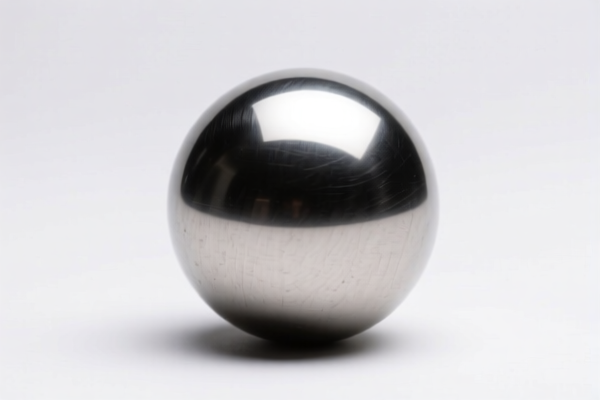
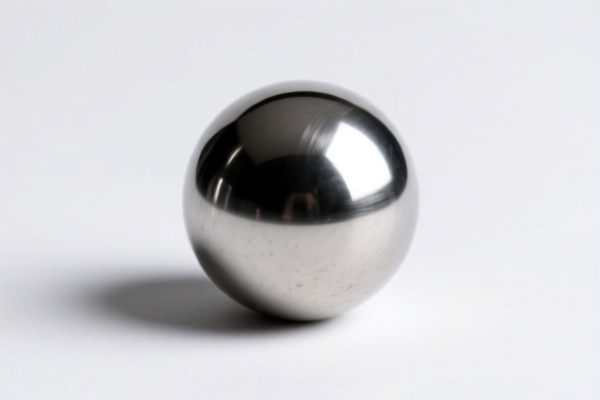
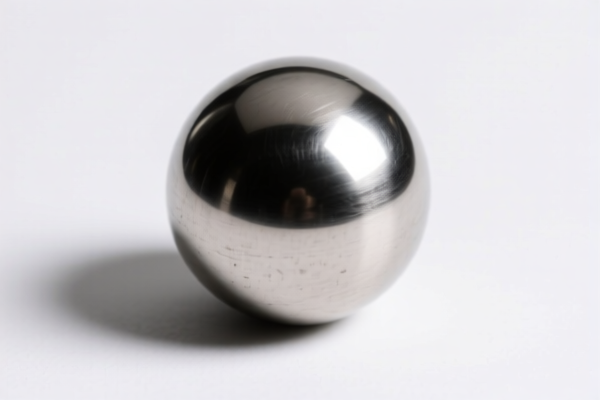
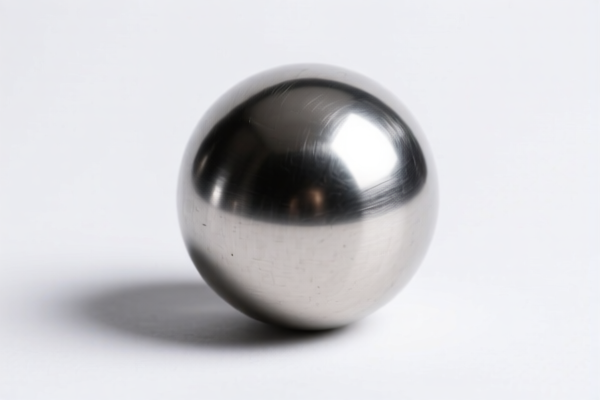
AI Analysis
🧽 Cleaning Balls (Abrasive Scouring Pads/Sponges)
🌐 HS Code Reference & Customs Clearance Guide | 2026 Latest Tariff Analysis | Professional Clearance Strategy
📌 I. Product Definition & Classification: Do You Really Know "Cleaning Balls"?
Cleaning balls are essential household and industrial cleaning tools. In international trade, they are categorized based on their material composition and manufacturing structure. The classification drastically affects the tax burden, especially when importing from China to the United States.
There are three main material categories for cleaning balls:
- Textile-Based: Made from cellulose, cotton, synthetic fibers (non-woven or woven).
- Fiber/Non-Woven Fabric: Specifically classified under Chapter 56 if they are non-woven structures.
- Metallic: Made from steel wool or wire mesh.
⚠️ Key Distinction Point:
- Non-woven/Synthetic Fiber: Often falls under Chapter 56 (Non-wovens) or Chapter 63 (Made-up articles).
- Textile/Woven: Falls under Chapter 63 (Other made-up textile articles).
- Metal: Falls under Chapter 73 (Articles of Iron or Steel).
📦 II. HS Code Classification Details (2026 Latest Tariff Authority Reference)
| HS Code | Product Description | Applicable Scenario | Material Inference |
|---|---|---|---|
6307.10.20.28 |
Cleaning Cloths & Pads (Non-Cotton) | Household cleaning balls made of synthetic textiles, cellulose, or blended fabrics. | 🧵 Non-Cotton Textile |
6307.90.98.91 |
Other Made-Up Articles | General finished cleaning products that don’t fit specific textile sub-categories. | 🧽 Generic Finished Good |
5603.11.00.70 |
Non-Woven Fabrics, Weight ≤ 25g/m² | Cleaning balls primarily made of synthetic non-woven fiber structures. | 🌐 Non-Woven Fiber |
7326.19.00.80 |
Other Articles of Iron/Steel | Cleaning balls made of steel wool or metal wire mesh. | ⚙️ Metallic/Steel |
7326.90.86.88 |
Other Articles of Iron/Steel | Metal cleaning tools not specifically listed elsewhere. | 🔩 Metallic/Derogatory |
🔍 Key Reminder:
- Textile/Nylon/Cotton-based balls: Must be declared as textile products (Ch 63/60).
- Steel Wool: Must be declared as metal products (Ch 73).
- Misclassification Risk: Declaring steel wool as "plastic" or vice versa leads to severe penalties and shipment delays.
💰 III. 2026 Latest Tariff Rate Breakdown (Including Additional Taxes, Policy Surcharges)
✅ Applicable Country: United States (US)
✅ Origin: China (CN)
✅ Effective Date: 2025/2026 (Current Section 301 & 1220 Tariffs Applied)
🎯 1. 6307.10.20.28 —— Cleaning Cloths/Pads (Non-Cotton Textile)
| Item | Content |
|---|---|
| Base Duty | 5.3% |
| Section 301 Surcharge | +7.5% |
| Section 1220 Surcharge | +10% |
| Total Rate | 22.8% |
| Tax Calculation | CIF Value × 22.8% |
| De Minimis Exemption | ❌ No (Deny De Minimis) |
| Legal Basis Path | USITC:6307.10.20.28 → Section 301: HTS 6307 → Section 1220 |
📌 Explanation:
- Base 5.3%: Standard MFN duty for cleaning cloths.
- Section 301 (+7.5%): Additional duty on Chinese textiles/cleaning goods.
- Section 1220 (+10%): New "De Minimis" exemption removal tax for Chinese imports.
- Total 22.8%: This is a moderate-to-high rate for soft goods.
🎯 2. 6307.90.98.91 —— Other Made-Up Articles (Generic Cleaning)
| Item | Content |
|---|---|
| Base Duty | 7.0% |
| Section 301 Surcharge | +7.5% |
| Section 1220 Surcharge | +10% |
| Total Rate | 24.5% |
| Tax Calculation | CIF Value × 24.5% |
| De Minimis Exemption | ❌ No (Deny De Minimis) |
| Legal Basis Path | USITC:6307.90.98.91 → Section 301 → Section 1220 |
📌 Note:
- Slightly higher base duty (7.0%) than specific cleaning cloth codes.
- Used when the product doesn't fit the specific "non-cotton cleaning cloth" definition but is still a textile/made-up article.
🎯 3. 5603.11.00.70 —— Non-Woven Fabrics (≤ 25g/m²)
| Item | Content |
|---|---|
| Base Duty | 0.0% |
| Section 301 Surcharge | +25.0% |
| Section 1220 Surcharge | +10% |
| Total Rate | 35.0% |
| Tax Calculation | CIF Value × 35.0% |
| De Minimis Exemption | ❌ No (Deny De Minimis) |
| Legal Basis Path | USITC:5603.11.00.70 → Section 301: HTS 5603 → Section 1220 |
📌 Critical Warning:
- Although the Base Duty is 0%, the Section 301 surcharge is a heavy 25%.
- This is because non-woven fabrics are often targeted with higher tariffs to protect domestic manufacturing.
- Total 35% is significantly higher than textile alternatives (6307). Avoid this classification if possible unless the product is strictly non-woven and cannot be classified as a "cleaning cloth."
🎯 4. 7326.19.00.80 —— Other Articles of Iron/Steel (Metallic Cleaning Balls)
| Item | Content |
|---|---|
| Base Duty | 2.9% |
| Section 301 Surcharge | +25.0% |
| Section 1220 Surcharge | +10% |
| Steel/Aluminum/Copper Surcharge | +50% |
| Total Rate | 87.9% |
| Tax Calculation | CIF Value × 87.9% |
| De Minimis Exemption | ❌ No (Deny De Minimis) |
| Legal Basis Path | USITC:7326.19.00.80 → Section 301 → Section 232/1220 |
📌 Critical Warning:
- Base 2.9%: Low base duty for steel.
- Section 301 (+25%): Standard Section 301 tariff.
- Steel/Aluminum Surcharge (+50%): Under Section 232, steel articles face an additional 50% tariff.
- Total 87.9%: EXTREMELY HIGH. Importing steel wool or metal scouring pads from China to the US is prohibitively expensive unless you have a specific exemption or are manufacturing in a third country.
🎯 5. 7326.90.86.88 —— Other Articles of Iron/Steel (Metallic)
| Item | Content |
|---|---|
| Base Duty | 2.9% |
| Section 301 Surcharge | +25.0% |
| Section 1220 Surcharge | +10% |
| Steel/Aluminum/Copper Surcharge | +50% |
| Total Rate | 87.9% |
| Tax Calculation | CIF Value × 87.9% |
| De Minimis Exemption | ❌ No (Deny De Minimis) |
| Legal Basis Path | USITC:7326.90.86.88 → Section 301 → Section 232 |
📌 Note:
- Same as above. Any metal cleaning tool (steel wool, metal mesh balls) faces the 87.9% total tariff.
- Recommendation: Do not ship metallic cleaning products from China to the US under these HS Codes. Consider sourcing from Vietnam, Thailand, or Mexico to avoid Section 232 and 301 tariffs.
🛠️ IV. Customs Clearance Practical Advice (Pitfall Avoidance Guide)
✅ 1. Essential Documentation Checklist
| Document | Mandatory | Description |
|---|---|---|
| ✅ Product Specification Sheet | ✔️ | Material composition (e.g., "100% Nylon", "Steel Wool"), dimensions, weight. |
| ✅ Product Photos (Clear) | ✔️ | Show the texture. Is it woven? Non-woven? Metallic? Crucial for Customs verification. |
| ✅ Commercial Invoice | ✔️ | Must clearly state: "Cleaning Ball, [Material], [Usage]". Avoid vague terms like "Household Item". |
| ✅ Packing List | ✔️ | Itemized weight and count. |
| ✅ Certificate of Origin (CO) | ✔️ | Required for tariff preference claims (if not CN origin). |
✅ 2. Declaration Strategy (Key Mantra)
🔥 "Material First, Function Second! Don't Hide the Steel!"
| Scenario | Correct Declaration | Error to Avoid |
|---|---|---|
| Nylon/Cellulose Ball | 6307.10.20.28 (Cleaning Cloth) |
Misclassify as 5603 (Non-woven) → Saves 12.2% tax! |
| Steel Wool | 7326.19.00.80 (Steel Article) |
Declaring as "Plastic" → Smuggling/Fraud Risk |
| Generic Sponge-Ball | 6307.90.98.91 |
If it's textile, use 6307.10 for lower tax. |
| Metal Mesh | 7326.90.86.88 |
Same as above. High tax inevitable. |
✅ 3. Special Handling Cases
| Situation | Handling Advice |
|---|---|
| Mixed Materials (e.g., Sponge + Metal Pad) | Split Declaration. Declare the sponge part as Textile (Ch 63) and the metal part as Steel (Ch 73). Do not lump them together. |
| OEM Custom Cleaning Balls | Provide design drawings showing material layers. Customs will verify if it's "Non-woven" or "Woven". |
| Imports from Vietnam/Thailand | Apply for IEEPA Exemption or preferential rates. Steel wool from Vietnam may still face Section 232, but textile balls may have 0-5% tariffs. |
| De Minimis (Section 321) | ⚠️ WARNING: As of 2025/2026, Section 321 De Minimis is suspended for Chinese goods. All items from China are subject to full duty + surcharges. |
🌍 V. Global Market Comparison (2026 Latest)
| Country/Region | Recommended HS Code | Total Tariff (from China) | Certification Requirements | Notes |
|---|---|---|---|---|
| 🇺🇸 USA | 6307.10.20.28 (Textile) |
22.8% | FCC (if electronic), Prop 65 (if chemicals) | Steel balls: 87.9% |
| 🇨🇳 China | 6307.10.20.28 |
5% - 10% | None | Low export cost |
| 🇪🇺 EU | 6307.90.98.91 |
0% - 6% | REACH (Chemicals) | No Section 301/1220 |
| 🇦🇺 Australia | 6307.10.20.28 |
5% - 10% | WELS (if wetting agents) | Generally low tariffs |
| 🇯🇵 Japan | 6307.90.98.91 |
0% - 5% | JIS Standards | Low tariffs |
📌 Conclusion:
- USA is the most expensive market for Chinese cleaning balls due to Section 301, 1220, and 232 tariffs.
- Textile-based balls (22.8%) are significantly cheaper to import than Metallic balls (87.9%).
- Non-woven classification (35%) is a trap; ensure correct textile classification if possible.
📌 VI. Common Errors & Pitfall Guide (Lessons Learned)
❌ Error 1: Declaring Steel Wool as "Plastic Cleaning Pad"
👉 Consequence: Customs seizes goods, fines for misdeclaration, and back-taxes. Do not lie!
❌ Error 2: Using HS 5603 for standard woven cleaning cloths
👉 Consequence: Paying 35% instead of 22.8%. Overpayment due to incorrect material classification.
❌ Error 3: Assuming De Minimis ($800) applies
👉 Consequence: Shipment held at border. Section 321 is suspended for China. You must pay duties upfront.
❌ Error 4: Ignoring Section 232 Steel Tariff
👉 Consequence: Unexpected 50% surcharge on metallic items. Always check if the product contains iron/steel.
✅ Correct Declaration Example:
"Cleaning Ball, Household Use, Made of 100% Synthetic Non-Cotton Fibers, Model XYZ, No Electronics" → HS 6307.10.20.28
🎯 VII. Conclusion: Smart Classification Saves Money!
🎯 Remember the Mantra:
🔹 "Steel is 87.9%, Non-Woven is 35%, Textile is 22.8%. Choose wisely!"
🔹 "No De Minimis for China! Budget for Full Duties!"
🔹 "Material Defines HS Code, HS Code Defines Profit!"
📌 Pro Tip:
If you are selling metallic cleaning balls, consider sourcing from Vietnam or Thailand to avoid the 50% Steel Surcharge and Section 301 tariffs. For textile balls, Vietnam/Thailand may offer 0-5% tariffs under various FTAs.
📣 Immediate Action:
📞 Consult a Customs Broker + Provide Material Specs + Verify Origin
🚀 Optimize your HS Code to save up to 65% in taxes!
✨ Professional Clearance Starts with Accurate Classification!
💼 Every Percent Matters in Your Supply Chain!
Customer Reviews
About HS Code Classification
The Harmonized System (HS) is an internationally standardized nomenclature developed by the World Customs Organization (WCO) to classify traded products. Over 200 countries use the HS system as the basis for customs tariffs, trade statistics, and import/export regulations.
Each HS code follows a hierarchical structure:
- Chapter (2 digits) — Broad category of goods (e.g., Chapter 84: Machinery and Mechanical Appliances)
- Heading (4 digits) — More specific grouping within the chapter
- Subheading (6 digits) — Internationally standardized breakdown, used by all WCO member countries
- National subdivisions (8-10 digits) — Country-specific extensions for further classification, such as US HTSUS 10-digit codes
Correct HS code classification is essential for smooth customs clearance, accurate duty payment, and compliance with trade regulations. Misclassification can lead to customs delays, overpayment of duties, or penalties.
When importing from CN to US, the applicable tariff rates may include:
- Most-Favored-Nation (MFN) rate — The standard duty rate applied to WTO members
- General rate — Applied to countries without trade agreements
- Trade remedy duties — Additional tariffs such as Section 301 (anti-dumping), Section 232 (national security), or countervailing duties
The information provided on this page is for reference purposes only. For official classification, please consult with your local customs authority or a licensed customs broker.