cleaning liquid bottle set
CN → US| HS Code | Tariff Rate | Origin | Destination | Doc |
|---|---|---|---|---|
| 3402905030 | 38.7% | CN | US | Official Doc |
| 3924905650 | 20.9% | CN | US | Official Doc |
| 3924104000 | 13.4% | CN | US | Official Doc |
| 3402505100 | 35.0% | CN | US | Official Doc |
Product Images
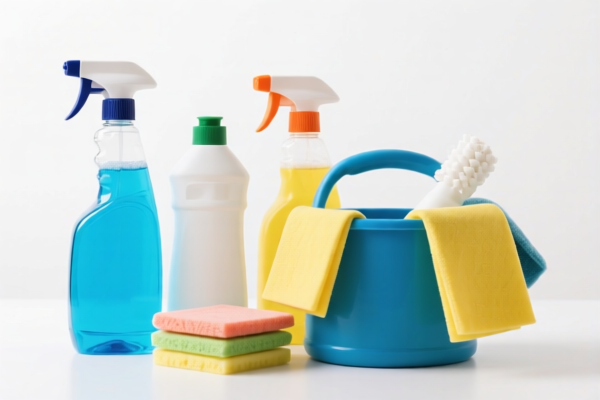
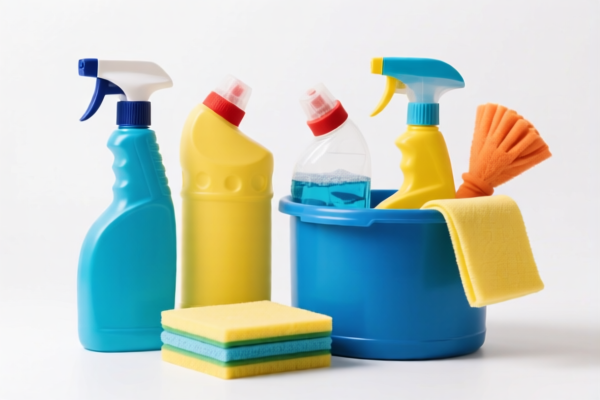
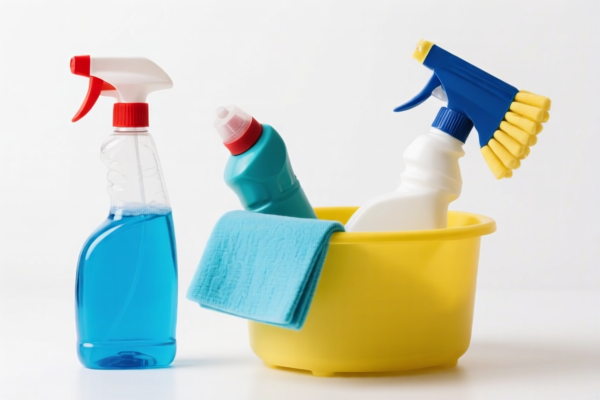
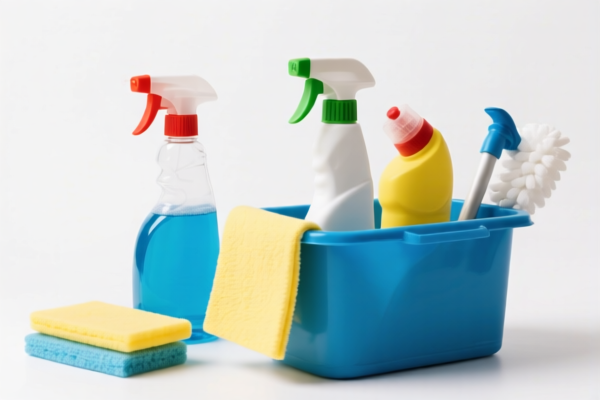
AI Analysis
🧴 Cleaning Liquid Bottle Set: Comprehensive HS Code Classification & US Customs Clearance Guide (2026)
🌐 HS Code Reference & Customs Clearance Guide | 2026 Latest Tariff Analysis | Professional-Level Strategy 📌 I. Product Definition & Classification: Do You Really Understand "Cleaning Sets"?
A "Cleaning Liquid Bottle Set" is a common consumer good, but its classification in international trade depends entirely on its primary material, chemical composition, and intended use. In US Customs terms, it is not a single fixed category. It is fragmented based on whether it is viewed as a plastic household item, a chemical container, or a cleaning preparation.
Two Main Classification Paths:
-
Plastic Household/Sanitary Articles (Plastic Focus):
- If the value of the set is dominated by the plastic bottles/containers, and they are used for general household cleaning or hygiene.
- Key Indicator: Plastic material, household use.
-
Cleaning Preparations/Chemical Agents (Content Focus):
- If the set includes cleaning chemicals (surfactants, detergents) and the packaging is incidental.
- Key Indicator: Presence of cleaning agents, surfactants, or chemical formulations.
⚠️ Critical Distinction:
- If the bottles are empty or the primary value is the plastic container, classify under Chapter 39 (Plastics).
- If the bottles contain cleaning liquids and the value is driven by the chemical content, classify under Chapter 34 (Soap, Organic Surface-Active Agents).
- Do NOT split the shipment into "empty bottles" and "liquid chemicals" if they are sold together as a single retail unit; declare the principal character of the set.
📦 II. HS Code Classification Details (2026 Latest Tariff Authority Comparison)
Based on the provided data for "Cleaning Liquid Bottle Set," here are the four possible classifications with their specific tax implications.
| HS Code | Product Description | Application Scenario | Key Classification Criteria |
|---|---|---|---|
3402.90.50.30 |
Cleaning Sets, meeting cleaning preparation usage | Sets containing cleaning agents/chemicals for general cleaning purposes | ✅ Chemical/Preparation Focus: Contains cleaning solutions, surfactants, or detergents. The plastic bottle is just packaging. |
3924.90.56.50 |
Cleaning Sets, Plastic Material, Household & Hygiene Products | Sets where plastic containers are the main component, used for general household cleaning | ✅ Material Focus: Plastic bottles/containers. No significant chemical content value. General household use. |
3924.10.40.00 |
Cleaning Sets, Plastic Sanitary or Toilet Articles | Plastic bottles specifically for toilet, bath, or sanitary hygiene cleaning | ✅ Sanitary Focus: Intended for bathroom/toilet hygiene. Plastic material. |
3402.50.51.00 |
Cleaning Sets, Surfactants & Cleaning Preparations | Sets where the primary value is the surfactant/cleaning chemical itself | ✅ Surfactant Focus: High concentration of active cleaning agents. Packaging is secondary. |
🔍 Key Reminder:
- If your product is a bottle of detergent, it usually falls under 3402.
- If your product is a set of empty plastic spray bottles, it falls under 3924.
- If it is a mixed set (e.g., one bottle of cleaner + two empty scrubbing bottles), you must determine the principal character. If the cleaner dominates the value/use, use 3402. If the containers dominate, use 3924.
💰 III. 2026 Latest Tariff Rate Breakdown (Including Surtaxes & Policy Add-ons)
✅ Applicable Country: United States (US)
✅ Origin: China (CN)
✅ Effective Time: 2025/2026 (Current Trade Environment)
🎯 1. 3402.90.50.30 —— Cleaning Sets (Preparation Focus)
| Item | Detail |
|---|---|
| Base Duty Rate | 3.7% |
| Section 301 Surtax | +25.0% |
| Section 122 Duty | +10.0% |
| Total Effective Tax Rate | 38.7% |
| Tax Calculation | CIF Value × 38.7% |
| De Minimis Exemption | ❌ Not Eligible (deny_de_minimis) |
| Legal Basis Path | USITC:3402.90.50.30 → Section 301: 25% → Section 122: 10% |
📌 Explanation:
- This is a high-tax category because it is considered a chemical product from China.
- The 25% Section 301 tariff applies to many chemical preparations.
- The 10% Section 122 tariff applies to certain goods from China under specific trade provisions.
- Total 38.7% is a significant cost driver. Plan pricing accordingly.
🎯 2. 3924.90.56.50 —— Plastic Cleaning Sets (Household Focus)
| Item | Detail |
|---|---|
| Base Duty Rate | 3.4% |
| Section 301 Surtax | +7.5% |
| Section 122 Duty | +10.0% |
| Total Effective Tax Rate | 20.9% |
| Tax Calculation | CIF Value × 20.9% |
| De Minimis Exemption | ❌ Not Eligible (deny_de_minimis) |
| Legal Basis Path | USITC:3924.90.56.50 → Section 301: 7.5% → Section 122: 10% |
📌 Explanation:
- This is the most common classification for plastic cleaning bottle sets that are primarily containers.
- The Section 301 rate is lower (7.5%) compared to chemical preparations.
- Still, with Section 122 (10%), the total is 20.9%, which is manageable but not negligible.
🎯 3. 3924.10.40.00 —— Plastic Sanitary/Toilet Articles
| Item | Detail |
|---|---|
| Base Duty Rate | 3.4% |
| Section 301 Surtax | +0.0% |
| Section 122 Duty | +10.0% |
| Total Effective Tax Rate | 13.4% |
| Tax Calculation | CIF Value × 13.4% |
| De Minimis Exemption | ❌ Not Eligible (deny_de_minimis) |
| Legal Basis Path | USITC:3924.10.40.00 → Section 122: 10% |
📌 Explanation:
- Lowest Tax Rate!
- This classification applies if the bottles are specifically for sanitary/toilet use (e.g., toilet brush holders, bathroom cleaning bottle sets).
- No Section 301 surcharge (0%) makes this the most cost-effective option if the product qualifies.
- Risk: Customs may challenge this if the product is used for general kitchen/living room cleaning. You must prove sanitary/toilet use.
🎯 4. 3402.50.51.00 —— Surfactants & Cleaning Preparations
| Item | Detail |
|---|---|
| Base Duty Rate | 0.0% |
| Section 301 Surtax | +25.0% |
| Section 122 Duty | +10.0% |
| Total Effective Tax Rate | 35.0% |
| Tax Calculation | CIF Value × 35.0% |
| De Minimis Exemption | ❌ Not Eligible (deny_de_minimis) |
| Legal Basis Path | USITC:3402.50.51.00 → Section 301: 25% → Section 122: 10% |
📌 Explanation:
- Base duty is 0%, but the Section 301 surcharge (25%) is high.
- Total 35.0% is lower than3402.90.50.30(38.7%) but higher than plastic classifications.
- Use this if the product is primarily a surfactant liquid in a bottle.
🛠️ IV. Customs Clearance Practical Advice (Real-World Pitfall Guide)
✅ 1. Document Checklist (No Exceptions)
| Document | Required | Description |
|---|---|---|
| ✅ Product Specification Sheet | ✔️ | Must clearly state: Material (Plastic vs. Chemical), Use (Household, Sanitary, or Industrial), Content (If liquid). |
| ✅ Product Photos (Labeled) | ✔️ | Show the bottle, label, and any "Sanitary/Toilet" markings. |
| ✅ Commercial Invoice | ✔️ | Clearly describe: "Plastic Cleaning Bottle Set" or "Cleaning Liquid Set with Surfactants." |
| ✅ Packing List | ✔️ | Detail items: e.g., "1x Plastic Spray Bottle, 1x Cleaning Liquid (500ml)." |
| ✅ Ingredient List (If Liquid) | ✔️ | For HS 3402 codes, customs may require surfactant concentration or chemical composition. |
| ✅ Origin Certificate | ✔️ | To prove China origin for Section 301/122 assessment. |
✅ 2. Declaration Tips (Key Mnemonic)
🔥 "Material First, Use Second, Sanitary Saves Tax!"
| Scenario | Correct HS Code | Incorrect Action | Consequence |
|---|---|---|---|
| Plastic bottles for general home cleaning | 3924.90.56.50 (20.9%) |
Misdeclare as 3402 (38.7%) |
Overpay tax by ~18% |
| Plastic bottles for toilet/bathroom use | 3924.10.40.00 (13.4%) |
Misdeclare as general plastic | Overpay tax by ~7.5% |
| Bottles filled with detergent | 3402.90.50.30 (38.7%) |
Misdeclare as plastic bottles | Misclassification + Penalties |
| Surfactant liquid set | 3402.50.51.00 (35.0%) |
Split into "bottle" + "liquid" | Complex assessment, higher risk |
✅ 3. Special Cases
| Case | Handling Advice |
|---|---|
| Empty Plastic Bottles | Declare as Plastic Articles (3924). No chemical content. |
| Bottles + Liquid Sold Together | Determine Principal Character. If liquid value > 50% or essential function, use 3402. |
| Sanitary Toilet Brushes + Bottles | If the bottle is part of a toilet cleaning kit, argue for 3924.10.40.00 to save tax. |
| Mixed Set (Kitchen + Bathroom) | If mixed, customs may default to the higher tax or require splitting. Best to separate shipments. |
🌍 V. Global Market Comparison (2026)
| Country/Region | Recommended HS Code | Total Tax Rate (China Origin) | Notes |
|---|---|---|---|
| 🇺🇸 USA | 3924.10.40.00 |
13.4% | Lowest rate if sanitary use is proven. |
| 🇺🇸 USA | 3924.90.56.50 |
20.9% | Standard for general plastic cleaning sets. |
| 🇺🇸 USA | 3402.90.50.30 |
38.7% | Highest for chemical/cleaning prep sets. |
| 🇪🇺 EU | Various | 0-6.5% | No Section 301/122. VAT applies. |
| 🇨🇳 China | Various | 0-5% | Export side, no such surcharges. |
📌 Conclusion for US Market:
- Sanitary/Toilet Plastic Sets (3924.10.40.00) are the most cost-effective at 13.4%.
- General Plastic Sets (3924.90.56.50) are next at 20.9%.
- Chemical/Liquid Sets (3402) are expensive (35-38.7%).
- Strategy: If your product is a plastic bottle set, emphasize plastic material and sanitary/household use to avoid chemical classification.
📌 VI. Common Mistakes & Pitfalls (Lessons Learned)
❌ Mistake 1: Declaring a detergent-filled bottle as empty plastic bottles.
👉 Result: Customs inspection reveals liquid → Seizure, fines, and back taxes + 25% penalty.
❌ Mistake 2: Using 3924.10.40.00 for kitchen cleaning bottles.
👉 Result: Customs rejects "sanitary" claim → Reclassified to 3924.90.56.50 or 3402 → Back taxes + delay.
❌ Mistake 3: Ignoring Section 122 (10%).
👉 Result: All 4 HS codes above include 10% Section 122. Forgetting this leads to underpayment and audit flags.
❌ Mistake 4: Splitting a single retail set into "Bottle" and "Liquid" on the invoice.
👉 Result: Customs may assess higher combined rates or reject the split as artificial.
✅ Correct Approach:
"Plastic Cleaning Bottle Set, for Household Use, Model XYZ, Material: PP Plastic, Empty (or Filled with [Specific Liquid])"
🎯 VII. Conclusion: Professional Declaration, Cost Optimization!
🎯 Remember the Mnemonic:
🔹 "Sanitary Plastic = 13.4%, General Plastic = 20.9%, Liquid/Cleaner = 35-38.7%"
🔹 "Section 122 is 10% on All! Don't forget it!"
🔹 "Prove Sanitary Use to Save Tax! Document Material to Avoid Penalties!"
📌 Pro Tip:
If you are shipping empty plastic bottles, ensure the invoice states "EMPTY PLASTIC BOTTLES" and not "Cleaning Set." If filled, clearly state the liquid content.
📣 Action Required:
📞 Confirm with your freight forwarder: "Is my product primarily plastic or chemical?"
📄 Prepare Product Specs: Highlight material and intended use (Sanitary vs. General).
🚀 File Accurately: Use the correct HS code to avoid customs delays and unexpected taxes.
✨ Professional Customs Clearance Starts with Accurate Classification!
💼 Save Money by Choosing the Right HS Code!
Customer Reviews
About HS Code Classification
The Harmonized System (HS) is an internationally standardized nomenclature developed by the World Customs Organization (WCO) to classify traded products. Over 200 countries use the HS system as the basis for customs tariffs, trade statistics, and import/export regulations.
Each HS code follows a hierarchical structure:
- Chapter (2 digits) — Broad category of goods (e.g., Chapter 84: Machinery and Mechanical Appliances)
- Heading (4 digits) — More specific grouping within the chapter
- Subheading (6 digits) — Internationally standardized breakdown, used by all WCO member countries
- National subdivisions (8-10 digits) — Country-specific extensions for further classification, such as US HTSUS 10-digit codes
Correct HS code classification is essential for smooth customs clearance, accurate duty payment, and compliance with trade regulations. Misclassification can lead to customs delays, overpayment of duties, or penalties.
When importing from CN to US, the applicable tariff rates may include:
- Most-Favored-Nation (MFN) rate — The standard duty rate applied to WTO members
- General rate — Applied to countries without trade agreements
- Trade remedy duties — Additional tariffs such as Section 301 (anti-dumping), Section 232 (national security), or countervailing duties
The information provided on this page is for reference purposes only. For official classification, please consult with your local customs authority or a licensed customs broker.