cleaning scraper
CN → US| HS Code | Tariff Rate | Origin | Destination | Doc |
|---|---|---|---|---|
| 9603908030 | 20.3% | CN | US | Official Doc |
| 8209000060 | 39.6% | CN | US | Official Doc |
| 3924104000 | 13.4% | CN | US | Official Doc |
| 3924905650 | 20.9% | CN | US | Official Doc |
| 9603908050 | 70.3% | CN | US | Official Doc |
Product Images
AI Analysis
🧼 Cleaning Scraper: HS Code Classification & Tariff Strategy | 2026 Customs Clearance Guide
🌐 HS Code Reference & Customs Strategy | 2026 Tariff Analysis | Professional Clearance Solutions
📌 1. Product Definition: What is a "Cleaning Scraper"?
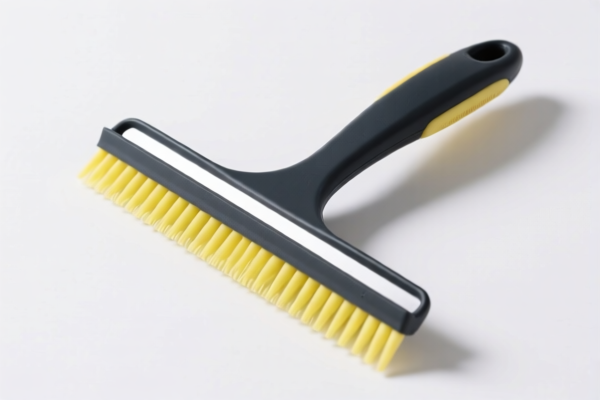
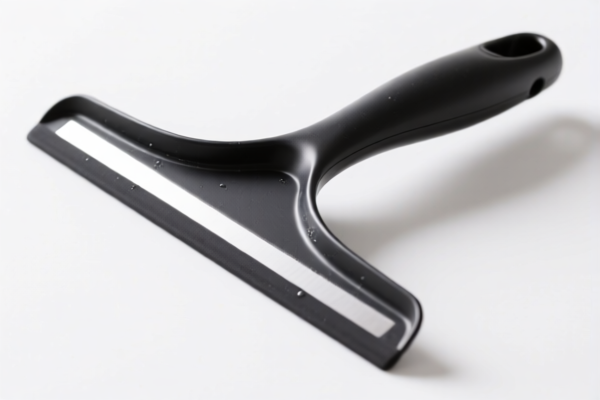
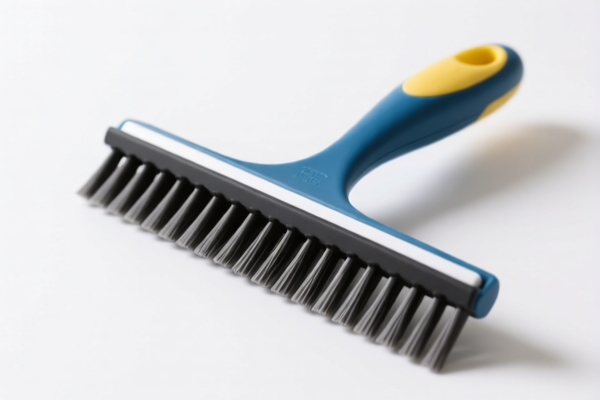
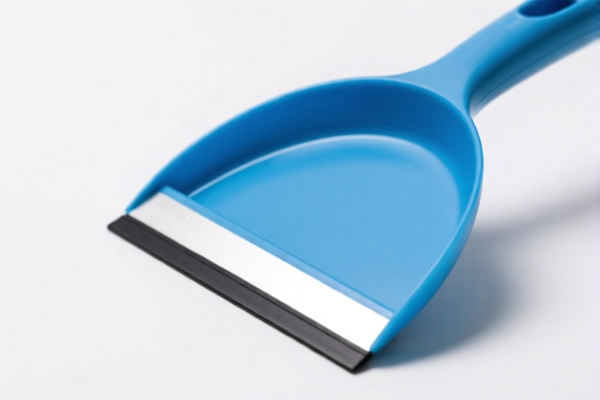
A Cleaning Scraper is a manual household or industrial tool used to remove debris, residues, ice, or stickers from surfaces. Its classification in international trade depends entirely on material composition and functional specificity.
⚠️ Key Distinction:
- Is it a general-purpose manual tool (like a broom or brush)? → Chapter 96
- Is it made of plastic for household use? → Chapter 39
- Is it a metal/ceramic tool tip or insert? → Chapter 82
- Is it a specific scraping blade mechanism? → Chapter 96 (Specific)
📦 2. HS Code Classification Matrix (Based on Provided Data)
| HS Code | Description | Material/Function Logic | Applicability |
|---|---|---|---|
9603.90.80.30 |
Manual Cleaning Tool | Classified as a general cleaning tool (like brooms/brushes). Broad "other" category for cleaning implements. | ✅ Best for generic plastic/rubber scrapers intended for general cleaning. |
8209.00.00.60 |
Metal/Ceramic Tool Tip | Classified as a tool part/insert made of metal or metal-ceramic. Fits "plates, rods, tips" for tools. | ⚠️ Only if the scraper is a replaceable metal/ceramic blade insert. |
3924.10.40.00 |
Plastic Tableware/Household | Classified as "Plastic tableware and other household articles." Assumes plastic material. | ✅ Common for plastic kitchen scrapers (e.g., for cleaning pots). |
3924.90.56.50 |
Plastic Other Household Item | Classified as "Other plastic household articles." A residual category for plastic items. | ✅ Alternative for plastic scrapers not fitting tableware definitions. |
9603.90.80.50 |
Specific Scraping Blade | Classified specifically as a "scraping plate/blade (non-roller)." High specificity. | ⚠️ High risk/high cost. Use only if the scraper is a specialized industrial blade. |
🔍 Critical Note:
- Plastic vs. Manual: If it's a simple plastic hand tool,3924.xxxxis often more competitive than9603.xxxxdue to lower base tariffs, BUT check for additional duties.
- Metal/Ceramic: If it involves metal parts,8209.00.00.60attracts severe penalties. Avoid this unless absolutely necessary.
- Specificity:9603.90.80.50is a "trap" code. It has the highest total tax rate (70.3%) due to steel/aluminum surcharges. Avoid unless the product is strictly an industrial steel blade.
💰 3. 2026 Tariff Rate Breakdown (Detailed Analysis)
✅ Context: Data reflects US Import Tariffs (Base + Section 301 + Section 232/IEEPA surcharges).
✅ Origin: China (CN) implies high additional duties.
🎯 1. 9603.90.80.30 – Manual Cleaning Tool (General)
- Summary: Classified under general manual cleaning tools.
- Tariff Structure:
- Base Duty: 2.8%
- Section 301 (Retaliatory): 7.5%
- 122 Clause Tariff: 10%
- Steel/Aluminum Surcharge: ❌ Not applicable (unless specified as metal).
- Total Rate: 20.3%
- Legal Path:
HTS:9603.90.80.30→Section 301: 7.5%→122 Clause: 10% - Strategy: Best Balance. Moderate risk, moderate cost. Good for general-purpose plastic or rubber scrapers.
🎯 2. 8209.00.00.60 – Metal/Ceramic Tool Tip
- Summary: Classified as a tool part (metal/ceramic tip).
- Tariff Structure:
- Base Duty: 4.6%
- Section 301 (Retaliatory): 25.0%
- 122 Clause Tariff: 10%
- Steel/Aluminum Surcharge: 10% (implied in 122 or separate, data lists 10% total for 122).
- Note: Data lists "122 Clause 10%" separately.
- Total Rate: 39.6%
- Legal Path:
HTS:8209.00.00.60→Section 301: 25.0%→122 Clause: 10% - Strategy: High Cost. Avoid unless the product is exclusively a metal/ceramic blade insert. Not suitable for general plastic scrapers.
🎯 3. 3924.10.40.00 – Plastic Tableware/Household
- Summary: Classified as plastic household article (tableware category).
- Tariff Structure:
- Base Duty: 3.4%
- Section 301 (Retaliatory): 0.0% (Plastics often exempt from certain retaliatory tiers or this specific subheading)
- 122 Clause Tariff: 10%
- Total Rate: 13.4%
- Legal Path:
HTS:3924.10.40.00→122 Clause: 10% - Strategy: Lowest Cost (If Applicable). Ideal for plastic kitchen scrapers, pot scrapers, or general plastic cleaning tools. Ensure the product qualifies as "tableware or household articles" under Chapter 39.
🎯 4. 3924.90.56.50 – Other Plastic Household Item
- Summary: Classified as other plastic household item.
- Tariff Structure:
- Base Duty: 3.4%
- Section 301 (Retaliatory): 7.5%
- 122 Clause Tariff: 10%
- Total Rate: 20.9%
- Legal Path:
HTS:3924.90.56.50→Section 301: 7.5%→122 Clause: 10% - Strategy: Mid-Range Cost. Use if
3924.10.40.00is not applicable (e.g., not strictly "tableware").
🎯 5. 9603.90.80.50 – Specific Scraping Blade
- Summary: Classified as a specific scraping plate/blade.
- Tariff Structure:
- Base Duty: 2.8%
- Section 301 (Retaliatory): 7.5%
- 122 Clause Tariff: 10%
- Steel/Aluminum Surcharge: 50% (Applied to Steel, Aluminum, Copper products).
- Note: If the scraper contains steel/aluminum parts, the 50% surcharge may apply.
- Total Rate: 70.3%
- Legal Path:
HTS:9603.90.80.50→Section 301: 7.5%→122 Clause: 10%→Section 232/Steel Surcharge: 50% - Strategy: AVOID. Extremely high tariff. Only use if the product is a specialized industrial steel blade and no other classification applies.
🛠️ 4. Customs Clearance Practical Advice
✅ 1. Documentation Checklist
| Document | Requirement | Reason |
|---|---|---|
| Product Spec Sheet | ✔️ Mandatory | Must specify Material (Plastic vs. Metal/Ceramic) and Function (General cleaning vs. Industrial blade). |
| Photos | ✔️ Mandatory | Clear images showing the scraper's shape, handle, and blade material. |
| Bill of Lading | ✔️ Mandatory | Ensure description matches HS Code logic (e.g., "Plastic Kitchen Scraper" vs. "Metal Tool Blade"). |
| Commercial Invoice | ✔️ Mandatory | Declare value accurately. Misdeclaration leads to penalties. |
✅ 2. Classification Strategy (Pitfall Avoidance)
| Scenario | Recommended HS Code | Why? |
|---|---|---|
| Plastic Kitchen Scraper | 3924.10.40.00 |
Lowest tariff (13.4%). Classified as household plastic item. |
| Plastic Ice Scraper | 3924.90.56.50 or 9603.90.80.30 |
If not tableware, use 3924.90. If general cleaning, 9603.90.80.30 is acceptable (20.3%). |
| Metal Blade Insert | 8209.00.00.60 |
Only if it's a replaceable metal tip. High tax (39.6%) but accurate for metal tools. |
| Industrial Steel Blade | 9603.90.80.50 |
High Risk. 70.3% tax. Avoid if possible. |
🔥 Golden Rule:
"Plastic is Cheap, Metal is Expensive. General is Better than Specific."
- Prioritize3924(Plastic Household) for low cost.
- Use9603.90.80.30(General Tool) for safe, moderate cost.
- Avoid9603.90.80.50(Specific Blade) unless necessary due to 70.3% tax.
✅ 3. Special Cases
- Composite Materials: If the scraper has a plastic handle and a metal blade, customs may classify the whole product by its essential character. If the metal blade is the primary function, it may fall under
8209or9603.90.80.50. Declare accurately. - Packaging: Ensure packaging does not mislead customs into thinking it's a "tool set" (which may have different classifications).
🌍 5. Global Market Comparison (2026)
| Market | Recommended HS Code | Est. Total Tax (China Origin) | Key Certification |
|---|---|---|---|
| 🇺🇸 USA | 3924.10.40.00 |
13.4% | FDA (if food contact) |
| 🇪🇺 EU | 3924.10.00 |
~5-15% (Varies) | CE, LFGB (Food Safety) |
| 🇨🇳 China | 3924.10.40.00 |
~5-10% | CCC (if applicable) |
| 🇬🇧 UK | 3924.10.00 |
~5-15% | UKCA |
📌 Conclusion:
- USA has high tariffs on Chinese goods. Plastic (3924) is the most cost-effective.
- EU/UK have lower overall tariffs but strict food safety regulations.
- China has moderate tariffs.
📌 6. Common Mistakes & Warnings
❌ Mistake 1: Using 9603.90.80.50 for a plastic scraper.
👉 Result: 70.3% tax. Avoid!
❌ Mistake 2: Using 8209.00.00.60 for a general plastic scraper.
👉 Result: 39.6% tax. Avoid!
❌ Mistake 3: Mislabeling material (e.g., saying "plastic" when it's metal).
👉 Result: Customs seizure, fines, and back-taxes.
✅ Correct Declaration:
"Plastic Cleaning Scraper, for household use, Model XYZ"
- HS Code:3924.10.40.00(If plastic household)
- Material: Plastic
- Function: Cleaning
🎯 7. Final Recommendation
- For Plastic Scrapers: Use
3924.10.40.00(13.4%) if it qualifies as a household article. This is the cheapest and safest option. - For General Cleaning Tools: Use
9603.90.80.30(20.3%) if3924is not applicable. - For Metal/Ceramic Inserts: Use
8209.00.00.60(39.6%) only if necessary. - Avoid
9603.90.80.50(70.3%) unless it's a specialized industrial blade.
📞 Pro Tip:
Apply for an Advance Ruling from Customs if your product is borderline (e.g., plastic handle with metal blade). This protects you from future disputes.
✨ Clear Classification, Clear Profits!
💼 Don't let high tariffs eat your margin. Choose the right HS Code.
Customer Reviews
About HS Code Classification
The Harmonized System (HS) is an internationally standardized nomenclature developed by the World Customs Organization (WCO) to classify traded products. Over 200 countries use the HS system as the basis for customs tariffs, trade statistics, and import/export regulations.
Each HS code follows a hierarchical structure:
- Chapter (2 digits) — Broad category of goods (e.g., Chapter 84: Machinery and Mechanical Appliances)
- Heading (4 digits) — More specific grouping within the chapter
- Subheading (6 digits) — Internationally standardized breakdown, used by all WCO member countries
- National subdivisions (8-10 digits) — Country-specific extensions for further classification, such as US HTSUS 10-digit codes
Correct HS code classification is essential for smooth customs clearance, accurate duty payment, and compliance with trade regulations. Misclassification can lead to customs delays, overpayment of duties, or penalties.
When importing from CN to US, the applicable tariff rates may include:
- Most-Favored-Nation (MFN) rate — The standard duty rate applied to WTO members
- General rate — Applied to countries without trade agreements
- Trade remedy duties — Additional tariffs such as Section 301 (anti-dumping), Section 232 (national security), or countervailing duties
The information provided on this page is for reference purposes only. For official classification, please consult with your local customs authority or a licensed customs broker.