clipper guards
CN → US| HS Code | Tariff Rate | Origin | Destination | Doc |
|---|---|---|---|---|
| 8203206060 | 0.0% | CN | US | Official Doc |
| 3926909989 | 22.8% | CN | US | Official Doc |
| 3926903500 | 24.0% | CN | US | Official Doc |
| 9603298090 | 0.0% | CN | US | Official Doc |
| 9603294090 | 0.0% | CN | US | Official Doc |
Product Images
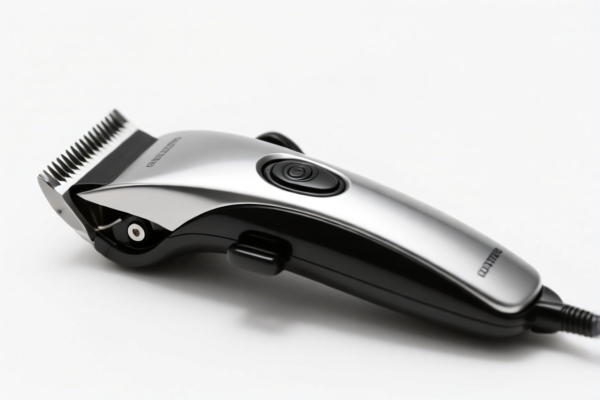
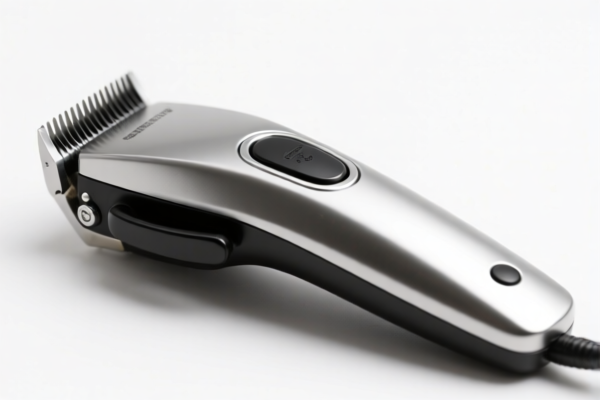
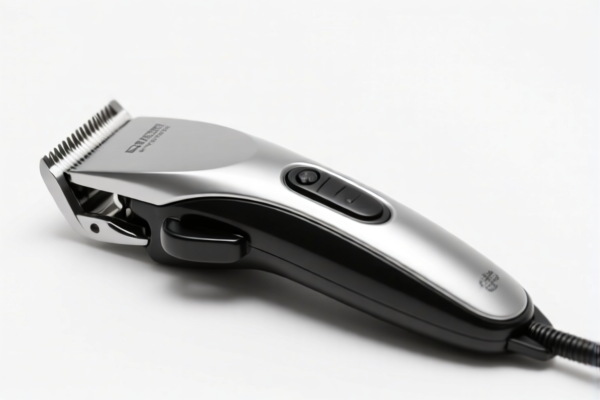
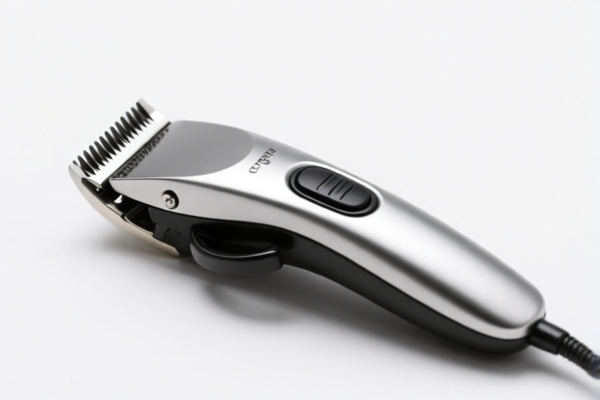
AI Analysis
✂️ Clipper Guards (Limit Combs for Hair Clippers)
🌐 HS Code Reference & Customs Clearance Guide | 2024-2025 Latest Tariff Analysis | Professional Level Strategies
📌 I. Product Definition: What Exactly Are "Clipper Guards"?
Clipper guards, also known as limit combs or guide combs, are essential accessories for electric hair clippers. They ensure uniform hair length during cutting. However, in international trade, their classification is highly debated because they can fall under different chapters depending on their material and intended use.
There are two primary classification paths: 1. As "Manual Tools": If considered auxiliary parts of a manual grooming tool. 2. As "Plastic Articles": If classified primarily by their material composition. 3. As "Toilet/Personal Care Articles": If viewed as part of the grooming apparatus itself.
⚠️ Key Distinction Point: - If the guard is plastic and considered a generic plastic part → Chapter 39. - If the guard is seen as a tool accessory (metal/plastic mix) → Chapter 82. - If the guard is viewed as a personal care attachment → Chapter 96.
📦 II. HS Code Classification Details (Latest Tariff Schedule)
| HS Code | Product Description | Application Scenario | Key Classification Logic |
|---|---|---|---|
| 8203.20.60.60 | Other hand tools (Auxiliary tools for manual grooming) | Metal or plastic guards considered part of a "hand tool" set | ✅ Manual Tool Category |
| 3926.90.99.89 | Other articles of plastic (Plastic guards) | Guards made entirely of plastic, not specified elsewhere | ✅ Material-Based (Plastic) |
| 3926.90.35.00 | Other plastic articles (Unspecified plastic goods) | Generic plastic guards not fitting other specific plastic categories | ✅ Material-Based (Plastic) |
| 9603.29.80.90 | Other toilet brushes, hair brushes & body brushes (Personal care) | Guards viewed as attachments for personal grooming devices | ✅ Personal Care Tool |
| 9603.29.40.90 | Other toilet brushes (Personal care/grooming) | Guards classified under general grooming accessories | ✅ Personal Care Tool |
🔍 Critical Reminder: - Chapter 82 (Tools) often carries high punitive tariffs (Section 301 + Section 232). - Chapter 96 (Miscellaneous) may have lower base rates but still attracts Section 301 tariffs. - Chapter 39 (Plastics) is often the most common fallback for simple plastic accessories, but rates vary.
💰 III. 2024-2025 Latest Tariff Rate Breakdown (Including Surtaxes & Policy Add-ons)
✅ Applicable Country: United States (US)
✅ Origin: China (CN)
✅ Effective Time: Ongoing (Based on current Section 301 & 232 tariffs)
🎯 1. 8203.20.60.60 — Other Hand Tools (Auxiliary Tools)
| Item | Details |
|---|---|
| Base Duty | $0.12 per dozen + 5.5% (ad valorem) |
| Section 301 Surtax | +25.0% |
| Section 232 Surtax | +10.0% |
| Total Effective Rate | ~40.5% + Fixed Fee |
| Tax Calculation | (CIF Value × 5.5%) + $0.12/doz + (CIF × 25%) + (CIF × 10%) |
| De Minimis Eligible | ❌ No (Deny de minimis due to high surtaxes) |
| Legal Path | USITC:8203.20.60.60 → SEC301:25% → SEC232:10% |
📌 Interpretation:
- This classification treats the guard as a tool accessory.
- The 25% Section 301 and 10% Section 232 tariffs make this the most expensive option for Chinese-origin goods.
- Risk: High. Customs may argue plastic guards are not "tools" but "plastic articles."
🎯 2. 3926.90.99.89 — Other Plastic Articles
| Item | Details |
|---|---|
| Base Duty | 5.3% (ad valorem) |
| Section 301 Surtax | +7.5% |
| Section 232 Surtax | +10.0% |
| Total Effective Rate | 22.8% |
| Tax Calculation | CIF Value × 22.8% |
| De Minimis Eligible | ❌ No (Subject to Section 301/232) |
| Legal Path | USITC:3926.90.99.89 → SEC301:7.5% → SEC232:10% |
📌 Interpretation:
- This is a common classification for plastic clippers guards.
- The 7.5% Section 301 rate is lower than the 25% for tools.
- Advantage: Lower tax burden compared to Chapter 82.
🎯 3. 3926.90.35.00 — Other Plastic Articles (Unspecified)
| Item | Details |
|---|---|
| Base Duty | 6.5% (ad valorem) |
| Section 301 Surtax | +7.5% |
| Section 232 Surtax | +10.0% |
| Total Effective Rate | 24.0% |
| Tax Calculation | CIF Value × 24.0% |
| De Minimis Eligible | ❌ No |
| Legal Path | USITC:3926.90.35.00 → SEC301:7.5% → SEC232:10% |
📌 Interpretation:
- Similar to3926.90.99.89but with a slightly higher base duty (6.5% vs 5.3%).
- Total rate is 24.0%, still significantly cheaper than the 40.5% for tools.
🎯 4. 9603.29.80.90 — Other Toilet Brushes/Grooming Tools
| Item | Details |
|---|---|
| Base Duty | $0.003 each + 3.6% (ad valorem) |
| Section 301 Surtax | +0.0% (Note: See warning below) |
| Section 232 Surtax | +10.0% |
| Total Effective Rate | 13.6% + Fixed Fee |
| Tax Calculation | (CIF × 3.6%) + ($0.003/pc) + (CIF × 10%) |
| De Minimis Eligible | ⚠️ Check Current Policy (Often denied for Section 232 items) |
| Legal Path | USITC:9603.29.80.90 → SEC232:10% |
📌 Warning:
- The data shows 0.0% Section 301 for this code, which is unusual. However, Section 232 (10%) still applies.
- This classification is aggressive and may be challenged by customs if the product is clearly a plastic accessory rather than a "brush."
🎯 5. 9603.29.40.90 — Other Toilet Brushes
| Item | Details |
|---|---|
| Base Duty | $0.002 each + 7.0% (ad valorem) |
| Section 301 Surtax | +0.0% |
| Section 232 Surtax | +10.0% |
| Total Effective Rate | 17.0% + Fixed Fee |
| Tax Calculation | (CIF × 7.0%) + ($0.002/pc) + (CIF × 10%) |
| De Minimis Eligible | ⚠️ Check Current Policy |
| Legal Path | USITC:9603.29.40.90 → SEC232:10% |
📌 Interpretation:
- Higher base duty (7.0%) than9603.29.80.90.
- Still benefits from 0% Section 301 in the provided data, making it cheaper than Chapter 39/82 options.
- Risk: High misclassification risk if not clearly a "brush" or grooming tool.
🛠️ IV. Customs Clearance Practical Advice (Avoid Pitfalls)
✅ 1. Documentation Checklist (Non-negotiable)
| Document | Required | Notes |
|---|---|---|
| ✅ Product Photos | ✔️ | Show clear material (plastic vs. metal) and attachment mechanism |
| ✅ Material Composition | ✔️ | E.g., "100% Polypropylene Plastic" vs. "Steel with Plastic Coating" |
| ✅ Usage Description | ✔️ | "Accessory for electric hair clippers" vs. "Manual grooming tool" |
| ✅ Commercial Invoice | ✔️ | Must match HS Code description precisely |
| ✅ Packing List | ✔️ | Include quantity per unit (e.g., "1 guard per clipper") |
| ✅ Certificate of Origin | ✔️ | To prove Chinese origin for surtax calculation |
✅ 2. Classification Strategy (Key Tips)
🔥 “Plastic is Plastic, Tool is Tool, Don’t Mix!”
| Scenario | Recommended HS Code | Why? |
|---|---|---|
| 100% Plastic Guard | 3926.90.99.89 |
Lowest surtax (7.5% Sec 301). Safest for pure plastic. |
| Metal/Plastic Guard | 8203.20.60.60 |
If metal parts are significant. But expect 25% Sec 301. |
| Grooming Kit Accessory | 9603.29.80.90 |
If marketed as part of a "beauty kit." High risk, low tax. |
| Generic Plastic Part | 3926.90.35.00 |
If 99.89 is rejected. Slightly higher base duty. |
📌 Important:
- Do NOT use9603codes for simple plastic guards unless you have a strong legal argument that they are "toilet brushes." Customs often reclassify these to Chapter 39 or 82. - Do NOT assume 0% Sec 301 for Chapter 96. Verify with current USTR rulings.
✅ 3. Special Cases
| Case | Handling Advice |
|---|---|
| OEM Guards for Specific Brand | Provide brand authorization + product specs. May qualify for lower rates if classified as "parts" (but still subject to surtaxes). |
| Bundled with Clippers | If sold together, the clipper’s HS Code (usually 8510.10) may apply to the whole set. Check "Essential Character" rule. |
| Non-Chinese Origin | If made in Vietnam/Thailand, Section 301/232 tariffs may not apply. Verify country of origin carefully. |
🌍 V. Global Market Comparison (2024-2025)
| Country/Region | Recommended HS Code | Duty Rate (CN Origin) | Notes |
|---|---|---|---|
| 🇺🇸 USA | 3926.90.99.89 |
22.8% | Best balance of cost and compliance. |
| 🇪🇺 EU | 3926.90.99 |
~4.5% | No Section 301/232. Lower overall duty. |
| 🇬🇧 UK | 3926.90.99 |
~4.5% | Post-Brexit tariffs similar to EU. |
| 🇨🇳 China | 3926.90.99 |
4.5% | Low duty for import into China. |
| 🇯🇵 Japan | 3926.90.99 |
4.6% | Stable tariffs. |
📌 Conclusion:
- USA is the most expensive market due to Section 301/232 tariffs.
- Plastic classification (3926.90) is safer and cheaper than Tool classification (8203) or Grooming (9603) for pure plastic guards.
📌 VI. Common Mistakes & Pitfalls (Learn from Others’ Errors)
❌ Mistake 1: Classifying plastic guards as 8510 (Clippers) parts
👉 Result: Customs may reject because guards are not "integral parts" of the motor. Reclassified to 3926 → Audit Risk.
❌ Mistake 2: Using 9603 for plastic guards to avoid Section 301
👉 Result: High rejection rate. Customs views this as misclassification. Fines + Back Taxes.
❌ Mistake 3: Ignoring Section 232 (10%)
👉 Result: Even if Sec 301 is 0%, Section 232 still applies to many plastic/metal articles. Total duty underestimated.
❌ Mistake 4: Not declaring Chinese origin clearly
👉 Result: If origin is unclear, customs may apply MFN rates + punitive tariffs.
✅ Correct Approach:
"Plastic Limit Combs for Hair Clippers, PP Material, Model XYZ" → Classify under
3926.90.99.89.
🎯 VII. Conclusion: Smart Classification Saves Money!
🎯 Key Takeaways:
🔹 Plastic Guards = Chapter 39 (
3926.90.99.89) → 22.8% Total Duty (Safest & Cheapest).
🔹 Tool Classification = Chapter 82 (8203.20.60.60) → 40.5% Total Duty (Expensive).
🔹 Grooming Classification = Chapter 96 (9603) → High Risk, Low Tax (Not Recommended unless proven).
📌 Pro Tip:
If you are shipping to the US, always opt for Chapter 39 for plastic guards. It avoids the harsh 25% Section 301 tariff applied to tools.
✨ Professional Clearance Starts with Accurate Classification!
💼 Every cent counts — choose the right HS Code!
Customer Reviews
About HS Code Classification
The Harmonized System (HS) is an internationally standardized nomenclature developed by the World Customs Organization (WCO) to classify traded products. Over 200 countries use the HS system as the basis for customs tariffs, trade statistics, and import/export regulations.
Each HS code follows a hierarchical structure:
- Chapter (2 digits) — Broad category of goods (e.g., Chapter 84: Machinery and Mechanical Appliances)
- Heading (4 digits) — More specific grouping within the chapter
- Subheading (6 digits) — Internationally standardized breakdown, used by all WCO member countries
- National subdivisions (8-10 digits) — Country-specific extensions for further classification, such as US HTSUS 10-digit codes
Correct HS code classification is essential for smooth customs clearance, accurate duty payment, and compliance with trade regulations. Misclassification can lead to customs delays, overpayment of duties, or penalties.
When importing from CN to US, the applicable tariff rates may include:
- Most-Favored-Nation (MFN) rate — The standard duty rate applied to WTO members
- General rate — Applied to countries without trade agreements
- Trade remedy duties — Additional tariffs such as Section 301 (anti-dumping), Section 232 (national security), or countervailing duties
The information provided on this page is for reference purposes only. For official classification, please consult with your local customs authority or a licensed customs broker.