clothes dryer
CN → US| HS Code | Tariff Rate | Origin | Destination | Doc |
|---|---|---|---|---|
| 8451210090 | 38.4% | CN | US | Official Doc |
| 8509805095 | 14.2% | CN | US | Official Doc |
| 8419390280 | 35.0% | CN | US | Official Doc |
| 8450110080 | 18.9% | CN | US | Official Doc |
Product Images
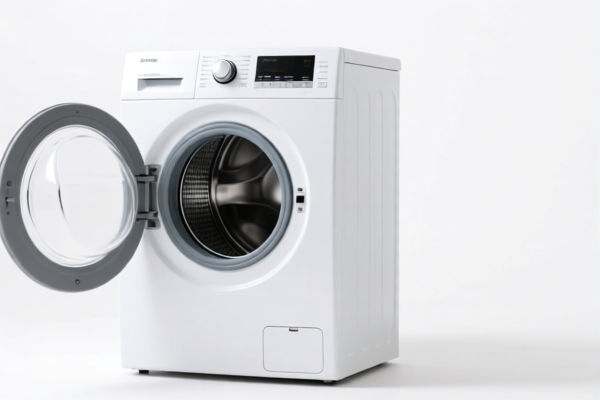
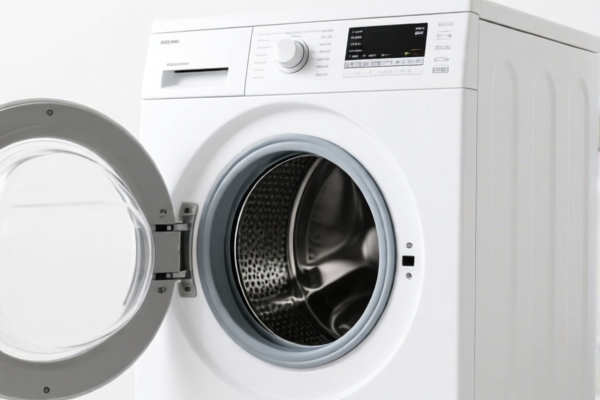
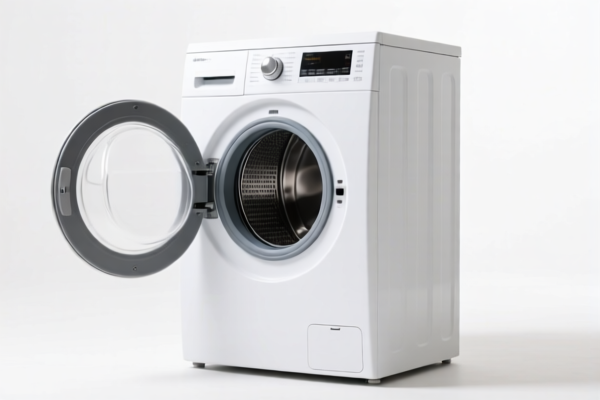
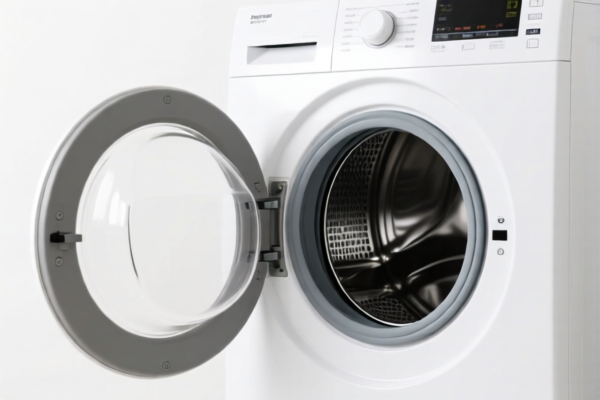
AI Analysis
👕 Clothes Dryer (Electric/Indoor Tumble Dryer)
🌐 HS Code Reference & Customs Clearance Guide | 2026 Latest Tariff Analysis | Professional Compliance Strategy
📌 I. Product Definition & Classification: What Exactly Is a "Clothes Dryer"?
A Clothes Dryer is an appliance used to dry wet clothes after washing. In international trade, its classification depends heavily on its mechanical structure and primary function. The dataset provided highlights four distinct HS Code possibilities, ranging from 8451 (Laundry machinery) to 8509 (Electrical appliances) and 8419 (Machinery for processing materials by heat).
⚠️ Key Classification Distinction:
- 8451.21: Specifically for "Dryers" that are non-coin-operated and either household or commercial. This is the most common classification for standard electric tumble dryers.
- 8509.80: For other electro-mechanical domestic appliances with self-contained electric motors. This applies if the dryer is considered a general household appliance rather than specialized laundry machinery.
- 8419.39: For machinery for treating materials by heat (e.g., drying). This is a broader category for industrial or semi-industrial thermal processing, often used if the device is viewed primarily as a heating machine rather than a laundry device.
- 8450.11: Specifically for washing machines that also dry. This is a "combo" unit. If your product is a standalone dryer, do not use this code.
📦 II. HS Code Classification Details (2026 Latest Tariff Authority Reference)
| HS Code | Product Description | Application Scenario | Tax Rate (Total) |
|---|---|---|---|
8451.21.00.90 |
Dryers, non-coin-operated (Household/Commercial) | Standard electric tumble dryers for home or business use. | 38.4% |
8509.80.50.95 |
Other electro-mechanical domestic appliances | General household electric appliances with self-contained motors. | 14.2% |
8419.39.02.80 |
Machinery for treating materials by heat (Dryers) | Dryers classified as thermal processing machinery. | 35.0% |
8450.11.00.80 |
Washing machines with dryer function | Combo units that both wash and dry in one cycle. | 18.9% |
🔍 Critical Note:
- Standalone Dryers typically fall under 8451.21 or 8509.80.
- Combo Units (Wash + Dry) fall under 8450.11.
- Industrial/Thermal Dryers may fall under 8419.39.
- The tax burden varies significantly (from 14.2% to 38.4%), making accurate classification crucial for cost control.
💰 III. 2026 Latest Tariff Rate Breakdown (Including Surtaxes & Policy Surcharges)
✅ Applicable Country: United States (US)
✅ Origin: China (CN)
✅ Effective Date: Includes subsequent imports (subject to current 301/IEEPA rules)
🎯 1. 8451.21.00.90 —— Dryers, Non-Coin-Operated (Most Common for Standalone Dryers)
| Item | Content |
|---|---|
| Base Tariff | 3.4% (Ad Valorem) |
| Section 301 Surtax | +25.0% (USITC Footnote) |
| Section 122 Tariff | +10.0% (USITC Section 201/122 related surcharge) |
| Total Tariff | 38.4% |
| Calculation | CIF Value × 38.4% |
| De Minimis Eligibility | ❌ No (Not exempt) |
| Legal Basis Path | USITC:8451.21.00.90 → SECTION:301 → SECTION:122 |
📌 Explanation:
- This is the most common classification for standard electric clothes dryers.
- The 38.4% total rate is high, driven by the 25% Section 301 tariff and 10% Section 122 surcharge.
- Cost Impact: For a $1,000 unit, you pay $384 in duties alone.
🎯 2. 8509.80.50.95 —— Other Electro-Mechanical Domestic Appliances
| Item | Content |
|---|---|
| Base Tariff | 4.2% |
| Section 301 Surtax | 0.0% (Exempt from Section 301) |
| Section 122 Tariff | +10.0% |
| Total Tariff | 14.2% |
| Calculation | CIF Value × 14.2% |
| De Minimis Eligibility | ❌ No (Not exempt) |
| Legal Basis Path | USITC:8509.80.50.95 → SECTION:122 |
📌 Explanation:
- This is the lowest tax option (14.2%) if the dryer is classified as a general domestic appliance.
- Why is Section 301 (25%) zero? Certain household appliances under Chapter 85 may be exempt from Section 301 tariffs depending on specific exclusions or interpretations.
- Risk: Customs may challenge this classification if the dryer is clearly "laundry machinery" (Chapter 84). If challenged, you could face back taxes + penalties.
🎯 3. 8419.39.02.80 —— Machinery for Treating Materials by Heat
| Item | Content |
|---|---|
| Base Tariff | 0.0% |
| Section 301 Surtax | +25.0% |
| Section 122 Tariff | +10.0% |
| Total Tariff | 35.0% |
| Calculation | CIF Value × 35.0% |
| De Minimis Eligibility | ❌ No (Not exempt) |
| Legal Basis Path | USITC:8419.39.02.80 → SECTION:301 → SECTION:122 |
📌 Explanation:
- Classifying as "thermal processing machinery" avoids base tariff (0%) but still incurs 35% total due to 301 + 122.
- Risk: This is less common for household dryers. Customs may reject this if the product is clearly for laundry.
🎯 4. 8450.11.00.80 —— Washing Machines with Dryer Function
| Item | Content |
|---|---|
| Base Tariff | 1.4% |
| Section 301 Surtax | +7.5% (Note: Different rate from standalone dryers) |
| Section 122 Tariff | +10.0% |
| Total Tariff | 18.9% |
| Calculation | CIF Value × 18.9% |
| De Minimis Eligibility | ❌ No (Not exempt) |
| Legal Basis Path | USITC:8450.11.00.80 → SECTION:301 → SECTION:122 |
📌 Explanation:
- Only for Combo Units. If you sell a standalone dryer, do not use this code.
- The Section 301 rate for washing machines is 7.5%, not 25%, which is why the total is lower (18.9%).
- Warning: Misdeclaring a standalone dryer as a "washer-dryer" is customs fraud.
🛠️ IV. Customs Clearance Practical Advice (Real-World Pitfall Guide)
✅ 1. Preparation Checklist (All Documents Required)
| Document | Mandatory | Description |
|---|---|---|
| ✅ Product Specifications | ✔️ | Include power, voltage, capacity, and whether it washes or just dries. |
| ✅ Photos (Including Nameplate) | ✔️ | Must show clear model number, brand, and input/output specs. |
| ✅ Commercial Invoice | ✔️ | Must explicitly state "Electric Clothes Dryer, Non-Coin-Operated" or "Washer-Dryer Combo". |
| ✅ Packing List | ✔️ | Detail components to ensure no misclassification as parts. |
| ✅ Certifications | ✔️ | UL, ETL, ENERGY STAR (if applicable for US market). |
✅ 2. Declaration Tips (Key Mnemonic)
🔥 "Stand-alone Dryer = 8451 or 8509; Combo Unit = 8450. Never Mix!"
| Scenario | Correct HS Code | Incorrect Action | Consequence |
|---|---|---|---|
| Standalone Electric Dryer | 8451.21.00.90 (38.4%) or 8509.80.50.95 (14.2%) |
Declare as 8450 (Washer) |
Audit Risk + Back Taxes |
| Standalone Electric Dryer | 8451.21.00.90 |
Declare as 8509 (14.2%) |
If Audited, Pay Difference + Penalty |
| Washer-Dryer Combo | 8450.11.00.80 (18.9%) |
Declare as 8451 (Dryer only) |
Underpayment of Duties |
| Industrial Heat Dryer | 8419.39.02.80 (35.0%) |
Declare as 8509 |
Misclassification Penalty |
✅ 3. Special Situation Handling
| Situation | Handling Advice |
|---|---|
| High Tax Concern (38.4%) | Consider if your dryer can be legally classified as 8509.80.50.95 (14.2%) based on its design (e.g., if it’s a general-purpose appliance). Consult a customs broker. |
| Combo Unit | Ensure the invoice says "Washing Machine with Dryer Function." Do not split the shipment. |
| Section 122 Tariff | This 10% surcharge applies to most of these codes. No easy exemption for China-origin goods. |
| Pre-Ruling | Apply for an Advance Ruling (CBP Ruling) to lock in the HS Code and avoid disputes at the port. |
🌍 V. Global Market Comparison (2026 Latest)
| Country/Region | Recommended HS Code | Tariff Rate | Certification | Note |
|---|---|---|---|---|
| 🇺🇸 USA | 8451.21.00.90 |
38.4% | UL/ETL | Highest duty due to 301 + 122. |
| 🇺🇸 USA | 8509.80.50.95 |
14.2% | UL/ETL | Lower duty if classified as general appliance. |
| 🇨🇳 China | 8451.21.00.00 |
3.4% | CCC | No surtaxes. |
| 🇪🇺 EU | 8451.21.00 |
4% | CE | No 301-style surtaxes. |
| 🇬🇧 UK | 8451.21.00 |
4% | UKCA | Post-Brexit rules apply. |
📌 Conclusion:
- The US market is the most expensive for Chinese-made dryers due to Section 301 (25%) and Section 122 (10%) tariffs.
-8509.80.50.95(14.2%) is the most strategic classification if legally defensible, saving 24.2% in duties compared to8451.21.00.90.
📌 VI. Common Errors & Pitfalls (Lessons Learned)
❌ Error 1: Declaring a standalone dryer as a "Washer" (8450) to get a lower rate.
👉 Result: Customs audit, penalties, and seizure.
❌ Error 2: Declaring a standalone dryer as 8509 (14.2%) when it clearly belongs to 8451 (38.4%).
👉 Result: High risk of being reclassified at the border, leading to back taxes + interest.
❌ Error 3: Ignoring the Section 122 (10%) surcharge.
👉 Result: Budgeting errors. All codes in the dataset include this 10% surcharge.
✅ Correct Approach:
"Electric Clothes Dryer, Non-Coin-Operated, Household Use, Model XYZ, UL Listed."
Verify Classification: Check if8509.80.50.95is applicable for your specific design to save costs.
🎯 VII. Conclusion: Smart Classification, Cost Savings!
🎯 Key Takeaway:
🔹 Standalone Dryer:
8451.21(38.4%) is the standard, but8509.80(14.2%) is a cost-saving opportunity if legally valid.
🔹 Combo Unit:8450.11(18.9%) has a unique 7.5% Section 301 rate.
🔹 Section 122 (10%) is unavoidable for most of these codes.
📌 Action Plan:
1. Review Product Design: Can it be classified as a general appliance (8509)?
2. Consult Customs Broker: Get a Pre-Ruling for 8509.80.50.95 if possible.
3. Document Clearly: Ensure invoices and specs match the chosen HS Code.
✨ Professional Clearance Starts with Accurate Classification!
💼 Save 24.2% in Duties by Choosing the Right HS Code!
Customer Reviews
About HS Code Classification
The Harmonized System (HS) is an internationally standardized nomenclature developed by the World Customs Organization (WCO) to classify traded products. Over 200 countries use the HS system as the basis for customs tariffs, trade statistics, and import/export regulations.
Each HS code follows a hierarchical structure:
- Chapter (2 digits) — Broad category of goods (e.g., Chapter 84: Machinery and Mechanical Appliances)
- Heading (4 digits) — More specific grouping within the chapter
- Subheading (6 digits) — Internationally standardized breakdown, used by all WCO member countries
- National subdivisions (8-10 digits) — Country-specific extensions for further classification, such as US HTSUS 10-digit codes
Correct HS code classification is essential for smooth customs clearance, accurate duty payment, and compliance with trade regulations. Misclassification can lead to customs delays, overpayment of duties, or penalties.
When importing from CN to US, the applicable tariff rates may include:
- Most-Favored-Nation (MFN) rate — The standard duty rate applied to WTO members
- General rate — Applied to countries without trade agreements
- Trade remedy duties — Additional tariffs such as Section 301 (anti-dumping), Section 232 (national security), or countervailing duties
The information provided on this page is for reference purposes only. For official classification, please consult with your local customs authority or a licensed customs broker.