clothes hangers
CN → US| HS Code | Tariff Rate | Origin | Destination | Doc |
|---|---|---|---|---|
| 3926909989 | 22.8% | CN | US | Official Doc |
| 3926902500 | 24.0% | CN | US | Official Doc |
| 7326200020 | 88.9% | CN | US | Official Doc |
Product Images
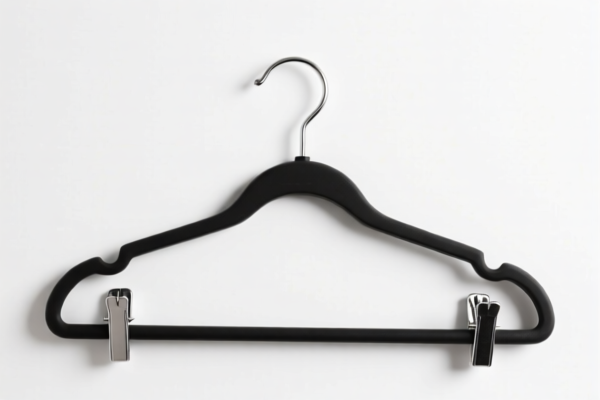
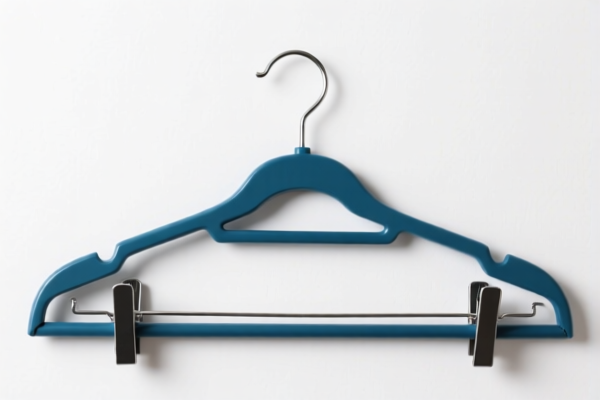
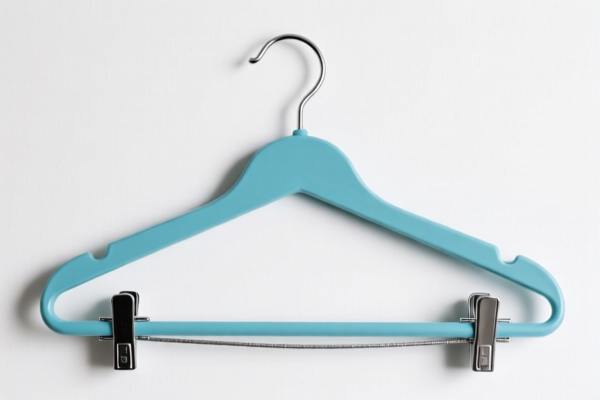
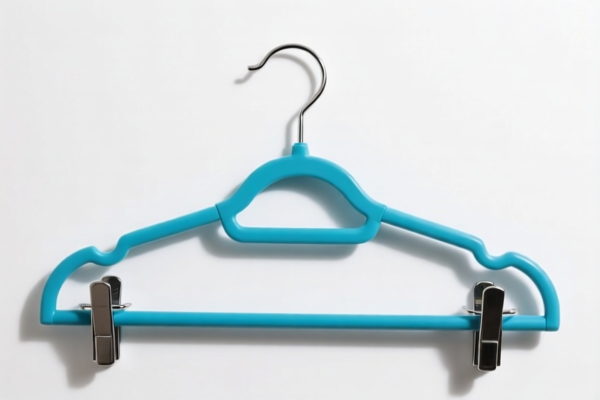
AI Analysis
👔 Clothes Hangers (Garment Hangers)
🌐 HS Code Reference & Customs Clearance Guide | 2026 Latest Tariff Analysis | Strategic Clearance Strategy
📌 1. Product Definition & Classification: Do You Really Know “Clothes Hangers”?
Clothes hangers are essential storage and display tools in the textile and apparel industry. In international trade, their classification depends heavily on material composition and manufacturing process. Misclassification can lead to significant tariff shocks, especially under current US trade policies.
There are three primary categories based on the data provided:
Plastic Hangers: Made from molded plastic (e.g., PP, PE, PVC). These fall under "Other articles of plastics." Metal Hangers (Iron/Steel): Made from wire or stamped metal. These fall under "Articles of iron or steel." Other Material Hangers: Wooden, bamboo, or mixed-material hangers often fall under residual categories for plastics or other materials if not specifically listed elsewhere.
⚠️ Key Distinction Point:
- Material is King: Customs will scrutinize the Bill of Materials (BOM). A "plastic-coated wire hanger" might be classified differently than a "solid plastic hanger." - Function vs. Material: Unlike electronics, hangers are classified primarily by what they are made of, not just their function.
📦 2. HS Code Classification Details (2026 Latest Tariff Authority Cross-Reference)
| HS Code | Product Description | Application Scenario | Material |
|---|---|---|---|
3926.90.99.89 |
Other articles of plastics and articles of other materials (Plastic Hangers) | Standard retail plastic hangers, non-wired plastic hangers | ✅ Plastic |
3926.90.25.00 |
Other articles of plastics (Plastic Hangers - Specific Category) | Plastic hangers fitting specific sub-category criteria for "other plastic articles" | ✅ Plastic |
7326.20.00.20 |
Articles of iron or steel, wire (Metal Hangers) | Iron/Steel wire hangers, bent wire hangers, metal garment racks | ✅ Iron/Steel |
🔍 Key Reminder:
- Plastic vs. Metal: If the hanger has a plastic coating over a metal wire, it is often still classified under Chapter 73 (Iron/Steel) if the essential character is metal. However, if the plastic layer is substantial and defines the product, it may shift to Chapter 39. - "Residual" Classifications: Codes like3926.90.99.89are "catch-all" categories. Using them requires precise justification that the item does not fit into more specific plastic sub-categories (like hooks, clips, etc., which might have different duties).
💰 3. 2026 Latest Tariff Rate Breakdown (Including Surtaxes & Policy Surcharges)
✅ Applicable Country: United States (US)
✅ Origin: China (CN)
✅ Effective Date: Post-2025 Policies (Including Section 301, Section 232, and IEEPA)
🎯 1. 3926.90.99.89 —— Plastic Hangers (Residual Category)
| Item | Content |
|---|---|
| Base Tariff | 5.3% |
| Section 301 Surtax | 7.5% |
| Section 122 Tariff | 10% |
| Total Tax Rate | 22.8% |
| Tax Calculation | CIF Value × 22.8% |
| De Minimis Exemption | ❌ Not Eligible (Section 301 & 122 goods are generally excluded from de minimis thresholds) |
| Legal Basis Path | HTSUS: 3926.90.99.89 → Section 301 List 4 → Section 122 Enforcement |
📌 Explanation:
- Base (5.3%): Standard Most Favored Nation (MFN) rate for other plastic articles. - Section 301 (7.5%): Added tariffs on specific Chinese plastic goods. - Section 122 (10%): Additional surcharge applied to certain plastic articles of Chinese origin under specific trade enforcement actions. - Total 22.8% is a moderate-to-high burden for low-value plastic goods, impacting margin significantly.
🎯 2. 3926.90.25.00 —— Plastic Hangers (Specific Plastic Category)
| Item | Content |
|---|---|
| Base Tariff | 6.5% |
| Section 301 Surtax | 7.5% |
| Section 122 Tariff | 10% |
| Total Tax Rate | 24.0% |
| Tax Calculation | CIF Value × 24.0% |
| De Minimis Exemption | ❌ Not Eligible |
| Legal Basis Path | HTSUS: 3926.90.25.00 → Section 301 List 4 → Section 122 Enforcement |
📌 Note:
- This code has a slightly higher base rate (6.5% vs 5.3%) due to its more specific sub-category status. - The surtaxes are identical, resulting in the highest total rate (24.0%) among plastic options. - Importers should verify if their plastic hangers truly fit this specific sub-description; if they can qualify for the residual category (...99.89), they save 1.2% on the total value.
🎯 3. 7326.20.00.20 —— Metal (Iron/Steel) Hangers
| Item | Content |
|---|---|
| Base Tariff | 3.9% |
| Section 301 Surtax | 25.0% |
| Section 122 Tariff | 10% |
| Steel/Aluminum/Copper Surtax | 50% |
| Total Tax Rate | 88.9% |
| Tax Calculation | CIF Value × 88.9% |
| De Minimis Exemption | ❌ Not Eligible |
| Legal Basis Path | HTSUS: 7326.20.00.20 → Section 301 → Section 232 → IEEPA |
📌 CRITICAL WARNING:
- Base (3.9%): Low base rate for articles of wire. - Section 301 (25%): High tariff on steel wire products from China. - Section 122 (10%): Additional penalty tariff. - Steel Surtax (50%): This is the killer. Under recent trade rules, specific steel products face an additional 50% tariff due to national security and trade defense measures. - Total 88.9%: This is an extremely prohibitive tariff. Shipping standard metal hangers from China to the US is economically unviable under current rules unless exempted or sourced elsewhere.
🛠️ 4. Customs Clearance Practical Advice (Battle-Tested Pitfall Avoidance)
✅ 1. Documentation Checklist (Non-Negotiable)
| Document | Mandatory? | Description |
|---|---|---|
| ✅ Product Spec Sheet | ✔️ | Must clearly state Material (e.g., "100% PP Plastic" or "Iron Wire with PVC Coating"). |
| ✅ Material Declaration | ✔️ | Detailed breakdown of all components. If mixed, specify % by weight. |
| ✅ Product Photos | ✔️ | Clear images showing structure, hooks, shoulders, and any coatings. |
| ✅ Commercial Invoice | ✔️ | Accurate description: "Plastic Clothes Hanger, Model X, Qty Y." |
| ✅ Packing List | ✔️ | Weight and dimensions per carton. |
| ✅ Origin Certificate | ✔️ | Required for tariff preference claims (if applicable). |
✅ 2. Classification Strategy (Key Mantras)
🔥 “Material Dictates Code, Code Dictates Cost!”
| Scenario | Correct Classification | Incorrect Practice |
|---|---|---|
| Solid Plastic Hanger | 3926.90.99.89 (22.8%) |
Classify as metal → 88.9% |
| Plastic-Coated Wire Hanger | Check Essential Character: If metal core dominates → 7326.20.00.20 (88.9%) |
Classify as plastic → Risk of misdeclaration |
| Wooden Hanger | Often falls under 4421 (Wooden articles) or 3926 if mixed. Not in provided data |
Assume 3926 without proof |
| Mixed Bundle (Plastic + Metal) | Split Declaration or Classify by Essential Character. | Lump sum as "Hangers" → High risk of audit |
📌 Strategy Tip:
- If you are importing metal hangers, consider sourcing from Vietnam, Thailand, or Mexico to avoid the 50% steel surtax and Section 301 penalties. - For plastic hangers, optimize packaging to ensure they are clearly "plastic articles" and not "plastic parts of metal hangers."
✅ 3. Special Case Handling
| Situation | Handling Advice |
|---|---|
| OEM Custom Hangers | Provide design files to prove material composition. If plastic coating is thin, Customs may rule it as metal. |
| Sample Shipments | Even samples are subject to duties. Do not mark as "No Value" without proper De Minimis documentation (if eligible, but likely not for these codes). |
| Returns/Defective Goods | Provide proof of previous export to claim duty drawback (if applicable). |
| Section 122 Goods | Ensure your supplier complies with all anti-dumping/countervailing duty orders if applicable. |
🌍 5. Global Market Comparison (2026 Latest)
| Country/Region | Recommended HS Code | Estimated Total Duty (China Origin) | Certification Required | Remarks |
|---|---|---|---|---|
| 🇺🇸 USA | 3926.90.99.89 (Plastic) |
22.8% | None | 7326 (Metal) hits 88.9% |
| 🇨🇳 China | 3926.90.99.89 |
5-10% | CCC (if applicable) | Lower import duties |
| 🇪🇺 EU | 3926.90.99.90 |
4.5% | CE (if for toys/kids) | No Section 301/122 |
| 🇬🇧 UK | 3926.90.99.90 |
4.5% | UKCA | Post-Brexit rules apply |
| 🇦🇺 Australia | 3926.90.99.90 |
5% | None | No major surcharges |
📌 Conclusion:
- USA is the most expensive market for Chinese-made hangers due to Section 301, Section 122, and Steel Surtaxes. - Plastic hangers (22.8%) are manageable but tight. - Metal hangers (88.9%) are prohibitive from China.
📌 6. Common Mistakes & Pitfall Guide (Lessons Learned)
❌ Mistake 1: Classifying plastic-coated metal hangers as pure plastic to avoid duties.
👉 Consequence: Customs audit reveals metal core → Backdated duties + penalties + 88.9% retroactive tax.
❌ Mistake 2: Assuming De Minimis ($800) applies to hangers.
👉 Consequence: Section 301 and Section 122 goods are excluded from De Minimis. Small shipments still pay full tax.
❌ Mistake 3: Ignoring Section 122 Tariff.
👉 Consequence: Underpaying 10% on plastic goods → CIQ holds goods → Delays + fines.
❌ Mistake 4: Using vague descriptions like "Garment Accessories."
👉 Consequence: Customs assigns highest possible duty rate → Potential 88.9% if they suspect metal content.
✅ Correct Approach:
"Plastic Clothes Hanger, 100% Polypropylene, No Metal Components, Model ABC"
vs.
"Iron Wire Hanger with PVC Coating, Core Material: Iron"
🎯 7. Conclusion: Professional Declaration, Cost Control, Efficiency!
🎯 Remember the Mantra:
🔹 "Plastic is 23%, Metal is 89%."
🔹 "Check the core, not the coating."
🔹 "De Minimis is dead for these goods."🔹 "HS Code determines your profit margin. One digit change = thousands saved."
📌 Pro Tip:
If you are importing metal hangers, strongly consider supply chain diversification to countries not subject to the 50% steel surtax (e.g., Southeast Asia, North America). For plastic hangers, optimize the HS code to 3926.90.99.89 rather than ...25.00 if structurally justified, saving 1.2% on CIF value.
📣 Immediate Action:
📞 Consult a licensed customs broker + Provide BOM + Apply for Binding Ruling (Pre-classification) if volume is high.
🚀 Ensure compliant clearance, protect margins, and accelerate time-to-market!
✨ Professional Clearance Starts with Accurate Classification!
💼 Every dollar of duty matters in low-margin goods!
Customer Reviews
About HS Code Classification
The Harmonized System (HS) is an internationally standardized nomenclature developed by the World Customs Organization (WCO) to classify traded products. Over 200 countries use the HS system as the basis for customs tariffs, trade statistics, and import/export regulations.
Each HS code follows a hierarchical structure:
- Chapter (2 digits) — Broad category of goods (e.g., Chapter 84: Machinery and Mechanical Appliances)
- Heading (4 digits) — More specific grouping within the chapter
- Subheading (6 digits) — Internationally standardized breakdown, used by all WCO member countries
- National subdivisions (8-10 digits) — Country-specific extensions for further classification, such as US HTSUS 10-digit codes
Correct HS code classification is essential for smooth customs clearance, accurate duty payment, and compliance with trade regulations. Misclassification can lead to customs delays, overpayment of duties, or penalties.
When importing from CN to US, the applicable tariff rates may include:
- Most-Favored-Nation (MFN) rate — The standard duty rate applied to WTO members
- General rate — Applied to countries without trade agreements
- Trade remedy duties — Additional tariffs such as Section 301 (anti-dumping), Section 232 (national security), or countervailing duties
The information provided on this page is for reference purposes only. For official classification, please consult with your local customs authority or a licensed customs broker.