coarse wool yarn
CN → US| HS Code | Tariff Rate | Origin | Destination | Doc |
|---|---|---|---|---|
| 5106100090 | 41.0% | CN | US | Official Doc |
| 5602210000 | 0.0% | CN | US | Official Doc |
| 5602109010 | 45.6% | CN | US | Official Doc |
Product Images
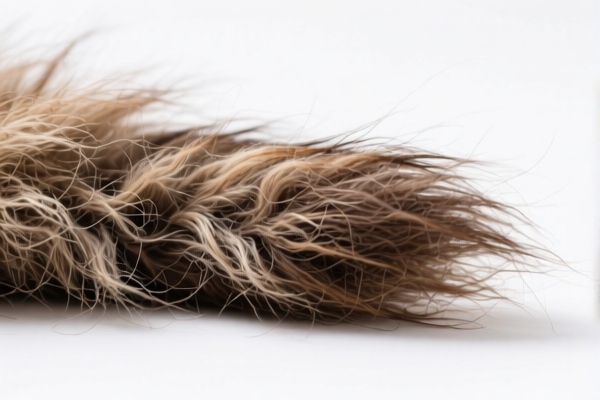


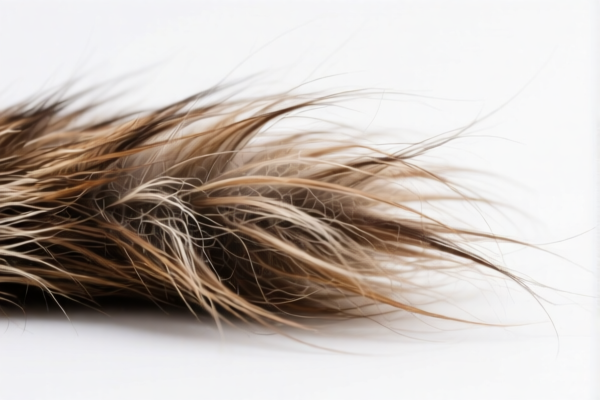
AI Analysis
🧶 Coarse Wool Yarn (羊毛粗纺纱线)
🌐 HS Code Reference & Customs Clearance Guide | 2026 Latest Tariff Analysis | Professional Clearance Strategy
📌 I. Product Definition & Classification: Do You Understand "Coarse Wool Yarn"?
Coarse Wool Yarn refers to yarn made from wool fibers that have been carded (not combed), resulting in a softer, bulkier, and slightly hairier texture compared to worsted yarn. It is primarily used for knitting sweaters, making felt, or weaving coarse fabrics.
In international trade, the classification depends heavily on the manufacturing process (carded vs. combing) and the final form (yarn vs. felt vs. fabric).
⚠️ Key Distinction Point:
- If it is yarn (twisted fibers) made from carded wool →归类 to 5106
- If it is felt (matted fibers, no yarn structure) → 归类 to 5602
- ⚠️ Crucial Warning: Misclassifying "Yarn" as "Felt" (or vice versa) can lead to significant tax discrepancies and customs delays.
📦 II. HS Code Classification Details (2026 Latest Tariff Authority Comparison)
Based on the provided data, here are the applicable HS Codes and their logical explanations.
| HS Code | Product Description | Summary & Logic | Applicable Scenario |
|---|---|---|---|
5106.10.00.90 |
Wool Top / Carded Yarn | "Coarse Wool Yarn": Matches wool material and carded (coarse spun) form. | Raw wool yarn, knitting yarn, not yet woven into fabric. |
5602.21.00.00 |
Wool Felt | "Coarse Wool Felt": Matches wool material and felted form (matted, no yarn twist). | Non-woven fabric, roofing felt, industrial filters. |
5602.10.90.10 |
Wool Felt (Knitted/Sewn) | "Coarse Wool Felt": Matches wool material and knitted felt or stitched fiber fabric form. | Specialized felt products made by knitting or stitching fibers directly. |
🔍 Key Clarification:
- The user input is "Coarse Wool Yarn". Therefore,5106.10.00.90is the primary and correct classification.
-5602codes apply only if the product is felt (matted fibers), not yarn. If you ship "Yarn" but declare it as "Felt", you risk misdeclaration penalties.
💰 III. 2026 Latest Tariff Rate Details (Including Additional Taxes & Policy Surcharges)
✅ Applicable Country: United States (US)
✅ Origin: China (CN) (Implied by the structure of "Section 122" and "301/IEEPA" style surcharges)
✅ Effective Time: Current Active Tariffs (Subject to specific trade agreements)
🎯 1. 5106.10.00.90 —— Coarse Wool Yarn (Primary Classification)
| Item | Content |
|---|---|
| Base Tariff | 6.0% (Ad Valorem) |
| Additional Tariff (Section 301) | +25.0% |
| Section 122 Tariff | +10.0% |
| Total Effective Tax Rate | 41.0% |
| Tax Calculation | CIF Value × 41.0% |
| De Minimis Exemption | ❌ Not Applicable (High tariff threshold) |
| Legal Basis Path | HTSUS:5106.10.00.90 → Section 301 (Footnote 9903.88.01) → Section 122 |
📌 Explanation:
- "Base Tariff 6.0%": Standard Most Favored Nation (MFN) duty for wool yarn.
- "Additional Tariff 25.0%": Standard US Section 301 tariff on Chinese goods.
- "Section 122 Tariff 10%": A specific additional duty often applied to certain textile/wool imports under trade enforcement actions.
- Total 41%: This is a high-cost entry. Must be factored into landed cost calculations.
🎯 2. 5602.21.00.00 —— Wool Felt (If Misclassified or Alternative Product)
| Item | Content |
|---|---|
| Base Tariff | 49.5¢/kg + 7.5% (Ad Valorem) |
| Additional Tariff (Section 301) | +25.0% |
| Section 122 Tariff | +10.0% |
| Total Effective Tax Rate | 49.5¢/kg + 7.5% + 35.0% |
| Tax Calculation | (49.5¢ × Weight) + (CIF Value × 42.5%) |
| De Minimis Exemption | ❌ Not Applicable |
| Legal Basis Path | HTSUS:5602.21.00.00 → Section 301 → Section 122 |
📌 Note:
- This is a mixed rate (Specific + Ad Valorem).
- Only applies if the product is felt, not yarn.
- Total burden is significantly higher due to the specific duty component.
🎯 3. 5602.10.90.10 —— Wool Felt (Knitted/Sewn Form)
| Item | Content |
|---|---|
| Base Tariff | 10.6% |
| Additional Tariff (Section 301) | +25.0% |
| Section 122 Tariff | +10.0% |
| Total Effective Tax Rate | 45.6% |
| Tax Calculation | CIF Value × 45.6% |
| De Minimis Exemption | ❌ Not Applicable |
| Legal Basis Path | HTSUS:5602.10.90.10 → Section 301 → Section 122 |
📌 Note:
- Applies to specialty felt products.
- Higher than base yarn tariff, but lower than the mixed-rate felt.
🛠️ IV. Customs Clearance Practical Advice (Actionable Pitfall Avoidance)
✅ 1. Required Documentation Checklist (Non-negotiable)
| Document | Required | Explanation |
|---|---|---|
| ✅ Product Specification Sheet | ✔️ | Must clearly state: "Carded Wool Yarn," fiber content (e.g., 100% Wool), twist direction, count (Nm/Ntex). |
| ✅ Commercial Invoice | ✔️ | Clearly describe as "Coarse Wool Yarn, Carded, HS 5106.10.00.90." Do not use vague terms like "Textile Material." |
| ✅ Packing List | ✔️ | Indicate gross/net weight. Essential for verifying if any specific duties apply. |
| ✅ Certificate of Origin | ✔️ | To confirm Chinese origin (triggers Section 301 & 122). |
| ✅ Manufacturing Process Description | ✔️ | Critical: Explain that fibers are carded, not combed, and twisted into yarn. This distinguishes it from felt (5602) or worsted yarn (5107/5108). |
✅ 2. Declaration Tips (Key Mnemonics)
🔥 “Carded is Yarn, Matted is Felt! Don’t Mix the Types!”
| Scenario | Correct Declaration | Incorrect Declaration | Consequence |
|---|---|---|---|
| Carded Wool Yarn | 5106.10.00.90 (41%) |
5602.21.00.00 (Felt) |
Misdeclaration Risk: If inspected, customs may rule it's yarn, adjust tax, or penalize. |
| Wool Felt | 5602.21.00.00 |
5106.10.00.90 (Yarn) |
Tax Underpayment: Felt may have different valuation. If detected, back taxes + interest. |
| Wool Yarn, Combed (Worsted) | 5107.21.00.00 etc. |
5106.10.00.90 |
Wrong Classification: Combed yarn has different base rates. |
✅ 3. Special Handling
| Situation | Recommendation |
|---|---|
| OEM Custom Yarn | Provide dye lot information and exact fiber composition (e.g., % Virgin Wool vs. Recycled Wool). Recycled wool may have different origins. |
| Blended Yarn | If blended with synthetic fibers, the HS code changes completely (e.g., to Chapter 55). Pure Wool is key for 5106. |
| Sample Shipments | Even samples are subject to 41% tax. Do not use "Gift" or "No Value" declarations improperly. |
🌍 V. Global Market Comparison (2026 Latest)
| Country/Region | Recommended HS Code | Tariff (China Origin) | Certification | Note |
|---|---|---|---|---|
| 🇺🇸 USA | 5106.10.00.90 |
41.0% (6%+25%+10%) | None Specific | High Cost. Plan pricing accordingly. |
| 🇨🇳 China | 5106.10.00.90 |
~10-14% (Import Duty) | None | Lower base rate, but no Section 301. |
| 🇪🇺 EU | 5106.10.00.90 |
~12-14% | None | Standard MFN rates. No Section 122 equivalent. |
| 🇬🇧 UK | 5106.10.00.90 |
~12-14% | None | Post-Brexit rules. |
| 🇦🇺 Australia | 5106.10.00.90 |
~5% | None | Low base tariff. |
📌 Conclusion:
- USA is the most expensive market for this product due to the 41% total burden.
- EU/UK/Australia are more cost-effective for pure wool yarn exports.
- Ensure your pricing model includes the 41% duty if exporting to the US.
📌 VI. Common Errors & Pitfall Guide (Lessons Learned)
❌ Error 1: Declaring "Wool Yarn" as "Felt" to avoid some duties
👉 Consequence: Customs inspection will identify the twisted structure. Penalties + Back Taxes.
❌ Error 2: Not distinguishing between "Carded" (Coarse) and "Combed" (Worsted)
👉 Consequence: Carded (5106) and Combed (5107/5108) have different base rates. Misclassification leads to audit flags.
❌ Error 3: Ignoring Section 122 (10%)
👉 Consequence: Many importers only account for Section 301 (25%). Forgetting the 10% leads to unexpected cash flow issues.
❌ Error 4: Using "Wool" generically without specifying "Carded"
👉 Consequence: CBP may request additional info, delaying clearance by days or weeks.
✅ Correct Approach:
"Coarse Wool Yarn, Carded, 100% Virgin Wool, Knitting Grade, HS 5106.10.00.90, Origin China"
🎯 VII. Conclusion: Precision Classification Saves Money
🎯 Remember the Mantra:
🔹 “Carded = Yarn (5106), Matted = Felt (5602)”
🔹 “Total US Tax = 41% (6+25+10)”
🔹 “Don’t Guess the Form, Prove the Structure!”
📌 Pro Tip:
If your wool yarn is not from China (e.g., New Zealand, Australia), the Section 301 (25%) and Section 122 (10%) may not apply, drastically reducing your tax burden.
Always verify Origin!
📣 Immediate Action:
📞 Confirm with your supplier: Is it Carded or Combed? Is it Yarn or Felt?
📄 Prepare accurate Product Specifications highlighting the "Carded" process.
📊 Calculate Landed Cost including 41% duty for US shipments.
✨ Professional Clearance Starts with Accurate Classification!
💼 Your Profit Margin Depends on the HS Code!
Customer Reviews
About HS Code Classification
The Harmonized System (HS) is an internationally standardized nomenclature developed by the World Customs Organization (WCO) to classify traded products. Over 200 countries use the HS system as the basis for customs tariffs, trade statistics, and import/export regulations.
Each HS code follows a hierarchical structure:
- Chapter (2 digits) — Broad category of goods (e.g., Chapter 84: Machinery and Mechanical Appliances)
- Heading (4 digits) — More specific grouping within the chapter
- Subheading (6 digits) — Internationally standardized breakdown, used by all WCO member countries
- National subdivisions (8-10 digits) — Country-specific extensions for further classification, such as US HTSUS 10-digit codes
Correct HS code classification is essential for smooth customs clearance, accurate duty payment, and compliance with trade regulations. Misclassification can lead to customs delays, overpayment of duties, or penalties.
When importing from CN to US, the applicable tariff rates may include:
- Most-Favored-Nation (MFN) rate — The standard duty rate applied to WTO members
- General rate — Applied to countries without trade agreements
- Trade remedy duties — Additional tariffs such as Section 301 (anti-dumping), Section 232 (national security), or countervailing duties
The information provided on this page is for reference purposes only. For official classification, please consult with your local customs authority or a licensed customs broker.