coated or covered knitted or crocheted gloves
CN → US| HS Code | Tariff Rate | Origin | Destination | Doc |
|---|---|---|---|---|
| 6116105530 | 30.7% | CN | US | Official Doc |
| 6116105510 | 30.7% | CN | US | Official Doc |
| 6216001900 | 0.0% | CN | US | Official Doc |
| 4015195100 | 49.0% | CN | US | Official Doc |
| 4015191150 | 38.0% | CN | US | Official Doc |
Product Images
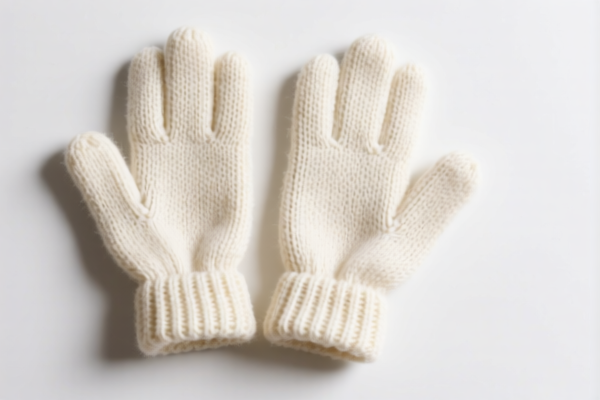
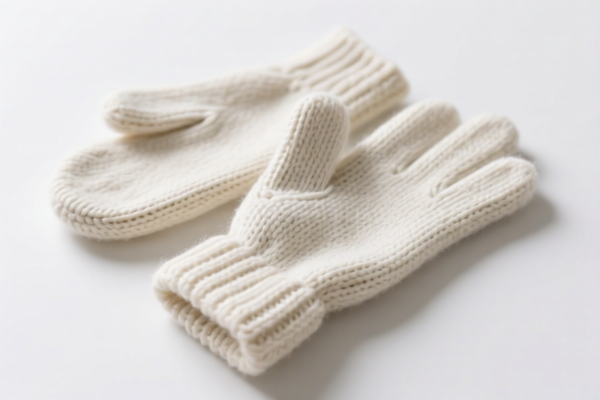
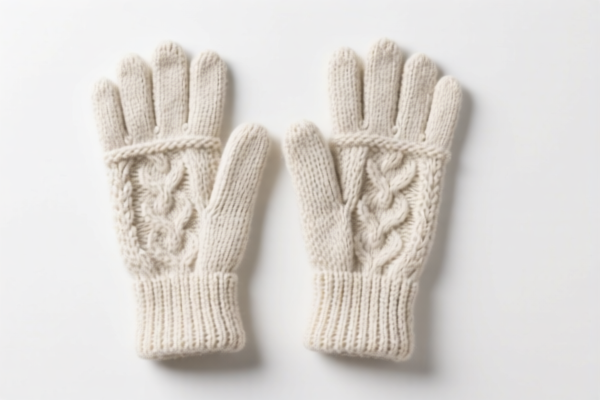
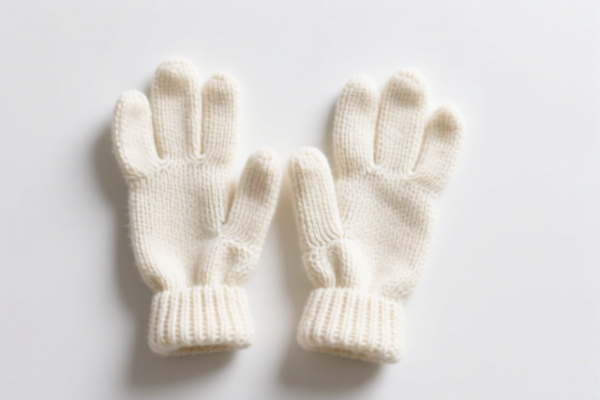
AI Analysis
🧤 Coated or Covered Knitted or Crocheted Gloves: HS Code Classification & 2026 Customs Clearance Guide
🌐 HS Code Reference & Clearance Strategy | 2026 Latest Tariff Analysis | Professional-Level Classification Strategy
📌 I. Product Definition & Classification: Do You Truly Understand "Coated Gloves"?
"Coated or covered knitted or crocheted gloves" refer to textile-based gloves (made via knitting or crocheting processes) that have been treated with plastic or rubber coatings. In international trade, their classification depends entirely on the primary material and manufacturing process. Misclassification can lead to significant tariff discrepancies (ranging from 11.1¢/kg to 49%).
Key Distinction Criteria:
Textile-Based (Chapters 61/62): If the base is knitted/crocheted fabric (e.g., nylon, polyester) and the coating is for water resistance or light grip.
* Rubber-Based (Chapter 40):* If the base structure is essentially rubber/sulfurated rubber, even if it has a knitted liner.
⚠️ Critical Classification Point:
- If the glove’s essential character is defined by the knitted fabric with plastic/rubber coating →归入 6116.10 or 6216.00
- If the glove’s essential character is defined by sulfurated rubber (even with knitting) →归入 4015.19
📦 II. HS Code Classification Details (2026 Latest Tariff Authority Comparison)
| HS Code | Product Description | Application Scenario | Material Attribute |
|---|---|---|---|
6116.10.55.30 |
Knitted or crocheted gloves, coated/covered with plastics/rubber. Matches product form and processing craft; conforms to textile fiber category definition. | Industrial gloves with plastic coating, crocheted base | ✅ Textile Base + Plastic Coating |
6116.10.55.10 |
Knitted or crocheted gloves, coated/covered with plastics/rubber. Product form and usage are consistent; material attributes meet classification craft requirements. | General industrial knitted gloves with rubber/polymer coating | ✅ Textile Base + Rubber/Plastic Coating |
6216.00.19.00 |
Knitted or crocheted gloves, coated/covered with plastics/rubber. Key material requirements fully match glove form. | Woven or knitted gloves where plastic/rubber is the defining coating layer | ✅ Textile Base + Heavy Coating |
4015.19.51.00 |
Knitted or crocheted gloves, coated/covered with plastics/rubber. Contains rubber; conforms to classification requirements for sulfurated rubber gloves. | Rubber safety gloves with knitted lining or texture | ✅ Rubber Base (Sulfurated) |
4015.19.11.50 |
Knitted or crocheted gloves, coated/covered with plastics/rubber. Material conforms to sulfurated rubber requirements; end-use is gloves; applies residual principle. | General sulfurated rubber gloves, fallback classification | ✅ Rubber Base (General) |
🔍 Key Reminder:
- Gloves with a textile base (knitted/crocheted) must be classified under Chapter 61 or 62, even if heavily coated. - Gloves made primarily of sulfurated rubber (even if they have a knitted interior liner) fall under Chapter 40. - Never mix textile and rubber classifications; the "essential character" determines the chapter.
💰 III. 2026 Latest Tariff Rate Breakdown (Including Surtaxes & Policy Additions)
✅ Applicable Country: United States (US)
✅ Origin: China (CN)
✅ Effective Date: Ongoing (Subject to current Section 301 and IEEPA regulations)
🎯 1. 6116.10.55.30 & 6116.10.55.10 —— Textile-Based Coated Gloves
| Item | Content |
|---|---|
| Base Tariff | 13.2% |
| Section 301 Surtax | +7.5% |
| Section 122 Tariff | +10% |
| Total Tax Rate | 30.7% |
| Calculation Method | CIF Value × 30.7% |
| De Minimis Exemption | ❌ Not Eligible (Standard rule for textiles from China) |
| Legal Basis Path | Base Tariff 13.2% → Sec 301: 7.5% → Sec 122: 10% |
📌 Explanation:
- These codes apply to gloves where the knitted/crocheted fabric is the primary structural component. - The 30.7% total rate includes the base MFN rate, the Section 301 penalty (typically higher for textiles, but here specified as 7.5% in the data), and the Section 122 tariff.
🎯 2. 6216.00.19.00 —— Heavily Coated/Plastic-Primary Textile Gloves
| Item | Content |
|---|---|
| Base Tariff | 11.1¢/kg + 5.5% |
| Section 301 Surtax | +7.5% |
| Section 122 Tariff | +10% |
| Total Tax Rate | 11.1¢/kg + 5.5% + 7.5% + 10% |
| Calculation Method | (Weight × 11.1¢) + (CIF Value × 23%) |
| De Minimis Exemption | ❌ Not Eligible |
| Legal Basis Path | Base: 11.1¢/kg + 5.5% → Sec 301: 7.5% → Sec 122: 10% |
📌 Note:
- This is a compound tariff (specific + ad valorem). - Applies when the coating is significant enough to change the classification to Chapter 62 (non-knitted, but often grouped in clearance advice for coated gloves). - High Risk: The specific duty per kg makes small, lightweight gloves relatively more expensive per unit value.
🎯 3. 4015.19.51.00 —— Sulfurated Rubber Gloves (with Knitted Liner)
| Item | Content |
|---|---|
| Base Tariff | 14.0% |
| Section 301 Surtax | +25.0% |
| Section 122 Tariff | +10% |
| Total Tax Rate | 49.0% |
| Calculation Method | CIF Value × 49.0% |
| De Minimis Exemption | ❌ Not Eligible |
| Legal Basis Path | Base: 14.0% → Sec 301: 25.0% → Sec 122: 10% |
📌 Warning:
- Highest Tax Rate! If your glove is classified as rubber (Chapter 40), the tax jumps to 49%. - This applies if the glove is primarily sulfurated rubber, even if it has a knitted liner for comfort.
🎯 4. 4015.19.11.50 —— General Sulfurated Rubber Gloves (Fallback)
| Item | Content |
|---|---|
| Base Tariff | 3.0% |
| Section 301 Surtax | +25.0% |
| Section 122 Tariff | +10% |
| Total Tax Rate | 38.0% |
| Calculation Method | CIF Value × 38.0% |
| De Minimis Exemption | ❌ Not Eligible |
| Legal Basis Path | Base: 3.0% → Sec 301: 25.0% → Sec 122: 10% |
📌 Note:
- Lower base rate (3.0%) compared to4015.19.51.00(14.0%), but still very high due to surtaxes. - This is the "residual" or "catch-all" category for rubber gloves not specifically listed elsewhere.
🛠️ IV. Customs Clearance Practical Advice (Battle-Tested Pitfall Guide)
✅ 1. Documentation Checklist (Mandatory)
| Document | Required? | Description |
|---|---|---|
| ✅ Product Spec Sheet | ✔️ | Must detail: Base material (Knitted/Crocheted vs. Rubber), Coating type (Plastic/Rubber), Thickness. |
| ✅ Material Composition Report | ✔️ | Critical! Must prove if the "essential character" is textile or rubber. Lab test results preferred. |
| ✅ Product Photos | ✔️ | Clear images of cross-section (to show base vs. coating) and label. |
| ✅ Commercial Invoice | ✔️ | Accurate description: "Knitted Gloves Coated with Nitrile" vs. "Rubber Gloves with Knitted Liner". |
| ✅ Packing List | ✔️ | Weight per kg (essential for 6216.00.19.00). |
| ✅ Certificate of Origin | ✔️ | For Section 301 duty rate verification. |
✅ 2. Declaration Tips (Key Mantra)
🔥 "Base Defines Chapter, Coating Defines Subheading, Weight Defines Compound Tax!"
| Scenario | Correct Declaration | Wrong Practice |
|---|---|---|
| Knitted fabric + thin plastic coating | 6116.10.55.10 / 6116.10.55.30 |
Declare as Rubber Gloves → 38-49% Tax |
| Knitted fabric + thick rubber coating | Check Chapter 61 vs 62 carefully | Assume Chapter 40 → 49% Tax |
| Rubber glove with knitted lining | 4015.19.51.00 |
Declare as Knitted Gloves → Undervaluation Risk |
| Heavy plastic-dipped gloves | 6216.00.19.00 |
Ignore weight → Misapply Ad Valorem only |
✅ 3. Special Circumstances Handling
| Situation | Handling Advice |
|---|---|
| Mixed Materials | If >50% by weight/value is rubber → Chapter 40. If >50% is textile → Chapter 61/62. |
| Knitted Liner Only | If the liner is thin and inside a rubber shell → Chapter 40. |
| Crocheted Base | Explicitly state "Crocheted" in description to support Chapter 61 classification. |
| Sample Clearance | Even for samples, if classified as China-origin rubber/textile gloves, full tax applies. No de minimis. |
🌍 V. Global Market Clearance Comparison (2026 Latest)
| Country/Region | Recommended HS Code | Estimated Tariff (China Origin) | Key Certification | Notes |
|---|---|---|---|---|
| 🇺🇸 USA | 6116.10.55.10 |
30.7% | No special cert | High Section 301 + 122 |
| 🇺🇸 USA | 4015.19.51.00 |
49.0% | No special cert | Avoid if textile base possible |
| 🇪🇺 EU | 6116 or 4015 | 4% - 6% | CE (if protective) | Lower base rates, no Section 301 |
| 🇨🇳 China | 6116 or 4015 | 8% - 12% | CCC (if safety) | Domestic trade benefits |
| 🇬🇧 UK | 6116 or 4015 | 4% - 8% | UKCA | Post-Brexit alignment with EU |
📌 Conclusion:
- USA Tariffs are the highest due to Section 301 and 122 add-ons. - Classification Accuracy is Vital: A 0.5% shift in material assessment can save 18.3% in taxes (e.g., 30.7% vs 49%). - EU/UK markets are significantly cheaper for these goods, but certification (CE/UKCA) is stricter.
📌 VI. Common Errors & Pitfall Guide (Lessons from Blood & Tears)
❌ Error 1: Declaring "Rubber Gloves" when they are actually Knitted with Plastic Coating.
👉 Consequence: Overpayment of tax (49% vs 30.7%). CBP may audit historical data.
❌ Error 2: Declaring "Knitted Gloves" when they are Sulfurated Rubber with a Liner.
👉 Consequence: Undervaluation, fines, and potential seizure for fraud.
❌ Error 3: Ignoring Weight for 6216.00.19.00.
👉 Consequence: Incorrect calculation of the specific duty (11.1¢/kg), leading to underpayment.
❌ Error 4: Using vague terms like "Industrial Gloves" without material detail.
👉 Consequence: Customs broker may default to the highest applicable rate or reject the entry.
✅ Correct Practice:
"Nylon Knitted Gloves, Fully Coated with Nitrile Rubber, Industrial Use, Model X-200"
→ Supports6116.10.55.30
🎯 VII. Conclusion: Professional Declaration, Cost Savings, Efficiency!
🎯 Remember the Mantra:
🔹 "Knitted Base = Ch 61 (30.7%), Rubber Base = Ch 40 (38-49%), Weight Matters for Ch 62!"
🔹 "One word wrong on 'Material', and your tax bill doubles!"
📌 Pro Tip:
If your gloves are originally manufactured in Vietnam, Malaysia, or Thailand, you may qualify for tariff exemptions under US trade rules (check USITA rules).
Recommend Applying for an Advance Ruling from CBP if the product is new or ambiguous.
📣 Immediate Action:
📞 Consult with a licensed Customs Broker + Provide Cross-Section Photos + Request HS Code Advance Ruling
🚀 Let your gloves pass smoothly, clear efficiently, and maximize profits!
✨ Professional Customs Clearance Starts with Precise Classification!
💼 Every penny of your cost deserves precise calculation!
Customer Reviews
About HS Code Classification
The Harmonized System (HS) is an internationally standardized nomenclature developed by the World Customs Organization (WCO) to classify traded products. Over 200 countries use the HS system as the basis for customs tariffs, trade statistics, and import/export regulations.
Each HS code follows a hierarchical structure:
- Chapter (2 digits) — Broad category of goods (e.g., Chapter 84: Machinery and Mechanical Appliances)
- Heading (4 digits) — More specific grouping within the chapter
- Subheading (6 digits) — Internationally standardized breakdown, used by all WCO member countries
- National subdivisions (8-10 digits) — Country-specific extensions for further classification, such as US HTSUS 10-digit codes
Correct HS code classification is essential for smooth customs clearance, accurate duty payment, and compliance with trade regulations. Misclassification can lead to customs delays, overpayment of duties, or penalties.
When importing from CN to US, the applicable tariff rates may include:
- Most-Favored-Nation (MFN) rate — The standard duty rate applied to WTO members
- General rate — Applied to countries without trade agreements
- Trade remedy duties — Additional tariffs such as Section 301 (anti-dumping), Section 232 (national security), or countervailing duties
The information provided on this page is for reference purposes only. For official classification, please consult with your local customs authority or a licensed customs broker.