coconut coir
CN → US| HS Code | Tariff Rate | Origin | Destination | Doc |
|---|---|---|---|---|
| 5305000000 | 35.0% | CN | US | Official Doc |
| 1404909090 | 35.0% | CN | US | Official Doc |
| 1404901000 | 0.0% | CN | US | Official Doc |
| 4601296000 | 39.8% | CN | US | Official Doc |
| 4601299000 | 43.0% | CN | US | Official Doc |
Product Images
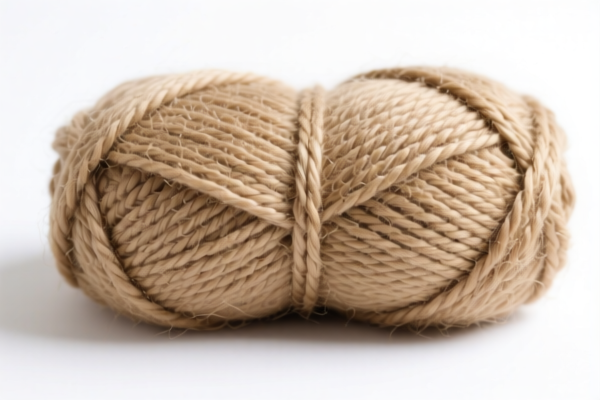
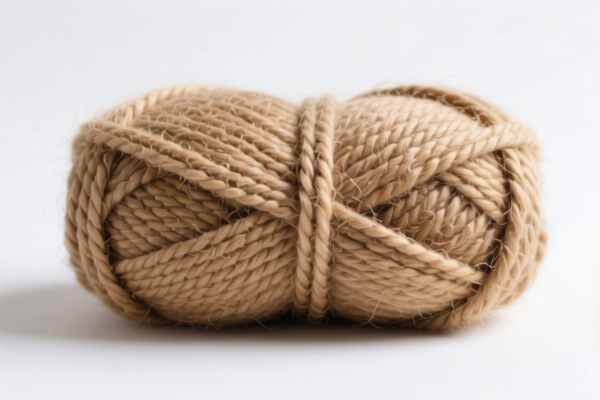
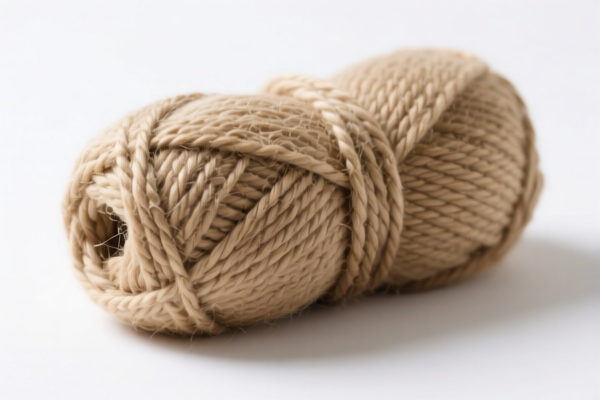
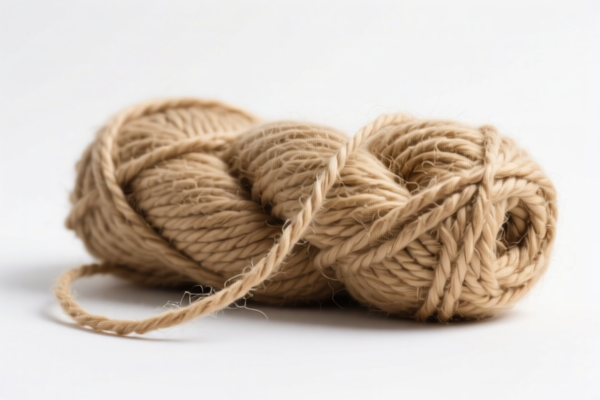
AI Analysis
🌴 Coconut Coir (Coconut Fiber) – HS Code & Tariff Guide 2026 | Expert Customs Clearance Strategy
🌐 HS Code Reference & Customs Clearance Handbook | 2026 Updated Tariff Breakdown | Professional Import Strategy
📌 1. Product Definition & Classification: What Exactly Is "Coconut Coir"?
Coconut coir refers to the fibrous material found between the hard inner shell and the outer husk of a coconut. It is a natural, renewable, and sustainable agricultural byproduct widely used in horticulture, landscaping, erosion control, and as a raw material for textile and matting products.
⚠️ Key Distinction: - Raw or processed coconut fiber, not spun → Classified under 5305.00.00.00 - Tow, noils, waste, yarn waste, garnetted stock → Also included under same HS code - Not to be confused with: Coconut oil, copra, or finished coir products (e.g., coir mats, coir rope)
✅ Important Note:
This classification applies only to raw or partially processed coconut fiber — not to finished goods like coir mats, ropes, or textiles.
📦 2. HS Code Classification Details (2026 Official Tariff Matrix)
| HS Code | Product Description | Applicable Use Case | Inclusion of Spun Yarn? |
|---|---|---|---|
5305.00.00.00 |
Coconut, abaca (Manila hemp), ramie, and other vegetable textile fibers, raw or processed but not spun; tow, noils, waste (including yarn waste and garnetted stock) | Raw coir fiber, coir dust, coir slivers, coir waste, coir processing byproducts | ❌ No — must be unspun |
1404.90.90.90 |
Vegetable products not elsewhere specified or included: Other: Other Other | General category for unspecified vegetable materials | ✅ Yes, but only if not covered by more specific codes |
1404.90.10.00 |
Vegetable products not elsewhere specified or included: Other: Vegetable hair | Includes coarse vegetable fibers like coir, but only if classified as "vegetable hair" | ✅ Yes, but rarely used for coir |
4601.29.60.00 |
Mats, matting, screens of vegetable materials: Woven or partly assembled: Other | Finished coir mats, coir screens, coir floor mats | ❌ No — this is for finished products, not raw fiber |
4601.29.90.00 |
Mats, matting, screens of vegetable materials: Other: Other | General category for other vegetable mats | ❌ No — applies only to finished mats, not raw fiber |
🔍 Critical Insight: - Raw coconut coir (not spun) → MUST be declared under
5305.00.00.00- Do NOT use4601.29.60.00or4601.29.90.00— those are for finished mats, not raw fiber. - Do NOT use1404.90.10.00or1404.90.90.90unless you are certain the coir is not textile fiber and is being imported as a general vegetable product (rare).
💰 3. 2026 Updated Tariff & Duty Breakdown (US-Specific)
✅ Applicable Country: United States (US)
✅ Origin: China (CN), India (IN), Philippines (PH), Sri Lanka (LK), etc.
✅ Effective Date: November 10, 2025 (with ongoing enforcement)
🎯 1. HS Code: 5305.00.00.00 — Raw/Processed Coconut Fiber (Not Spun)
| Item | Detail |
|---|---|
| Base Duty Rate | 0% (ad valorem) |
| USITC Additional Duty (Section 301) | +25% |
| IEEPA Additional Duty (International Emergency Economic Powers Act) | +25% (applies to Chinese-origin goods) |
| Total Effective Duty | 50% |
| Tax Calculation | CIF Value × 50% |
| De Minimis Threshold | ❌ Not applicable — no de minimis exemption for this code |
| Legal Basis Path | IEEPA:9903.01.25 → USITC:5305.00.00.00 → FOOTNOTE:9903.88.01 |
📌 Explanation: - 25% USITC = 301 Tariff on Chinese-origin goods (from U.S. Trade Representative) - 25% IEEPA = Emergency economic powers tariff on goods from China (applies to all Chinese-origin imports under this category) - Total: 50% — extremely high for raw agricultural fiber - No de minimis = Even small shipments (under $800) are not exempt
⚠️ Warning:
If you declare coconut coir under5305.00.00.00, and the product is from China, you must pay 50% duty — no exceptions.
🎯 2. HS Code: 1404.90.90.90 — Other Vegetable Products (Not Elsewhere Specified)
| Item | Detail |
|---|---|
| Base Duty Rate | 0% |
| USITC Additional Duty | +25% |
| IEEPA Additional Duty | +25% |
| Total Effective Duty | 50% |
| Tax Calculation | CIF × 50% |
| De Minimis | ❌ No |
| Legal Basis | IEEPA:9903.01.25 → USITC:1404.90.90.90 → FOOTNOTE:9903.88.01 |
📌 When to Use This Code: - Only if the coir does not qualify as textile fiber (e.g., if it's heavily processed, ground, or used as a soil amendment) - Rarely applicable — most coir is classified under
5305.00.00.00
🎯 3. HS Code: 1404.90.10.00 — Vegetable Hair (e.g., Coir, Abaca, Ramie)
| Item | Detail |
|---|---|
| Base Duty Rate | 0.5¢ per kg (specific duty) |
| USITC Additional Duty | +25% (on the CIF value) |
| IEEPA Additional Duty | +25% (on the CIF value) |
| Total Effective Duty | 0.5¢/kg + 50% of CIF value |
| Tax Calculation | (0.5¢/kg) + (CIF × 50%) |
| De Minimis | ❌ No |
| Legal Basis | IEEPA:9903.01.25 → USITC:1404.90.10.00 → FOOTNOTE:9903.88.01 |
📌 When to Use This Code: - Only if the coir is classified as "vegetable hair" (a narrow legal category) - Typically applies to very coarse, unprocessed fibers used in industrial applications - Not recommended for most coir imports — risk of misclassification
🎯 4. HS Code: 4601.29.60.00 & 4601.29.90.00 — Finished Coir Mats & Screens
| Item | Detail |
|---|---|
| Base Duty Rate | 0% |
| USITC Additional Duty | 0% |
| IEEPA Additional Duty | 0% |
| Total Effective Duty | 0% |
| Tax Calculation | CIF × 0% |
| De Minimis | ✅ Yes (if under $800) |
| Legal Basis | FOOTNOTE:9903.88.01 — Not applicable for these codes |
✅ Good News:
If your coir is already woven into mats, screens, or floor coverings, you can avoid the 50% tariff by classifying under4601.29.60.00or4601.29.90.00.🔥 Pro Tip:
Consider pre-fabricating coir into mats before export — this reduces duty from 50% to 0%!
🛠️ 4. Customs Clearance Best Practices (Real-World Tips)
✅ 1. Essential Documentation Checklist
| Document | Required? | Notes |
|---|---|---|
| ✅ Commercial Invoice | ✔️ | Must clearly state: "Coconut Coir Fiber, Raw, Not Spun, HS 5305.00.00.00" |
| ✅ Packing List | ✔️ | Include weight, volume, and packaging type |
| ✅ Bill of Lading (B/L) | ✔️ | Must match invoice |
| ✅ Certificate of Origin (CO) | ✔️ | Critical for tariff eligibility |
| ✅ Product Photos | ✔️ | Show fiber texture, color, and form (raw vs. processed) |
| ✅ Lab Test Report | ✔️ | For fiber length, moisture, contamination |
| ✅ Export License (if needed) | ✔️ | Some countries require export permits for agricultural fiber |
✅ 2.申报技巧 (申报口诀)
🔥 "Raw fiber? Use 5305.00.00.00 — 50% duty!
Finished mat? Use 4601.29.60.00 — 0% duty!
Don't split! Don't misclassify!"
| Scenario | Correct HS Code | Wrong Code | Risk |
|---|---|---|---|
| Raw coir fiber (not spun) | 5305.00.00.00 |
4601.29.60.00 |
45% penalty + interest |
| Coir mat (woven) | 4601.29.60.00 |
5305.00.00.00 |
50% duty |
| Coir waste/yarn waste | 5305.00.00.00 |
1404.90.90.90 |
Misclassification |
| Coir dust (soil amendment) | 1404.90.90.90 |
5305.00.00.00 |
Higher risk of audit |
✅ 3. Special Cases & Workarounds
| Situation | Recommended Action |
|---|---|
| Coir from Vietnam, Thailand, or India | Apply for IEEPA exemption — 0% duty on non-Chinese origin |
| Coir used in organic farming | Provide organic certification — may qualify for lower scrutiny |
| Small shipments (<$800) | ❌ No de minimis for 5305.00.00.00 — must pay full 50% |
| Coir mats for export | Pre-assemble into mats → Use 4601.29.60.00 → 0% duty |
| Coir rope or twine | Use 5305.00.00.00 — still 50% unless pre-fabricated |
🌍 5. Global Market Comparison (2026)
| Country | Recommended HS Code | Duty Rate | Certification | Notes |
|---|---|---|---|---|
| 🇺🇸 USA | 5305.00.00.00 |
50% (China) | None | No de minimis |
| 🇨🇳 China | 5305.00.00.00 |
5% | CCC | No extra tariffs |
| 🇪🇺 EU | 5305.00.00.00 |
0% | CE | No 301/IEEPA tariffs |
| 🇦🇺 Australia | 5305.00.00.00 |
5% | RCM | No extra duties |
| 🇯🇵 Japan | 5305.00.00.00 |
0% | PSE | No additional taxes |
📌 Key Takeaway:
- USA is the only market with 50% duty on raw coconut coir from China - Other markets are much more favorable — consider shifting supply chain
📌 6. Common Mistakes & How to Avoid Them
❌ Mistake 1: Declaring raw coir as 4601.29.60.00
👉 Result: 50% duty → $10,000+ in penalties
❌ Mistake 2: Using 1404.90.10.00 for coir fiber
👉 Result: Misclassification → Customs audit & seizure
❌ Mistake 3: Assuming small shipments are exempt
👉 Result: No de minimis for this code → full 50% due
❌ Mistake 4: Not providing fiber photos or test reports
👉 Result: Delay or rejection at port
✅ Correct Way:
"Coconut Coir Fiber, Raw, Not Spun, 100% Natural, Moisture <12%, HS Code: 5305.00.00.00, Origin: Philippines, CIF: $2,500"
🎯 7. Final Verdict: Smart Strategy for Coconut Coir Importers
🔹 Raw coir from China? → 50% duty → Avoid if possible
🔹 Raw coir from Vietnam/India? → 0% duty → Highly recommended
🔹 Pre-fabricated coir mats? → 0% duty → Best option
🔹 Small shipments? → Still pay 50% — no relief
📣 Call to Action: Protect Your Profit Margin!
📞 Contact a certified customs broker + request HS Code pre-ruling
🚀 Convert raw coir into mats before export → Save 50% in duty
🌱 Source from non-China countries → Avoid IEEPA/USITC tariffs
✨ Professional Customs, Precise Classification, Maximum Savings!
💼 Your coir import success starts with the right HS code.
Customer Reviews
About HS Code Classification
The Harmonized System (HS) is an internationally standardized nomenclature developed by the World Customs Organization (WCO) to classify traded products. Over 200 countries use the HS system as the basis for customs tariffs, trade statistics, and import/export regulations.
Each HS code follows a hierarchical structure:
- Chapter (2 digits) — Broad category of goods (e.g., Chapter 84: Machinery and Mechanical Appliances)
- Heading (4 digits) — More specific grouping within the chapter
- Subheading (6 digits) — Internationally standardized breakdown, used by all WCO member countries
- National subdivisions (8-10 digits) — Country-specific extensions for further classification, such as US HTSUS 10-digit codes
Correct HS code classification is essential for smooth customs clearance, accurate duty payment, and compliance with trade regulations. Misclassification can lead to customs delays, overpayment of duties, or penalties.
When importing from CN to US, the applicable tariff rates may include:
- Most-Favored-Nation (MFN) rate — The standard duty rate applied to WTO members
- General rate — Applied to countries without trade agreements
- Trade remedy duties — Additional tariffs such as Section 301 (anti-dumping), Section 232 (national security), or countervailing duties
The information provided on this page is for reference purposes only. For official classification, please consult with your local customs authority or a licensed customs broker.