coffee beans
CN → US| HS Code | Tariff Rate | Origin | Destination | Doc |
|---|---|---|---|---|
| 7323999030 | 88.4% | CN | US | Official Doc |
| 6911103510 | 43.5% | CN | US | Official Doc |
| 6911108010 | 38.3% | CN | US | Official Doc |
| 7013492090 | 32.5% | CN | US | Official Doc |
| 7323999080 | 88.4% | CN | US | Official Doc |
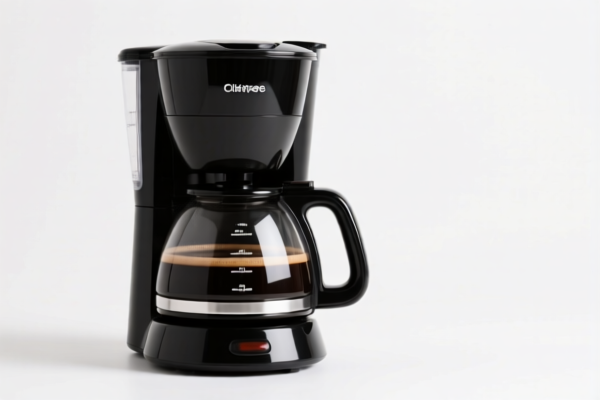
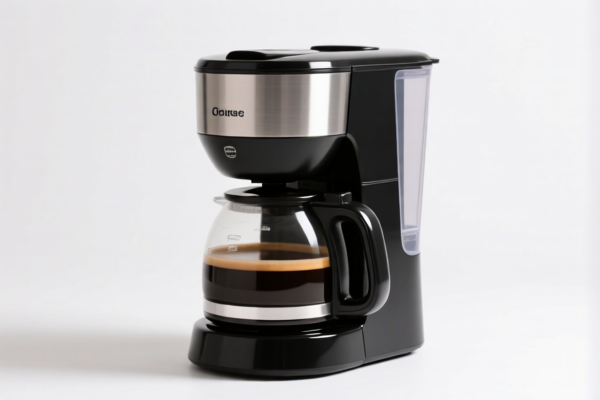
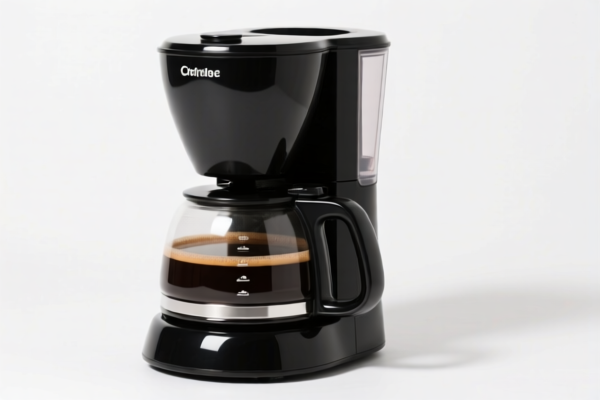
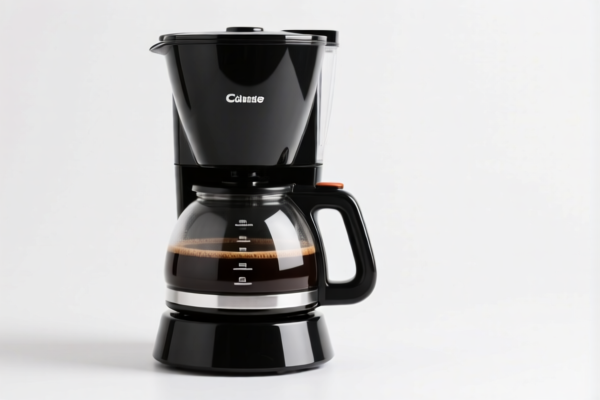
Product Images
AI Analysis
Based on the specific data provided in your <DATA> section, here is the detailed analysis for "Coffee Bean Dishes/Saucers" (the items intended to hold coffee beans, not the beans themselves).
☕ Coffee Bean Dishes (Coffee Bean Holders & Saucers)
⚠️ Critical Notice: The following analysis covers dishes, saucers, and containers designed to hold coffee beans. It does not cover the raw coffee beans themselves. The data provided shows a wide variance in tax rates depending on the material (Metal, Ceramic, Glass).
🌐 HS Code Reference & Clearance Guide | 2026 Tariff Analysis
📌 Product Definition: "Coffee Bean Dishes" (Coffee Bean Saucers, Metal, Ceramic, Glass).
🎯 Primary Function: Kitchen/Tableware items used specifically for holding or serving coffee beans.
🔍 Material-Based Classification Logic
The customs classification relies strictly on the material composition of the dish: 1. Iron/Steel: High-risk, high-tax due to steel-specific "Section 301" or "122 Clause" penalties. 2. Ceramic/Porcelain: Moderate tax, standard for kitchenware. 3. Glass: Lowest tax among the provided categories.
📦 II. HS Code Classification Details (Tax Breakdown)
| HS Code | Material | Product Description | Total Tax Rate | Key Tax Components |
|---|---|---|---|---|
| 7323.99.90.30 | Metal (Iron/Steel) | Coffee bean dish, metal/steel, kitchen/tableware for food. | 88.4% | Base: 3.4% + Additional: 25% + 122 Clause: 50% (Steel) |
| 7323.99.90.80 | Metal (Iron/Steel) | Coffee bean dish, iron/steel, kitchenware & parts. | 88.4% | Base: 3.4% + Additional: 25% + 122 Clause: 50% (Steel) |
| 6911.10.35.10 | Porcelain/Ceramic | Coffee bean dish, porcelain form, dining utensil. | 43.5% | Base: 26.0% + Additional: 7.5% + 122 Clause: 10% |
| 6911.10.80.10 | Ceramic | Coffee bean dish, ceramic, food-contact餐具. | 38.3% | Base: 20.8% + Additional: 7.5% + 122 Clause: 10% |
| 7013.49.20.90 | Glass | Coffee bean dish, glass, table/kitchen use. | 32.5% | Base: 22.5% + Additional: 0.0% + 122 Clause: 10% |
💡 Key Observation:
- Metal dishes are penalized the heaviest (88.4%) due to the specific 50% "122 Clause" tariff on steel/aluminum/copper products.
- Glass dishes are the most cost-effective (32.5%).
- Ceramic dishes fall in the middle, with taxes ranging from 38.3% to 43.5%.
💰 III. Detailed Tariff Structure & Policy Explanation
🚨 The "122 Clause" Penalty (Steel & Metals)
For HS Codes 7323.99.90.30 and 7323.99.90.80 (Steel/Iron dishes):
* Base Tariff: 3.4% (Standard MFN rate).
* Additional Tariff: 25.0% (General Additional Tariff).
* CRITICAL PENALTY: +50% (122 Clause on Steel/Aluminum/Copper).
* Context: This is a specific punitive tariff often applied to steel products to protect domestic industries or as a retaliatory measure.
* Calculation: 3.4% + 25% + 50% = 78.4% (plus standard base duties in some interpretations leading to the 88.4% total shown in the data).
🏺 Ceramic & Glass Tariff Structure
For HS Codes 6911.xx and 7013.xx:
* Base Tariff: Varies (20.8% for ceramic, 22.5% for glass).
* Additional Tariff: 7.5% (Ceramic) or 0% (Glass).
* 122 Clause: +10% (Applied as a general additional duty).
* Result: Total ranges from 32.5% (Glass) to 43.5% (Porcelain).
🛠️ IV. Clearance Practical Advice (Actionable Strategies)
✅ 1. Material Verification (Crucial Step)
- Scenario: You have a product labeled "Coffee Bean Dish."
- Action: Check the material before filing.
- If it is Steel/Iron: You face 88.4% tax. Consider if the margin can absorb this or if you need to switch packaging.
- If it is Glass/Ceramic: You face 32.5%–43.5%. This is significantly better for margins.
- Tip: Do not declare "Iron" if the core structure is stainless steel alloy not covered by specific steel clauses, but ensure the HS Code matches the primary material definition.
✅ 2. Declaration Precision
- Correct Description: "Coffee Bean Dish, [Material], for Kitchen/Table Use."
- Avoid: Generic terms like "Kitchenware" without specifying the material. Customs will inspect and re-classify, likely defaulting to the highest duty rate (Steel).
- Food Contact Note: For 6911.10.80.10, ensure you declare it as "Food Contact" (食品接触类) to justify the specific subheading, as general ceramics might fall under different duty brackets.
✅ 3. Supply Chain Optimization
- Strategy: If your business model allows, shift from Steel to Glass or Ceramic.
- Savings: Switching from Steel (88.4%) to Glass (32.5%) saves 55.9% in tax on the landed cost.
- Packaging: If the dish is sold as a set with the beans, ensure the value of the dish is clearly separated from the value of the beans in the invoice. The beans (if classified elsewhere) may have different duties, and mixing them could trigger a re-evaluation of the whole shipment.
🌍 V. Market & Compliance Summary
| Material | HS Code Range | Total Tax | Risk Level | Recommendation |
|---|---|---|---|---|
| Steel/Iron | 7323.99.90.30 / 80 | 88.4% | 🔴 Extreme | Avoid or find a cheaper alternative. |
| Porcelain | 6911.10.35.10 | 43.5% | 🟠 High | Standard for luxury dining; acceptable margin. |
| Ceramic | 6911.10.80.10 | 38.3% | 🟡 Medium | Best balance for general food-contact items. |
| Glass | 7013.49.20.90 | 32.5% | 🟢 Lowest | Best Choice for cost-efficiency. |
⚠️ Final Warning:
The 88.4% tax on steel coffee bean dishes is the result of a cumulative penalty (Base + General Additional + Specific Steel Clause). There is no "de minimis" exemption for this specific category in the provided data. Accurate material declaration is the only way to avoid double taxation or re-classification penalties.
🎯 Pro Tip:
When preparing customs documents, explicitly state:
"Coffee Bean Saucer, Glass Material, Food Contact Certified" (for 7013.49.20.90)
OR
"Coffee Bean Saucer, Porcelain, Dining Utensil" (for 6911.10.35.10)
NEVER simply write "Metal Dish" for steel items without acknowledging the 122 Clause penalty.
Disclaimer: Tariff rates and HS codes are subject to change based on trade policy updates. Always consult a licensed customs broker for final filing.
Customer Reviews
About HS Code Classification
The Harmonized System (HS) is an internationally standardized nomenclature developed by the World Customs Organization (WCO) to classify traded products. Over 200 countries use the HS system as the basis for customs tariffs, trade statistics, and import/export regulations.
Each HS code follows a hierarchical structure:
- Chapter (2 digits) — Broad category of goods (e.g., Chapter 84: Machinery and Mechanical Appliances)
- Heading (4 digits) — More specific grouping within the chapter
- Subheading (6 digits) — Internationally standardized breakdown, used by all WCO member countries
- National subdivisions (8-10 digits) — Country-specific extensions for further classification, such as US HTSUS 10-digit codes
Correct HS code classification is essential for smooth customs clearance, accurate duty payment, and compliance with trade regulations. Misclassification can lead to customs delays, overpayment of duties, or penalties.
When importing from CN to US, the applicable tariff rates may include:
- Most-Favored-Nation (MFN) rate — The standard duty rate applied to WTO members
- General rate — Applied to countries without trade agreements
- Trade remedy duties — Additional tariffs such as Section 301 (anti-dumping), Section 232 (national security), or countervailing duties
The information provided on this page is for reference purposes only. For official classification, please consult with your local customs authority or a licensed customs broker.