coffee kettle
CN → US| HS Code | Tariff Rate | Origin | Destination | Doc |
|---|---|---|---|---|
| 7323930045 | 62.0% | CN | US | Official Doc |
| 7323997000 | 65.3% | CN | US | Official Doc |
| 6911108010 | 38.3% | CN | US | Official Doc |
| 6911104100 | 16.3% | CN | US | Official Doc |
| 7615107155 | 63.1% | CN | US | Official Doc |
Product Images
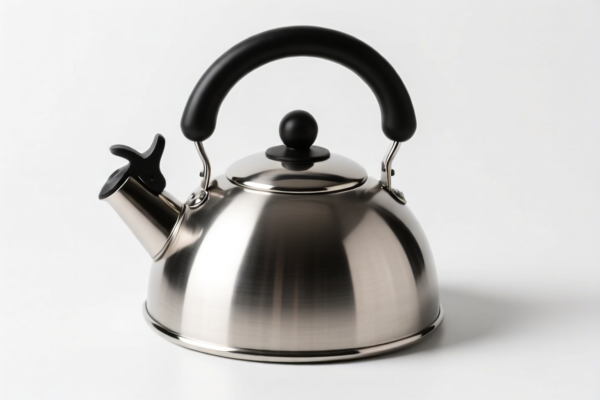
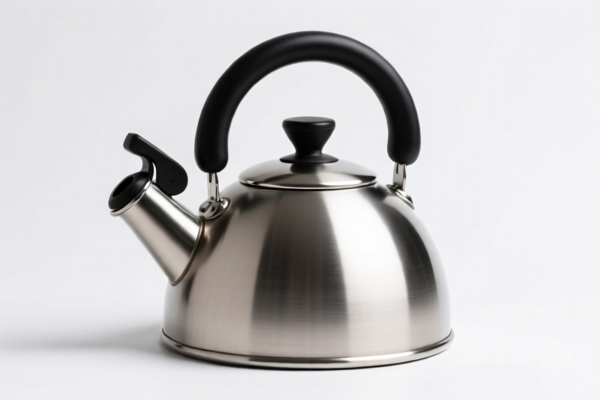
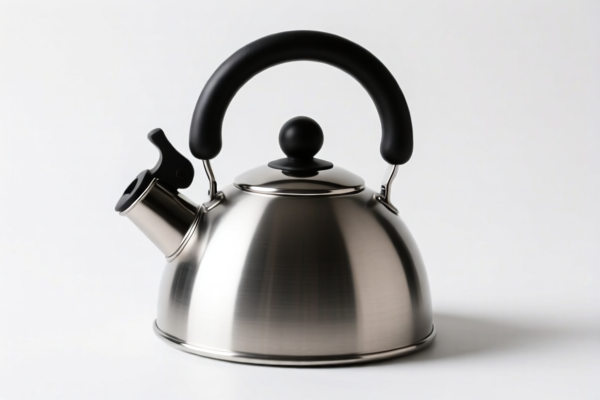
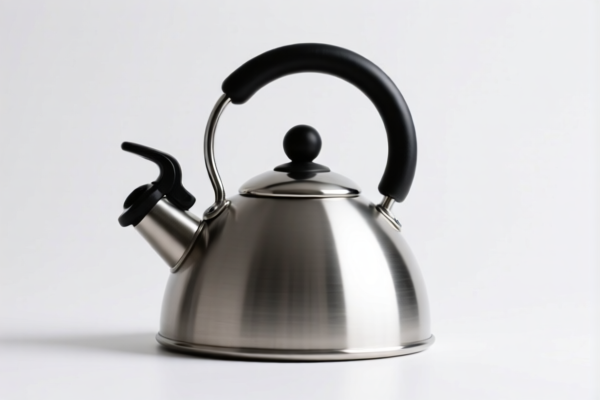
AI Analysis
☕️ Coffee Kettles & Kitchenware: HS Code Classification & 2026 Tariff Strategy
🌐 HS Code Reference & Customs Clearance Guide | 2026 Latest Tariff Analysis | Professional Compliance Strategy
📌 I. Product Definition & Classification: Do You Really Know "Coffee Kettles"?
In international trade, "Coffee Kettles" are not a single unified category. The correct HS Code depends entirely on the material and primary function. Misclassification leads to severe tariff penalties (e.g., 65.3% vs. 16.3%).
🔍 Key Classification Logic:
- Metal (Stainless Steel/Iron/Steel): Most common for stovetop kettles and electric kettle bodies.
- Note: If it has an electric heating element, it might be 8516, but standard non-electric metal kettles fall under Chapter 73.
- Ceramic/Porcelain: Common for aesthetic serving pots, French presses (ceramic bodies), or drip trays.
- Note: Falls under Chapter 69.
- Aluminum: Less common for direct heat, often used for lightweight travel kettles.
- Note: Falls under Chapter 76.
⚠️ Critical Distinction:
- Non-electric metal kettles → 7323 or 7615
- Ceramic serving ware → 6911
- Electric Kettles → 8516.72 (Not in current data, but be aware!)
📦 II. HS Code Classification Details (2026 Latest Tariff Reference)
Based on the provided data, here are the 5 relevant HS Codes with detailed tax breakdowns.
| HS Code | Product Description | Material Inference | Primary Use |
|---|---|---|---|
7323.93.00.45 |
Table, kitchen, or other household articles and parts thereof, of stainless steel | Stainless Steel / Metal | Cooking & Kitchen Utensils |
7323.99.70.00 |
Other table, kitchen, or other household articles and parts thereof, of iron or steel | Iron / Steel | Kitchen/Household Items |
6911.10.80.10 |
Tableware and kitchenware, of porcelain or china | Ceramic / Porcelain | Kitchen Utensils (Ceramic) |
6911.10.41.00 |
Tableware and kitchenware, of porcelain or china (Fine Porcelain) | Ceramic / Porcelain | Tableware & Kitchen Utensils |
7615.10.71.55 |
Table, kitchen, or other household articles and parts thereof, of aluminum | Aluminum / Stainless Steel | Kitchen Utensils |
💰 III. 2026 Latest Tariff Rate Breakdown (Including Surcharges & Policy Add-ons)
✅ Applicable Country: United States (US)
✅ Origin: China (CN)
✅ Effective Date: 2025/2026 (Current Policy)
⚠️ Key Factor: Section 301/122 Tariffs on Steel, Aluminum, and Copper products significantly impact metal kitchenware.
🎯 1. 7323.93.00.45 —— Stainless Steel Kitchenware
| Item | Detail |
|---|---|
| Base Tariff | 2.0% |
| Surtariff (301/122) | 50% (Specific to Steel/Aluminum/Copper articles under Section 122/301) |
| Total Tax | 62.0% |
| Tax Calculation | CIF Value × 62.0% |
| De Minimis Exemption? | ❌ No (High duty rates usually deny de minimis eligibility) |
| Legal Basis | Base Tariff + Section 122/301 Surtariff (Steel Products) |
📌 Explanation:
- Stainless steel kitchen items are subject to 50% additional tariffs due to steel/aluminum import restrictions.
- This is a very high burden. Ensure your product is strictly "stainless steel" and not misdeclared to avoid audits.
🎯 2. 7323.99.70.00 —— Iron/Steel Household Articles
| Item | Detail |
|---|---|
| Base Tariff | 5.3% |
| Surtariff (301/122) | 50% (Steel/Aluminum/Copper) |
| Total Tax | 65.3% |
| Tax Calculation | CIF Value × 65.3% |
| De Minimis Exemption? | ❌ No |
| Legal Basis | Base Tariff + Section 122/301 Surtariff (Steel Products) |
📌 Explanation:
- This code covers iron or steel (non-stainless) kitchen items.
- Like stainless steel, it incurs the 50% steel surcharge.
- Total 65.3% is one of the highest rates in this dataset. Consider material alternatives if possible.
🎯 3. 6911.10.80.10 —— Ceramic Porcelain Kitchenware
| Item | Detail |
|---|---|
| Base Tariff | 20.8% |
| Surtariff | 7.5% (General Surtariff) |
| Section 122/301? | No (Ceramic is not steel/aluminum/copper) |
| Total Tax | 38.3% |
| Tax Calculation | CIF Value × 38.3% |
| De Minimis Exemption? | ❌ No |
| Legal Basis | Base Tariff + General Surtariff |
📌 Explanation:
- Ceramic does not suffer from the 50% steel/aluminum penalty.
- However, the base tariff (20.8%) is higher than metal.
- 38.3% is moderate compared to steel but still significant.
🎯 4. 6911.10.41.00 —— Fine Porcelain Tableware
| Item | Detail |
|---|---|
| Base Tariff | 6.3% |
| Surtariff | 0.0% |
| Section 122/301? | No |
| Total Tax | 16.3% |
| Tax Calculation | CIF Value × 16.3% |
| De Minimis Exemption? | ❌ No |
| Legal Basis | Base Tariff Only |
📌 Explanation:
- Best Tariff Option!
- This code applies to fine porcelain (high-quality ceramic) with no ceramic category conflict.
- 16.3% is the lowest rate in the dataset.
- If your "coffee kettle" is ceramic, ensure it qualifies as "fine porcelain" to avoid higher rates.
🎯 5. 7615.10.71.55 —— Aluminum Kitchen Utensils
| Item | Detail |
|---|---|
| Base Tariff | 3.1% |
| Surtariff (301/122) | 50% (Steel/Aluminum/Copper) |
| Total Tax | 63.1% |
| Tax Calculation | CIF Value × 63.1% |
| De Minimis Exemption? | ❌ No |
| Legal Basis | Base Tariff + Section 122/301 Surtariff (Aluminum Products) |
📌 Explanation:
- Aluminum is also subject to the 50% surcharge under Section 122/301.
- 63.1% is extremely high.
- Avoid classifying aluminum kettles under this code unless necessary; check if a different material classification applies.
🛠️ IV. Customs Clearance Practical Advice (Pitfall Avoidance Guide)
✅ 1. Material Verification is Critical
| Material | Recommended HS Code | Total Tax | Risk |
|---|---|---|---|
| Stainless Steel | 7323.93.00.45 |
62.0% | High |
| Iron/Steel | 7323.99.70.00 |
65.3% | Highest |
| Aluminum | 7615.10.71.55 |
63.1% | High |
| Ceramic (Standard) | 6911.10.80.10 |
38.3% | Moderate |
| Ceramic (Fine Porcelain) | 6911.10.41.00 |
16.3% | Lowest (Best) |
🔥 Key Insight:
- Metal kettles face a 50% penalty.
- Ceramic kettles do not.
- If your product is mixed material (e.g., ceramic handle + metal body), customs may classify it by principal material. If metal >50% by weight, it likely falls under Chapter 73/76 → 60%+ tax.
✅ 2. Documentation Requirements
| Document | Required? | Notes |
|---|---|---|
| ✅ Product Specification Sheet | ✔️ | Must clearly state material composition (% of steel, ceramic, etc.) |
| ✅ Product Photos | ✔️ | Show the material texture (glossy metal vs. glazed ceramic) |
| ✅ Commercial Invoice | ✔️ | Describe as "Ceramic Coffee Pot" or "Stainless Steel Kettle", NOT generic "Kitchen Ware" |
| ✅ Origin Certificate | ✔️ | If from China, subject to all surcharges. If from Vietnam/Mexico, may qualify for IEEPA Exemption |
| ✅ Material Test Report | ✔️ | Recommended for mixed-material products to prove ceramic vs. metal ratio |
✅ 3. Declaration Tips (Golden Rules)
🔥 “Material First, Function Second, Name Precise!”
| Scenario | Correct Declaration | Incorrect Declaration |
|---|---|---|
| Stainless Steel Kettle | 7323.93.00.45 – "Stainless Steel Kitchen Kettle" |
"Kitchen Utensil" (Vague → Audit Risk) |
| Ceramic Coffee Server | 6911.10.41.00 – "Porcelain Tableware" |
"Metal Kettle" (Wrong Material → 62% Tax) |
| Aluminum Travel Kettle | 7615.10.71.55 – "Aluminum Household Article" |
"Steel Kettle" (Material Error → Fine) |
| Mixed Material (Ceramic Body + Metal Lid) | Consult customs: May be 6911 if ceramic is principal |
Declare as Steel → 62% Tax on whole item |
🌍 V. Global Market Comparison (2026)
| Country | Recommended HS Code | Tax Rate (China Origin) | Notes |
|---|---|---|---|
| 🇺🇸 USA | 6911.10.41.00 |
16.3% | Lowest if ceramic. Metal = 60%+. |
| 🇺🇸 USA | 7323.93.00.45 |
62.0% | Stainless steel faces 50% surcharge. |
| 🇨🇳 China | 7323.93.00.00 |
~10% | Lower base tariff, no US surcharges. |
| 🇪🇺 EU | 7323.93.00 |
~4.5% | No Section 301/122. Much lower than US. |
| 🇯🇵 Japan | 7323.93.00 |
~4.0% | Low base tariff, no major surcharges. |
📌 Strategy:
- If shipping to the US, consider ceramic materials or origin shifting (e.g., assemble in Vietnam) to avoid 50% surcharges.
- If shipping to EU/Japan, metal is cheaper.
📌 VI. Common Errors & Pitfalls (Lessons Learned)
❌ Error 1: Declaring Stainless Steel as "Kitchen Ware" without specifying material.
👉 Result: Customs assigns 7323.99 or audits → 65.3% tax + penalties.
❌ Error 2: Declaring Ceramic as "Porcelain" when it’s "Stoneware" or "Earthenware".
👉 Result: Misclassification → 38.3% instead of 16.3%.
❌ Error 3: Ignoring Section 122/301 on metal products.
👉 Result: Unexpected 50% surcharge on top of base tariff.
❌ Error 4: Mixed-material products (e.g., ceramic handle, metal body) declared as one material.
👉 Result: Customs may rule based on principal material → High tax if metal dominates.
✅ Correct Practice:
"Stainless Steel Coffee Kettle, 1.5L, Model XYZ, Made in China"
OR
"Fine Porcelain Coffee Server, White Glazed, Model ABC, Made in China"
🎯 VII. Conclusion: Minimize Tax, Maximize Profit
🎯 Key Takeaway:
🔹 Metal = 60%+ Tax (Due to 50% Steel/Aluminum Surcharge)
🔹 Ceramic = 16-38% Tax (No Surcharge, but higher base)
🔹 Best Option: Fine Porcelain (6911.10.41.00) at 16.3%🔹 "Choose Ceramic, Avoid Steel, Save 45%!"
🔹 "HS Code Defines Tax, Material Defines HS, Accuracy Defines Profit!"
📌 Pro Tip:
If your product is metal, consider origin diversification (e.g., Vietnam, Mexico) to apply for IEEPA Exemptions and reduce taxes to 0-5%.
For ceramic, ensure "Fine Porcelain" certification to qualify for the 16.3% rate.
📣 Immediate Action:
📞 Confirm material composition with manufacturer
📸 Take clear photos of material texture
📝 Declare precisely: "Stainless Steel Kettle" or "Porcelain Coffee Server"
🚀 Clear Customs Smoothly, Boost Margins!
✨ Professional Classification Starts with Accuracy!
💼 Every 1% Tax Saving is Pure Profit!
Customer Reviews
About HS Code Classification
The Harmonized System (HS) is an internationally standardized nomenclature developed by the World Customs Organization (WCO) to classify traded products. Over 200 countries use the HS system as the basis for customs tariffs, trade statistics, and import/export regulations.
Each HS code follows a hierarchical structure:
- Chapter (2 digits) — Broad category of goods (e.g., Chapter 84: Machinery and Mechanical Appliances)
- Heading (4 digits) — More specific grouping within the chapter
- Subheading (6 digits) — Internationally standardized breakdown, used by all WCO member countries
- National subdivisions (8-10 digits) — Country-specific extensions for further classification, such as US HTSUS 10-digit codes
Correct HS code classification is essential for smooth customs clearance, accurate duty payment, and compliance with trade regulations. Misclassification can lead to customs delays, overpayment of duties, or penalties.
When importing from CN to US, the applicable tariff rates may include:
- Most-Favored-Nation (MFN) rate — The standard duty rate applied to WTO members
- General rate — Applied to countries without trade agreements
- Trade remedy duties — Additional tariffs such as Section 301 (anti-dumping), Section 232 (national security), or countervailing duties
The information provided on this page is for reference purposes only. For official classification, please consult with your local customs authority or a licensed customs broker.