coffee pot
CN → US| HS Code | Tariff Rate | Origin | Destination | Doc |
|---|---|---|---|---|
| 7323930045 | 62.0% | CN | US | Official Doc |
| 7323997000 | 65.3% | CN | US | Official Doc |
| 6911108010 | 38.3% | CN | US | Official Doc |
| 6911104100 | 16.3% | CN | US | Official Doc |
| 7615107155 | 63.1% | CN | US | Official Doc |
Product Images
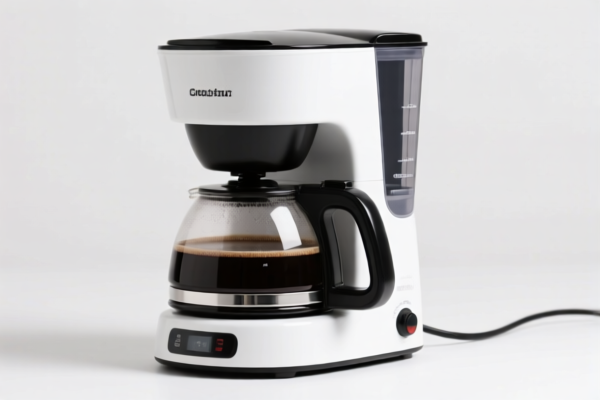
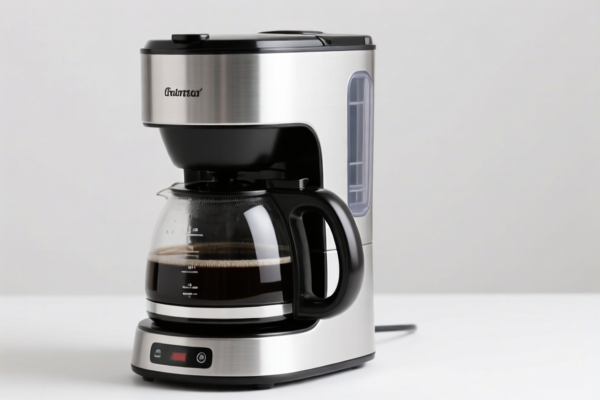
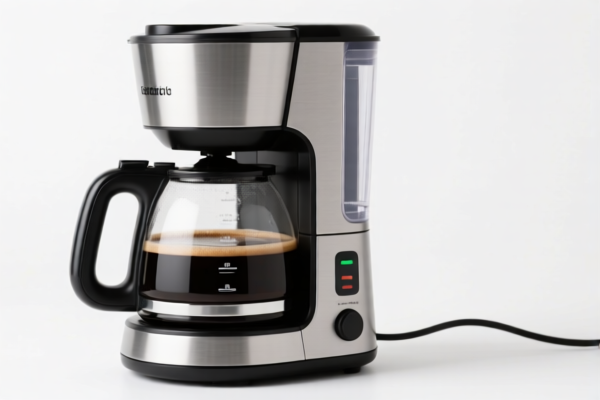
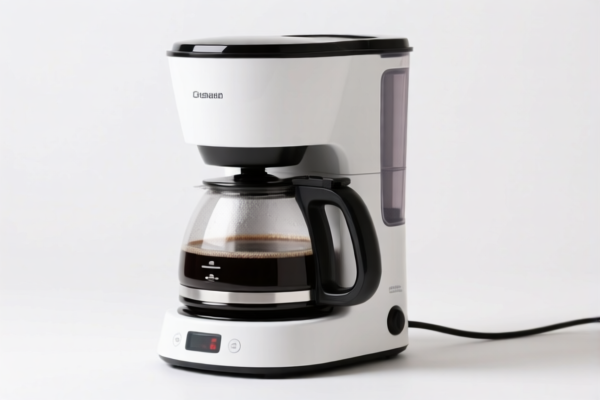
AI Analysis
☕ Coffee Pot (Coffee Pots for Household Use)
🌐 HS Code Reference & Customs Clearance Guide | 2026 Latest Tariff Full Analysis | Professional Clearance Strategy
📌 I. Product Definition & Classification: Do You Really Understand "Coffee Pots"?
A "Coffee Pot" in international trade typically refers to household kitchenware used for brewing, storing, or serving coffee. It is not a single HS code but a category that spans multiple materials and functions. In the US Harmonized Tariff Schedule (HTSUS), coffee pots are primarily classified based on their material (Metal, Ceramic, Glass, Plastic) and function (Kitchen/Utensil vs. Part of a Machine).
⚠️ Key Distinction:
- If it is a standalone vessel (stainless steel, ceramic, glass) used for brewing or serving → Falls under Chapter 73 (Iron/Steel), Chapter 76 (Aluminum), or Chapter 69 (Ceramics).
- If it is a part of an electric coffee maker (e.g., a removable glass carafe) → May fall under Chapter 85 (Parts of Electric Appliances).
- Note: The provided data focuses on standalone kitchen utensils/vessels.
📦 II. HS Code Classification Details (Based on Provided Data)
| HS Code | Material/Type | Summary & Function | Total Tax Rate |
|---|---|---|---|
7615.10.71.55 |
Metal (e.g., Stainless Steel/Aluminum) | Inferred as metal kitchenware, suitable for cooking utensils. | 63.1% |
7615.10.30.25 |
Aluminum | Inferred as aluminum, suitable for kitchen utensils. | 70.6% |
7323.93.00.45 |
Metal (Stainless/Iron/Steel) | Matches cooking/kitchen use, inferred as metal. | 62.0% |
7323.99.70.00 |
Iron/Steel | Matches kitchen/home use, inferred as iron/steel. | 65.3% |
6911.10.80.10 |
Ceramic/Glass/Metal | Matches kitchen use, inferred as ceramic, glass, or metal. | 38.3% |
6911.10.41.00 |
Ceramic (Tableware/Kitchenware) | Belongs to kitchen utensils category, ceramic material. | 16.3% |
🔍 Key Insight:
- Ceramic coffee pots/servicers (6911.10) generally have the lowest tariff among the listed options due to lower base duties and specific exemptions.
- Aluminum (7615.10.30.25) has the highest total tax due to additional 122 Section tariffs.
- Steel/Iron (7323.93/7323.99) varies between 62%–65.3% depending on the specific sub-classification.
💰 III. 2026 Latest Tariff Rate Breakdown (Including Surcharges & Policy Add-ons)
✅ Applicable Country: United States (US)
✅ Country of Origin: China (CN)
✅ Effective Date: Ongoing (Includes Section 122 & IEEPA measures)
🎯 1. 7615.10.71.55 —— Metal Kitchenware (Stainless Steel/Aluminum)
| Item | Detail |
|---|---|
| Base Duty | 3.1% |
| Section 301 Surcharge | 0.0% (Specific to this sub-heading) |
| Section 122 Surcharge | 50% (Steel, Aluminum, Copper Products) |
| Total Tax Rate | 63.1% |
| Tax Calculation | CIF Value × 63.1% |
| De Minimis Exemption | ❌ Not Applicable (High duty rate prevents de minimis use) |
📌 Explanation:
- The 50% Section 122 duty is a critical cost driver for aluminum and steel kitchenware.
- Despite a low base duty of 3.1%, the 50% surcharge makes this a high-cost classification.
🎯 2. 7615.10.30.25 —— Aluminum Kitchenware
| Item | Detail |
|---|---|
| Base Duty | 3.1% |
| Section 301 Surcharge | 7.5% |
| Section 122 Surcharge | 50% (Steel, Aluminum, Copper Products) |
| Total Tax Rate | 70.6% |
| Tax Calculation | CIF Value × 70.6% |
| De Minimis Exemption | ❌ Not Applicable |
📌 Warning:
- This is the most expensive classification in the provided data.
- The combination of 7.5% Section 301 + 50% Section 122 creates a massive barrier to entry. Avoid this code if possible unless the product is exclusively aluminum without steel components.
🎯 3. 7323.93.00.45 —— Steel/Iron Kitchenware (Specific Type)
| Item | Detail |
|---|---|
| Base Duty | 2.0% |
| Section 301 Surcharge | 0.0% |
| Section 122 Surcharge | 50% (Steel, Aluminum, Copper Products) |
| Total Tax Rate | 62.0% |
| Tax Calculation | CIF Value × 62.0% |
| De Minimis Exemption | ❌ Not Applicable |
📌 Analysis:
- Lower base duty (2.0%) compared to7323.99.
- Still subject to the heavy 50% Section 122 surcharge.
🎯 4. 7323.99.70.00 —— Steel/Iron Kitchenware (Other)
| Item | Detail |
|---|---|
| Base Duty | 5.3% |
| Section 301 Surcharge | 0.0% |
| Section 122 Surcharge | 50% (Steel, Aluminum, Copper Products) |
| Total Tax Rate | 65.3% |
| Tax Calculation | CIF Value × 65.3% |
| De Minimis Exemption | ❌ Not Applicable |
📌 Analysis:
- Slightly higher base duty (5.3%) than7323.93.
- Total tax is higher than7323.93despite the same 50% surcharge.
🎯 5. 6911.10.80.10 —— Ceramic/Glass/Metal Kitchenware
| Item | Detail |
|---|---|
| Base Duty | 20.8% |
| Section 301 Surcharge | 7.5% |
| Section 122 Surcharge | 10% (Specific to this sub-heading) |
| Total Tax Rate | 38.3% |
| Tax Calculation | CIF Value × 38.3% |
| De Minimis Exemption | ❌ Not Applicable |
📌 Analysis:
- Significant Savings: This rate is much lower than metal/aluminum options.
- Note: The 10% surcharge is labeled "Section 122 10%" in the data, which is distinct from the 50% steel/aluminum surcharge. Ensure the product is primarily ceramic/glass.
🎯 6. 6911.10.41.00 —— Ceramic Tableware/Kitchenware (Best Option?)
| Item | Detail |
|---|---|
| Base Duty | 6.3% |
| Section 301 Surcharge | 0.0% |
| Section 122 Surcharge | 10% |
| Total Tax Rate | 16.3% |
| Tax Calculation | CIF Value × 16.3% |
| De Minimis Exemption | ❌ Not Applicable |
📌 Recommendation:
- Lowest Tax Rate: At 16.3%, this is the most cost-effective classification.
- Condition: The product must be clearly identified as ceramic kitchenware/tableware. If it has metal parts (like a stainless steel lid or handle), customs may reclassify it to Chapter 73/76, triggering higher duties.
- Strategy: If your coffee pot is ceramic, emphasize the ceramic material in documentation.
🛠️ IV. Customs Clearance Practical Advice (Pitfall Avoidance Guide)
✅ 1. Required Documentation Checklist
| Document | Mandatory? | Description |
|---|---|---|
| ✅ Product Specifications | ✔️ | Material composition (e.g., "Body: Porcelain, Lid: Stainless Steel"). |
| ✅ Product Photos | ✔️ | Clear images of the entire pot, including any metal handles/lids. |
| ✅ Commercial Invoice | ✔️ | Clearly state "Ceramic Coffee Pot" or "Metal Coffee Pot". Avoid vague terms like "Kitchen Accessory". |
| ✅ Material Declaration | ✔️ | Detailed breakdown of materials to justify 6911 (Ceramic) vs. 7323/7615 (Metal). |
| ✅ Packaging List | ✔️ | Show how items are packed to prevent damage and clarify quantities. |
✅ 2. Classification Strategy & Tips
🔥 "Material is King: Ceramic Saves, Metal Taxed!"
| Scenario | Recommended HS Code | Why? |
|---|---|---|
| Pure Ceramic Coffee Pot | 6911.10.41.00 |
Lowest tax (16.3%). Ensure no large metal components. |
| Ceramic with Small Metal Lid/Handle | 6911.10.80.10 or 7323.99.70.00 |
Depends on whether the metal is the "essential character". If metal dominates, 7323 may apply (65.3%). |
| Stainless Steel Coffee Pot | 7323.93.00.45 or 7323.99.70.00 |
Subject to 50% Section 122. Tax: ~62-65%. |
| Aluminum Coffee Pot | 7615.10.30.25 |
Highest tax (70.6%). Avoid unless necessary. |
| Glass Coffee Pot | Check if classified under 6911 (if glass-ceramic) or other glass chapters. |
Data suggests 6911.10.80.10 may cover mixed materials. |
✅ 3. Special Handling
| Scenario | Handling Advice |
|---|---|
| Mixed Material (Ceramic Body + Metal Lid) | Customs may view the metal lid as the essential character if it’s heavy or functional. Risk: Reclassification to Chapter 73/76. Solution: Provide photos showing the ceramic body dominates. |
| Electric Coffee Maker Carafe | If the "pot" is part of an electric machine, it might be classified as a part of 8509.40 (Electric Coffee Grinders/Makers). Check if your product is standalone or part of a machine. |
| Gift Sets (Pot + Cups) | If sold as a set, classify according to the essential character. If the pot is the main item, use the pot's HS code. |
🌍 V. Global Market Comparison (2026)
| Country/Region | Recommended HS Code (Ceramic) | Tariff | Notes |
|---|---|---|---|
| 🇺🇸 US | 6911.10.41.00 |
16.3% | Includes 10% Section 122. Best for ceramic. |
| 🇨🇳 China | 6911.10.41.00 |
~5-7% | Lower duties, no Section 122. |
| 🇪🇺 EU | 6911.10 |
6.5% | No Section 122. VAT applies separately. |
| 🇬🇧 UK | 6911.10 |
6.5% | Post-Brexit tariff alignment. |
📌 Conclusion:
- The US market is significantly more expensive for kitchenware due to Section 122 and Section 301 tariffs.
- Ceramic products enjoy a relative advantage over metal/aluminum in the US market due to lower surcharges.
📌 VI. Common Mistakes & Pitfalls
❌ Mistake 1: Classifying a stainless steel coffee pot as 6911 (Ceramic) to save tax.
👉 Consequence: Customs inspection will reveal the metal material, leading to reclassification, back taxes, and penalties (63.1% vs 16.3%).
❌ Mistake 2: Ignoring the 50% Section 122 duty on aluminum/steel.
👉 Consequence: Profit margins wiped out. Budget for ~65%+ duty, not just the base 3-5%.
❌ Mistake 3: Vague description "Kitchen Pot".
👉 Consequence: Customs may choose the highest applicable code or request additional info, causing delays. Always specify Material and Use.
✅ Best Practice:
"Ceramic Coffee Server, 1L, White, with Stainless Steel Lid (for decoration only)"
Provide photos showing the ceramic body is the primary structure.
🎯 VII. Conclusion: Smart Classification, Maximize Profit!
🎯 Key Takeaways:
🔹 Ceramic is King:
6911.10.41.00offers the lowest duty (16.3%).
🔹 Metal is Expensive:7323and7615incur 50% Section 122 surcharges.
🔹 Aluminum is Worst:7615.10.30.25hits 70.6% total tax.
🔹 Be Precise: Material declarations must match physical reality.
📌 Pro Tip:
If you are importing stainless steel coffee pots, consider if the product can be redesigned to be ceramic or if you can source from a non-China origin (if eligible for duty-free or lower rates) to mitigate the high US tariffs.
✨ Professional Clearance Starts with Accurate Classification!
💼 Every percentage point of duty is pure profit lost!
Customer Reviews
About HS Code Classification
The Harmonized System (HS) is an internationally standardized nomenclature developed by the World Customs Organization (WCO) to classify traded products. Over 200 countries use the HS system as the basis for customs tariffs, trade statistics, and import/export regulations.
Each HS code follows a hierarchical structure:
- Chapter (2 digits) — Broad category of goods (e.g., Chapter 84: Machinery and Mechanical Appliances)
- Heading (4 digits) — More specific grouping within the chapter
- Subheading (6 digits) — Internationally standardized breakdown, used by all WCO member countries
- National subdivisions (8-10 digits) — Country-specific extensions for further classification, such as US HTSUS 10-digit codes
Correct HS code classification is essential for smooth customs clearance, accurate duty payment, and compliance with trade regulations. Misclassification can lead to customs delays, overpayment of duties, or penalties.
When importing from CN to US, the applicable tariff rates may include:
- Most-Favored-Nation (MFN) rate — The standard duty rate applied to WTO members
- General rate — Applied to countries without trade agreements
- Trade remedy duties — Additional tariffs such as Section 301 (anti-dumping), Section 232 (national security), or countervailing duties
The information provided on this page is for reference purposes only. For official classification, please consult with your local customs authority or a licensed customs broker.