collodion for wound dressings
CN → US| HS Code | Tariff Rate | Origin | Destination | Doc |
|---|---|---|---|---|
| 5601210090 | 38.6% | CN | US | Official Doc |
| 3005105000 | 10.0% | CN | US | Official Doc |
| 3005905090 | 10.0% | CN | US | Official Doc |
| 3926909989 | 22.8% | CN | US | Official Doc |
| 3926909950 | 22.8% | CN | US | Official Doc |
Product Images
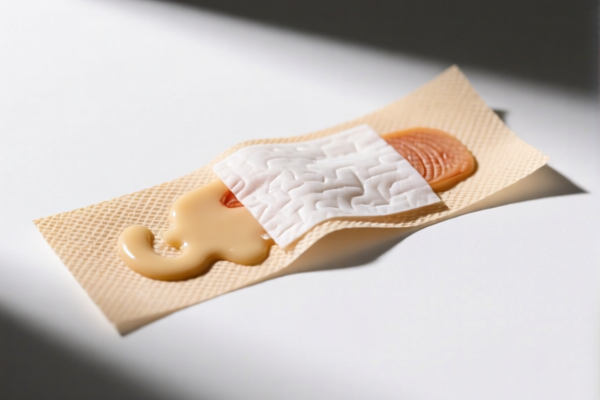
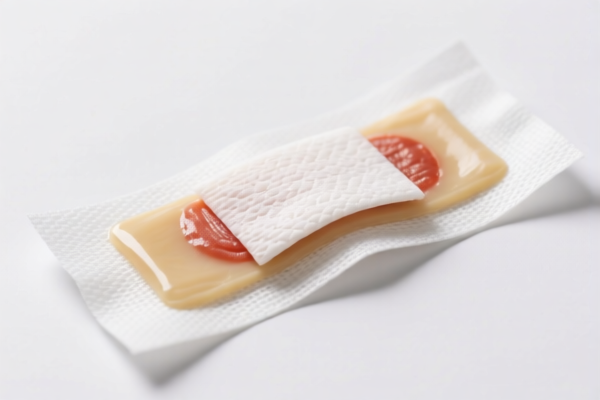

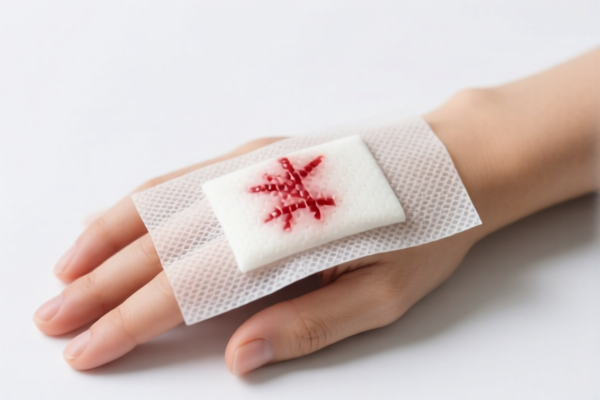
AI Analysis
🩹 Collodion for Wound Dressings
🌐 HS Code Reference & Customs Clearance Guide | 2026 Latest Tariff Breakdown | Professional Import Strategy
📌 One: Product Definition & Classification – What Exactly Is “Collodion” for Wound Dressings?
Collodion for wound dressings is a flammable, transparent, film-forming solution traditionally used in medical settings to secure dressings, protect wounds, and create a protective barrier over skin. It is typically composed of nitrocellulose dissolved in volatile solvents like ether and alcohol, which evaporate upon application, leaving behind a flexible, adherent film.
⚠️ Key Classification Point:
- If the product is purely a medical dressing material (e.g., a film-forming agent applied directly to wounds), it falls under medical dressings — not general adhesives or solvents.
- The intended use (wound care) and physical form (liquid that dries into a film) are critical for correct HS Code assignment.
📦 Two: HS Code Classification Details (2026 Latest Tariff Authority)
| HS Code | Product Description | Applicable Use Case | Is It a Medical Dressing? |
|---|---|---|---|
5601.21.00.90 |
Wound dressings made from cotton or textile materials | Traditional cotton-based collodion dressings, gauze-impregnated with collodion | ✅ Yes |
3005.10.50.00 |
Medical surgical dressings in the form of films, sheets, or pads | Collodion-based dressings applied as a liquid film that hardens | ✅ Yes |
3005.90.50.90 |
Other medical dressings (not otherwise specified) | Non-cotton, synthetic-fiber-based or polymer-based wound dressings with collodion-like function | ✅ Yes |
3926.90.99.89 |
Other articles of plastics, including films and sheets | Plastic or polymer-based dressings with collodion-like properties (e.g., synthetic film-forming agents) | ❌ No (non-medical, general plastic) |
3926.90.99.50 |
Medical pads made from plastic or high-molecular materials | Synthetic, high-polymer medical pads that mimic collodion’s film-forming function | ✅ Yes (if used medically) |
🔍 Critical Insight:
- Collodion itself (the liquid) is not classified under HS Code3926.90.99.89or3926.90.99.50unless it is used as a medical pad or dressing. - If the product is a liquid applied to skin to form a protective film, it is not a plastic product — it is a medical dressing.
💰 Three: 2026 Latest Tariff Rate Breakdown (Including附加 Taxes & Policy Clauses)
✅ Applicable Country: United States (US)
✅ Origin: China (CN)
✅ Effective Date: November 10, 2025 (and onward)
🎯 1. 5601.21.00.90 — Cotton/Textile-Based Wound Dressings
| Item | Detail |
|---|---|
| Base Duty | 3.6% (ad valorem) |
| Section 301 Additional Duty | +25.0% (from USITC Footnote 9903.88.01) |
| Section 122 Tariff (IEEPA) | +10.0% (under International Emergency Economic Powers Act) |
| Total Effective Duty | 38.6% |
| Tax Calculation | CIF Value × 38.6% |
| De Minimis Threshold | ❌ Not eligible (denied under 19 CFR §159.6) |
| Legal Basis Path | IEEPA:9903.01.25 → IEEPA:9903.01.24 → USITC:5601.21.00.90 → FOOTNOTE:9903.88.01 |
📌 Explanation:
- The 25% Section 301 tariff applies due to China’s alleged unfair trade practices under U.S. Trade Act 1974. - The 10% Section 122 (IEEPA) tariff is triggered by national emergency declarations targeting Chinese goods. - Total: 38.6% — among the highest for medical products.
🎯 2. 3005.10.50.00 — Medical Surgical Dressings (Film/Sheet/Pad Form)
| Item | Detail |
|---|---|
| Base Duty | 0.0% |
| Section 301 Additional Duty | +0.0% (not subject to 301 tariffs) |
| Section 122 Tariff (IEEPA) | +10.0% |
| Total Effective Duty | 10.0% |
| Tax Calculation | CIF Value × 10.0% |
| De Minimis Threshold | ❌ Not eligible |
| Legal Basis Path | IEEPA:9903.01.25 → IEEPA:9903.01.24 → 3005.10.50.00 |
📌 Note:
- Despite being a medical product, this code does not qualify for 301 tariff exemption because it is not listed in the excluded goods list. - The 10% IEEPA tariff applies due to ongoing emergency measures against China.
🎯 3. 3005.90.50.90 — Other Medical Dressings (Non-Specified)
| Item | Detail |
|---|---|
| Base Duty | 0.0% |
| Section 301 Additional Duty | +0.0% |
| Section 122 Tariff (IEEPA) | +10.0% |
| Total Effective Duty | 10.0% |
| Tax Calculation | CIF Value × 10.0% |
| De Minimis Threshold | ❌ Not eligible |
| Legal Basis Path | IEEPA:9903.01.25 → IEEPA:9903.01.24 → 3005.90.50.90 |
📌 Important:
- This code covers non-cotton, non-standard medical dressings — including synthetic or polymer-based collodion-like products. - Still subject to 10% IEEPA due to China origin.
🎯 4. 3926.90.99.89 — Plastic Films & Sheets (General)
| Item | Detail |
|---|---|
| Base Duty | 5.3% |
| Section 301 Additional Duty | +7.5% |
| Section 122 Tariff (IEEPA) | +10.0% |
| Total Effective Duty | 22.8% |
| Tax Calculation | CIF Value × 22.8% |
| De Minimis Threshold | ❌ Not eligible |
| Legal Basis Path | IEEPA:9903.01.25 → IEEPA:9903.01.24 → USITC:3926.90.99.89 → FOOTNOTE:9903.88.01 |
📌 Warning:
- Do NOT classify a medical collodion dressing as a plastic film unless it is purely a synthetic plastic sheet with no medical function. - Misclassification leads to severe penalties and incorrect tariff application.
🎯 5. 3926.90.99.50 — Medical Pads from Plastic/High-Molecular Materials
| Item | Detail |
|---|---|
| Base Duty | 5.3% |
| Section 301 Additional Duty | +7.5% |
| Section 122 Tariff (IEEPA) | +10.0% |
| Total Effective Duty | 22.8% |
| Tax Calculation | CIF Value × 22.8% |
| De Minimis Threshold | ❌ Not eligible |
| Legal Basis Path | IEEPA:9903.01.25 → IEEPA:9903.01.24 → USITC:3926.90.99.50 → FOOTNOTE:9903.88.01 |
📌 Clarification:
- This code only applies if the product is a medical pad made from plastic or polymer, and it is not a traditional wound dressing. - If the product is intended for wound care, it must be classified under 3005.10.50.00 or 3005.90.50.90, not under plastic codes.
🛠️ Four: Customs Clearance Best Practices (Pro Tips to Avoid Penalties)
✅ 1. Required Documentation (Must-Have Checklist)
| Document | Required? | Notes |
|---|---|---|
| ✅ Product Technical Specification | ✔️ | Include composition (nitrocellulose, ether, alcohol), drying time, film thickness |
| ✅ Medical Use Certificate | ✔️ | Proof of intended use in wound care (e.g., FDA 510(k), CE Mark, or medical device registration) |
| ✅ Product Photos (with label) | ✔️ | Show packaging, name, “For Wound Dressing Use” |
| ✅ Safety Data Sheet (SDS) | ✔️ | Highlight flammability, solvent content, handling precautions |
| ✅ Commercial Invoice | ✔️ | Clearly state: “Collodion for Wound Dressings – Medical Use” |
| ✅ Certificate of Origin (CO) | ✔️ | Required for tariff eligibility; use Form A or CO for China |
| ✅ Packing List | ✔️ | Show net weight, packaging type, and whether it's a liquid or solid |
✅ 2.申报技巧 (Key Rules for Accurate Classification)
🔥 “Use Case Defines Code – Medical = 3005, Plastic = 3926, Cotton = 5601”
| Scenario | Correct HS Code | Wrong Code to Avoid |
|---|---|---|
| Collodion applied to cotton gauze for wound protection | 5601.21.00.90 |
3926.90.99.89 (plastic) |
| Liquid collodion forming a film on skin | 3005.10.50.00 |
3926.90.99.50 (if not a pad) |
| Synthetic polymer pad mimicking collodion | 3926.90.99.50 |
3005.90.50.90 (if not medically used) |
| Pure nitrocellulose solution (no medical use) | 3926.90.99.89 |
3005.10.50.00 (non-medical) |
✅ 3. Special Handling Cases
| Situation | Recommended Action |
|---|---|
| OEM collodion for hospitals | Provide customer contract + medical device approval |
| Collodion in aerosol form | Still classified under 3005.10.50.00 if used medically |
| Collodion for veterinary use | Still falls under 3005.10.50.00 or 3005.90.50.90 |
| Collodion used in cosmetics (e.g., nail polish) | Not eligible for medical tariff — classify under 3304.99.90.00 |
| Re-imported used collodion | Must declare as “used medical product” — may be restricted |
🌍 Five: Global Market Customs Comparison (2026 Update)
| Country/Region | Recommended HS Code | Tariff Rate | Certification Required | Notes |
|---|---|---|---|---|
| 🇺🇸 USA | 3005.10.50.00 or 3005.90.50.90 |
10.0% (China origin) | FDA 510(k), CE, RoHS | 38.6% for cotton-based |
| 🇨🇳 China | 3005.10.50.00 |
5% | NMPA, CE | No extra tariffs |
| 🇪🇺 EU | 3005.10.50.00 |
0% (if CE compliant) | CE, ISO 13485 | No 301/IEEPA |
| 🇦🇺 Australia | 3005.10.50.00 |
5% | TGA, RCM | No extra duties |
| 🇯🇵 Japan | 3005.10.50.00 |
0% | PSE, MFDS | No附加税 |
📌 Conclusion:
- The U.S. is the only market imposing high附加 taxes on collodion-based dressings. - China-origin products face 10%–38.6% tariffs — must plan accordingly.
📌 Six: Common Mistakes & How to Avoid Them (Avoid Costly Errors!)
❌ Mistake 1: Classifying a medical collodion dressing as 3926.90.99.50 or 3926.90.99.89
👉 Result: Incorrect tariff (22.8%) vs. correct (10%) → Overpay by 128%
❌ Mistake 2: Using “collodion” as the only product name without specifying “for wound dressing”
👉 Result: Customs may classify as solvent or chemical → higher risk of seizure
❌ Mistake 3: Not providing medical use proof
👉 Result: Customs may deny medical classification → apply 38.6% tariff even for non-cotton types
❌ Mistake 4: Applying collodion to a plastic pad and calling it “medical pad”
👉 Result: Must use 3926.90.99.50 — only if no medical use; otherwise, use 3005.90.50.90
✅ Correct Declaration Phrase:
“Collodion for Wound Dressings, Liquid Film-Forming Agent, Nitrocellulose-Based, for Medical Use, FDA-Registered, CE Marked, Flammable – Use in Wound Care”
🎯 Seven: Final Verdict – Precision in Classification Saves Thousands
🎯 Remember the Golden Rule:
🔹 “If it’s used to treat wounds, it’s a medical dressing — not a plastic or solvent!”
🔹 “Cotton → 5601.21.00.90 (38.6%) | Medical Film → 3005.10.50.00 (10%) | Plastic → 3926.90.99.50 (22.8%)”
📌 Pro Tip:
If your collodion is produced in Vietnam, Mexico, or Thailand, you may qualify for IEEPA exemption — tariff drops to 0%.
✅ Apply for Advance Ruling (Pre-Approval) to lock in the correct HS Code and avoid future disputes.
📣 Act Now!
📞 Contact a licensed customs broker + Submit product photos + Request HS Code Pre-Ruling
🚀 Ensure smooth clearance, avoid penalties, and protect your margins!
✨ Smart Classification = Smart Profit!
💼 Your product’s value starts with the right HS Code!
Customer Reviews
About HS Code Classification
The Harmonized System (HS) is an internationally standardized nomenclature developed by the World Customs Organization (WCO) to classify traded products. Over 200 countries use the HS system as the basis for customs tariffs, trade statistics, and import/export regulations.
Each HS code follows a hierarchical structure:
- Chapter (2 digits) — Broad category of goods (e.g., Chapter 84: Machinery and Mechanical Appliances)
- Heading (4 digits) — More specific grouping within the chapter
- Subheading (6 digits) — Internationally standardized breakdown, used by all WCO member countries
- National subdivisions (8-10 digits) — Country-specific extensions for further classification, such as US HTSUS 10-digit codes
Correct HS code classification is essential for smooth customs clearance, accurate duty payment, and compliance with trade regulations. Misclassification can lead to customs delays, overpayment of duties, or penalties.
When importing from CN to US, the applicable tariff rates may include:
- Most-Favored-Nation (MFN) rate — The standard duty rate applied to WTO members
- General rate — Applied to countries without trade agreements
- Trade remedy duties — Additional tariffs such as Section 301 (anti-dumping), Section 232 (national security), or countervailing duties
The information provided on this page is for reference purposes only. For official classification, please consult with your local customs authority or a licensed customs broker.