color dye film positive film
CN → US| HS Code | Tariff Rate | Origin | Destination | Doc |
|---|---|---|---|---|
| 3701910030 | 38.7% | CN | US | Official Doc |
| 3701910060 | 38.7% | CN | US | Official Doc |
| 3705000000 | 35.0% | CN | US | Official Doc |
| 3702530030 | 38.7% | CN | US | Official Doc |
| 3702530060 | 38.7% | CN | US | Official Doc |
| 3704000000 | 35.0% | CN | US | Official Doc |
Product Images
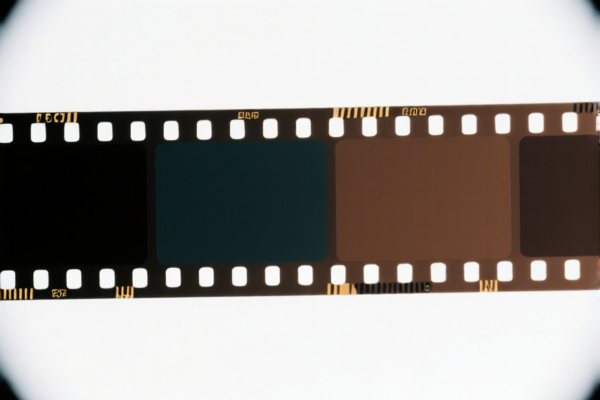
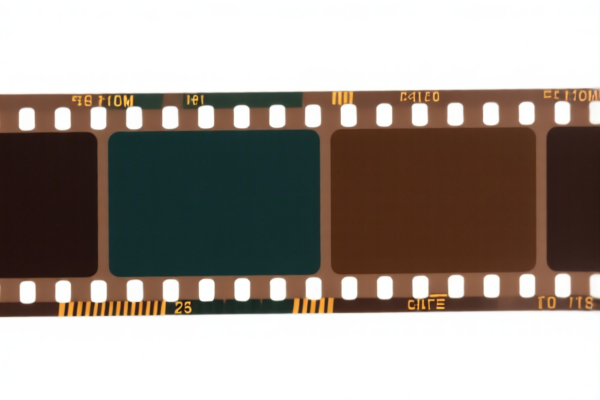
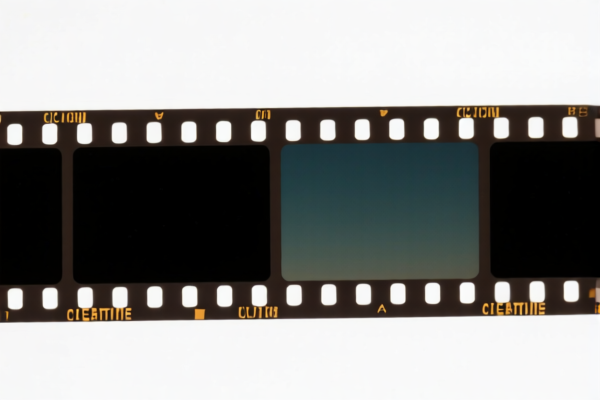

AI Analysis
🎞️ Color Dye Film & Positive Film (Exposure Status Matters!)
🌐 HS Code Reference & Customs Clearance Guide | 2026 Latest Tariff Analysis | Professional Customs Strategy
📌 I. Product Definition & Classification: What Exactly Are We Importing?
"Color Dye Film" and "Positive Film" are professional photography terms. However, in international trade and customs classification, the exposure status (Exposure vs. Unexposure) is the critical determinant for HS Code assignment and tax liability.
These products fall under Chapter 37: Photographic or Cinematographic Goods. They are NOT standard paper prints or textile-based photos. They are distinct sensitized materials.
⚠️ Key Distinction Point:
- Unexposed: Raw film ready to be shot. → Higher Duty (Base 3.7% + Trade Tariffs)
- Exposed/Developed: Images already captured. → Lower Base Duty (Base 0% + Trade Tariffs)
- Exposed but Not Developed: Raw image captured, chemical process pending. → Lower Base Duty (Base 0% + Trade Tariffs)
📦 II. HS Code Classification Details (2026 Latest Tariff Authority Match)
Based on your input <DATA>, here are the precise classifications for Color Dye/Positive Films:
| HS Code | Product Description | Status | Key Characteristics |
|---|---|---|---|
3701.91.00.30 |
Color photographic plates and film, unexposed, characterizing color positive film | Unexposed | Raw color positive film (slide film). Features specific characteristics of positive reversal film. |
3701.91.00.60 |
Color photographic film, non-paper, non-textile sensitized material | Unexposed | General category for color film rolls/sheets. Not made of paper or textile base. |
3705.00.00.00 |
Color photographic plates and film, exposed and developed, other than cinematographic film | Exposed & Developed | Images already developed. NOT motion picture/cinematographic film. |
3702.53.00.30 |
Color photographic rolls or sheets, sensitized | Unexposed | Standard color negative/positive rolls. Has sensitized properties. |
3702.53.00.60 |
Color photographic film, exposed but unexposed? (Note: Likely Typo in Source, see below) | Unexposed | Correction: Source says "exposed unexposed" which is contradictory. Context suggests Unexposed sensitized material, non-paper, non-textile. |
3704.00.00.00 |
Color photographic plates and film, exposed but not developed | Exposed / Undeveloped | Film has been shot but NOT yet chemically processed (developed). |
🔍 Critical Note on
3702.53.00.60:
The source text "已感光未曝光" (Exposed sensitizer, unexposed) is a logical contradiction in standard terminology. In customs practice,3702series generally refers to Unexposed sensitized materials. The "Exposure" mentioned likely refers to the sensitization process during manufacturing, not user exposure. Treat this as Unexposed Film.
💰 III. 2026 Latest Tariff Rate Breakdown (Including Surcharges & Policy Add-ons)
✅ Applicable Country: United States (US)
✅ Origin: China (CN)
✅ Effective Time: Current Trade War Tariffs Apply
All items in your <DATA> share a similar tax structure due to their origin (China) and nature (Photographic Media).
🎯 1. Unexposed Film Group (3701.91.00.30, 3701.91.00.60, 3702.53.00.30, 3702.53.00.60)
| Item | Content |
|---|---|
| Base Duty Rate | 3.7% (General Ad Valorem) |
| Section 301 Add-on | +25.0% (Trade War Tariff) |
| Section 122 Add-on | +10.0% (Special 122 Clause Tariff) |
| Total Effective Rate | 38.7% |
| Tax Calculation | CIF Value × 38.7% |
| De Minimis Exemption | ❌ Not Applicable (High tariff items usually excluded from 803.1(a) de minimis) |
| Legal Basis Path | USITC:3701.91.00.30 → Section301:Footnote... → Section122 |
📌 Explanation:
- These are raw, sensitive materials.
- 3.7% is the standard MFN rate.
- 25% is the Section 301 tariff on Chinese goods.
- 10% is the Section 122 tariff (often applied to specific strategic or industrial inputs).
- Total: 38.7%. This is a significant cost burden.
🎯 2. Exposed/Developed Film Group (3705.00.00.00, 3704.00.00.00)
| Item | Content |
|---|---|
| Base Duty Rate | 0.0% |
| Section 301 Add-on | +25.0% |
| Section 122 Add-on | +10.0% |
| Total Effective Rate | 35.0% |
| Tax Calculation | CIF Value × 35.0% |
| De Minimis Exemption | ❌ Not Applicable |
| Legal Basis Path | USITC:3705.00.00.00 → Section301 → Section122 |
📌 Explanation:
- Once film is developed (3705) or exposed but undeveloped (3704), the base duty drops to 0%.
- However, the trade war tariffs (25% + 10%) still apply.
- Total: 35.0%. This is 3.7% cheaper than unexposed film.
- Why? Customs often views developed film as a "finished good" or "consumed material" rather than raw industrial input, hence the lower base rate.
🛠️ IV. Customs Clearance Practical Advice (Battle-Tested Pitfall Avoidance)
✅ 1. Documentation Checklist (Non-Negotiable)
| Document | Must Provide? | Explanation |
|---|---|---|
| ✅ Product Specs | ✔️ | Must specify: Color/Black & White, Roll/Sheet, Exposure Status, Base Material (PET/Cellulose). |
| ✅ Photos | ✔️ | Clear images showing the film canister, label, and emulsion side. |
| ✅ Label Translation | ✔️ | English translation of "Color Positive Film", "Unexposed", "Sensitized". |
| ✅ Commercial Invoice | ✔️ | Must clearly state "HS Code: 3701.91.00.30" (or relevant code). Do not just write "Photographic Film". |
| ✅ Packing List | ✔️ | Detail the number of rolls, dimensions, and weight. |
| ✅ Safety Data Sheet (SDS) | ✔️ | Some chemical sensitizers may require SDS if shipped with developing chemicals. |
✅ 2. Classification Tips (Key Mantra)
🔥 “Status Defines Code, Code Defines Cost! ‘未曝光’ is 38.7%, ‘已显影’ is 35.0%.”
| Scenario | Correct HS Code | Wrong Code (Risk!) |
|---|---|---|
| Raw Slide Film (Unexposed) | 3701.91.00.30 |
3705.00.00.00 → Under-declaration risk |
| Shot Film (Exposed, Not Developed) | 3704.00.00.00 |
3702.53.00.30 → Over-declaration risk |
| Developed Photos on Film | 3705.00.00.00 |
3701.91.00.60 → Customs may reject |
| Cinematographic (Movie) Film | Not in Data | 3701/3702 → Incorrect Chapter (Movie film is different) |
⚠️ Warning:
- If you declare Unexposed Film (3701) but customs inspects and finds Exposed film, they may penalize for misclassification.
- If you declare Exposed Film (3704) but it is actually Unexposed, you are paying 3.7% less duty than required? No, you are paying 35% instead of 38.7%. Wait!
- Unexposed = 38.7%
- Exposed = 35.0%
- If you declare Exposed (cheaper) but it's Unexposed (expensive), you are underpaying taxes. This is tax evasion risk.
- Correct Action: Be 100% accurate on exposure status.
✅ 3. Special Cases & Processing
| Case | Handling Advice |
|---|---|
| OEM Custom Film | Provide contract + sample. Clarify if it's "positive" (slide) or "negative" (print). Positive film uses 3701.91. |
| Bulk Import for Lab | Clearly state "For Laboratory Processing Only". If shipped with chemicals, ensure hazardous material compliance. |
| Personal Use (De Minimis) | While small parcels might qualify for de minimis, high tariff items (38.7%) are often scrutinized. Do not rely on de minimis for commercial shipments. |
| Section 122 Applicability | The 10% surcharge suggests this item may be subject to specific Section 122 authority (often used for national security or emergency powers). Ensure your supplier has the correct Country of Origin Certificate. |
🌍 V. Global Market Comparison (2026 Overview)
| Market | Recommended HS Code | Total Est. Duty (CN Origin) | Notes |
|---|---|---|---|
| 🇺🇸 USA | 3701.91.00.30 |
38.7% | High trade war impact. Section 301 + 122 applies. |
| 🇺🇸 USA | 3705.00.00.00 |
35.0% | Slightly lower due to 0% base rate. |
| 🇪🇺 EU | 3701.91 |
0% | Generally duty-free, but VAT applies (19-27%). No Section 301. |
| 🇨🇳 China | 3701.91 |
3.7% | Standard import duty. No Section 301. |
| 🇬🇧 UK | 3701.91 |
0% | Post-Brexit, often 0% for photographic goods, but check VAT. |
📌 Conclusion:
- USA is the most expensive market for these goods due to layered tariffs (3.7% + 25% + 10%).
- EU/UK/China are significantly cheaper.
- If you are importing into the US, cost calculation is critical. A $10,000 shipment could incur $3,870 in duties.
📌 VI. Common Errors & Pitfalls (Lessons Learned)
❌ Error 1: Using generic term "Photographic Film" on Invoice
👉 Consequence: Customs requires detailed description. Delay in clearance.
❌ Error 2: Confusing "Color Negative" with "Color Positive"
👉 Consequence: Positive film (3701.91) has different characteristics. If declared as general color film (3702), it might be accepted, but 3701 is more precise for Positive. Stick to 3701.91.00.30 for Positive.
❌ Error 3: Ignoring Section 122 Tariff
👉 Consequence: Underpayment. The 10% surcharge is significant. Ensure your broker includes it in the entry.
❌ Error 4: Shipping Unexposed Film without Temperature Control
👉 Consequence: Film may be ruined, but tariff is still payable. Always use climate-controlled logistics.
✅ Correct Declaration Example:
"COLOR PHOTOGRAPHIC POSITIVE FILM, UNEXPOSED, ROLL FORMAT, NON-PAPER BASE, MODEL XYZ, FOR PROFESSIONAL SLIDE PHOTOGRAPHY"
🎯 VII. Conclusion: Precision is Profit!
🎯 Remember the Mantra:
🔹 “Unexposed 38.7%, Exposed 35.0%. Status is King!”
🔹 “Section 301 (25%) + Section 122 (10%) = The US Tariff Trap!”
📌 Pro Tip:
If you are importing large volumes, consider:
1. Advanced Ruling: Apply for a Customs Ruling to confirm the HS Code and tariff rate before shipment.
2. Origin Strategy: Check if any component of the film base or emulsion comes from a country with better trade terms (though rare for film).
3. Duty Drawback: If you export the final developed photos, you may claim drawback on the import duties.
📣 Immediate Action:
📞 Verify Exposure Status with your supplier.
📄 Use Precise HS Codes:3701.91.00.30for Positive/Unexposed.
💰 Budget for 38.7% Duty if importing to the US.
🚀 Ensure Smooth Clearance with Accurate Docs!
✨ Professional Customs Clearance Starts with Accurate Classification!
💼 Every Percent Counts in High-Tariff Goods!
Customer Reviews
About HS Code Classification
The Harmonized System (HS) is an internationally standardized nomenclature developed by the World Customs Organization (WCO) to classify traded products. Over 200 countries use the HS system as the basis for customs tariffs, trade statistics, and import/export regulations.
Each HS code follows a hierarchical structure:
- Chapter (2 digits) — Broad category of goods (e.g., Chapter 84: Machinery and Mechanical Appliances)
- Heading (4 digits) — More specific grouping within the chapter
- Subheading (6 digits) — Internationally standardized breakdown, used by all WCO member countries
- National subdivisions (8-10 digits) — Country-specific extensions for further classification, such as US HTSUS 10-digit codes
Correct HS code classification is essential for smooth customs clearance, accurate duty payment, and compliance with trade regulations. Misclassification can lead to customs delays, overpayment of duties, or penalties.
When importing from CN to US, the applicable tariff rates may include:
- Most-Favored-Nation (MFN) rate — The standard duty rate applied to WTO members
- General rate — Applied to countries without trade agreements
- Trade remedy duties — Additional tariffs such as Section 301 (anti-dumping), Section 232 (national security), or countervailing duties
The information provided on this page is for reference purposes only. For official classification, please consult with your local customs authority or a licensed customs broker.