color film high saturation
CN → US| HS Code | Tariff Rate | Origin | Destination | Doc |
|---|---|---|---|---|
| 3701910030 | 38.7% | CN | US | Official Doc |
| 3702520160 | 38.7% | CN | US | Official Doc |
| 3702550060 | 35.0% | CN | US | Official Doc |
| 3702310100 | 38.7% | CN | US | Official Doc |
| 3702520130 | 38.7% | CN | US | Official Doc |
Product Images
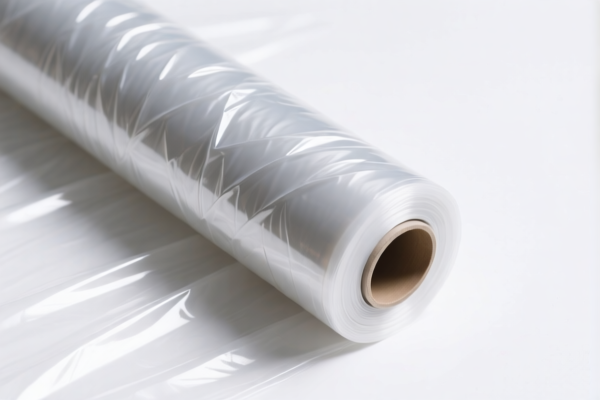
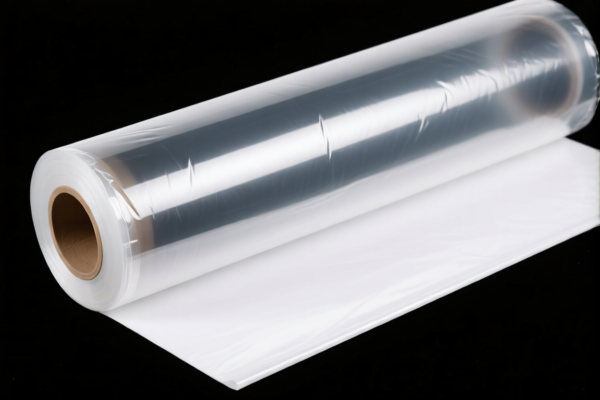
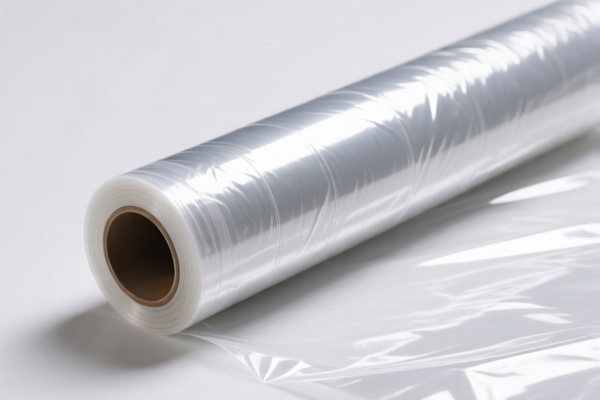
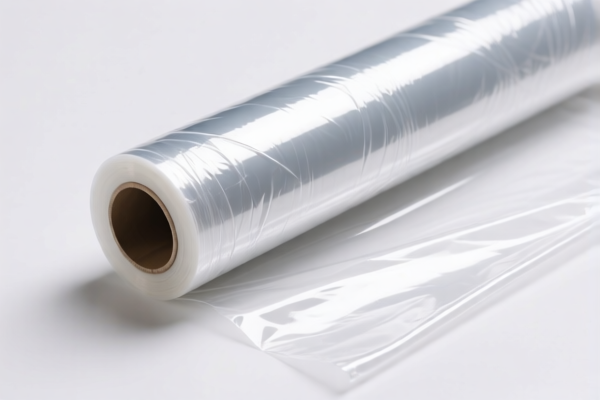
AI Analysis
🎞️ Color Film – High Sensitivity (彩色高感胶片)
🌐 HS Code Reference & Customs Clearance Guide | 2026 Latest Tariff Analysis | Professional Import Strategy
📌 One, Product Definition & Classification: What Exactly Is “Color Film – High Sensitivity”?
Color film with high sensitivity — commonly known as high ISO color film — is a type of photosensitive, unexposed photographic material designed for low-light photography, action shots, or fast-moving subjects. It is specifically engineered to capture images under dim conditions without requiring flash or long exposure.
In international trade, this product falls under photographic film and is further classified based on: - Whether it's color or black & white - Whether it's exposed or unexposed - Whether it's positive (printable) or reversal (slide) film - The material composition (not paper or textile-based)
⚠️ Key Distinction: - If the film is already exposed but not developed → Still considered unexposed for customs purposes if not processed. - If the film is non-paper, non-textile, and used for color photography → Must be classified under 3701.91.00.30, 3702.52.01.30, or 3702.55.00.60, depending on format and use.
📦 Two, HS Code Classification Details (2026 Latest Tariff Authority Match)
| HS Code | Product Description | Use Case | Exposure Status | Material Type |
|---|---|---|---|---|
3701.91.00.30 |
Color high-sensitivity film, for color photography (multi-color), unexposed, in instant print format | Instant cameras (e.g., Polaroid), instant photo printing | ✅ Unexposed | Non-paper, non-textile |
3702.31.01.00 |
Color film roll, containing color and key elements of film, made of photosensitive material | Standard 35mm or 120 roll film for cameras | ✅ Unexposed | Photosensitive material |
3702.52.01.30 |
Color reversal film (slide film), high sensitivity, used for color photography | Professional photography, slides, archival imaging | ✅ Unexposed | Photosensitive material |
3702.52.01.60 |
High-sensitivity color film, already photosensitive but not exposed, in roll or sheet form | Motion picture film, industrial imaging, scientific use | ✅ Not exposed (but sensitized) | Non-paper, non-textile |
3702.55.00.60 |
High-sensitivity color film, used for color photography, already photosensitive but not exposed | Specialized film for photography, medical imaging, or surveillance | ✅ Not exposed | Non-paper, non-textile |
🔍 Critical Note:
- All these items are not yet exposed — meaning they have not been used to take a photo — and thus are treated as raw photographic materials. - The "not exposed" status is crucial: once exposed, it becomes waste or used media, which may fall under different rules.
💰 Three, 2026 Latest Tariff Breakdown (With附加 Taxes & Policy Clauses)
✅ Applicable Country: United States (US)
✅ Origin: China (CN)
✅ Effective Date: November 10, 2025 (and onward)
🎯 1. 3701.91.00.30 — Color High-Sensitivity Film (Instant Print Format)
| Item | Detail |
|---|---|
| Base Tariff | 3.7% (ad valorem) |
| Section 301 Additional Duty (USITC) | +25.0% |
| Section 122 (IEEPA) Additional Duty | +10.0% |
| Total Effective Rate | 38.7% |
| Tax Calculation | CIF Value × 38.7% |
| De Minimis Threshold | ❌ Not eligible (denied) |
| Legal Basis Path | IEEPA:9903.01.25 → IEEPA:9903.01.24 → USITC:3701.91.00.30 → FOOTNOTE:9903.88.01 |
📌 Explanation:
- The 25% USITC duty comes from Section 301 of the Trade Act of 1974, targeting unfair trade practices by China. - The 10% IEEPA duty is under the International Emergency Economic Powers Act, applied to goods from China and Hong Kong. - Combined with 3.7% base tariff, this results in 38.7% total — one of the highest rates for photographic materials.
🎯 2. 3702.31.01.00 — Color Film Roll (Standard Photographic Film)
| Item | Detail |
|---|---|
| Base Tariff | 3.7% |
| USITC Additional Duty | +25.0% |
| IEEPA Additional Duty | +10.0% |
| Total Effective Rate | 38.7% |
| Tax Calculation | CIF × 38.7% |
| De Minimis | ❌ Not eligible |
| Legal Basis Path | IEEPA:9903.01.25 → IEEPA:9903.01.24 → USITC:3702.31.01.00 → FOOTNOTE:9903.88.01 |
📌 Note:
- Applies to 35mm, 120, or other standard film rolls used in cameras. - Even if marketed as “professional” or “archival,” if unexposed and made in China, it faces 38.7% total tax.
🎯 3. 3702.52.01.30 — Color Reversal Film (Slide Film), High Sensitivity
| Item | Detail |
|---|---|
| Base Tariff | 3.7% |
| USITC Duty | +25.0% |
| IEEPA Duty | +10.0% |
| Total Rate | 38.7% |
| Tax Basis | CIF × 38.7% |
| De Minimis | ❌ Not allowed |
| Legal Path | IEEPA:9903.01.25 → IEEPA:9903.01.24 → USITC:3702.52.01.30 → FOOTNOTE:9903.88.01 |
📌 Use Case:
- Used in professional photography, art exhibitions, documentary films. - Despite its premium use, no tariff relief applies if sourced from China.
🎯 4. 3702.52.01.60 — High-Sensitivity Color Film (Photosensitive, Not Exposed)
| Item | Detail |
|---|---|
| Base Tariff | 3.7% |
| USITC Duty | +25.0% |
| IEEPA Duty | +10.0% |
| Total Rate | 38.7% |
| Tax Basis | CIF × 38.7% |
| De Minimis | ❌ Not eligible |
| Legal Path | IEEPA:9903.01.25 → IEEPA:9903.01.24 → USITC:3702.52.01.60 → FOOTNOTE:9903.88.01 |
📌 Important:
- This code applies to film that has been photosensitized (i.e., chemically treated to react to light) but has not been exposed. - Common in motion picture film, scientific imaging, industrial inspection. - Still subject to full 38.7% due to origin and material type.
🎯 5. 3702.55.00.60 — High-Sensitivity Color Film (Color Photography, Unexposed)
| Item | Detail |
|---|---|
| Base Tariff | 0.0% |
| USITC Duty | +25.0% |
| IEEPA Duty | +10.0% |
| Total Rate | 35.0% |
| Tax Basis | CIF × 35.0% |
| De Minimis | ❌ Not eligible |
| Legal Path | IEEPA:9903.01.25 → IEEPA:9903.01.24 → USITC:3702.55.00.60 → FOOTNOTE:9903.88.01 |
📌 Why Lower Base Rate?
- This code has no base tariff (0.0%), but still carries 25% USITC + 10% IEEPA. - Total: 35.0% — slightly lower than others, but still extremely high. - Often used for specialty color film not covered under standard roll or instant formats.
🛠️ Four, Customs Clearance Practical Tips (Real-World Pro Tips)
✅ 1. Required Documentation (Must-Have Checklist)
| Document | Required? | Notes |
|---|---|---|
| ✅ Product Specification Sheet | ✔️ | Include ISO speed, film format, chemical composition |
| ✅ Photos of Film Roll/Sheet | ✔️ | Clear view of packaging, labels, brand, model |
| ✅ Commercial Invoice | ✔️ | Must state: “Unexposed Color Photographic Film, High Sensitivity” |
| ✅ Certificate of Origin (CO) | ✔️ | Critical — if from Vietnam, Mexico, or Thailand, IEEPA exemption may apply |
| ✅ Test Report (e.g., ISO 12233, ANSI standards) | ✔️ | Proves sensitivity and quality |
| ✅ Packing List | ✔️ | Shows quantity, roll length, packaging type |
| ✅ Customs Declaration Form (CBP Form 7501) | ✔️ | Must be filed accurately with correct HS Code |
✅ 2.申报技巧 (Key Pro Tips)
🔥 "Unexposed = Tax Trap! No Excuses!"
| Scenario | Correct HS Code | Wrong Practice |
|---|---|---|
| 35mm color film roll, unexposed | 3702.31.01.00 |
Mislabel as “used film” → higher risk |
| Instant photo film (Polaroid-style) | 3701.91.00.30 |
Report as “paper” → 45% tax |
| Slide film (reversal) | 3702.52.01.30 |
Claim “artistic use” → no relief |
| Film sensitized but not exposed | 3702.52.01.60 |
Say “raw material” → still taxed |
| Film from Vietnam/Mexico | 3702.55.00.60 |
Use Chinese CO → 35% tax |
✅ Correct Description Example:
“Color High Sensitivity Photographic Film, 35mm, 800 ISO, Unexposed, Not Developed, Reversal Type, for Professional Photography, Made in China, Model XYZ”
✅ 3. Special Cases & Risk Mitigation
| Situation | Recommended Action |
|---|---|
| Film from Vietnam or Mexico | Apply for IEEPA exemption — 0% IEEPA duty → Total: 25% (USITC only) |
| Film used in medical imaging | Submit documentation for non-commercial use — may qualify for lower scrutiny |
| Small shipment (<$1,500) | No de minimis relief — still taxed at full rate |
| Film for film festivals or art exhibitions | No tariff exemption — must pay 35–38.7% |
| Bulk orders with multiple HS codes | Do not split — customs may treat as evasion |
🌍 Five, Global Customs Comparison (2026 Update)
| Country/Region | Recommended HS Code | Tariff Rate | Certification | Notes |
|---|---|---|---|---|
| 🇺🇸 USA | 3702.31.01.00 etc. |
35–38.7% | None required | Highest tax |
| 🇨🇳 China | 3702.31.01.00 |
5% | CCC | No extra duties |
| 🇪🇺 EU | 3702.31.01.00 |
0% (if CE) | CE | No IEEPA/USITC |
| 🇦🇺 Australia | 3702.31.01.00 |
5% | RCM | No附加税 |
| 🇯🇵 Japan | 3702.31.01.00 |
0% | PSE | No附加税 |
📌 Conclusion:
- The U.S. is the only market imposing 35–38.7% total tariffs on unexposed color film from China. - China, EU, Japan, and Australia have no additional duties — ideal for re-export or distribution hubs.
📌 Six, Common Mistakes & Pitfalls (Learn from Others’ Errors)
❌ Mistake 1: Labeling unexposed film as “used” or “waste”
👉 Result: Higher scrutiny, possible detention or seizure
❌ Mistake 2: Splitting a 10-roll shipment into 10 separate invoices
👉 Result: Each shipment taxed at 38.7% → cumulative tax explosion
❌ Mistake 3: Using “photographic paper” as HS Code
👉 Result: 45% tax — incorrect classification
❌ Mistake 4: Not including “unexposed” in description
👉 Result: Customs assumes exposure → reclassification risk
✅ Best Practice:
Use exact phrase:
“Unexposed, Color, High Sensitivity, Photographic Film, Not Developed, for Color Photography”
🎯 Seven, Final Verdict: Precision Matters — Your Profit Depends on It!
🎯 Remember the Rule:
🔹 "Unexposed = 35–38.7% tax in the U.S."
🔹 "If from China, no de minimis relief"
🔹 "If from Vietnam/Mexico, apply for IEEPA exemption!"
📌 Pro Tip:
✅ Apply for Advance Ruling (Pre-Clearance) before shipping to lock in HS Code and tariff rate.
✅ Use a bonded warehouse in Mexico or Vietnam to re-export film to the U.S. at lower tax.
📣 Take Action Now:
📞 Contact a licensed customs broker + provide product photos + request HS Code pre-ruling
🚀 Avoid surprises, reduce risk, and keep your margins healthy!
✨ Professional Customs Clearance Starts with Accurate Classification!
💼 Your next shipment could save you thousands — if you get the HS Code right!
Customer Reviews
About HS Code Classification
The Harmonized System (HS) is an internationally standardized nomenclature developed by the World Customs Organization (WCO) to classify traded products. Over 200 countries use the HS system as the basis for customs tariffs, trade statistics, and import/export regulations.
Each HS code follows a hierarchical structure:
- Chapter (2 digits) — Broad category of goods (e.g., Chapter 84: Machinery and Mechanical Appliances)
- Heading (4 digits) — More specific grouping within the chapter
- Subheading (6 digits) — Internationally standardized breakdown, used by all WCO member countries
- National subdivisions (8-10 digits) — Country-specific extensions for further classification, such as US HTSUS 10-digit codes
Correct HS code classification is essential for smooth customs clearance, accurate duty payment, and compliance with trade regulations. Misclassification can lead to customs delays, overpayment of duties, or penalties.
When importing from CN to US, the applicable tariff rates may include:
- Most-Favored-Nation (MFN) rate — The standard duty rate applied to WTO members
- General rate — Applied to countries without trade agreements
- Trade remedy duties — Additional tariffs such as Section 301 (anti-dumping), Section 232 (national security), or countervailing duties
The information provided on this page is for reference purposes only. For official classification, please consult with your local customs authority or a licensed customs broker.