colored bracelet
CN → US| HS Code | Tariff Rate | Origin | Destination | Doc |
|---|---|---|---|---|
| 9505906000 | 10.0% | CN | US | Official Doc |
| 9505102500 | 10.0% | CN | US | Official Doc |
| 7117909000 | 28.5% | CN | US | Official Doc |
| 7113115000 | 22.5% | CN | US | Official Doc |
| 7113205000 | 22.7% | CN | US | Official Doc |
Product Images
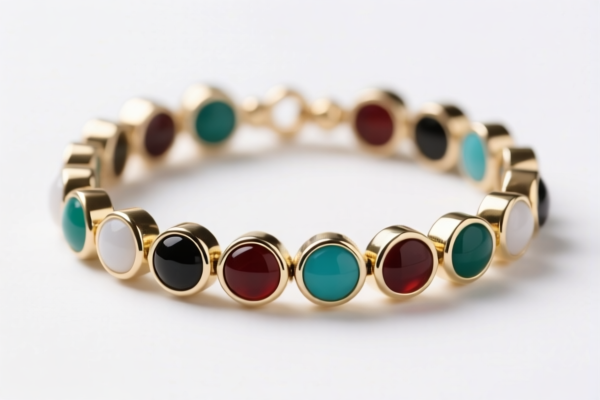
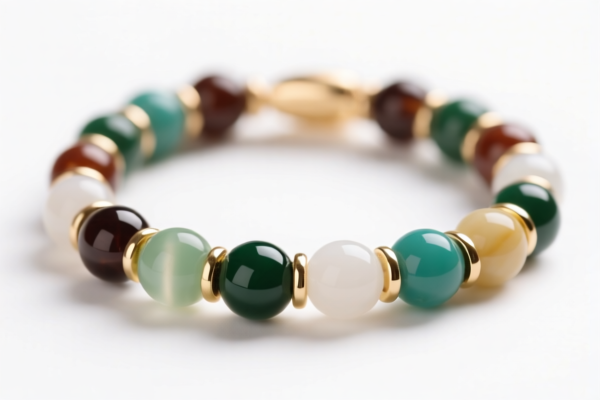
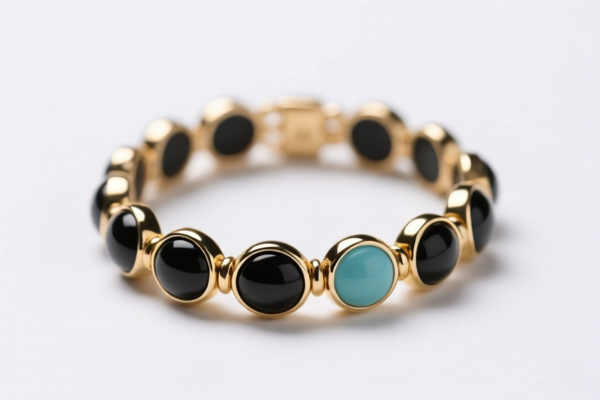
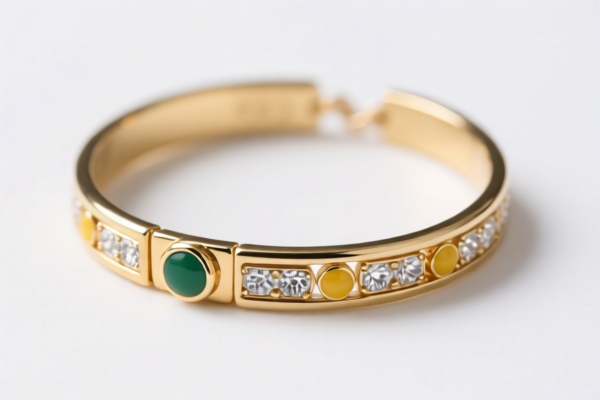
AI Analysis
🔗 Colored Bracelets: HS Code Classification & US Customs Clearance Strategy
🌐 HS Code Reference & Customs Guide | 2026 Latest Tariff Analysis | Strategic Clearance for Jewelry
📌 I. Product Definition & Classification: Do You Really Understand "Colored Bracelets"?
Colored bracelets are versatile accessories used in daily wear, festivals, and entertainment. In international trade, their classification depends heavily on material and purpose. Misclassification can lead to significant tariff discrepancies.
Key Distinctions: * Fashion Imitation Jewelry: Made of non-precious materials like plastic, alloy, resin, or base metals. → High Tariff Risk * Precious/Plated Jewelry: Made of silver, gold, or other precious metals (even if plated). → Medium-High Tariff * Festive/Seasonal Decorations: Specifically designed for holidays (e.g., Christmas) or entertainment. → Low Tariff Opportunity
⚠️ Critical Distinction:
- If the item is a general-purpose fashion accessory made of plastic/alloy → It falls under Imitation Jewelry (7117).
- If the item is made of Silver/Metal → It falls under Jewelry of Base Metal/Precious Metal (7113).
- If the item is explicitly a Christmas/Festive Ornament → It falls under Articles for Festive Use (9505).
📦 II. HS Code Classification Matrix (2026 Latest Tariff Authority)
| HS Code | Product Description | Material/Purpose | Estimated Total Tax Rate (US/China Origin) |
|---|---|---|---|
7117.90.90.00 |
Imitation Jewelry (Other) | Plastic, Alloy, Resin, Non-Precious | 28.5% |
7113.11.50.00 |
Articles of Jewelry, of Silver | Silver, Gold-plated, Precious/Platinum base | 22.5% |
9505.90.60.00 |
Articles for Festive or Carnival Purposes | General Festive/Entertainment Decoration | 10.0% |
9505.10.25.00 |
Christmas Ornaments (Other) | Specifically Christmas-themed Decor | 10.0% |
7113.20.50.00 |
Articles of Jewelry, of Base Metal | Base Metal (Non-precious) Jewelry | 22.7% |
🔍 Key Insight:
- The same "colored bracelet" can have a tax rate difference of 18.5% (from 10% to 28.5%) depending on the HS code chosen.
- Imitation jewelry (7117) attracts the highest duty due to "Section 301" and "Section 122" penalties.
- Festive items (9505) have the lowest base duty but are restricted to specific seasonal contexts.
💰 III. 2026 US Tariff Rate Breakdown (Detailed Tax Analysis)
✅ Applicable Country: United States (US)
✅ Origin: China (CN)
✅ Effective Date: Post-November 2025 (Current Regulations)
🎯 1. 7117.90.90.00 —— Imitation Jewelry (Plastic/Alloy)
🔥 HIGHEST RISK CATEGORY
| Item | Detail |
|---|---|
| Base Duty | 11.0% |
| Section 301 Add-on | 7.5% |
| Section 122 Add-on | 10.0% |
| Total Effective Rate | 28.5% |
| De Minimis Eligibility | ❌ NO (High risk of scrutiny) |
| Legal Basis | USITC HTSUS 7117 → Section 301 Footnotes → Section 122 Trade Enforcement |
📌 Explanation:
- This code covers bracelets made of plastic, resin, or non-precious alloys.
- The 28.5% rate is the sum of the base duty (11%), Section 301 tariffs (7.5%), and additional enforcement tariffs (10%).
- Warning: This is the most common classification for "cheap" colorful bracelets from China. It offers no tax advantage.
🎯 2. 7113.11.50.00 —— Silver Jewelry
💎 PRECIOUS METAL CATEGORY
| Item | Detail |
|---|---|
| Base Duty | 5.0% |
| Section 301 Add-on | 7.5% |
| Section 122 Add-on | 10.0% |
| Total Effective Rate | 22.5% |
| De Minimis Eligibility | ❌ NO |
| Legal Basis | USITC HTSUS 7113.11 → Section 301 → Section 122 |
📌 Explanation:
- Applies to bracelets made of silver or gold-plated base metals.
- While the base duty is lower (5%), the add-ons push the total to 22.5%.
- Still significantly cheaper than imitation jewelry, but material proof (purity stamp) is required.
🎯 3. 9505.90.60.00 & 9505.10.25.00 —— Festive/Christmas Ornaments
🎄 LOWEST TARIFF STRATEGY
| Item | Detail |
|---|---|
| Base Duty | 0.0% |
| Section 301 Add-on | 0.0% |
| Section 122 Add-on | 10.0% |
| Total Effective Rate | 10.0% |
| De Minimis Eligibility | ⚠️ Caution (Must prove festive nature) |
| Legal Basis | USITC HTSUS 9505 → Section 122 only |
📌 Explanation:
- 9505.10.25.00: Specifically for Christmas ornaments.
- 9505.90.60.00: Other festive/carnival articles.
- Key Condition: The product must be marketed and recognized as a decorative item for a specific holiday. A generic "colorful bracelet" sold year-round likely fails this classification.
- Savings: Compared to 28.5%, this saves 18.5% in duties. However, misclassification here can lead to audits if the product isn't clearly seasonal.
🎯 4. 7113.20.50.00 —— Base Metal Jewelry
⚖️ MID-RANGE CATEGORY
| Item | Detail |
|---|---|
| Base Duty | 5.2% |
| Section 301 Add-on | 7.5% |
| Section 122 Add-on | 10.0% |
| Total Effective Rate | 22.7% |
| De Minimis Eligibility | ❌ NO |
| Legal Basis | USITC HTSUS 7113.20 → Section 301 → Section 122 |
📌 Explanation:
- Applies to jewelry made of base metals (like copper, brass, or nickel alloys) that are not classified as "imitation" plastic/resin.
- Rate is 22.7%, slightly higher than silver due to higher base duty (5.2% vs 5.0%).
🛠️ IV. Customs Clearance Practical Advice (Pitfall Avoidance Guide)
✅ 1. Documentation Checklist (Mandatory)
| Document | Required? | Note |
|---|---|---|
| ✅ Product Description | ✔️ | Must specify material (e.g., "100% Plastic," "Silver Plated"). |
| ✅ Material Composition Report | ✔️ | Lab test results proving absence of precious metals if claiming 7117. |
| ✅ Usage Context Photos | ✔️ | For 9505 codes: Show packaging/marketing highlighting "Christmas" or "Festival." |
| ✅ Commercial Invoice | ✔️ | Value must reflect CIF. Avoid "gift" declarations to hide value. |
| ✅ Origin Certificate | ✔️ | Essential for proving Chinese origin (subject to add-ons). |
✅ 2. Classification Strategy & Tips
🔥 “Material Dictates Duty, Purpose Dictates Exemption!”
| Scenario | Recommended HS Code | Why? |
|---|---|---|
| Generic Plastic/Resin Bracelet | 7117.90.90.00 |
It’s the only accurate code for non-precious imitation jewelry. Avoid 9505 unless it’s clearly seasonal decor. |
| Silver/Gold-Plated Bracelet | 7113.11.50.00 |
Precious metal content triggers this code. Lower base duty helps. |
| Bracelet Sold Only at Christmas | 9505.10.25.00 |
If packaged as a holiday gift/decoration, you can argue for the 10% rate. |
| Base Metal (Brass/Copper) Jewelry | 7113.20.50.00 |
Not plastic, not precious. Falls here. |
⚠️ Common Mistake:
Trying to classify a year-round fashion plastic bracelet as9505(Festive) to save tax.
Result: Customs will reject the claim, reclassify to7117, and charge back duties + penalties.
Rule:9505is for seasonal/decorative items, not daily wear fashion accessories.
✅ 3. Special Handling for Section 122 & 301
- Section 301 (7.5%): Applies to almost all Chinese-made jewelry. No workaround except via substantial transformation in a third country (e.g., Vietnam, Thailand).
- Section 122 (10%): A newer enforcement tariff. It applies broadly to many consumer goods.
- Note: For
9505codes, only Section 122 applies (Total 10%), making them the most cost-effective if eligible. - For
7117and7113, both Section 301 and 122 apply, leading to higher totals.
- Note: For
🌍 V. Market Comparison (2026 Outlook)
| Market | Best HS Code for Cost Efficiency | Estimated Total Tax | Notes |
|---|---|---|---|
| 🇺🇸 USA | 9505.10.25.00 (If Christmas) |
10.0% | Only option if strictly festive. Otherwise 7117 (28.5%). |
| 🇪🇺 EU | Various | Varies (0-4%) | Generally lower tariffs, no Section 301/122 equivalents. |
| 🇨🇳 China | Various | 0-10% | Import duties are lower; focus is on VAT. |
| 🇬🇧 UK | Various | Varies | Post-Brexit rules apply; generally moderate duties. |
📌 Conclusion:
- US Importers must be strategic. If selling Christmas-themed bracelets, ensure packaging and marketing scream "Festive Decoration" to qualify for 10%.
- For everyday fashion, prepare for 28.5% if made of plastic/alloy. Consider sourcing from non-China countries to avoid Section 301/122.
📌 VI. Common Errors & Pitfalls (Blood Lessons)
❌ Error 1: Labeling a plastic bracelet as "Silver" to get 7113
👉 Consequence: Customs lab test proves it’s plastic → Penalty for fraud + reclassification to 7117 (28.5%).
❌ Error 2: Claiming 9505 for a standard fashion bracelet
👉 Consequence: Customs denies "festive" nature → Back taxes from 10% to 28.5% + interest.
❌ Error 3: Ignoring Section 122
👉 Consequence: Assuming only 301 applies → Underpaying by 10%.
✅ Correct Action:
"Plastic Colored Bracelet, Imitation Jewelry, Year-Round Fashion Accessory" → HS 7117.90.90.00
"Christmas Tree Ornament Bracelet, Seasonal Decor" → HS 9505.10.25.00
🎯 VII. Conclusion: Precision Saves Profit!
🎯 Key Takeaway:
🔹 "Material First, Purpose Second."
🔹 "Plastic/Alloy = 28.5% | Silver = 22.5% | Christmas Decor = 10%."
🔹 "Don't force a fashion item into a festive code unless it's truly seasonal."
📌 Pro Tip:
If your supply chain allows, consider transshipment or manufacturing in Vietnam/Mexico to potentially exempt Section 301 (7.5%) and Section 122 (10%) if rules of origin are met. However, for 9505, the base rate is 0%, so even with add-ons, it remains competitive if the product is genuinely festive.
📣 Immediate Action:
📞 Audit your current HS codes.
📦 Review product packaging. If it’s Christmas-themed, update descriptions to9505.
🧪 Test materials. Confirm if it’s truly silver or plated.
✨ Smart Classification = Higher Margins
💼 Know your HS Code, Control your Tariff!
Customer Reviews
About HS Code Classification
The Harmonized System (HS) is an internationally standardized nomenclature developed by the World Customs Organization (WCO) to classify traded products. Over 200 countries use the HS system as the basis for customs tariffs, trade statistics, and import/export regulations.
Each HS code follows a hierarchical structure:
- Chapter (2 digits) — Broad category of goods (e.g., Chapter 84: Machinery and Mechanical Appliances)
- Heading (4 digits) — More specific grouping within the chapter
- Subheading (6 digits) — Internationally standardized breakdown, used by all WCO member countries
- National subdivisions (8-10 digits) — Country-specific extensions for further classification, such as US HTSUS 10-digit codes
Correct HS code classification is essential for smooth customs clearance, accurate duty payment, and compliance with trade regulations. Misclassification can lead to customs delays, overpayment of duties, or penalties.
When importing from CN to US, the applicable tariff rates may include:
- Most-Favored-Nation (MFN) rate — The standard duty rate applied to WTO members
- General rate — Applied to countries without trade agreements
- Trade remedy duties — Additional tariffs such as Section 301 (anti-dumping), Section 232 (national security), or countervailing duties
The information provided on this page is for reference purposes only. For official classification, please consult with your local customs authority or a licensed customs broker.