colored plastic spools
CN → US| HS Code | Tariff Rate | Origin | Destination | Doc |
|---|---|---|---|---|
| 3916903000 | 41.5% | CN | US | Official Doc |
| 3926909989 | 22.8% | CN | US | Official Doc |
| 3926906090 | 39.2% | CN | US | Official Doc |
| 8448399000 | 17.5% | CN | US | Official Doc |
| 3916905000 | 40.8% | CN | US | Official Doc |
Product Images
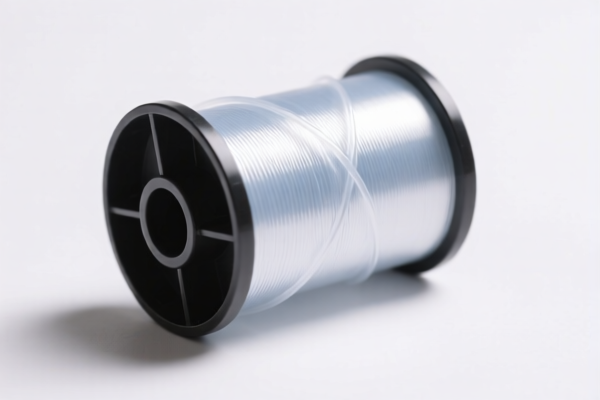
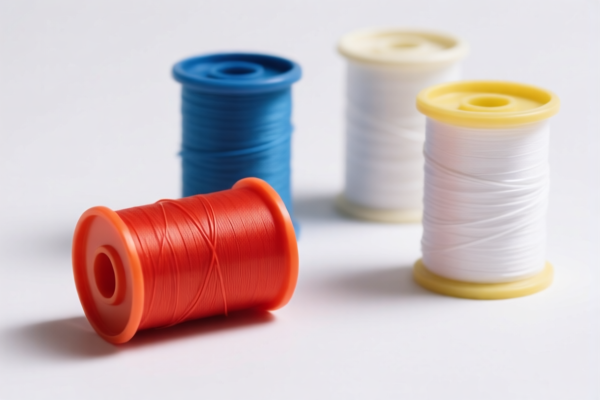
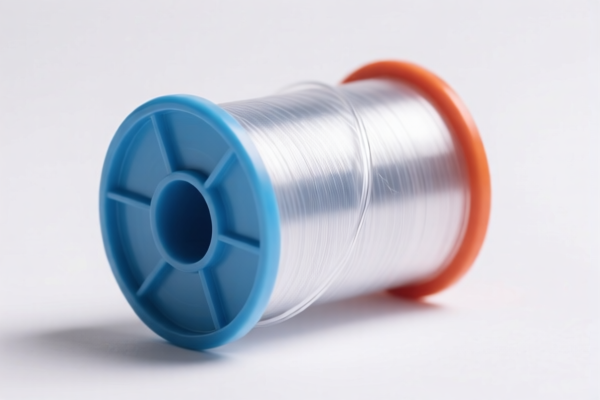
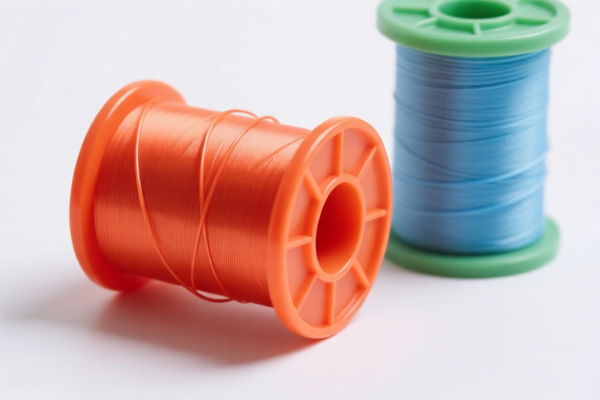
AI Analysis
🧵 Colored Plastic Spools (高强度塑料线轴)
🌐 HS Code Reference & Customs Clearance Guide | 2026 Latest Tariff Analysis | Professional Clearance Strategy
📌 I. Product Definition & Classification: Do You Really Understand "Plastic Spools"?
"Colored Plastic Spools" are cylindrical containers used for winding and storing single filaments, rods, strips, or other extended materials. In international trade, their classification is highly sensitive to form, material, and specific functional application. Because they are made of plastic, they primarily fall under Chapter 39, but if used as accessories for textile machinery, they may fall under Chapter 84.
⚠️ Key Classification Point:
- If the spool is for textile machinery accessories →归入 8448.39.90.00
- If it is a general plastic article (general winding) → 归入 3926.90.xxxx
- If it is classified as "monofilament/rod/strip" support → 归入 3916.90.xxxx
📦 II. HS Code Classification Details (2026 Latest Tariff Authority Comparison)
| HS Code | Product Description | Application Scenario | Total Tax Rate (China to US) |
|---|---|---|---|
8448.39.90.00 |
Plastic Spools: Textile Machine Accessories | Spools used in weaving/knitting machines, textile auxiliary parts | 17.5% |
3926.90.99.89 |
Other Plastic Articles: Spools/Rolls as Components | General plastic spools, rolls, no specific machine conflict | 22.8% |
3926.90.60.90 |
Other Plastic Articles: Other Items | Plastic spools, no mechanical belt use conflict, general plastic product | 39.2% |
3916.90.50.00 |
Plastic Monofilament/Rod/Strip: Other Shapes | Spools matching monofilament, rod, strip extensions, specific shape category | 40.8% |
3916.90.30.00 |
Plastic Monofilament/Rod/Strip: General | High-strength plastic spools, material is plastic, form is spool, matching extended forms | 41.5% |
🔍 Key Reminder:
- Chapter 84 (8448) has the lowest tax burden if the spool is strictly used as an accessory for textile machinery.
- Chapter 39 (3916/3926) covers general plastic spools. The tax rate varies significantly (22.8% ~ 41.5%) depending on the exact description and shape.
- Misclassification Risk: Declaring a general plastic spool as a "textile accessory" when it is not may lead to customs audits and penalties.
💰 III. 2026 Latest Tariff Rate Details (Including Surcharges & Policy Additions)
✅ Applicable Country: USA (US)
✅ Origin: China (CN)
✅ Effective Date: 2025 Nov 10 onwards (including subsequent imports)
🎯 1. 8448.39.90.00 —— Plastic Spools (Textile Machine Accessories)
| Item | Content |
|---|---|
| Base Tariff | 0.0% |
| Section 301 Surcharge | +7.5% |
| Section 122 Tariff | +10% |
| Total Tax Rate | 17.5% |
| Tax Calculation | CIF Value × 17.5% |
| De Minimis Eligibility | ❌ Not Eligible (Section 301/122 items generally excluded from low-value exemption) |
| Legal Basis Path | USITC:8448.39.90.00 → Section 301: 7.5% → Section 122: 10% |
📌 Explanation:
- Section 301 (7.5%): Part of the US Trade Act Section 301 tariffs on Chinese goods.
- Section 122 (10%): Additional tariff under Section 122 of the Trade Expansion Act (if applicable to current regulations).
- Lowest Rate: This is the most cost-effective classification if the product is indeed used in textile machinery.
🎯 2. 3926.90.99.89 —— Other Plastic Articles (General Spools/Rolls)
| Item | Content |
|---|---|
| Base Tariff | 5.3% |
| Section 301 Surcharge | +7.5% |
| Section 122 Tariff | +10% |
| Total Tax Rate | 22.8% |
| Tax Calculation | CIF Value × 22.8% |
| De Minimis Eligibility | ❌ Not Eligible |
| Legal Basis Path | USITC:3926.90.99.89 → Section 301: 7.5% → Section 122: 10% |
📌 Note:
- This is the second-lowest rate for plastic spools.
- Suitable for general-purpose plastic spools/rolls that do not meet the strict definition of textile machine accessories.
🎯 3. 3926.90.60.90 —— Other Plastic Articles (Other Items)
| Item | Content |
|---|---|
| Base Tariff | 4.2% |
| Section 301 Surcharge | +25.0% |
| Section 122 Tariff | +10% |
| Total Tax Rate | 39.2% |
| Tax Calculation | CIF Value × 39.2% |
| De Minimis Eligibility | ❌ Not Eligible |
| Legal Basis Path | USITC:3926.90.60.90 → Section 301: 25% → Section 122: 10% |
📌 Warning:
- High Tax Rate: The 25% Section 301 surcharge applies here, likely due to specific subheading rules.
- Avoid this classification unless necessary; it is significantly more expensive than8448or3926.99.89.
🎯 4. 3916.90.50.00 —— Plastic Monofilament/Rod/Strip (Other Shapes)
| Item | Content |
|---|---|
| Base Tariff | 5.8% |
| Section 301 Surcharge | +25.0% |
| Section 122 Tariff | +10% |
| Total Tax Rate | 40.8% |
| Tax Calculation | CIF Value × 40.8% |
| De Minimis Eligibility | ❌ Not Eligible |
| Legal Basis Path | USITC:3916.90.50.00 → Section 301: 25% → Section 122: 10% |
📌 Note:
- Classified under "Monofilament/Rod/Strip" rather than "Spools".
- If the spool is specifically designed to hold monofilament or rod materials, this code may apply, but the high Section 301 rate makes it costly.
🎯 5. 3916.90.30.00 —— Plastic Monofilament/Rod/Strip (General)
| Item | Content |
|---|---|
| Base Tariff | 6.5% |
| Section 301 Surcharge | +25.0% |
| Section 122 Tariff | +10% |
| Total Tax Rate | 41.5% |
| Tax Calculation | CIF Value × 41.5% |
| De Minimis Eligibility | ❌ Not Eligible |
| Legal Basis Path | USITC:3916.90.30.00 → Section 301: 25% → Section 122: 10% |
📌 Highest Rate:
- This is the most expensive classification among the options.
- Only use if the product strictly fits the definition of plastic monofilament/rod/strip extensions and cannot be classified elsewhere.
🛠️ IV. Customs Clearance Practical Advice (Real-World Pitfall Avoidance)
✅ 1. Documentation Checklist (Essential)
| Document | Required | Description |
|---|---|---|
| ✅ Product Specification Sheet | ✔️ | Material composition, dimensions, load capacity, intended use |
| ✅ Photographs (Clear) | ✔️ | Show spool structure, label, and any markings |
| ✅ Commercial Invoice | ✔️ | Clearly state "Plastic Spool" and intended use (e.g., "for textile machinery" vs. "general storage") |
| ✅ Packing List | ✔️ | Itemize contents, avoid mixing with other unrelated goods |
| ✅ Certificate of Origin (CO) | ✔️ | If applicable, to verify origin and potential exemptions |
| ✅ Usage Declaration | ✔️ | Explicitly state if used as a textile machine accessory (for 8448 classification) |
✅ 2. Declaration Tips (Key Mantra)
🔥 "Be Precise: Textile Accessory = Low Tax, General Plastic = Medium Tax, Misclassification = High Tax!"
| Scenario | Correct Declaration | Incorrect Practice |
|---|---|---|
| Spool used in textile machines | 8448.39.90.00 (17.5%) |
Declare as "Plastic Spool" → 22.8%~41.5% |
| General plastic spool/roll | 3926.90.99.89 (22.8%) |
Declare as "Textile Accessory" → Risk of audit/penalty |
| Spool for monofilament/rod | 3916.90.xxxx (40.8%~41.5%) |
Declare as "General Plastic" → Underpayment risk |
| Mixed shipment (Textile + General) | Split declaration | Bundle together → Higher overall tax rate |
✅ 3. Special Cases
| Case | Handling Advice |
|---|---|
| OEM Custom Spools | Provide client order + design specs to justify specific HS Code |
| Spools with Metal Parts | May change classification entirely (e.g., to Chapter 73/76); assess if plastic is essential character |
| Bulk vs. Retail | Ensure HS Code matches commercial unit (bulk spools vs. retail kits) |
| Previous Customs Rulings | Check if CBP has issued a ruling for similar spools to strengthen your case |
🌍 V. Global Market Clearance Comparison (2026 Latest)
| Country/Region | Recommended HS Code | Tariff Rate | Certification | Notes |
|---|---|---|---|---|
| 🇺🇸 USA | 8448.39.90.00 |
17.5% (Lowest) | N/A | Avoid 3916 codes due to 25% Section 301 |
| 🇨🇳 China | 8448.39.90.00 |
0%~5% | CCC (if applicable) | Low base rate, no Section 301 |
| 🇪🇺 EU | 8448.39.90.00 |
0%~6% | CE (if applicable) | No Section 301/122 |
| 🇦🇺 Australia | 8448.39.90.00 |
5%~10% | RCM | No Section 301/122 |
| 🇯🇵 Japan | 8448.39.90.00 |
0%~5% | PSE (if applicable) | No Section 301/122 |
📌 Conclusion:
- USA is the only market with Section 301 and 122 tariffs, making HS Code selection critical.
- Chapter 84 (8448) offers the lowest tariff (17.5%) in the US if the spool is a textile accessory.
- Chapter 39 (3916) has the highest tariff (41.5%) due to the 25% Section 301 surcharge.
- For non-US markets, focus on CE/RoHS compliance rather than tariff optimization.
📌 VI. Common Errors & Pitfall Avoidance (Lessons Learned)
❌ Error 1: Declaring a textile spool as a general plastic article
👉 Consequence: Tax increases from 17.5% to 22.8%+ → Loss of profit margin
❌ Error 2: Declaring a general plastic spool as a textile accessory
👉 Consequence: Customs audit, potential penalty, and delay → Compliance risk
❌ Error 3: Not specifying material composition
👉 Consequence: Customs may reclassify to a higher tariff code → Higher tax
❌ Error 4: Using vague terms like "Plastic Roll"
👉 Consequence: Ambiguity leads to incorrect classification → Customs hold
✅ Correct Practice:
"Plastic Spool, PP Material, 500mm Diameter, Used for Textile Machine Yarn Winding, Model XYZ"
OR
"Plastic Spool, PE Material, General Purpose, for Single Filament Storage, Model ABC"
🎯 VII. Conclusion: Professional Declaration, Save Time, Reduce Costs!
🎯 Remember the Mantra:
🔹 "Textile Accessory = 17.5%, General Plastic = 22.8%, Misclassified = 41.5%!"
🔹 "HS Code Determines Tax, Tariff Difference Can Make or Break Your Profit!"
📌 Tips:
- If your spool is originally from Vietnam, Mexico, Thailand, Malaysia, you may qualify for IEEPA exemptions or lower tariffs.
- Apply for a CBP Advance Ruling to confirm the correct HS Code for your specific product.
- Work with a Licensed Customs Broker to ensure accurate classification and documentation.
📣 Immediate Action:
📞 Contact a professional customs broker + Provide product photos + Apply for HS Code Advance Ruling
🚀 Let your spools clear customs smoothly, export efficiently, and maximize profits!
✨ Professional Clearance Starts with Accurate Classification!
💼 Every Penny of Cost Deserves Precision!
Customer Reviews
About HS Code Classification
The Harmonized System (HS) is an internationally standardized nomenclature developed by the World Customs Organization (WCO) to classify traded products. Over 200 countries use the HS system as the basis for customs tariffs, trade statistics, and import/export regulations.
Each HS code follows a hierarchical structure:
- Chapter (2 digits) — Broad category of goods (e.g., Chapter 84: Machinery and Mechanical Appliances)
- Heading (4 digits) — More specific grouping within the chapter
- Subheading (6 digits) — Internationally standardized breakdown, used by all WCO member countries
- National subdivisions (8-10 digits) — Country-specific extensions for further classification, such as US HTSUS 10-digit codes
Correct HS code classification is essential for smooth customs clearance, accurate duty payment, and compliance with trade regulations. Misclassification can lead to customs delays, overpayment of duties, or penalties.
When importing from CN to US, the applicable tariff rates may include:
- Most-Favored-Nation (MFN) rate — The standard duty rate applied to WTO members
- General rate — Applied to countries without trade agreements
- Trade remedy duties — Additional tariffs such as Section 301 (anti-dumping), Section 232 (national security), or countervailing duties
The information provided on this page is for reference purposes only. For official classification, please consult with your local customs authority or a licensed customs broker.