colored triangular flags
CN → US| HS Code | Tariff Rate | Origin | Destination | Doc |
|---|---|---|---|---|
| 6307909835 | 24.5% | CN | US | Official Doc |
| 3926400010 | 15.3% | CN | US | Official Doc |
| 3926400090 | 15.3% | CN | US | Official Doc |
| 6307909825 | 24.5% | CN | US | Official Doc |
Product Images
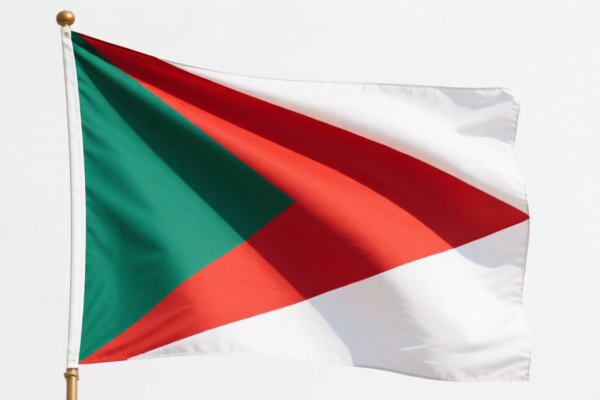
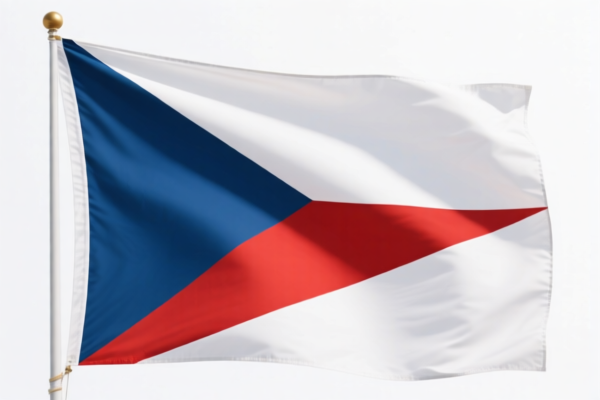
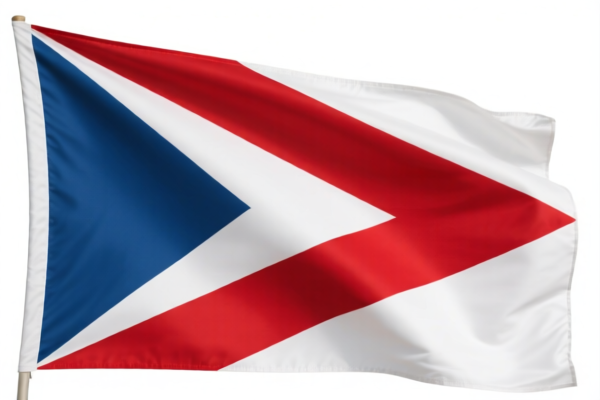
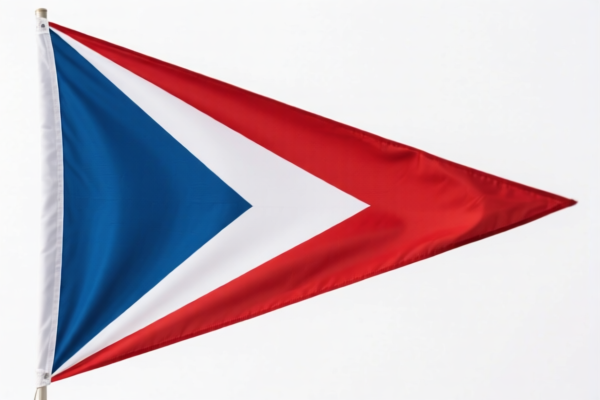
AI Analysis
🎉 Colored Triangular Flags (Bunting)
🌐 HS Code Reference & Customs Clearance Guide | 2026 Latest Tariff Analysis | Professional Clearance Strategy
📌 I. Product Definition & Classification: Do You Really Understand "Colored Triangular Flags"?
Colored triangular flags, commonly known as bunting or pennant strings, are widely used for festive decorations, parties, weddings, and public events. In international trade, their classification depends heavily on the material composition (Fabric vs. Plastic/Synthetic) and end-use (Decorative finished articles).
Two Main Categories: 1. Textile-Based Bunting: Made from woven fabrics (polyester, cotton, etc.). Classified under textile articles. 2. Plastic/Synthetic Bunting: Made from PVC, vinyl, or other plastic materials. Classified under plastics articles.
⚠️ Key Distinction Point:
- If the flag material is fabric/textile →归入 6307.90 (Other made-up textile articles)
- If the flag material is plastic/synthetic → 归入 3926.40 (Other articles of plastics)
📦 II. HS Code Classification Details (2026 Latest Tariff Authority Reference)
| HS Code | Product Description | Applicable Scenario | Material |
|---|---|---|---|
6307.90.98.35 |
Other made-up textile articles, colored bunting flags | Fabric-based decorative bunting, polyester/cotton flags | ✅ Textile/Fabric |
6307.90.98.25 |
Other made-up textile articles, decorative items | Textile-based decorative finished goods, inferred as fabric/plastic mix | ✅ Textile/Inferred Fabric |
3926.40.00.10 |
Other articles of plastics, decorative | Plastic or paper-based decorative products, lightweight synthetic materials | ✅ Plastic/Synthetic |
3926.40.00.90 |
Other articles of plastics, decorative items | Plastic decorative items, matches material and use definition | ✅ Plastic |
🔍 Key Reminder:
- All plastic-based bunting must be classified under 3926.40. Do not misclassify as textile. - All fabric-based bunting must be classified under 6307.90. - If the product is a mix, customs may require detailed material breakdown to determine the principal material.
💰 III. 2026 Latest Tariff Rate Details (Including Surtaxes & Policy Add-ons)
✅ Applicable Country: United States (US)
✅ Origin: China (CN)
✅ Effective Date: Current rates apply (including Section 301 and 122 measures)
🎯 1. 6307.90.98.35 & 6307.90.98.25 —— Textile-Based Bunting (Other Made-Up Textile Articles)
| Item | Content |
|---|---|
| Base Tariff Rate | 7.0% (ad valorem) |
| Section 301 Surtax | +7.5% |
| Section 122 Tariff | +10.0% |
| Total Tariff Rate | 24.5% |
| Tax Calculation | CIF Value × 24.5% |
| De Minimis Exemption | ❌ Not Applicable (High tariff prevents de minimis benefit) |
| Legal Basis Path | Base Tariff 7.0% → Section 301 7.5% → Section 122 10% |
📌 Explanation:
- "Section 301 Surtax 7.5%" is part of the US trade remedy measures against Chinese goods. - "Section 122 Tariff 10%" applies to specific textile/apparel items under Section 122 of the Trade Act. - Total 24.5% is significantly higher than the base rate. Cost calculation must include all surcharges.
🎯 2. 3926.40.00.10 & 3926.40.00.90 —— Plastic-Based Bunting (Other Plastic Decorative Articles)
| Item | Content |
|---|---|
| Base Tariff Rate | 5.3% (ad valorem) |
| Section 301 Surtax | 0.0% (Exempt under current list for this specific subheading) |
| Section 122 Tariff | +10.0% |
| Total Tariff Rate | 15.3% |
| Tax Calculation | CIF Value × 15.3% |
| De Minimis Exemption | ❌ Not Applicable (Due to Section 122 surtax) |
| Legal Basis Path | Base Tariff 5.3% → Section 122 10% |
📌 Note:
- Plastic bunting benefits from a lower total tariff (15.3%) compared to textile bunting (24.5%). - Section 301 surtax is 0% for these plastic decorative codes, which is a key advantage. - Even if "paper-based," if classified as plastic-like synthetic, it follows the 3926 path.
🛠️ IV. Customs Clearance Practical Advice (Battle-Proven Pitfall Avoidance)
✅ 1. Required Documentation Checklist (Mandatory)
| Document | Required | Description |
|---|---|---|
| ✅ Product Specification Sheet | ✔️ | Must specify Material (Fabric vs. Plastic), Size, Quantity per string |
| ✅ Product Photos | ✔️ | Clear images showing the flag material, stitching (if textile), or molding (if plastic) |
| ✅ Commercial Invoice | ✔️ | Clearly state: "Colored Triangular Flags for Decorative Use" |
| ✅ Packing List | ✔️ | Detail net/gross weight, dimensions per roll/string |
| ✅ Material Declaration | ✔️ | Explicitly state % composition (e.g., "100% Polyester" or "100% PVC") |
✅ 2. Declaration Tips (Key Mantras)
🔥 "Material First, HS Code Second; Tax Difference is Huge!"
| Scenario | Correct Declaration | Incorrect Practice |
|---|---|---|
| Fabric Bunting | 6307.90.98.35 / 6307.90.98.25 |
Misclassifying as plastic → 15.3% (Under-declaration risk) |
| Plastic Bunting | 3926.40.00.10 / 3926.40.00.90 |
Misclassifying as textile → 24.5% (Over-payment or Audit Flag) |
| Mixed Materials | Detailed breakdown | Vague description "Decorative Flags" → High risk of audit |
✅ 3. Special Case Handling
| Scenario | Handling Advice |
|---|---|
| Custom Color/Printed Flags | Ensure "Printed" is noted; may require additional textile classification checks |
| Large Quantity Imports | Consider cost benefit: Plastic (15.3%) vs. Textile (24.5%) |
| De Minimis (Section 321) | ❌ Do not use Section 321 for these HS codes due to surtaxes; entry will be flagged |
| Sample Shipments | Even for samples, declare accurately to build history and avoid penalties |
🌍 V. Global Market Comparison (2026 Latest)
| Country/Region | Recommended HS Code | Total Tariff (China Origin) | Certification | Remarks |
|---|---|---|---|---|
| 🇺🇸 USA | 3926.40.00.10 (Plastic) |
15.3% | None | Lower rate for plastic |
| 🇺🇸 USA | 6307.90.98.35 (Textile) |
24.5% | None | Higher due to Section 122 + 301 |
| 🇪🇺 EU | 6307 / 3926 | 0% - 4% | CE (if applicable) | No Section 301/122 equivalents |
| 🇨🇦 Canada | 6307 / 3926 | 0% - 5% | None | CUSMA benefits if origin qualifies |
| 🇬🇧 UK | 6307 / 3926 | 0% - 5% | None | Post-Brexit tariffs generally low |
📌 Conclusion:
- USA has high barriers for both textile and plastic bunting due to Section 122. - Plastic bunting is more cost-effective for US imports (15.3% vs 24.5%). - European/Canadian markets are significantly cheaper; consider shifting supply chain if targeting US high-cost volume.
📌 VI. Common Errors & Pitfall Guide (Lessons Learned)
❌ Error 1: Describing as "Party Decorations" without specifying material
👉 Consequence: Customs may assign higher duty or request detailed breakdown → Delays.
❌ Error 2: Misclassifying Fabric as Plastic to save tax
👉 Consequence: Audit, penalty, and back-tariff of ~9.2% difference.
❌ Error 3: Assuming De Minimis ($800) applies
👉 Consequence: Section 122 surtax prevents de minimis entry → Package held or returned.
❌ Error 4: Using vague HS Code "9505" (Festive articles)
👉 Consequence: 9505 is often rejected for bunting if it fits specific textile/plastic chapters → Re-classification.
✅ Correct Practice:
"Decorative Bunting, Colored Triangular Flags, 100% Polyester Fabric, 30m per Roll, for Party Use"
🎯 VII. Conclusion: Professional Declaration, Cost Savings!
🎯 Remember the Mantra:
🔹 "Plastic vs. Fabric, Tax Difference is 9.2%; Declare Material First!"
🔹 "Section 122 Hits Both, but Plastic Wins with Lower Rate!"
🔹 "No De Minimis for Bunting, Prepare Entry Properly!"
📌 Pro Tip:
If you are importing Plastic Bunting (3926.40), highlight the 0% Section 301 rate in your declaration to ensure smooth clearance.
For Textile Bunting (6307.90), factor in the 24.5% total cost into your pricing model immediately.
📣 Immediate Action:
📞 Contact Customs Broker + Provide Material Composition + Choose HS Code Wisely
🚀 Minimize Duty, Maximize Profit, Clear Goods Smoothly!
✨ Professional Clearance Starts with Accurate Classification!
💼 Every Percent of Duty Saved is Pure Profit!
Customer Reviews
About HS Code Classification
The Harmonized System (HS) is an internationally standardized nomenclature developed by the World Customs Organization (WCO) to classify traded products. Over 200 countries use the HS system as the basis for customs tariffs, trade statistics, and import/export regulations.
Each HS code follows a hierarchical structure:
- Chapter (2 digits) — Broad category of goods (e.g., Chapter 84: Machinery and Mechanical Appliances)
- Heading (4 digits) — More specific grouping within the chapter
- Subheading (6 digits) — Internationally standardized breakdown, used by all WCO member countries
- National subdivisions (8-10 digits) — Country-specific extensions for further classification, such as US HTSUS 10-digit codes
Correct HS code classification is essential for smooth customs clearance, accurate duty payment, and compliance with trade regulations. Misclassification can lead to customs delays, overpayment of duties, or penalties.
When importing from CN to US, the applicable tariff rates may include:
- Most-Favored-Nation (MFN) rate — The standard duty rate applied to WTO members
- General rate — Applied to countries without trade agreements
- Trade remedy duties — Additional tariffs such as Section 301 (anti-dumping), Section 232 (national security), or countervailing duties
The information provided on this page is for reference purposes only. For official classification, please consult with your local customs authority or a licensed customs broker.