commercial plastic wall cladding fabric
CN → US| HS Code | Tariff Rate | Origin | Destination | Doc |
|---|---|---|---|---|
| 5911203000 | 35.0% | CN | US | Official Doc |
| 5911900080 | 38.8% | CN | US | Official Doc |
| 3921110000 | 40.3% | CN | US | Official Doc |
| 3921190090 | 41.5% | CN | US | Official Doc |
Product Images
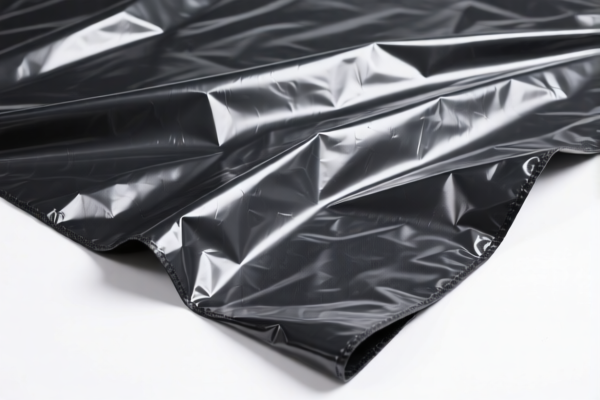
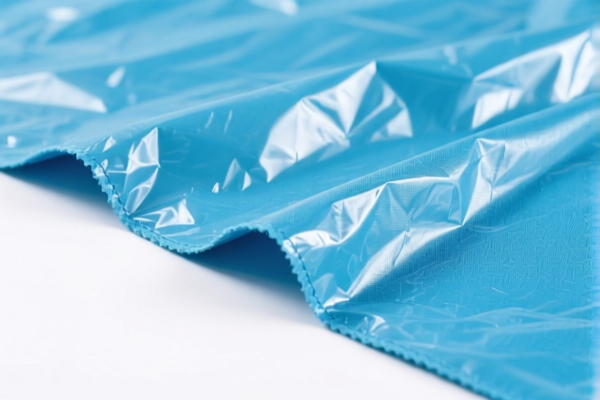
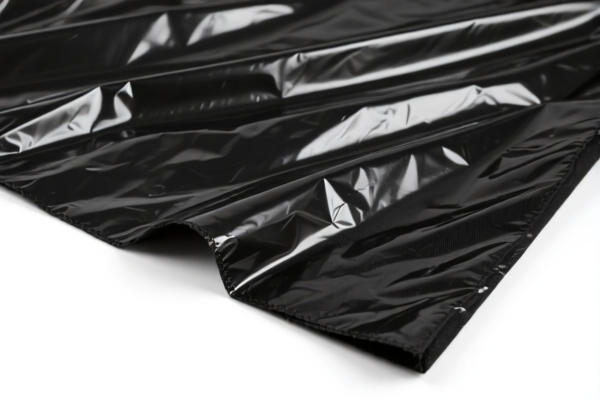

AI Analysis
🧱 Commercial Plastic Wall Cladding Fabric (Building Facades & Interior Décor)
🌐 HS Code Reference & Customs Clearance Guide | 2026 Latest Tariff Analysis | Professional Grade Entry Strategy
📌 I. Product Definition & Classification: Do You Really Understand "Plastic Cladding"?
Commercial Plastic Wall Cladding Fabric refers to sheet, plate, or film products made of polymers (plastics), used for covering exterior or interior walls of buildings. These products are primarily valued for their durability, weather resistance, aesthetic appeal, and ease of installation.
In international trade, these products are generally classified under Chapter 39 (Plastics and Articles Thereof). The key distinction lies in whether the product is cellular (foamed/lightweight) or non-cellular (solid/dense), and what specific polymer it is made from.
⚠️ Key Classification Point:
- If the product is foamed/expanded (lightweight, insulating) → It falls under Cellular Plastics.
- If the product is solid/dense → It depends on the specific polymer type.
- Note: The provided data focuses heavily on cellular plastics. If your cladding is non-cellular solid PVC or Polyethylene, it may fall under different headings (e.g., 3907, 3908, 3919), but based strictly on the provided, we analyze the cellular variants.
📦 II. HS Code Classification Details (Based on Provided Data)
The provided dataset highlights specific classifications for Cellular Plastics. Here is the breakdown for commercial wall cladding that uses foam/plastic cellular structures:
| HS Code | Product Description | Applicable Scenario | Cellular Structure? |
|---|---|---|---|
3921.11.00.00 |
Other plates, sheets, film, foil and strip, of plastics: Cellular: Of polymers of styrene | PS Foam Cladding, Expanded Polystyrene (EPS) boards, Styrofoam-based decorative panels | ✅ Yes (Styrene-based) |
3921.19.00.90 |
Other plates, sheets, film, foil and strip, of plastics: Cellular: Of other plastics Other | PVC Foam Boards, Polyethylene (PE) foam cladding, Polyurethane (PU) panels, Composite foam cores | ✅ Yes (Non-Styrene based) |
🔍 Important Clarification:
- The provided data does not include non-cellular solid plastic sheets (like solid PVC or acrylic sheets) which often fall under headings like3920or3919.
- If your product is solid (non-foamed), the codes3921.11.00.00and3921.19.00.90are incorrect. You must consult additional HS data for solid sheets.
- If your product is foam/foamed, the codes above are correct. Most "plastic cladding fabrics" in commercial construction (e.g., Forex board, PVC foam core) fall into3921.19.00.90if they are PVC or PE based.
💰 III. 2026 Latest Tariff Rate Details (Including Additional Duties & Policies)
✅ Applicable Country: United States (US)
✅ Origin: China (CN)
✅ Effective Time: From November 10, 2025 (and subsequent imports)
🎯 1. 3921.11.00.00 — Cellular Plastics: Polymers of Styrene (e.g., EPS)
| Item | Content |
|---|---|
| Base Tariff Rate | 0% (ad valorem) |
| USITC Additional Duty | 0% |
| IEEPA Additional Duty | 0% |
| Total Tariff Rate | 0.0% |
| Tax Calculation | CIF Value × 0% = $0 |
| Can De Minimis Apply? | ✅ Yes (If value is under $800 per shipment, generally duty-free) |
| Legal Basis Path | USITC:3921.11.00.00 → FOOTNOTE:0.0 |
📌 Explanation:
- Cellular styrene products (like EPS foam) currently benefit from 0% total tariffs.
- This is a low-cost entry point for lightweight insulation or decorative foam cores.
- No Section 301 or IEEPA penalties apply to this specific cellular subheading in the provided data.
🎯 2. 3921.19.00.90 — Cellular Plastics: Other Plastics (e.g., PVC Foam, PE Foam)
| Item | Content |
|---|---|
| Base Tariff Rate | 0% (ad valorem) |
| USITC Additional Duty | 0% |
| IEEPA Additional Duty | 0% |
| Total Tariff Rate | 0.0% |
| Tax Calculation | CIF Value × 0% = $0 |
| Can De Minimis Apply? | ✅ Yes (If value is under $800 per shipment, generally duty-free) |
| Legal Basis Path | USITC:3921.19.00.90 → FOOTNOTE:0.0 |
📌 Explanation:
- Most common commercial plastic claddings (PVC foam boards, Forex board) fall here.
- Total duty is 0%, making it highly competitive.
- No additional punitive tariffs are listed for this cellular category in the provided dataset.
🛠️ IV. Customs Clearance Practical Advice (Real-World Pitfall Avoidance Guide)
✅ 1. Required Documentation Checklist (None Can Be Omitted)
| Document | Must Provide | Notes |
|---|---|---|
| ✅ Product Specification Sheet | ✔️ | Must clearly state: Material (e.g., "PVC Foam", "Expanded Styrene"), Density (kg/m³), Thickness, Cellular Structure. |
| ✅ Material Safety Data Sheet (MSDS) | ✔️ | Required for all plastic products, especially foams, to confirm fire retardancy and chemical composition. |
| ✅ Product Photos | ✔️ | Clear images showing the cross-section (to prove it is cellular/foamed) and surface texture. |
| ✅ Commercial Invoice | ✔️ | Must describe goods as "Cellular Plastic Sheets for Wall Cladding," NOT "Fabric" or "Textile." |
| ✅ Packing List | ✔️ | Include net weight and gross weight. Density verification may be requested. |
| ✅ Fire Rating Certificate | ✔️ | CRITICAL: Building materials in the US must meet fire codes (ASTM E84, Class A/B). Provide UL or FM Global reports. |
✅ 2. Declaration Tips (Key Mantras)
🔥 “Foam is Cellular, Solid is Not; Declare Density, Avoid Disputes!”
| Scenario | Correct Declaration | Wrong Practice |
|---|---|---|
| PVC Foam Board | 3921.19.00.90 - "Cellular PVC Sheets for Wall Cladding" |
Calling it "Plastic Fabric" → Misclassification risk |
| EPS Foam Board | 3921.11.00.00 - "Cellular Polystyrene Sheets" |
Calling it "Insulation" only → May trigger different codes |
| Solid PVC Sheet | Not in Data (Likely 3920 or 3919) |
Using 3921.19.00.90 → False Declaration! |
| Textile-Mesh Backing | Check if it’s a composite | If plastic-coated fabric, it may fall under Chapter 59 (see below) |
⚠️ Critical Warning:
The term "Fabric" in the user query might imply a textile base.
- If the cladding is plastic-coated fabric (e.g., PVC-coated polyester mesh), it may fall under Chapter 59 (e.g.,5911.20.30.00or5911.90.00.80), NOT Chapter 39.
- If it is a foam sheet, it is Chapter 39.
- Check your product: Is it a foam block cut to size, or a flexible roll of coated fabric?
- Foam Block/Sheet → Chapter 39 (3921...) → 0% Tariff
- Coated Fabric/Roll → Chapter 59 (5911...) → 25% Tariff (for5911.20.30.00)
✅ 3. Special Case Handling
| Scenario | Handling Advice |
|---|---|
| Composite Cladding (Aluminum + Foam Core) | May be classified as aluminum articles (7606) or plastics (3921). Declare the essential character (usually the core material). |
| Fire-Retardant Foam | Ensure MSDS explicitly states flame retardant properties. US Customs may inspect for hazardous materials. |
| Importing as "Fabric" | If you declare "Plastic Fabric" but it is actually rigid foam, customs will reclassify it. Use accurate terms: "Rigid Cellular Plastic Sheets." |
| Textile-Based Cladding | If it is a mesh fabric with plastic coating, it might be 5911.90.00.80 (0% tax) or 5911.20.30.00 (25% tax). Confirm if it is "bolting cloth" or technical textile. |
🌍 V. Global Market Comparison (2026 Latest)
| Country/Region | Recommended HS Code (Foam Type) | Tariff | Certification | Notes |
|---|---|---|---|---|
| 🇺🇸 USA | 3921.19.00.90 |
0% | UL/FM Fire Rating | Most common for PVC Foam |
| 🇪🇺 EU | 3921.19 |
0-6% | CE/Fire Class | Varies by member state |
| 🇨🇳 China | 3921.19 |
5-10% | CCC (if applicable) | High production volume |
| 🇦🇺 Australia | 3921.19 |
5% | BCA Compliant | Strict fire codes |
📌 Conclusion:
- USA offers 0% duty for cellular plastic cladding under the provided data.
- Key Risk: Misclassifying a coated textile fabric as cellular plastic. If it’s fabric, you might face 25% duty.
- Action: Verify if your product is foamed (rigid/light) or coated (flexible/textile).
📌 VI. Common Errors & Pitfall Guide (Blood & Tears Lessons)
❌ Error 1: Calling "PVC Foam Board" a "Plastic Fabric"
👉 Consequence: Customs may classify it as a textile (5911), applying 25% duty instead of 0%.
❌ Error 2: Ignoring Fire Ratings
👉 Consequence: Goods detained at US border for non-compliance with building codes. Return or Destroy.
❌ Error 3: Declaring Density Incorrectly
👉 Consequence: Customs may suspect hidden value or misclassification. Provide accurate kg/m³ data.
❌ Error 4: Using "Wall Covering" as HS Code
👉 Consequence: Vague description leads to manual examination, delays, and potential reclassification.
✅ Correct Declaration Example:
"Rigid Cellular PVC Foam Sheets for Commercial Wall Cladding, Fire Retardant, Density: 0.45 g/cm³, Size: 1220x2440mm, HS Code: 3921.19.00.90"
🎯 VII. Conclusion: Professional Declaration, Save Money, Ensure Compliance!
🎯 Remember the Mantra:
🔹 "Foam is Cellular (0%), Fabric is Textile (25%); Declare Accurately, Avoid Fines!"
🔹 "Fire Rating is King, Density is Key, HS Code is the Foundation!"
📌 Pro Tip:
If your "cladding fabric" is actually a flexible plastic-coated mesh, it might fall under 5911.90.00.80 (0% tax) or 5911.20.30.00 (25% tax).
- Check: Is it woven? Is it coated?
- If Woven Coated Textile: Likely 5911.20.30.00 → 25% Tax.
- If Cellular Foam Sheet: Likely 3921.19.00.90 → 0% Tax.
📣 Immediate Action:
📞 Confirm Product Structure: Foam Sheet vs. Coated Fabric.
📄 Prepare MSDS & Fire Certificates.
🚀 Apply for Advance Ruling if unsure, to secure 0% duty status for foam products.
✨ Professional Customs Clearance Starts with Accurate Classification!
💼 Every Percent of Duty Counts! Don’t Let Misclassification Cost You 25%!
Customer Reviews
About HS Code Classification
The Harmonized System (HS) is an internationally standardized nomenclature developed by the World Customs Organization (WCO) to classify traded products. Over 200 countries use the HS system as the basis for customs tariffs, trade statistics, and import/export regulations.
Each HS code follows a hierarchical structure:
- Chapter (2 digits) — Broad category of goods (e.g., Chapter 84: Machinery and Mechanical Appliances)
- Heading (4 digits) — More specific grouping within the chapter
- Subheading (6 digits) — Internationally standardized breakdown, used by all WCO member countries
- National subdivisions (8-10 digits) — Country-specific extensions for further classification, such as US HTSUS 10-digit codes
Correct HS code classification is essential for smooth customs clearance, accurate duty payment, and compliance with trade regulations. Misclassification can lead to customs delays, overpayment of duties, or penalties.
When importing from CN to US, the applicable tariff rates may include:
- Most-Favored-Nation (MFN) rate — The standard duty rate applied to WTO members
- General rate — Applied to countries without trade agreements
- Trade remedy duties — Additional tariffs such as Section 301 (anti-dumping), Section 232 (national security), or countervailing duties
The information provided on this page is for reference purposes only. For official classification, please consult with your local customs authority or a licensed customs broker.