composite plastic boards
CN → US| HS Code | Tariff Rate | Origin | Destination | Doc |
|---|---|---|---|---|
| 3921904090 | 39.2% | CN | US | Official Doc |
| 3921905050 | 39.8% | CN | US | Official Doc |
| 3920992000 | 39.2% | CN | US | Official Doc |
| 4811512020 | 35.0% | CN | US | Official Doc |
| 4823908680 | 35.0% | CN | US | Official Doc |
Product Images
AI Analysis
🧱 Composite Plastic Boards (Plastic Composite Panels)
🌐 HS Code Reference & Customs Clearance Guide | 2026 Latest Tariff Analysis | Professional Clearance Strategy
📌 I. Product Definition & Classification: Do You Really Understand "Composite Plastic Boards"?
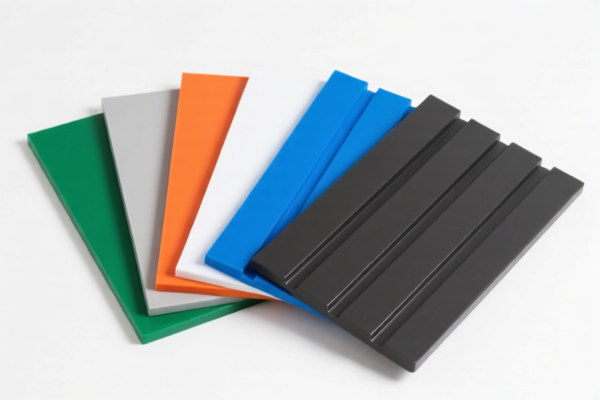
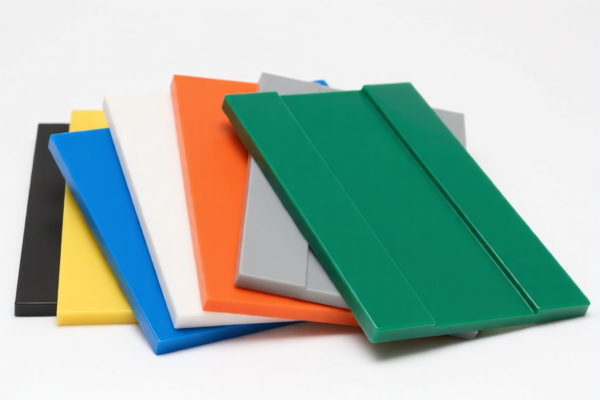
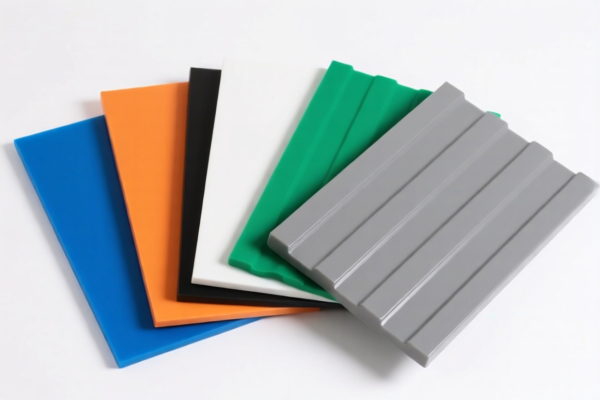
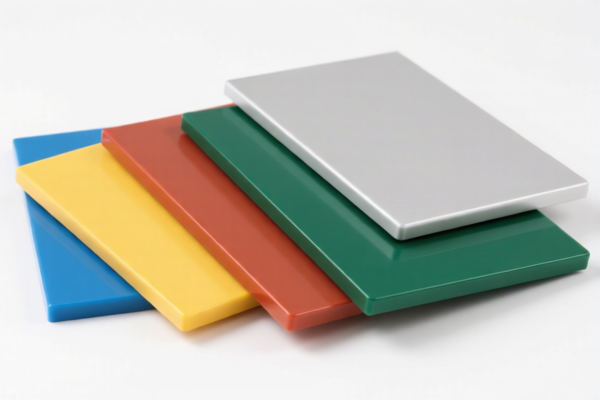
Composite Plastic Boards are versatile materials widely used in construction, signage, furniture, and industrial packaging. In international trade, classification depends heavily on the material composition (pure plastic vs. paper/plastic hybrid) and physical form (plates, sheets, films, or layered composites).
Key Distinction Logic: - Pure Plastic Composites: If the board is primarily made of plastics, layered, backed, or similarly combined, it falls under Chapter 39. - Paper/Plastic Hybrids: If the core or significant component involves paper/cardboard with plastic coating, it may fall under Chapter 48.
⚠️ Critical Classification Point:
- If the product is primarily plastic in nature, regardless of layering, it belongs to Chapter 39 (Plastics and Articles Thereof).
- If the product is primarily paper/cardboard with plastic coating/lamination, it belongs to Chapter 48 (Paper and Paperboard).
📦 II. HS Code Classification Details (2026 Latest Tariff Authority Reference)
| HS Code | Product Description | Application Scenario | Material Nature | Total Tax Rate |
|---|---|---|---|---|
3921.90.40.90 |
Composite Plastic Board, plastic material, plate form | General purpose plastic composite boards; reasonable match for other categories | Pure Plastic | 39.2% |
3921.90.50.50 |
Composite Plastic Board, plastic material, plate form | Meets requirements for plastic plates, sheets, films, foils, and strips | Pure Plastic | 39.8% |
3920.99.20.00 |
Composite Plastic Board, plastic material, composite form | Matches characteristics of laminated, backed, or similarly combined materials | Pure Plastic | 39.2% |
4811.51.20.20 |
Industrial Composite Paperboard, cardboard material | Industrial use items; conforms to cardboard attributes and catch-all inference logic | Paper/Cardboard | 35.0% |
4823.90.86.80 |
Industrial Composite Paperboard, cardboard material | Other paper products category; industrial use items | Paper/Cardboard | 35.0% |
🔍 Key Reminder:
- Chapter 39 Codes (3920/3921) apply to boards where plastic is the predominant material. These incur higher total taxes due to base tariffs plus surcharges. - Chapter 48 Codes (4811/4823) apply if the board is fundamentally paper-based with plastic coatings/laminations. These have zero base tariffs but still incur surcharges, resulting in a lower overall tax burden compared to pure plastic.
💰 III. 2026 Latest Tariff Rate Breakdown (Including Surcharges & Policy Add-ons)
✅ Applicable Country: United States (US)
✅ Origin: China (CN)
✅ Effective Date: From 2025-11-10 onwards (including subsequent imports)
🎯 1. 3921.90.40.90 —— Composite Plastic Board (Plastic Material, Plate Form)
| Item | Content |
|---|---|
| Base Tariff | 4.2% (ad valorem) |
| Additional Tariff (Section 301) | +25.0% |
| 122 Clause Tariff | +10.0% |
| Total Tax Rate | 39.2% |
| Tax Calculation | CIF Value × 39.2% |
| De Minimis Exemption | ❌ Not Applicable |
| Legal Basis Path | Section 301 → 122 Clause → USITC:3921.90.40.90 |
📌 Explanation:
- The 4.2% base tariff reflects the standard MFN rate for other plastic plates/shapes. - The +25% Section 301 tariff is the standard punitive tariff on Chinese plastic goods. - The +10% "122 Clause" tariff is a specific additional levy applicable to certain Chinese-origin imports. - Total: 39.2%. This is a high-cost classification.
🎯 2. 3921.90.50.50 —— Composite Plastic Board (Plastic Material, Sheet/Film Form)
| Item | Content |
|---|---|
| Base Tariff | 4.8% (ad valorem) |
| Additional Tariff (Section 301) | +25.0% |
| 122 Clause Tariff | +10.0% |
| Total Tax Rate | 39.8% |
| Tax Calculation | CIF Value × 39.8% |
| De Minimis Exemption | ❌ Not Applicable |
| Legal Basis Path | Section 301 → 122 Clause → USITC:3921.90.50.50 |
📌 Note:
- Slightly higher than3921.90.40.90due to a higher base rate (4.8% vs 4.2%). - Applies to boards that fit better under "sheets, films, foils, or strips" rather than general "other" plates.
🎯 3. 3920.99.20.00 —— Composite Plastic Board (Laminated/Backed Plastic)
| Item | Content |
|---|---|
| Base Tariff | 4.2% (ad valorem) |
| Additional Tariff (Section 301) | +25.0% |
| 122 Clause Tariff | +10.0% |
| Total Tax Rate | 39.2% |
| Tax Calculation | CIF Value × 39.2% |
| De Minimis Exemption | ❌ Not Applicable |
| Legal Basis Path | Section 301 → 122 Clause → USITC:3920.99.20.00 |
📌 Note:
- Used when the plastic board is explicitly laminated, backed, or combined with other layers. - Same tax structure as3921.90.40.90.
🎯 4. 4811.51.20.20 —— Industrial Composite Paperboard (Paper-Based)
| Item | Content |
|---|---|
| Base Tariff | 0.0% (ad valorem) |
| Additional Tariff (Section 301) | +25.0% |
| 122 Clause Tariff | +10.0% |
| Total Tax Rate | 35.0% |
| Tax Calculation | CIF Value × 35.0% |
| De Minimis Exemption | ❌ Not Applicable |
| Legal Basis Path | Section 301 → 122 Clause → USITC:4811.51.20.20 |
📌 Key Advantage:
- Zero Base Tariff significantly reduces the total tax burden compared to plastic-based codes. - Suitable if the board is primarily paper/cardboard with plastic coating or lamination.
🎯 5. 4823.90.86.80 —— Other Composite Paperboard (Industrial Use)
| Item | Content |
|---|---|
| Base Tariff | 0.0% (ad valorem) |
| Additional Tariff (Section 301) | +25.0% |
| 122 Clause Tariff | +10.0% |
| Total Tax Rate | 35.0% |
| Tax Calculation | CIF Value × 35.0% |
| De Minimis Exemption | ❌ Not Applicable |
| Legal Basis Path | Section 301 → 122 Clause → USITC:4823.90.86.80 |
📌 Key Advantage:
- Same 35.0% total rate as4811.51.20.20. - Acts as a catch-all for other paper-based composite industrial products not specified elsewhere in Chapter 48.
🛠️ IV. Customs Clearance Practical Advice (Pitfall Avoidance Guide)
✅ 1. Required Documentation Checklist
| Document | Mandatory? | Description |
|---|---|---|
| ✅ Product Specification Sheet | ✔️ | Must clearly state material composition (e.g., "90% Paper, 10% Plastic" or "100% Polypropylene"). |
| ✅ Material Breakdown | ✔️ | Detailed % by weight of each layer/material. Crucial for distinguishing Chapter 39 vs. Chapter 48. |
| ✅ Product Photos | ✔️ | Clear images showing cross-sections (to verify layers) and overall appearance. |
| ✅ Commercial Invoice | ✔️ | Must match the declared HS Code and product description precisely. |
| ✅ Packing List | ✔️ | Detailed packing details to avoid customs hold-ups. |
| ✅ Certificate of Origin | ✔️ | If applicable, to verify country of origin for surcharge application. |
✅ 2. Declaration Tips (Key Mantra)
🔥 “Material Determines Chapter: Plastic=39, Paper=48. Zero Base is Key!”
| Scenario | Correct Declaration | Wrong Practice |
|---|---|---|
| Pure Plastic Board | 3921.90.40.90 or 3920.99.20.00 |
Misdeclaring as paper → Risk of penalty |
| Plastic-Coated Paperboard | 4811.51.20.20 or 4823.90.86.80 |
Misdeclaring as pure plastic → 4-5% extra tax |
| Hybrid Composite | Determine predominant material | Vague description "Composite Board" → High risk of audit |
| Industrial Use Only | Specify "Industrial" if using Chapter 48 codes | General "Plastic Board" → Missed tax savings |
✅ 3. Special Case Handling
| Scenario | Handling Advice |
|---|---|
| Multi-Layer Boards | Provide cross-section diagrams. If paper >50% by weight, lean towards Chapter 48. If plastic >50%, use Chapter 39. |
| Custom OEM Boards | Provide design specs showing layer order. Custom names do not override material composition. |
| Mixed Shipment (Plastic + Paper) | Do NOT mix under one HS Code. Declare separately to avoid misclassification penalties. |
| High-Value Claims | For Chapter 48 codes, emphasize "Paper Base" in description to justify 0% base tariff. |
🌍 V. Global Market Comparison (2026 Latest)
| Country/Region | Recommended HS Code | Tariff (China Origin) | Notes |
|---|---|---|---|
| 🇺🇸 USA | 4811.51.20.20 / 4823.90.86.80 |
35.0% | Best for paper-based composites. Plastic-based is ~39.2-39.8%. |
| 🇨🇳 China | 3921.90.40.90 / 4811.51.20.20 |
5-13% (MFN) | No Section 301 or 122 Clause surcharges. |
| 🇪🇺 EU | 3920.99 / 4811.51 |
Varies (0-6.5%) | No punitive surcharges. Check for anti-dumping. |
| 🇬🇧 UK | 3920.99 / 4811.51 |
Varies | Post-Brexit tariff schedules apply. |
| 🇦🇺 Australia | 3920.99 / 4811.51 |
5% | Generally low tariffs. |
📌 Conclusion:
- USA is the most expensive market due to Section 301 and 122 Clause surcharges. - Switching from Plastic-based (Ch 39) to Paper-based (Ch 48) if product composition allows, can save ~4-5% in total tax.
📌 VI. Common Errors & Pitfalls (Lessons Learned)
❌ Error 1: Declaring a paper-based composite board as plastic (3921...)
👉 Consequence: Paying 39.2% instead of 35.0% → 4.2% extra cost unnecessarily.
❌ Error 2: Declaring a plastic-only board as paper (4811...)
👉 Consequence: Customs audit, classification error penalty, potential demurrage or return.
❌ Error 3: Vague description "Plastic Board" without material breakdown
👉 Consequence: Customs cannot verify Chapter 39 vs. 48 → Delay in clearance.
❌ Error 4: Ignoring the 122 Clause
👉 Consequence: Under-declaration of tax by 10% → Back taxes + Interest + Penalties.
✅ Correct Approach:
"Laminated Paperboard with PE Coating, Industrial Grade, 70% Paper, 30% Plastic" → Use Chapter 48. "Rigid Polypropylene Composite Plate, 100% Plastic" → Use Chapter 39.
🎯 VII. Conclusion: Precision Classification Saves Money!
🎯 Remember the Mantra:
🔹 "Plastic = Ch39, Paper = Ch48. Base Zero is Gold!"
🔹 "Check Layers, Check Weight %, Avoid 39.8% if 35% Works!"
📌 Pro Tip:
If your board is paper-based, ensure your commercial invoice and packing list explicitly state "Paper Base" and "Laminated Paperboard" to support Chapter 48 classification and avoid unnecessary scrutiny.
📣 Immediate Action:
📞 Contact a professional customs broker + Provide Material Composition Details + Apply for HS Code Ruling if unsure.
🚀 Let your Composite Boards Clear Smoothly, Cut Costs, and Boost Profits!
✨ Professional Clearance Starts with Accurate Classification!
💼 Every Percent Counts!
Customer Reviews
About HS Code Classification
The Harmonized System (HS) is an internationally standardized nomenclature developed by the World Customs Organization (WCO) to classify traded products. Over 200 countries use the HS system as the basis for customs tariffs, trade statistics, and import/export regulations.
Each HS code follows a hierarchical structure:
- Chapter (2 digits) — Broad category of goods (e.g., Chapter 84: Machinery and Mechanical Appliances)
- Heading (4 digits) — More specific grouping within the chapter
- Subheading (6 digits) — Internationally standardized breakdown, used by all WCO member countries
- National subdivisions (8-10 digits) — Country-specific extensions for further classification, such as US HTSUS 10-digit codes
Correct HS code classification is essential for smooth customs clearance, accurate duty payment, and compliance with trade regulations. Misclassification can lead to customs delays, overpayment of duties, or penalties.
When importing from CN to US, the applicable tariff rates may include:
- Most-Favored-Nation (MFN) rate — The standard duty rate applied to WTO members
- General rate — Applied to countries without trade agreements
- Trade remedy duties — Additional tariffs such as Section 301 (anti-dumping), Section 232 (national security), or countervailing duties
The information provided on this page is for reference purposes only. For official classification, please consult with your local customs authority or a licensed customs broker.