composition leather shoelaces
CN → US| HS Code | Tariff Rate | Origin | Destination | Doc |
|---|---|---|---|---|
| 3926909989 | 22.8% | CN | US | Official Doc |
| 3926909905 | 22.8% | CN | US | Official Doc |
| 5609004000 | 38.9% | CN | US | Official Doc |
| 5609003000 | 39.5% | CN | US | Official Doc |
| 6406906000 | 17.5% | CN | US | Official Doc |
| 6406909000 | 17.5% | CN | US | Official Doc |
Product Images
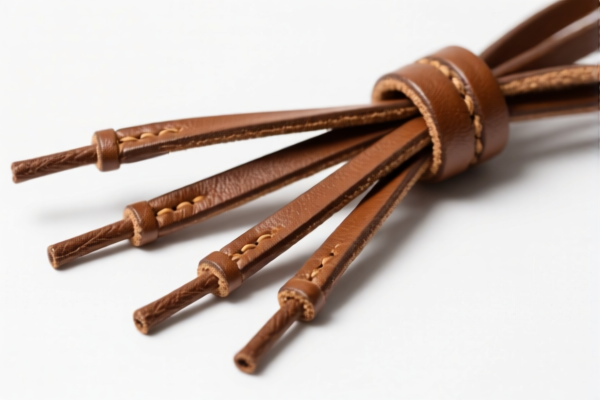
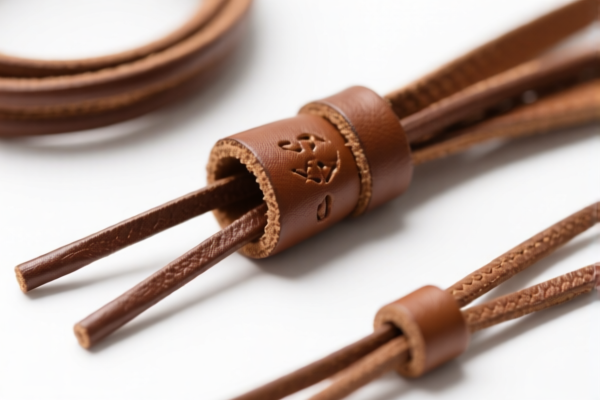
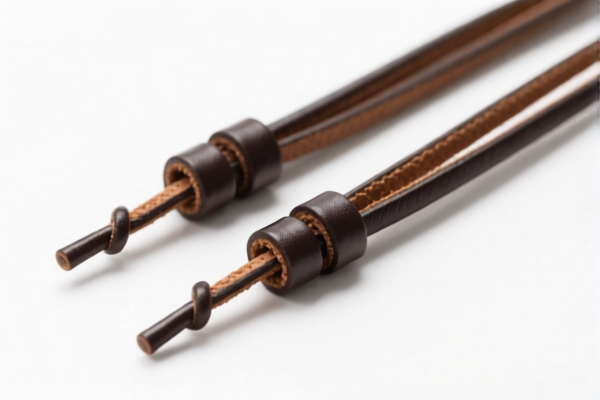
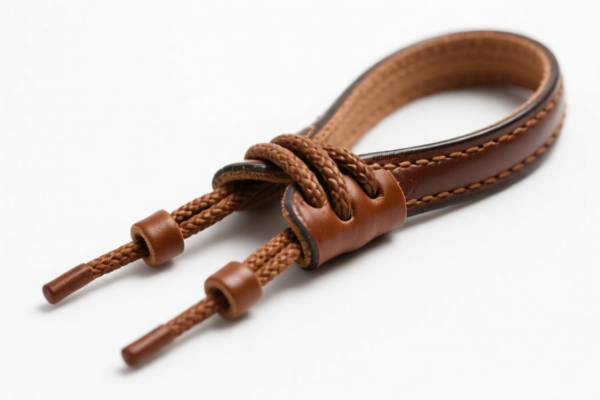
AI Analysis
👟 Composition Leather Shoelaces (Synthetic/Man-Made Fiber)
🌐 HS Code Reference & Clearance Guide | 2026 Latest Tariff Analysis | Professional Customs Strategy
📌 I. Product Definition & Classification: What Are "Composition Leather Shoelaces"?
"Composition Leather Shoelaces" typically refers to laces made from man-made fibers (such as polyester, nylon, or acrylic) often coated, laminated, or woven to mimic the look and feel of genuine leather. In international trade, these are not classified as genuine leather footwear parts (Chapter 64) but rather as articles of plastics or man-made fibers depending on their specific construction and primary material character.
⚠️ Key Distinction:
- If the lace is made purely of man-made fibers (yarn/strip) and coated with plastics to resemble leather → It may fall under Plastics Articles or Articles of Man-Made Fibers.
- If it is simply fabric/nylon/polyester without significant plastic coating, it falls under Articles of Yarn/Strip of Heading 5404/5405.
- Crucial Note: Even if the surface looks like leather, if the core material is synthetic, it is not classified under Heading 6406 (Parts of Footwear of Leather). It is classified under Chapter 39 (Plastics) or Chapter 56 (Textile Articles) based on the predominant material and manufacturing process.
📦 II. HS Code Classification Details (2026 Latest Tariff Reference)
Based on the provided <DATA>, here are the relevant HS Codes and their tax implications for "Composition Leather Shoelaces" (assuming they are synthetic/man-made):
| HS Code | Product Description | Applicable Scenario | Primary Material |
|---|---|---|---|
3926.90.99.05 |
Other articles of plastics: Elastic bands made wholly of plastics | If the laces are elastic and made entirely of plastic materials (e.g., rubberized plastic) | ✅ Plastics |
3926.90.99.89 |
Other articles of plastics: Other | If the laces are non-elastic, made of plastic (e.g., PVC, PU coated synthetic fibers) and not specifically listed elsewhere | ✅ Plastics |
5609.00.30.00 |
Articles of yarn, strip...: Of man-made fibers | If the laces are made of man-made fiber yarn/strip (polyester/nylon) with minimal/no plastic coating that changes their essential character | ✅ Man-made Fibers |
5609.00.40.00 |
Articles of yarn, strip...: Other | If the laces are made of man-made fibers but classified under "Other" (less common for standard synthetic laces) | ✅ Man-made Fibers |
🔍 Important Clarification from
<DATA>:
- The provided data does not include Heading 6406 (Parts of Footwear). This is intentional because "Composition Leather" implies synthetic, not genuine leather.
- Genuine leather shoelaces would fall under6406.90.60.00.
- Synthetic/Composition shoelaces fall under Chapter 39 (Plastics) or Chapter 56 (Textiles) depending on construction.
- Most Common Scenario: Most "composition leather" laces are nylon/polyester cords coated with PU (Polyurethane) to look like leather. This often classifies them as Articles of Plastics (3926.90.99.89) or Articles of Man-Made Fibers (5609.00.30.00) if the plastic coating is thin.
💰 III. 2026 Latest Tariff Rate Breakdown (Detailed Tax Analysis)
✅ Applicable Country: United States (US)
✅ Origin: China (CN)
✅ Effective Time: 2025–2026
🎯 1. 3926.90.99.89 —— Other Articles of Plastics (Non-Elastic, Plastic-Coated Laces)
| Item | Details |
|---|---|
| Base Tariff | 5.3% (Ad valorem) |
| Additional Tariff (Section 301) | +7.5% |
| Total Tariff Rate | 12.8% |
| Tax Calculation | CIF Value × 12.8% |
| De Minimis Exemption | ❌ Not Eligible (Deny De Minimis for Section 301 goods) |
| Legal Basis | USITC Tariff Schedule + Section 301 List |
📌 Explanation:
- This code applies to non-elastic laces made of plastics or plastic-coated synthetic fibers.
- The 12.8% total tariff includes the base MFN rate (5.3%) plus the Section 301 additional duty (7.5%).
- High Cost Alert: This is the most common classification for high-quality "fake leather" laces that are rigid or semi-rigid.
🎯 2. 3926.90.99.05 —— Elastic Bands Made Wholly of Plastics (Elastic Laces)
| Item | Details |
|---|---|
| Base Tariff | 5.3% (Ad valorem) |
| Additional Tariff (Section 301) | +7.5% |
| Total Tariff Rate | 12.8% |
| Tax Calculation | CIF Value × 12.8% |
| De Minimis Exemption | ❌ Not Eligible |
| Legal Basis | USITC Tariff Schedule + Section 301 List |
📌 Explanation:
- Applies to elastic shoelaces made entirely of plastic materials (e.g., elastic cords with plastic coating).
- Same tariff rate as non-elastic plastic articles (12.8%).
🎯 3. 5609.00.30.00 —— Articles of Yarn/Strip of Man-Made Fibers (Uncoated/Thinly Coated)
| Item | Details |
|---|---|
| Base Tariff | 0.0% |
| Additional Tariff (Section 301) | 0.0% |
| Total Tariff Rate | 0.0% |
| Tax Calculation | CIF Value × 0.0% |
| De Minimis Exemption | ✅ Eligible (If value < $800, though Section 301 rules may still apply depending on interpretation) |
| Legal Basis | USITC Tariff Schedule |
📌 Explanation:
- This code applies if the laces are primarily man-made fibers (polyester/nylon) with minimal plastic coating that does not change their essential character as textile articles.
- Low Cost Opportunity: If your product can be classified here, the tariff is 0%, significantly reducing costs.
- Risk: Customs may reclassify if the plastic coating is thick or dominant, shifting it to3926.90.99.89(12.8%).
🛠️ IV. Customs Clearance Practical Advice (Avoid Pitfalls)
✅ 1. Documentation Checklist (Mandatory)
| Document | Required? | Notes |
|---|---|---|
| ✅ Product Specification Sheet | ✔️ | Must detail material composition: % of fibers vs. % of plastics. |
| ✅ Material Breakdown | ✔️ | Specify if coated with PU, PVC, or rubber. |
| ✅ Product Photos | ✔️ | Show close-up of surface texture and cross-section if possible. |
| ✅ Commercial Invoice | ✔️ | Clearly state "Synthetic Shoelaces" or "Polyester Shoelaces," NOT "Leather Shoelaces." |
| ✅ Origin Certificate | ✔️ | Required for Section 301 determination. |
✅ 2. Classification Strategy (Critical!)
🔥 "Declare True Material, Not Visual Appearance!"
| Scenario | Recommended HS Code | Tax Rate | Risk |
|---|---|---|---|
| Plastic-Coated Nylon Laces (Thick Coating) | 3926.90.99.89 |
12.8% | Low Risk (Accurate) |
| Elastic Plastic Laces | 3926.90.99.05 |
12.8% | Low Risk (Accurate) |
| Thinly Coated Polyester Laces | 5609.00.30.00 |
0.0% | Medium Risk (Customs may challenge) |
| Genuine Leather Laces | 6406.90.60.00 |
7.5% | N/A (Not in <DATA>, but relevant if misclassified) |
📌 Warning:
- Do NOT declare "Composition Leather" as "Leather" (Chapter 64).
- If customs determines the plastic coating is dominant, they will reclassify to 3926.90.99.89 and charge 12.8% + potential penalties.
- If you declare5609.00.30.00(0%) but the product is heavily plastic-coated, you risk audit, back-taxes, and fines.
✅ 3. Special Case Handling
| Situation | Advice |
|---|---|
| "Leather-Look" but 100% Polyester | Declare as 5609.00.30.00 if coating is thin; otherwise, 3926.90.99.89. |
| Elastic Laces | Use 3926.90.99.05 if made wholly of plastics. |
| Mixed Materials | If lace is polyester with leather-like plastic tips, classify based on essential character (usually plastic/coated). |
| Small Shipments (De Minimis) | Even if < $800, Section 301 duties still apply for plastics/articles of plastics. Do not rely on de minimis exemption for 301 goods. |
🌍 V. Global Market Comparison (2026)
| Country/Region | Recommended HS Code | Tariff Rate | Notes |
|---|---|---|---|
| 🇺🇸 USA | 3926.90.99.89 |
12.8% | Section 301 applies. High cost. |
| 🇨🇳 China | 5609.00.30.00 |
0% | Import tax may be low; export to US bears the burden. |
| 🇪🇺 EU | 3926.90.99 |
6.5% | No Section 301 equivalent. Lower cost. |
| 🇬🇧 UK | 3926.90.99 |
6.5% | Post-Brexit tariff structure. |
📌 Conclusion:
- USA market is the most expensive due to Section 301 tariffs.
- Alternative Strategy: Source from non-China countries (e.g., Vietnam, Bangladesh) to avoid Section 301, but ensure Rules of Origin are met.
📌 VI. Common Mistakes & Pitfalls (Lessons Learned)
❌ Mistake 1: Declaring "Composition Leather" as "Genuine Leather"
👉 Consequence: Misclassification → 7.5% vs. 12.8% penalty + fraud charges.
❌ Mistake 2: Using HS Code 6406.90.90.00 (Parts of Footwear) for synthetic laces
👉 Consequence: Customs rejects → Delay + Rejection Fee. Heading 6406 is for leather/rubber parts, not plastic-coated synthetic laces.
❌ Mistake 3: Assuming De Minimis ($800) exempts Section 301 duties
👉 Consequence: 12.8% duty still applies. CBP actively enforces this.
✅ Correct Declaration Example:
"Polyester Shoelaces, Plastic-Coated, Synthetic Leather Look, Model XYZ, Non-Elastic"
🎯 VII. Conclusion: Smart Classification, Lower Costs!
🎯 Key Takeaways:
🔹 "Appearance ≠ Material": Synthetic leather is plastics or textiles, not genuine leather.
🔹 "Coating Matters": Thick plastic coating →3926.90.99.89(12.8%). Thin coating →5609.00.30.00(0%) with risk.
🔹 "Section 301 is Real": Don't ignore the 7.5% additional tariff for plastics/articles of plastics from China.
🔹 "Avoid 6406": Unless you have genuine leather, do NOT use Heading 6406.
📌 Pro Tip:
If you can design laces with thinner plastic coatings or use uncoated high-quality synthetic fibers, you may qualify for 5609.00.30.00 (0% tariff). Consult with a customs broker to analyze material composition before production!
📣 Immediate Action:
📞 Engage a Customs Broker → Provide material samples → Apply for Pre-Ruling if possible.
🚀 Optimize Supply Chain → Consider sourcing from non-China origins to mitigate Section 301 risks.
✨ Professional Clearance, Start with Accurate Classification!
💼 Your Cost Savings Depend on the Right HS Code!
Customer Reviews
About HS Code Classification
The Harmonized System (HS) is an internationally standardized nomenclature developed by the World Customs Organization (WCO) to classify traded products. Over 200 countries use the HS system as the basis for customs tariffs, trade statistics, and import/export regulations.
Each HS code follows a hierarchical structure:
- Chapter (2 digits) — Broad category of goods (e.g., Chapter 84: Machinery and Mechanical Appliances)
- Heading (4 digits) — More specific grouping within the chapter
- Subheading (6 digits) — Internationally standardized breakdown, used by all WCO member countries
- National subdivisions (8-10 digits) — Country-specific extensions for further classification, such as US HTSUS 10-digit codes
Correct HS code classification is essential for smooth customs clearance, accurate duty payment, and compliance with trade regulations. Misclassification can lead to customs delays, overpayment of duties, or penalties.
When importing from CN to US, the applicable tariff rates may include:
- Most-Favored-Nation (MFN) rate — The standard duty rate applied to WTO members
- General rate — Applied to countries without trade agreements
- Trade remedy duties — Additional tariffs such as Section 301 (anti-dumping), Section 232 (national security), or countervailing duties
The information provided on this page is for reference purposes only. For official classification, please consult with your local customs authority or a licensed customs broker.