coniferous firewood bundle
CN → US| HS Code | Tariff Rate | Origin | Destination | Doc |
|---|---|---|---|---|
| 4401110000 | 35.0% | CN | US | Official Doc |
| 4401120000 | 35.0% | CN | US | Official Doc |
Product Images
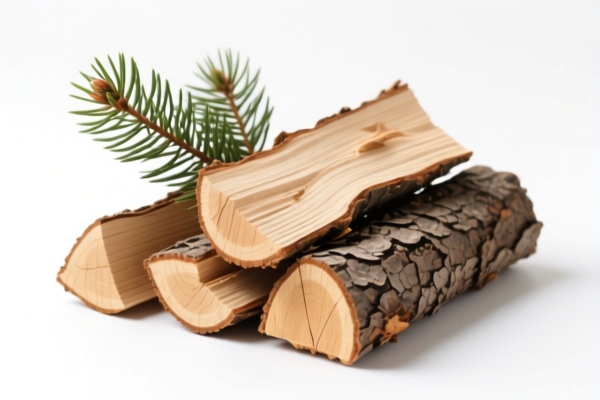
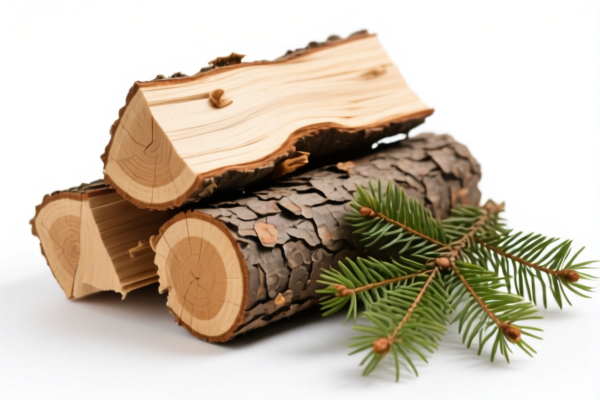
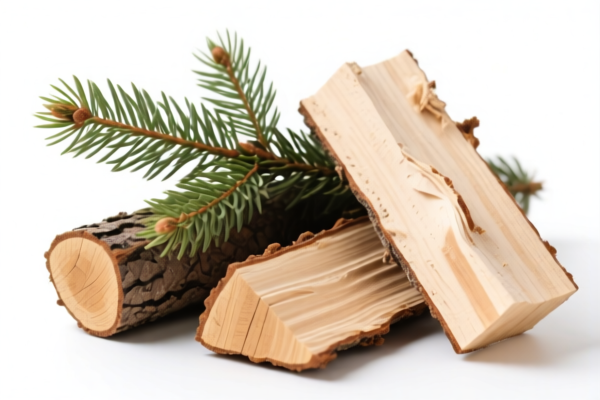

AI Analysis
🪵 Coniferous Firewood Bundles (Fuel Wood, Coniferous)
🌐 HS Code Reference & Customs Clearance Guide | 2026 Latest Tariff Analysis | Professional Compliance Strategy
📌 I. Product Definition & Classification: Do You Know "Coniferous Firewood"?
Coniferous Firewood Bundles refer to fuel derived from softwood trees (such as pine, spruce, fir, etc.), processed into specific forms like logs, billets, twigs, faggots, or similar bundles for combustion. In international trade, the distinction between Coniferous (softwood) and Nonconiferous (hardwood) is critical, as they fall under different sub-headings despite sharing the same general tariff rate structure.
⚠️ Key Distinction:
- Coniferous (Softwood): Comes from needle-leaved trees (Pine, Spruce, etc.). → HS Code: 4401.11.00.00
- Nonconiferous (Hardwood): Comes from broad-leaved trees (Oak, Maple, etc.). → HS Code: 4401.12.00.00
Note: Your product is specified as "Coniferous," so we focus exclusively on 4401.11.00.00.
📦 II. HS Code Classification Details (2026 Latest Tariff Authority)
| HS Code | Product Description | Application Scenario | Wood Type |
|---|---|---|---|
4401.11.00.00 |
Fuel wood, in logs, billets, twigs, faggots or similar forms: Coniferous | Softwood firewood bundles, pine logs, spruce billets | ✅ Coniferous (Softwood) |
4401.12.00.00 |
Fuel wood, in logs, billets, twigs, faggots or similar forms: Nonconiferous | Hardwood firewood bundles, oak logs, maple twigs | ❌ Nonconiferous |
4401.21.00.00 |
Wood in chips or particles | Wood chips, sawdust, waste (if agglomerated) | ❌ Different Form |
4401.31.00.00 |
Sawdust and wood waste and scrap, whether or not agglomerated | Pellets, briquettes made from softwood | ❌ Different Form |
🔍 Critical Reminder:
- Ensure the wood is NOT processed into pellets or briquettes. If it is agglomerated into solid fuel forms (pellets/briquettes), it falls under 4401.31.00.00 (Coniferous) or 4401.32.00.00 (Nonconiferous).
- Your product is "bundles" (faggots/logs), so 4401.11.00.00 is the correct classification.
💰 III. 2026 Latest Tariff Rate Details (Including Additional Duties)
✅ Applicable Country: United States (US)
✅ Origin: China (CN)
✅ Effective Time: 2025 November 10 onwards (including subsequent imports)
🎯 1. 4401.11.00.00 —— Coniferous Fuel Wood (Logs/Bundles)
| Item | Content |
|---|---|
| Base Tariff Rate | 0.0% (ad valorem) |
| Additional Tariff (Section 301) | +25.0% |
| Total Tax Rate | 25.0% |
| Tax Calculation | CIF Value × 25% |
| De Minimis Eligibility | ❌ Not Eligible (Due to high additional tariff) |
| Legal Basis Path | USITC:4401.11.00.00 → FOOTNOTE:9903.01.24 (Section 301) |
📌 Explanation:
- Base Rate 0%: Standard MFN (Most Favored Nation) rate for fuel wood is 0%.
- Additional Tariff 25%: This is applied under Section 301 of the Trade Act of 1974 targeting Chinese imports.
- Total Cost Impact: For every $10,000 CIF value, you pay $2,500 in duties.
- Policy Context: This tariff is part of the ongoing trade measures against China, effective from late 2025.
🛠️ IV. Customs Clearance Practical Advice (实战避坑指南)
✅ 1. Document Checklist (Must-Have)
| Document | Required | Description |
|---|---|---|
| ✅ Commercial Invoice | ✔️ | Must clearly state: "Coniferous Firewood," "Faggots/Bundles," Origin: China |
| ✅ Packing List | ✔️ | Detail weight, dimensions, and number of bundles |
| ✅ Phytosanitary Certificate | ✔️ | CRITICAL: Required by USDA/APHIS to prevent pest introduction. Must confirm heat treatment (ISPM 15) if applicable. |
| ✅ Bill of Lading | ✔️ | Show accurate weight and packaging details |
| ✅ Certificate of Origin | ✔️ | Proof of Chinese origin to apply correct tariff |
| ✅ Labeling | ✔️ | Each bundle should be marked with origin and species (if possible) |
✅ 2. Declaration Tips (Key Mantra)
🔥 "Clear Origin, Specify Form, Attach Phytosanitary, Avoid Penalties!"
| Scenario | Correct Declaration | Incorrect Practice |
|---|---|---|
| Coniferous Firewood | 4401.11.00.00 |
Misclassify as 4401.12.00.00 (Nonconiferous) → Risk of audit |
| Wood Chips | 4401.21.00.00 |
Declare as "Logs" → Incorrect classification |
| Pellets | 4401.31.00.00 |
Declare as "Bundles" → Incorrect form |
| Without Phytosanitary Cert | ❌ Risk of Rejection | Try to pass without it → High risk of seizure |
✅ 3. Special Considerations
| Situation | Handling Advice |
|---|---|
| Pest Control | Ensure wood is treated according to ISPM 15 standards. Untreated wood may be denied entry. |
| Mixed Species | If bundles contain both coniferous and nonconiferous wood, declare as Nonconiferous (4401.12.00.00) to be safe, or separate them. |
| Value Assessment | Customs may scrutinize low-value declarations for firewood. Ensure CIF value reflects real market price. |
| Storage & Handling | Firewood is prone to moisture. Ensure proper packaging to avoid damage during transit, which could lead to rejection due to "unfit for use." |
🌍 V. Global Market Comparison (2026 Latest)
| Country/Region | Recommended HS Code | Tariff | Certification | Remarks |
|---|---|---|---|---|
| 🇺🇸 USA | 4401.11.00.00 |
25% (CN) | Phytosanitary Cert | High tariff due to Section 301 |
| 🇨🇳 China | 4401.11.00.00 |
0% | N/A | No additional tariffs |
| 🇪🇺 EU | 4401.11.00.00 |
0% | Phytosanitary Cert + ISPM 15 | No additional tariffs |
| 🇬🇧 UK | 4401.11.00.00 |
0% | Phytosanitary Cert | Post-Brexit rules apply |
📌 Conclusion:
- USA is the only major market with a 25% additional tariff on Chinese firewood.
- EU and UK have no additional tariffs but strict phytosanitary requirements.
📌 VI. Common Errors & Pitfalls (Lessons Learned)
❌ Error 1: Missing Phytosanitary Certificate
👉 Consequence: Goods detained or destroyed at port.
❌ Error 2: Misclassifying as "Nonconiferous" (4401.12.00.00)
👉 Consequence: Audit risk, potential fines for incorrect declaration.
❌ Error 3: Declaring "Wood Chips" as "Logs"
👉 Consequence: Incorrect HS Code, possible tariff discrepancy.
❌ Error 4: Ignoring Moisture Content
👉 Consequence: High moisture content may lead to mold, rejection, or additional handling fees.
✅ Correct Practice:
"Coniferous Firewood Bundles, Pine Species, Treated per ISPM 15, Origin: China, CIF Value: $10,000, HS Code: 4401.11.00.00"
🎯 VII. Conclusion: Professional Declaration, Save Time and Cost!
🎯 Remember the Mantra:
🔹 "Coniferous is 4401.11, Nonconiferous is 4401.12."
🔹 "Phytosanitary Cert is a MUST, or else goods are lost."
🔹 "25% Tariff on Chinese Coniferous Firewood, Plan for It!"
📌 Tip:
If your firewood is originating from Vietnam, Thailand, or Malaysia, you may avoid the 25% additional tariff.
Recommend pre-approval of HS Code to avoid clearance risks.
📣 Immediate Action:
📞 Contact professional customs brokers + Provide product photos + Apply for HS Code pre-ruling
🚀 Let your firewood pass customs smoothly, efficiently, and profitably!
✨ Professional Customs Clearance Starts with Accurate Classification!
💼 Every cent of your cost deserves precise calculation!
Customer Reviews
About HS Code Classification
The Harmonized System (HS) is an internationally standardized nomenclature developed by the World Customs Organization (WCO) to classify traded products. Over 200 countries use the HS system as the basis for customs tariffs, trade statistics, and import/export regulations.
Each HS code follows a hierarchical structure:
- Chapter (2 digits) — Broad category of goods (e.g., Chapter 84: Machinery and Mechanical Appliances)
- Heading (4 digits) — More specific grouping within the chapter
- Subheading (6 digits) — Internationally standardized breakdown, used by all WCO member countries
- National subdivisions (8-10 digits) — Country-specific extensions for further classification, such as US HTSUS 10-digit codes
Correct HS code classification is essential for smooth customs clearance, accurate duty payment, and compliance with trade regulations. Misclassification can lead to customs delays, overpayment of duties, or penalties.
When importing from CN to US, the applicable tariff rates may include:
- Most-Favored-Nation (MFN) rate — The standard duty rate applied to WTO members
- General rate — Applied to countries without trade agreements
- Trade remedy duties — Additional tariffs such as Section 301 (anti-dumping), Section 232 (national security), or countervailing duties
The information provided on this page is for reference purposes only. For official classification, please consult with your local customs authority or a licensed customs broker.