coniferous wood poles
CN → US| HS Code | Tariff Rate | Origin | Destination | Doc |
|---|---|---|---|---|
| 4404100080 | 35.0% | CN | US | Official Doc |
| 4404100090 | 35.0% | CN | US | Official Doc |
| 7308903000 | 85.0% | CN | US | Official Doc |
| 4403110020 | 35.0% | CN | US | Official Doc |
| 7308906000 | 85.0% | CN | US | Official Doc |
Product Images
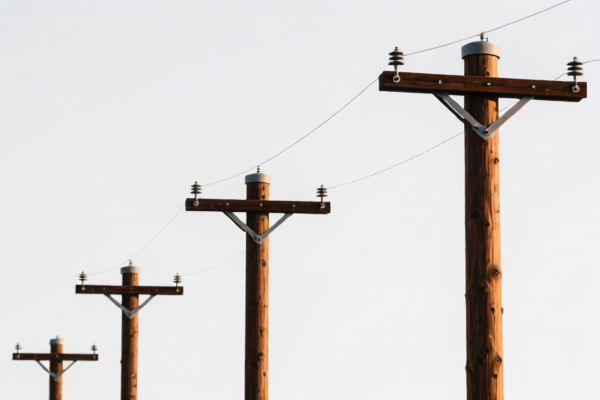
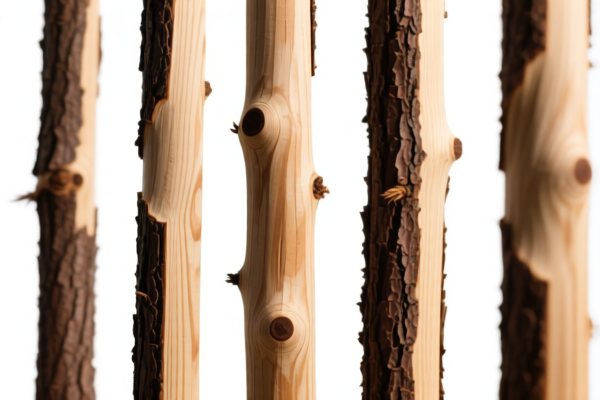
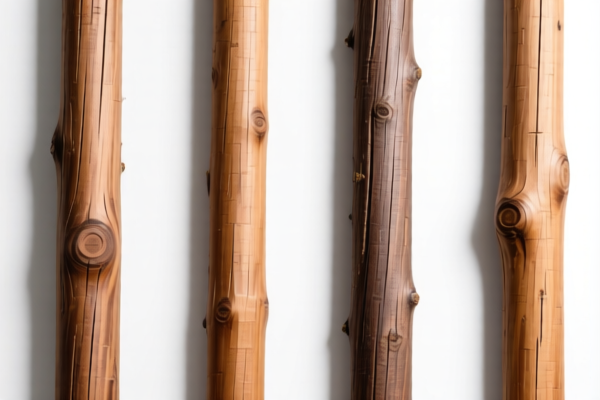
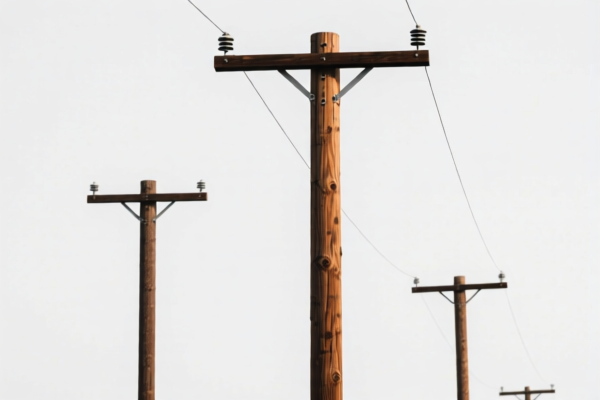
AI Analysis
🌲 Coniferous Wood Poles (Timber Poles for Power & Telecom)
🌐 HS Code Reference & Customs Clearance Guide | 2026 Latest Tariff Analysis | US Market Focus
📌 I. Product Definition & Classification: What Exactly Are "Coniferous Wood Poles"?
Coniferous Wood Poles refer to structural wooden structures made from evergreen trees (such as Pine, Spruce, Fir), primarily used as support columns for overhead power lines, telecommunications cables, or structural frameworks. In international trade, precise classification is critical because these products are heavily targeted by US trade remedies (Section 301 and Section 232/IEEPA).
The classification depends heavily on the form (whether they are roughly hewn, turned, or planed) and the specific purpose (structural vs. utility-specific).
⚠️ Key Distinction:
- Raw/Prepared Poles: Roughly trimmed, treated wood intended for construction/utility → Classified under Chapter 44 (Wood).
- Structural Steel Parts: Metal poles → Classified under Chapter 73 (Iron/Steel).
- Specific Utility Poles: Treated telegraph/power poles → Specific subheadings in Chapter 44.
📦 II. HS Code Classification Details (2026 Latest Tariff Mapping)
Based on the provided data, here are the applicable HS Codes for Coniferous Wood Poles and related metal structures:
| HS Code | Product Description | Form/State | Key Characteristics |
|---|---|---|---|
4404.10.00.80 |
Coniferous Wood Poles | Rods, Stakes, Posts | Roughly prepared, not turned; general structural use. |
4404.10.00.90 |
Coniferous Wood Poles | Rods/Stakes (Other) | Other forms of coniferous wood rods, not elsewhere specified. |
4403.11.00.20 |
Coniferous Wood Poles | For Telegraph/Power Lines | Specifically treated/prepared for electrical/telecom utility use. |
7308.90.30.00 |
Steel Structural Parts | Steel/Aluminum/Copper | Metal structural units/components (Note: High Tariff Risk). |
7308.90.60.00 |
Steel Poles | For Power Transmission | Steel columns/props specifically for electricity transmission. |
🔍 Critical Note:
- Wood vs. Steel: While "Poles" are typically wood (4404/4403), if the product is metal (Steel/Aluminum), it falls under7308. The tariff implications differ significantly. - Treatment Status:4403items are often "treated" (creosoted, etc.) for outdoor use.4404items are usually "roughly prepared." Ensure your invoice distinguishes between "treated utility poles" and "rough timber poles."
💰 III. 2026 Latest Tariff Rate Breakdown (Including Additional Duties)
✅ Applicable Country: United States (US)
✅ Origin: China (CN)
✅ Effective Date: Ongoing (Section 301 & IEEPA measures)
All items in the provided data carry a Total Tax of 35.0% for Wood and 85.0% for Steel. Here is the detailed breakdown:
🎯 1. Coniferous Wood Poles (HS Codes: 4404.10.00.80, 4404.10.00.90, 4403.11.00.20)
| Item | Content |
|---|---|
| Base Duty Rate | 0.0% (Ad Valorem) |
| Section 301 Additional Duty | +25.0% (USITC Footnote) |
| Section 122 / IEEPA Additional Duty | +10.0% (Targeting Chinese Origin) |
| Total Effective Tax Rate | 35.0% |
| Tax Calculation | CIF Value × 35% |
| De Minimis Exemption? | ❌ No (High-value structural items generally excluded) |
| Legal Basis Path | USITC:4404.10.00 → Section 301: +25% → IEEPA/Sec 122: +10% |
📌 Explanation:
- Base Rate (0%): Wood articles often have low base duties to protect US forestry industries or due to trade agreements.
- Section 301 (+25%): Applies to most Chinese wood products under HTS 4404/4403.
- Section 122/IEEPA (+10%): Additional levy on specific Chinese goods.
- Total 35%: This is a significant cost increase. You must factor this into your landed cost calculation.
🎯 2. Steel/Metal Poles & Structural Units (HS Codes: 7308.90.30.00, 7308.90.60.00)
| Item | Content |
|---|---|
| Base Duty Rate | 0.0% (Ad Valorem) |
| Section 301 Additional Duty | +25.0% |
| Section 122 / IEEPA Additional Duty | +10% |
| Steel/Aluminum/Copper Additional Duty | +50.0% (Specific Metal Surcharge) |
| Total Effective Tax Rate | 85.0% |
| Tax Calculation | CIF Value × 85% |
| De Minimis Exemption? | ❌ No |
| Legal Basis Path | USITC:7308.90 → Section 301: +25% → IEEPA: +10% → Metal Surcharge: +50% |
📌 Explanation:
- Base Rate (0%): Structural steel articles often have 0% base duty.
- Metal Surcharge (+50%): This is the critical differentiator. Steel, Aluminum, and Copper products face a massive 50% additional tariff beyond the standard 301/IEEPA duties.
- Total 85%: This makes steel poles extremely expensive to import from China to the US. Extreme caution is required.
🛠️ IV. Customs Clearance Practical Advice (Battle-Tested Guide)
✅ 1. Documentation Checklist (Non-Negotiable)
| Document | Required? | Purpose |
|---|---|---|
| Product Specification Sheet | ✔️ | Must state material (Coniferous vs. Steel), dimensions, length, diameter, and treatment (e.g., creosote, ACQ). |
| Bill of Lading / Invoice | ✔️ | Clearly describe as "Coniferous Wood Poles" or "Steel Transmission Poles." Do not use generic terms like "Timber" or "Metal Bars." |
| Phytosanitary Certificate | ✔️ | Mandatory for Wood (4404/4403). Certifies the wood is free from pests/diseases (ISPM 15 compliant if packaged). |
| Treatment Certificate | ✔️ | Proof of preservative treatment (if applicable). Required by USDA APHIS. |
| Country of Origin Certificate | ✔️ | Proves origin is China (triggers tariffs). |
✅ 2. Classification Strategy (Key Tips)
🔥 "Correct HS Code Saves Thousands!"
| Scenario | Correct Classification | Risk if Incorrect |
|---|---|---|
| Wood Poles, Roughly Prepared | 4404.10.00.80 or .90 |
Misclassifying as 4403 (Treated) might trigger different inspection rules. |
| Wood Poles, For Power Lines | 4403.11.00.20 |
If declared as generic wood, customs may reclassify, leading to delays. |
| Steel Poles | 7308.90.60.00 |
Do NOT classify as wood. If misclassified, you may face penalties for tariff evasion. |
| Mixed Shipment (Wood + Steel) | Separate Line Items | Never bundle wood and steel on one line item. They have vastly different tax rates (35% vs. 85%). |
✅ 3. Special Considerations for Wood
- ISPM 15 Compliance: If the wood poles are packaged in pallets or crates, the packaging material must be heat-treated or fumigated and stamped.
- Pest Control: US Customs and Border Protection (CBP) and USDA APHIS are strict about wood imports. Ensure no bark is attached if prohibited for your specific wood species.
- Moisture Content: Declare moisture content if it affects the weight or treatment validity.
✅ 4. Special Considerations for Steel
- Weight Verification: Steel poles are heavy. Ensure the declared weight matches the actual weight closely to avoid CBP weight audits.
- Structural Integrity: Provide engineering drawings if requested to prove the item is a "structural part" (
7308) and not a simpler steel item.
🌍 V. Global Market Comparison (2026)
| Country/Region | Recommended HS Code (Wood) | Tariff Rate (China Origin) | Notes |
|---|---|---|---|
| 🇺🇸 USA | 4404.10.00.80 / 4403.11.00.20 |
35% (25% Sec 301 + 10% IEEPA) | High tariff barrier. Steel poles face 85%. |
| 🇨🇳 China | 4404.10.00 / 4403.11.00 |
0-5% (Import Duty) | No additional US-style surcharges. |
| 🇪🇺 EU | 4404.10.00 / 4403.11.00 |
0-10% | No Section 301 equivalents. Watch for anti-dumping if applicable. |
| 🇲🇽 Mexico | 4404.10.00 / 4403.11.00 |
0-5% (Under USMCA) | Potential for lower tariffs if rules of origin are met. |
📌 Conclusion:
- USA is the most challenging market for these goods due to 35% (Wood) and 85% (Steel) tariffs.
- Steel poles are particularly vulnerable. Consider sourcing from non-China origins (e.g., Southeast Asia, South America) if possible to mitigate the 85% rate.
📌 VI. Common Mistakes & Pitfalls (Learn from Others)
❌ Mistake 1: Declaring "Steel Poles" as "Wood Poles" to avoid the 50% metal surcharge.
👉 Consequence: Severe penalties, seizure of goods, and blacklisting. Customs uses X-ray and material tests.
❌ Mistake 2: Omitting "Coniferous" in the description.
👉 Consequence: CBP may reject the entry for lack of specificity, causing port delays.
❌ Mistake 3: Ignoring Phytosanitary Certificates for Wood.
👉 Consequence: Goods held at port until treatment is verified or destroyed.
❌ Mistake 4: Combining Wood and Steel items on one invoice line.
👉 Consequence: Customs will apply the highest tariff rate to the entire shipment or split it manually, causing disputes.
✅ Correct Declaration Example:
"CONIFEROUS WOOD POLES, TREATED FOR ELECTRICAL TRANSMISSION USE, HTS 4403.11.00.20, ORIGIN: CHINA"
OR
"STEEL TRANSMISSION POLES, STRUCTURAL COMPONENTS, HTS 7308.90.60.00, ORIGIN: CHINA"
🎯 VII. Conclusion: Strategic Sourcing & Compliance
🎯 Remember the Rules:
🔹 "Wood pays 35%, Steel pays 85%."
🔹 "Phytosanitary for Wood, Structural Docs for Steel."
🔹 "Never Bundle, Always Declare Material Clearly."
📌 Pro Tip:
If you are importing Steel Poles, seriously consider:
1. Sourcing from Vietnam/Mexico: To avoid the 85% US tariff on Chinese steel.
2. Advance Ruling: Apply for a Binding Ruling from CBP before shipment to confirm HS Code and duty rate.
3. Cost-Benefit Analysis: With an 85% tariff, the landed cost of Chinese steel poles in the US is likely uncompetitive.
📣 Immediate Action Required:
📞 Consult a Customs Broker to verify your specific product's treatment and form.
📄 Ensure Phytosanitary Certificates are ready for wood imports.
🚀 Optimize Supply Chain to mitigate the high US tariff burden.
✨ Precision in Classification, Profit in Customs!
💼 Every Percent Matters in Global Trade.
Customer Reviews
About HS Code Classification
The Harmonized System (HS) is an internationally standardized nomenclature developed by the World Customs Organization (WCO) to classify traded products. Over 200 countries use the HS system as the basis for customs tariffs, trade statistics, and import/export regulations.
Each HS code follows a hierarchical structure:
- Chapter (2 digits) — Broad category of goods (e.g., Chapter 84: Machinery and Mechanical Appliances)
- Heading (4 digits) — More specific grouping within the chapter
- Subheading (6 digits) — Internationally standardized breakdown, used by all WCO member countries
- National subdivisions (8-10 digits) — Country-specific extensions for further classification, such as US HTSUS 10-digit codes
Correct HS code classification is essential for smooth customs clearance, accurate duty payment, and compliance with trade regulations. Misclassification can lead to customs delays, overpayment of duties, or penalties.
When importing from CN to US, the applicable tariff rates may include:
- Most-Favored-Nation (MFN) rate — The standard duty rate applied to WTO members
- General rate — Applied to countries without trade agreements
- Trade remedy duties — Additional tariffs such as Section 301 (anti-dumping), Section 232 (national security), or countervailing duties
The information provided on this page is for reference purposes only. For official classification, please consult with your local customs authority or a licensed customs broker.