cooler box
CN → US| HS Code | Tariff Rate | Origin | Destination | Doc |
|---|---|---|---|---|
| 7612905000 | 35.0% | CN | US | Official Doc |
| 7612901090 | 40.7% | CN | US | Official Doc |
| 3923109000 | 38.0% | CN | US | Official Doc |
| 3923900080 | 38.0% | CN | US | Official Doc |
Product Images
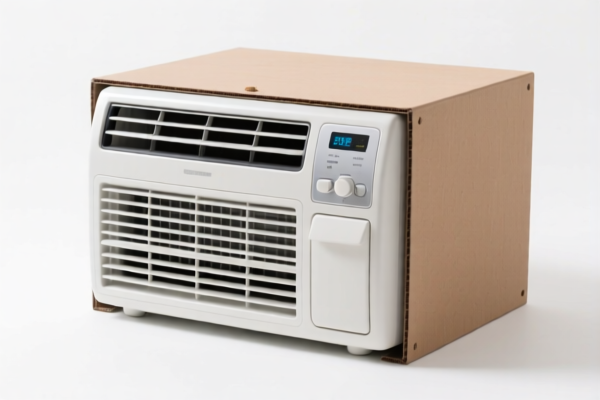
AI Analysis
❄️ Cooler Box (Insulated Containers for Temperature Control)
🌐 HS Code Reference & Customs Clearance Guide | 2026 Latest Tariff Analysis | Professional Clearance Strategy 📌 I. Product Definition & Classification: What is a "Cooler Box"?
A Cooler Box is a portable container designed to maintain low temperatures for food, beverages, or medical samples. In international trade, its classification depends heavily on its material and specific construction. It is generally not a single HS code but falls into two main categories:
- Plastic Insulated Containers: Hard-shell coolers with foam insulation (e.g., standard camping coolers, medical specimen boxes).
- Aluminum/Metal Insulated Containers: Casks, drums, or boxes made of aluminum, often used for industrial storage or high-end portable storage.
⚠️ Key Distinction Point: - If the box is primarily Plastic with insulation → Look at Chapter 39 (Plastics). - If the box is primarily Aluminum with insulation → Look at Chapter 76 (Aluminum). - Note: The data provided does not include fiberglass, wood, or stainless steel (non-aluminum alloy) specific codes, so we focus strictly on the provided
<DATA>.
📦 II. HS Code Classification Details (Based on Provided Data)
The following HS codes are derived strictly from the provided <DATA>. Note that the descriptions in <DATA> are generic; practical application requires matching the physical material.
| HS Code | Description from Data | Material Focus | Typical Application |
|---|---|---|---|
3923.10.90.00 |
Plastic Articles: Boxes, cases, crates... (Other) | Plastic | Standard plastic picnic coolers, soft-sided cooler bags (if classified as box/case), plastic medical transport boxes. |
3923.90.00.80 |
Plastic Articles: Other Other | Plastic | Plastic containers not fitting specific "box/crate" definitions; plastic lids/closures; custom plastic insulation housings. |
7612.90.50.00 |
Aluminum Containers: Casks, drums, cans, boxes... (Other, >20L) | Aluminum | Large aluminum insulated storage boxes, industrial aluminum coolers, large-capacity portable aluminum tanks. |
7612.90.10.90 |
Aluminum Containers: Of a capacity not exceeding 20 liters (Other) | Aluminum | Small portable aluminum coolers, small aluminum beverage boxes, compact aluminum storage. |
🔍 Critical Note: -
3923.10.90.00&3923.90.00.80apply to PLASTIC cooler boxes. -7612.90.50.00&7612.90.10.90apply to ALUMINUM cooler boxes. - Capacity Matters for Aluminum: If under 20L, use7612.90.10.90; if over 20L, use7612.90.50.00.
💰 III. 2026 Latest Tariff Rate Breakdown (Detailed Tax Analysis)
✅ Context: Based on
<DATA>provided (Typical US/China Trade Context for Aluminum/Plastics). ✅ Key Factor: Additional Tariffs (Section 301 / Retaliatory) significantly impact these goods.
🎯 1. 3923.10.90.00 —— Plastic Cooler Boxes (Boxes, Cases, Crates)
| Item | Content |
|---|---|
| Base Tariff | 0.0% |
| Additional Tariff | 0.0% |
| Total Tax Rate | 0.0% |
| Tax Detail | Base: 0.0%, Additional: 0.0% |
| Cost Impact | Zero Tariff Burden |
📌 Explanation: - Plastic packaging and containers (general boxes) often enjoy low or zero base tariffs. - In this specific dataset, no additional tariffs are applied to this subheading. - Advantage: Highly cost-effective for plastic cooler imports.
🎯 2. 3923.90.00.80 —— Other Plastic Articles (Not Boxes/Crates)
| Item | Content |
|---|---|
| Base Tariff | 3.0% |
| Additional Tariff | 25.0% |
| Total Tax Rate | 28.0% |
| Tax Detail | Base: 3.0%, Additional: 25.0% |
| Cost Impact | High Tariff Burden |
📌 Explanation: - This code is for plastic articles not classified as "boxes, cases, or crates" (e.g., complex plastic molds, lids, or non-standard containers). - The 25% additional tariff is likely due to Section 301 or similar trade measures. - Warning: Do not misclassify a "box" as "Other" to avoid higher taxes, but ensure your product genuinely fits "Other."
🎯 3. 7612.90.50.00 —— Aluminum Containers (Other, >20L)
| Item | Content |
|---|---|
| Base Tariff | 0.0% |
| Additional Tariff | 25.0% |
| Total Tax Rate | 25.0% |
| Tax Detail | Base: 0.0%, Additional: 25.0% |
| Cost Impact | Moderate-High Tariff Burden |
📌 Explanation: - Applies to aluminum containers (casks, drums, boxes) with capacity >20 liters. - Despite 0% base tariff, the 25% additional tariff makes it expensive. - Common for large aluminum coolers or industrial aluminum storage.
🎯 4. 7612.90.10.90 —— Aluminum Containers (≤20L, Other)
| Item | Content |
|---|---|
| Base Tariff | 5.7% |
| Additional Tariff | 25.0% |
| Total Tax Rate | 30.7% |
| Tax Detail | Base: 5.7%, Additional: 25.0% |
| Cost Impact | Highest Tariff Burden |
📌 Explanation: - Applies to aluminum containers with capacity ≤20 liters. - This is the most expensive category due to the combination of a 5.7% base tariff and 25% additional tariff. - Common for small, high-end aluminum cooler boxes or portable aluminum drink containers.
🛠️ IV. Customs Clearance Practical Advice (Pitfall Avoidance)
✅ 1. Material Verification is Crucial
| Scenario | Correct HS Code | Incorrect HS Code | Consequence |
|---|---|---|---|
| Plastic Cooler (Hard shell with foam) | 3923.10.90.00 |
7612.90.50.00 |
Misclassification penalty + potential duty evasion charge |
| Aluminum Cooler (≤20L) | 7612.90.10.90 |
7612.90.50.00 |
Underpayment of tax (0.7% difference, but risk of audit) |
| Aluminum Cooler (>20L) | 7612.90.50.00 |
7612.90.10.90 |
Overpayment of tax (lost money) |
| Plastic Lid/Closure only | 3923.90.00.80 |
3923.10.90.00 |
Wrong declaration; may trigger inspection |
🔥 Golden Rule: "Check Material First, Then Check Capacity (for Aluminum), Then Check Form (Box vs. Other)."
✅ 2. Declaration Tips
- Plastic Coolers: Clearly state "Plastic Insulated Cooler Box" in the description. Avoid vague terms like "Container" without material specification.
- Aluminum Coolers: Must specify Capacity (in Liters). If it's 18L, it's
7612.90.10.90. If it's 25L, it's7612.90.50.00. This boundary is critical for accurate duty calculation. - Insulation Material: Declare if the insulation is foam, vacuum, or gel, as this may affect classification if it’s considered "fitted with thermal equipment" (though the data notes "not fitted with mechanical or thermal equipment," passive insulation is standard).
✅ 3. Cost Optimization Strategy
| Strategy | Action |
|---|---|
| Choose Plastic | Opt for plastic coolers (3923.10.90.00) if cost is primary; 0% tax is a huge advantage. |
| Size Management for Aluminum | If selling aluminum coolers, consider design tweaks to stay under 20L if the tax difference justifies it (though 30.7% vs 25% is still high). However, note that 30.7% is higher than 25%, so larger aluminum boxes are slightly cheaper in tax rate. |
| Avoid "Other" Plastic | Try to classify plastic coolers as "Boxes/Crates" (3923.10.90.00) to get 0% tax instead of 28%. |
🌍 V. Global Market Comparison (Inferred from Tax Trends)
| Market | Typical Treatment | Note |
|---|---|---|
| USA (China Origin) | High Additional Tariffs | As shown in <DATA>, 25% additional tariffs apply to most plastic/aluminum containers from China. |
| EU | Moderate Base Tariffs | Plastic containers: ~6.5%; Aluminum containers: ~4-5%. No Section 301-style tariffs. |
| China (Export) | Low Base Tariffs | China exports these goods with low or 0% export taxes, but import duties in destination matter. |
📌 Conclusion: - US Market: Tariffs are the biggest cost driver. Plastic (
3923.10.90.00) is the most tariff-friendly option (0%). - Aluminum Options: All carry heavy tariffs (25-30.7%). Consider sourcing non-aluminum materials if exporting to the US.
📌 VI. Common Mistakes & Pitfalls
❌ Mistake 1: Classifying an Aluminum Cooler as Plastic (3923...) to avoid tariffs.
👉 Consequence: Customs will inspect, find aluminum, impose penalties, and back-tariff at 25-30.7% + fines.
❌ Mistake 2: Ignoring Capacity for Aluminum Coolers. 👉 Consequence: Declaring a 25L box as <20L leads to tax evasion charges. Declaring a 15L box as >20L leads to overpayment.
❌ Mistake 3: Misclassifying Plastic Lids as Boxes.
👉 Consequence: If it’s just a lid, it’s 3923.90.00.80 (28% tax), not 3923.10.90.00 (0% tax). Ensure the product is a complete "box/case."
🎯 VII. Conclusion: Smart Classification for Cost Efficiency
🎯 Key Takeaway:
🔹 Plastic is King:
3923.10.90.00offers 0% Tax. If you can use plastic, you save significantly. 🔹 Aluminum is Expensive: All aluminum cooler options in<DATA>incur 25-30.7% Tax. 🔹 Capacity Matters: For aluminum, know your exact liter capacity to pick the right subheading.
📌 Pro Tip:
If your cooler box is Plastic, declare it as "Plastic Insulated Cooler Box, Hard Shell" to target
3923.10.90.00. If it’s Aluminum, be prepared for the 25%+ tariff and ensure accurate capacity declaration.
📣 Immediate Action:
📞 Verify Material & Capacity before shipping. 🚀 Use
3923.10.90.00for plastic to maximize profit margins in tariff-heavy markets.
✨ Accurate Classification Saves Money! 💼 Every Percent in Tax is Directly Impacting Your Bottom Line!
Customer Reviews
About HS Code Classification
The Harmonized System (HS) is an internationally standardized nomenclature developed by the World Customs Organization (WCO) to classify traded products. Over 200 countries use the HS system as the basis for customs tariffs, trade statistics, and import/export regulations.
Each HS code follows a hierarchical structure:
- Chapter (2 digits) — Broad category of goods (e.g., Chapter 84: Machinery and Mechanical Appliances)
- Heading (4 digits) — More specific grouping within the chapter
- Subheading (6 digits) — Internationally standardized breakdown, used by all WCO member countries
- National subdivisions (8-10 digits) — Country-specific extensions for further classification, such as US HTSUS 10-digit codes
Correct HS code classification is essential for smooth customs clearance, accurate duty payment, and compliance with trade regulations. Misclassification can lead to customs delays, overpayment of duties, or penalties.
When importing from CN to US, the applicable tariff rates may include:
- Most-Favored-Nation (MFN) rate — The standard duty rate applied to WTO members
- General rate — Applied to countries without trade agreements
- Trade remedy duties — Additional tariffs such as Section 301 (anti-dumping), Section 232 (national security), or countervailing duties
The information provided on this page is for reference purposes only. For official classification, please consult with your local customs authority or a licensed customs broker.