copper bottle
CN → US| HS Code | Tariff Rate | Origin | Destination | Doc |
|---|---|---|---|---|
| 7419801500 | 88.0% | CN | US | Official Doc |
| 7419805050 | 85.0% | CN | US | Official Doc |
| 7418100053 | 70.5% | CN | US | Official Doc |
| 7418100055 | 70.5% | CN | US | Official Doc |
Product Images
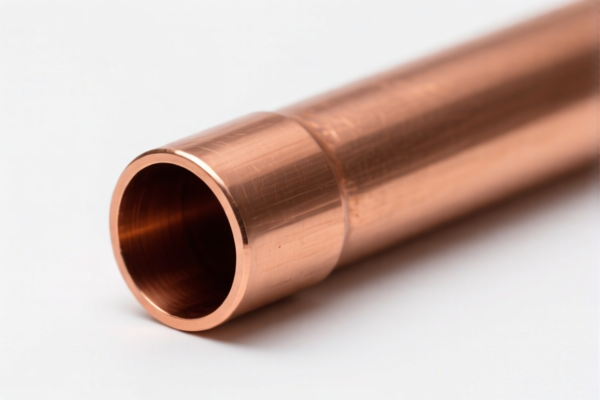
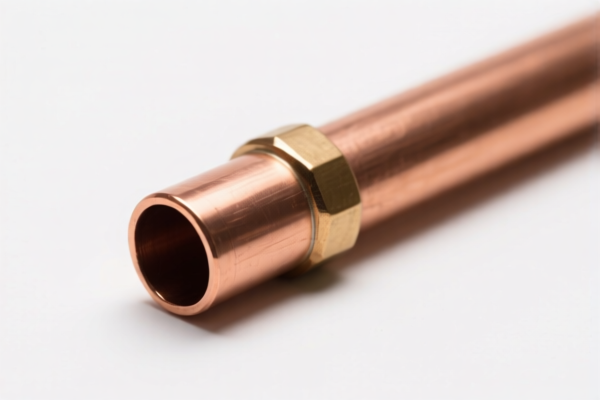
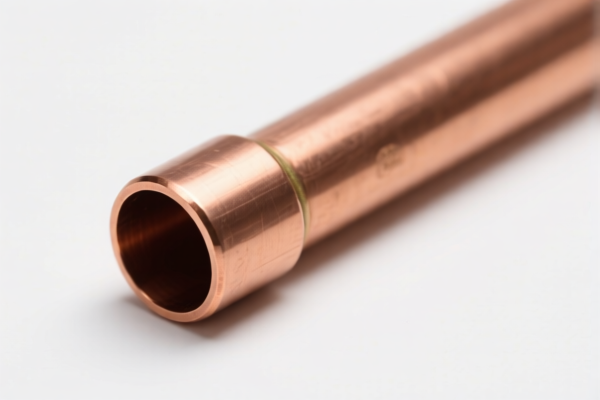
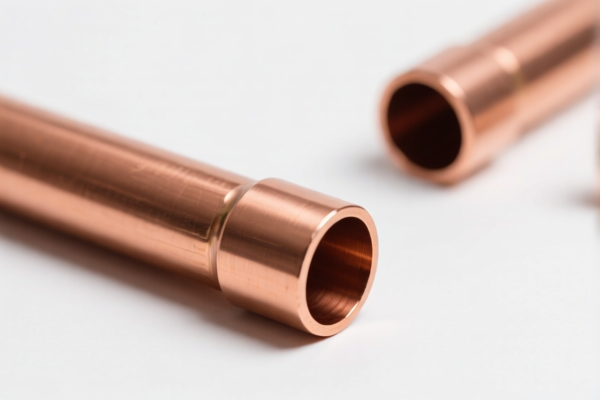
AI Analysis
🍶 Copper Water Bottle (Copper Vessels for Drinking)
🌐 HS Code Reference & Customs Clearance Guide | 2026 Latest Tariff Analysis | Professional Entry Strategies
📌 Part 1: Product Definition & Classification – Do You Really Understand "Copper Bottles"?
A copper water bottle is a portable container made primarily of copper, used for holding and drinking water. In international trade, its classification depends heavily on its form, intended use, and specific material composition. While intuitively a "drinking vessel," U.S. customs (CBP) scrutinizes these items carefully under Chapter 74 (Articles of Copper), distinguishing between general utensils, specific portable containers, and other miscellaneous copper articles.
⚠️ Key Distinction Point:
- If the bottle is specifically a portable container (like a flask for travel/hiking) → Look at 7419.80.15.00.
- If it is a general drinking vessel (household/kitchen use) → Look at 7418.10.00.53 / .55.
- If it is classified under other miscellaneous copper articles not specified elsewhere → Look at 7419.80.50.50.
📦 Part 2: HS Code Classification Details (2026 Latest Tariff Authority Comparison)
Based on the provided data, here are the four potential HS Codes for Copper Bottles, with their corresponding tax implications.
| HS Code | Product Description | Applicable Scenario | Total Tax Rate |
|---|---|---|---|
7419.80.15.00 |
Copper portable water bottle, material: copper, form: portable container | Travel flasks, hiking bottles, non-household portable vessels | 88.0% |
7419.80.50.50 |
Copper water bottle, material: copper, classified as other copper articles | Miscellaneous copper items not fitting specific "utensil" or "portable container" definitions | 85.0% |
7418.10.00.53 |
Copper water bottle, material: copper, use: tableware or household items | Kitchen copper pitchers, home-use water bottles, decorative drinking vessels | 70.5% |
7418.10.00.55 |
Copper water bottle, material: copper, use: drinking container | General-purpose drinking vessels (often overlapping with .53 but distinct sub-headings) | 70.5% |
🔍 Critical Reminder:
- HS Code7418generally covers copper household utensils (Tableware). If your bottle is used in a home setting, this is often the most favorable classification (70.5%).
- HS Code7419covers other copper articles. If classified as a "portable container" (e.g., a specialized travel flask), it attracts a higher duty (88.0%).
- Misclassification Risk: Declaring a household copper bottle as a "portable container" can lead to an unnecessary 17.5% tax increase (88% vs. 70.5%).
💰 Part 3: 2026 Latest Tariff Rate Breakdown (Including Additional Taxes & Policy Surcharges)
✅ Applicable Country: United States (US)
✅ Origin: China (CN)
✅ Effective Date: Current applicable rates for Chinese-origin goods
🎯 1. 7418.10.00.53 & 7418.10.00.55 —— Copper Tableware / Drinking Vessels (Most Favorable)
| Item | Content |
|---|---|
| Base Duty Rate | 3.0% (ad valorem) |
| Section 301 Surcharge | +7.5% (Specific to these subheadings) |
| Section 122 Tariff | +50% (Steel, Aluminum, and Copper products surcharge) |
| Total Effective Rate | 70.5% |
| Tax Calculation | CIF Value × 70.5% |
| De Minimis Exemption | ❌ Not Eligible (These goods exceed the de minimis threshold and are subject to full duty assessment) |
| Legal Basis Path | Base Duty 3% + Section 301 Footnote 7.5% + Section 122 Copper Surcharge 50% |
📌 Explanation:
- "Base Duty 3%": The standard MFN rate for copper household articles.
- "Section 301 Surcharge 7.5%": A specific additional tariff applied to these subheadings under the U.S.-China trade remedies.
- "Section 122 Surcharge 50%": Under Section 122 of the Trade Act of 1962, the U.S. can impose a 50% duty on steel, aluminum, and copper products imported in quantities that threaten to impair national security. This is a massive additive cost.
- Total 70.5%: This is the lowest possible rate among the options, but still very high.
🎯 2. 7419.80.50.50 —— Other Copper Articles (Miscellaneous)
| Item | Content |
|---|---|
| Base Duty Rate | 0.0% (ad valorem) |
| Section 301 Surcharge | +25.0% (General Section 301 rate) |
| Section 122 Tariff | +50% (Steel, Aluminum, and Copper products surcharge) |
| Total Effective Rate | 85.0% |
| Tax Calculation | CIF Value × 85.0% |
| De Minimis Exemption | ❌ Not Eligible |
| Legal Basis Path | Base Duty 0% + Section 301 General 25% + Section 122 Copper Surcharge 50% |
📌 Note:
- Although the base duty is 0%, the Section 301 surcharge jumps from 7.5% to 25%, resulting in a 14.5% higher total tax compared to the 7418 codes.
- This code is used when the item does not fit neatly into "tableware" or "portable container" categories.
🎯 3. 7419.80.15.00 —— Copper Portable Container (Highest Tax)
| Item | Content |
|---|---|
| Base Duty Rate | 3.0% (ad valorem) |
| Section 301 Surcharge | +25.0% (General Section 301 rate) |
| Section 122 Tariff | +50% (Steel, Aluminum, and Copper products surcharge) |
| Total Effective Rate | 88.0% |
| Tax Calculation | CIF Value × 88.0% |
| De Minimis Exemption | ❌ Not Eligible |
| Legal Basis Path | Base Duty 3% + Section 301 General 25% + Section 122 Copper Surcharge 50% |
📌 Warning:
- This is the most expensive classification.
- Why? It combines a 3% base duty with the maximum 25% Section 301 surcharge (instead of the lower 7.5% for 7418) and the 50% Section 122 surcharge.
- Avoid this classification unless the product is strictly a "portable container" not intended as tableware.
🛠️ Part 4: Customs Clearance Practical Advice (Real-World Pitfall Avoidance)
✅ 1. Preparation Checklist (Missing Documents Cause Delays)
| Document | Required | Notes |
|---|---|---|
| ✅ Product Specifications | ✔️ | Must clearly state material (100% copper or copper alloy), dimensions, and volume. |
| ✅ Product Photos | ✔️ | Show the bottle in use (e.g., pouring water) to prove it is a "drinking vessel" (supports HS 7418). |
| ✅ Commercial Invoice | ✔️ | Description must be precise: "Copper Water Bottle for Home Use" (avoid "Portable Container" unless true). |
| ✅ Packing List | ✔️ | List quantities and weights. Ensure no separate "containers" are declared if they are part of the unit. |
| ✅ Origin Certificate | ✔️ | Proof of China origin triggers the Section 301 and Section 122 taxes. |
✅ 2. Declaration Strategies (Key Mantras)
🔥 "Declare as Tableware, Not Container. Avoid Section 301 25%, Save 7.5%!"
| Scenario | Correct Declaration | Incorrect Declaration |
|---|---|---|
| Household Copper Bottle | HS 7418.10.00.53 / .55 Description: "Copper Drinking Vessel" |
HS 7419.80.15.00 Description: "Portable Water Bottle" Result: +17.5% Tax! |
| Travel Flask (Non-Tableware) | HS 7419.80.15.00 Description: "Copper Portable Container" |
HS 7418.10.00.53 Result: High risk of audit if not clearly for tableware. |
| Unclassified Copper Item | HS 7419.80.50.50 |
Misuse of 7418 or 7419 subheadings Result: Potential penalties for misclassification. |
✅ 3. Special Cases & Handling
| Situation | Handling Advice |
|---|---|
| OEM/White Label | Ensure the description matches the actual use, not just the marketing name. If it’s sold as "home decor" but used for drinking, CBP may still classify it as tableware. |
| Copper-Lined Bottles | If the primary material is not copper (e.g., stainless steel with copper lining), it may fall under Chapter 73 (Iron/Steel) or 82, potentially avoiding the Section 122 Copper Surcharge. Crucial Strategy! |
| Small Quantities (< $800) | ❌ De Minimis Does Not Apply. Section 122 and Section 301 taxes apply even to low-value shipments from China. |
| Bulk Import | Consider Section 122 Exemptions. While rare for copper, monitoring for any temporary exclusions or quota-based relief is advised. |
🌍 Part 5: Global Market Clearance Comparison (2026 Latest)
| Country/Region | Recommended HS Code | Estimated Duty | Key Requirements | Notes |
|---|---|---|---|---|
| 🇺🇸 USA | 7418.10.00.53/.55 |
70.5% | FCC (if electric), RoHS (if alloy) | Avoid 7419 if possible. High Section 122 burden. |
| 🇨🇳 China | 7418.10.00.53/.55 |
~5-9% | CCC (if applicable) | No Section 122/301. Much lower cost. |
| 🇪🇺 EU | 7418.10.00.00 |
~3.5-4% | CE, RoHS, REACH | No Section 122. Lower overall tax burden. |
| 🇬🇧 UK | 7418.10.00.00 |
~3.5-4% | UKCA, RoHS | Post-Brexit rules apply. |
| 🇦🇺 Australia | 7418.10.00.00 |
~5% | RCM, AS/NZS Standards | No Section 122. |
📌 Conclusion:
- The USA is the most challenging market for copper bottles due to the 50% Section 122 surcharge on copper products.
- Total tax in the US (70.5%+) is significantly higher than in the EU or Australia.
- Strategy: Ensure the product is correctly classified as Household Utensils (7418) to minimize the Section 301 rate (7.5% vs. 25%).
📌 Part 6: Common Errors & Pitfall Guide (Lessons Learned)
❌ Error 1: Declaring a household copper bottle as a "Portable Container"
👉 Consequence: Tax jumps from 70.5% to 88.0%. Loss: 17.5% of CIF value.
❌ Error 2: Assuming De Minimis ($800) applies
👉 Consequence: CBP will still assess duties and Section 122 surcharges. Package seized or billed retroactively.
❌ Error 3: Using vague descriptions like "Copper Item" or "Copper Drinkware"
👉 Consequence: CBP may misclassify it into a higher-duty subheading or demand additional documentation, causing delays and storage fees.
❌ Error 4: Ignoring Section 122 Copper Surcharge
👉 Consequence: Failing to anticipate the 50% surcharge leads to massive cost overruns. This is not a typical Section 301 tariff; it is a national security surcharge.
✅ Correct Approach:
"Copper Water Bottle, 500ml, Household Use, For Drinking Water, Made of Pure Copper, Model XYZ"
🎯 Part 7: Conclusion – Professional Declaration, Save Money, Speed Up Clearance!
🎯 Remember the Mantra:
🔹 "Declare as Tableware, Avoid Portable, 70.5% is the Goal!"
🔹 "HS Code Determines Cost, 17.5% Difference is Huge!"
🔹 "Section 122 Copper Tax is 50%, Don't Forget It!"
📌 Pro Tip:
If your copper bottle has a stainless steel interior or plastic components, consult a customs broker. It may be classified as a composite good under Chapter 73 (Iron/Steel) or Plastics, which might avoid the 50% Section 122 Copper Surcharge.
Action:
📞 Contact a licensed customs broker + Provide detailed material composition + Request a Binding Tariff Information (BTI) or Advance Ruling if possible.
🚀 Let your copper bottles clear smoothly, minimize costs, and maximize profit!
✨ Professional Customs Clearance Starts with Accurate Classification!
💼 Every Penny of Duty is Worth Precise Calculation!
Customer Reviews
About HS Code Classification
The Harmonized System (HS) is an internationally standardized nomenclature developed by the World Customs Organization (WCO) to classify traded products. Over 200 countries use the HS system as the basis for customs tariffs, trade statistics, and import/export regulations.
Each HS code follows a hierarchical structure:
- Chapter (2 digits) — Broad category of goods (e.g., Chapter 84: Machinery and Mechanical Appliances)
- Heading (4 digits) — More specific grouping within the chapter
- Subheading (6 digits) — Internationally standardized breakdown, used by all WCO member countries
- National subdivisions (8-10 digits) — Country-specific extensions for further classification, such as US HTSUS 10-digit codes
Correct HS code classification is essential for smooth customs clearance, accurate duty payment, and compliance with trade regulations. Misclassification can lead to customs delays, overpayment of duties, or penalties.
When importing from CN to US, the applicable tariff rates may include:
- Most-Favored-Nation (MFN) rate — The standard duty rate applied to WTO members
- General rate — Applied to countries without trade agreements
- Trade remedy duties — Additional tariffs such as Section 301 (anti-dumping), Section 232 (national security), or countervailing duties
The information provided on this page is for reference purposes only. For official classification, please consult with your local customs authority or a licensed customs broker.