cork logs for construction
CN → US| HS Code | Tariff Rate | Origin | Destination | Doc |
|---|---|---|---|---|
| 6808000000 | 35.0% | CN | US | Official Doc |
| 4504104000 | 35.0% | CN | US | Official Doc |
| 4504103000 | 35.0% | CN | US | Official Doc |
Product Images
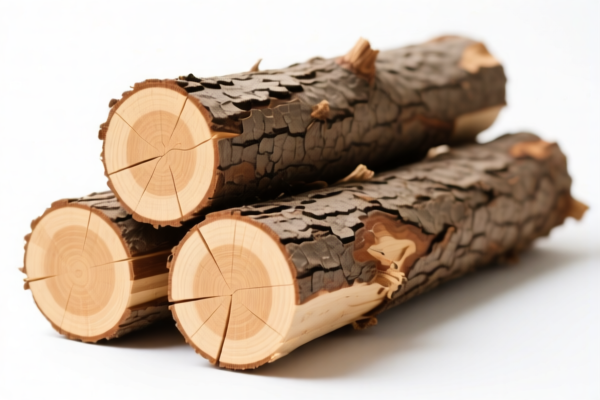
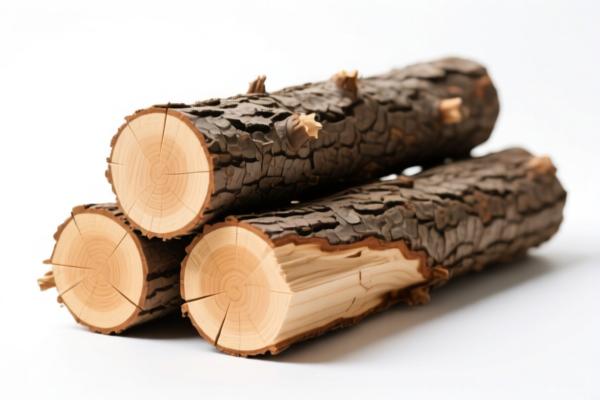
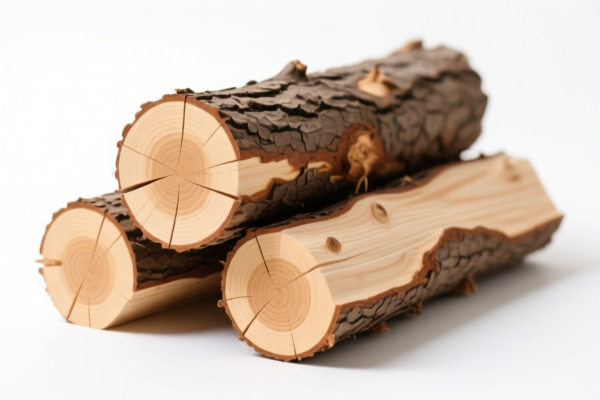
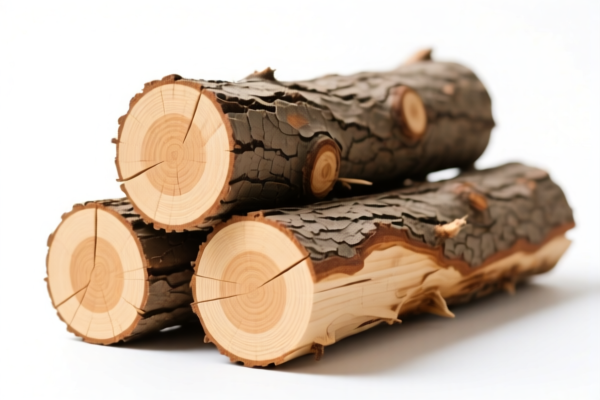
AI Analysis
🪵 Cork Logs for Construction (Softwood Building Materials)
🌐 HS Code Reference & Customs Clearance Guide | 2026 Latest Tariff Analysis | Professional Entry Strategies
📌 I. Product Definition & Classification: Do You Really Understand "Cork Logs"?
Cork Logs for Construction refer to building materials made from plant fibers/wood, specifically utilizing cork. In international trade, these are classified based on their physical form (plates, blocks, tiles) and their primary construction application.
Key Distinction:
- Raw/Processed Cork (4504): If the cork is in the form of loose granules, chips, or compressed blocks/plates used as insulation or filler materials.
- General Building Materials (6808): If the material is processed into specific building components or general construction articles, though cork typically falls under Chapter 45 due to its unique material nature.
⚠️ Critical Classification Point:
- If the product is cork in blocks, plates, sheets, or rods (even for construction) → It falls under HS 4504.
- If the product is misidentified as "other mineral building materials" or generic "wood products" without specifying cork → It may be incorrectly flagged under HS 6808 (if misclassified as other non-woody plant fiber boards) or 4400-4421 (if misidentified as timber).
- Correct Path: Since the material is Cork, HS 4504 is the most accurate primary classification for compressed cork boards/blocks. HS 6808 is included in the data as a potential fallback for "other plant fiber building materials" but is less precise for pure cork.
📦 II. HS Code Classification Details (2026 Latest Tariff Authority Comparison)
| HS Code | Product Description | Application Scenario | Material Type | Tax Rate (CN Origin) |
|---|---|---|---|---|
6808.00.00.00 |
Building materials, shape belongs to building materials boards/articles, material is plant fiber/wood. | General building materials, non-specific cork/plant fiber boards. | Plant Fiber/Wood | 35.0% |
4504.10.40.00 |
Cork building materials, matching material cork and basic form, inferred from construction use. | Cork boards, blocks, or plates specifically for construction. | Cork | 35.0% |
4504.10.30.00 |
Cork building materials, matching material cork and use, covering tiles, boards, blocks, etc. | Cork tiles, insulation boards, roofing shakes. | Cork | 35.0% |
🔍 Key Reminder:
- All three codes listed share the same total tax rate of 35.0%.
- HS 4504 is the most precise for cork products. HS 6808 is a broader category that may apply if the cork is mixed with other binders or classified as a generic plant fiber board.
- The distinction between4504.10.30and4504.10.40often lies in the specific shape or end-use application (e.g., tiles vs. general blocks/plates).
💰 III. 2026 Latest Tariff Rate Details (Including Surcharges & Policy Add-ons)
✅ Applicable Country: United States (US)
✅ Country of Origin: China (CN)
✅ Effective Time: From November 10, 2025 (including subsequent imports)
🎯 1. 6808.00.00.00 – Building Materials (Plant Fiber/Wood)
| Item | Content |
|---|---|
| Base Tariff | 0.0% (ad valorem) |
| Section 301 Surcharge | +25.0% |
| Section 122 Tariff | +10.0% |
| Total Tax Rate | 35.0% |
| Tax Calculation | CIF Value × 35% |
| De Minimis Exemption | ❌ Not Eligible (deny_de_minimis) |
| Legal Basis Path | Base: 0% → Section 301: 25% → Section 122: 10% |
📌 Explanation:
- "Base Tariff 0%": Standard Most Favored Nation (MFN) rate for many building materials.
- "Section 301 Surcharge 25%": Additional tariff imposed under U.S. Trade Act Section 301 against Chinese goods.
- "Section 122 Tariff 10%": Additional tariff under Section 122 of the Trade Expansion Act (national security/import surge provisions).
- Total 35%: This is a high tariff rate, significantly impacting cost competitiveness. Must be factored into pricing strategies.
🎯 2. 4504.10.40.00 – Cork Building Materials (Cork Form/Use)
| Item | Content |
|---|---|
| Base Tariff | 0.0% |
| Section 301 Surcharge | +25.0% |
| Section 122 Tariff | +10.0% |
| Total Tax Rate | 35.0% |
| Tax Calculation | CIF Value × 35% |
| De Minimis Exemption | ❌ Not Eligible |
| Legal Basis Path | Base: 0% → Section 301: 25% → Section 122: 10% |
📌 Note:
- Same tax structure as HS 6808.
- Even if classified under cork-specific subheadings, the trade remedy tariffs apply equally.
🎯 3. 4504.10.30.00 – Cork Building Materials (Tiles, Boards, Blocks)
| Item | Content |
|---|---|
| Base Tariff | 0.0% |
| Section 301 Surcharge | +25.0% |
| Section 122 Tariff | +10.0% |
| Total Tax Rate | 35.0% |
| Tax Calculation | CIF Value × 35% |
| De Minimis Exemption | ❌ Not Eligible |
| Legal Basis Path | Base: 0% → Section 301: 25% → Section 122: 10% |
📌 Important:
- Whether it is cork tiles, insulation boards, or raw cork blocks, the tax burden is identical.
- The focus should be on accurate material description to avoid customs delays, not on finding a lower tax rate within these codes.
🛠️ IV. Customs Clearance Practical Advice (Real-World Pitfall Guide)
✅ 1. Preparation Checklist (All Required)
| Document | Must Provide | Description |
|---|---|---|
| ✅ Product Specification Sheet | ✔️ | Details on cork type, density, dimensions, compression level. |
| ✅ Material Composition | ✔️ | Confirm 100% cork or cork-bound material. Essential for HS 4504 vs. 6808. |
| ✅ Product Photos | ✔️ | Clear images of the logs/blocks, showing texture and labeling. |
| ✅ Commercial Invoice | ✔️ | Clearly state "Cork Logs for Construction" and HS Code. |
| ✅ Packing List | ✔️ | Indicate gross/net weight, number of packages. |
| ✅ Certificate of Origin (CO) | ✔️ | Required for origin verification. |
✅ 2. Declaration Tips (Key Mantra)
🔥 “Cork is Key, Form Matters, Section 301 is Real, 35% is the Price!”
| Scenario | Correct Declaration | Wrong Practice |
|---|---|---|
| Cork Blocks/Plates | HS 4504.10.30.00 or 4504.10.40.00 |
Misdeclare as "Wood Logs" → Potential penalties. |
| Mixed Plant Fiber Board | HS 6808.00.00.00 |
Claim as "Pure Cork" if it contains binders. |
| Small Samples (De Minimis) | ❌ Do Not Use | Try to ship under $800 → Denied, taxed at 35%. |
| Cork for Decorative Use | Still HS 4504 |
Misdeclare as "Art" → High risk of audit. |
✅ 3. Special Cases Handling
| Situation | Recommendation |
|---|---|
| Cork Mixed with Rubber | May fall under different HS codes. Provide composition ratio. |
| Pre-Fabricated Cork Panels | Ensure description includes "Building Material" or "Insulation." |
| Origin: Non-China | If sourced from Portugal, Spain, or Morocco, 301/122 tariffs may not apply. Seek Tariff Engineering or Exclusion if available. |
| Value < $800 | Do not use de minimis. Even small shipments are subject to full 35% tariff. |
🌍 V. Global Main Market Clearance Comparison (2026 Latest)
| Country/Region | Recommended HS Code | Tariff (CN Origin) | Certification Requirements | Notes |
|---|---|---|---|---|
| 🇺🇸 United States | 4504.10.30.00 / 6808.00.00.00 |
35% (0% Base + 25% Sec 301 + 10% Sec 122) | No special certs | High tariff barrier. |
| 🇨🇳 China | 4504.10.30.00 |
0-5% | None | Low entry barrier. |
| 🇪🇺 EU | 4504.10.30.00 |
0% | CE (if applicable), REACH | No anti-dumping on cork. |
| 🇬🇧 UK | 4504.10.30.00 |
0% | UKCA | Post-Brexit alignment with EU. |
| 🇦🇺 Australia | 4504.10.30.00 |
5% | None | Moderate tariff. |
📌 Conclusion:
- USA is the only major market with punitive tariffs (35%) on Chinese cork construction materials.
- EU and other markets are tariff-friendly. Consider diversifying supply chains to Portugal, Spain, or North Africa to avoid US tariffs.
📌 VI. Common Errors & Pitfalls (Lessons Learned)
❌ Error 1: Declaring "Cork Logs" as "Wood Logs" (HS 4403)
👉 Consequence: Misclassification, potential 25%+ anti-dumping duties on wood, plus 301 tariffs.
❌ Error 2: Ignoring Section 122 Tariff
👉 Consequence: Customs calculates only 25%, underpayment, leads to penalties and seizure.
❌ Error 3: Assuming Small Shipments are Tax-Free
👉 Consequence: De Minimis does NOT apply to goods subject to Section 301/122. Full 35% tax applies.
❌ Error 4: Vague Description "Building Material"
👉 Consequence: Customs may classify under worst-case scenario (e.g., generic manufactured goods), leading to delays and audits.
✅ Correct Practice:
"Cork Boards, Compressed, for Construction Insulation, Material: Pure Cork, HS Code: 4504.10.40.00, Origin: China"
🎯 VII. Conclusion: Professional Declaration, Save Money, Avoid Risk!
🎯 Remember the Mantra:
🔹 "Cork is 4508, Building is 6808, 35% is the Total Rate!"
🔹 "Section 301 + 122 = 35%, No De Minimis, Plan Ahead!"
📌 Pro Tip:
If your cork is sourced from Portugal, Spain, or Morocco, you MAY qualify for 0% tariff under US trade rules (as these countries are not subject to Section 301/122).
Action: Apply for a Certificate of Origin from non-China sources to eliminate the 35% tariff burden.
📣 Immediate Action:
📞 Consult a Customs Broker + Provide Product Specs + Verify Origin
🚀 Optimize Supply Chain, Avoid Tariffs, Boost Margins!
✨ Professional Customs Clearance Starts with Accurate Classification!
💼 Every Cent of Cost, Worth Precise Calculation!
Customer Reviews
About HS Code Classification
The Harmonized System (HS) is an internationally standardized nomenclature developed by the World Customs Organization (WCO) to classify traded products. Over 200 countries use the HS system as the basis for customs tariffs, trade statistics, and import/export regulations.
Each HS code follows a hierarchical structure:
- Chapter (2 digits) — Broad category of goods (e.g., Chapter 84: Machinery and Mechanical Appliances)
- Heading (4 digits) — More specific grouping within the chapter
- Subheading (6 digits) — Internationally standardized breakdown, used by all WCO member countries
- National subdivisions (8-10 digits) — Country-specific extensions for further classification, such as US HTSUS 10-digit codes
Correct HS code classification is essential for smooth customs clearance, accurate duty payment, and compliance with trade regulations. Misclassification can lead to customs delays, overpayment of duties, or penalties.
When importing from CN to US, the applicable tariff rates may include:
- Most-Favored-Nation (MFN) rate — The standard duty rate applied to WTO members
- General rate — Applied to countries without trade agreements
- Trade remedy duties — Additional tariffs such as Section 301 (anti-dumping), Section 232 (national security), or countervailing duties
The information provided on this page is for reference purposes only. For official classification, please consult with your local customs authority or a licensed customs broker.