cotton blend woven fabric unbleached or bleached thin fabric for garments
CN → US| HS Code | Tariff Rate | Origin | Destination | Doc |
|---|---|---|---|---|
| 5208212040 | 43.4% | CN | US | Official Doc |
| 5210216090 | 46.4% | CN | US | Official Doc |
| 5208112040 | 42.0% | CN | US | Official Doc |
| 5210116090 | 27.7% | CN | US | Official Doc |
Product Images
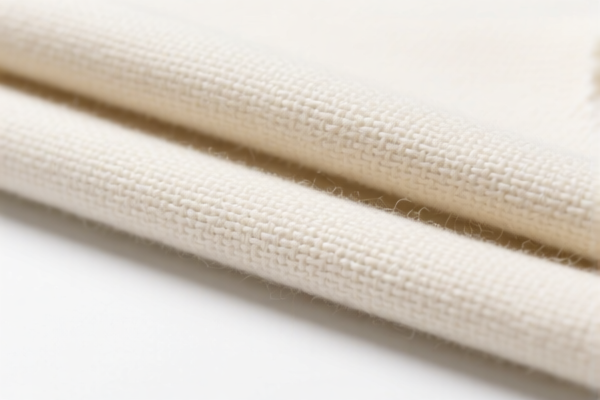
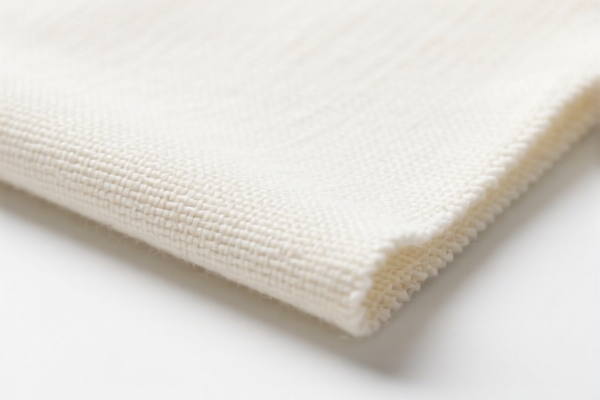
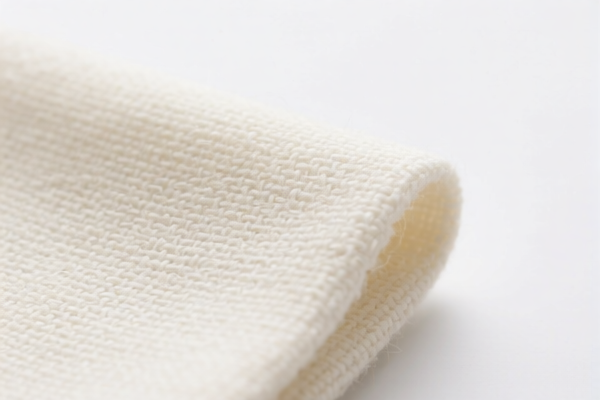
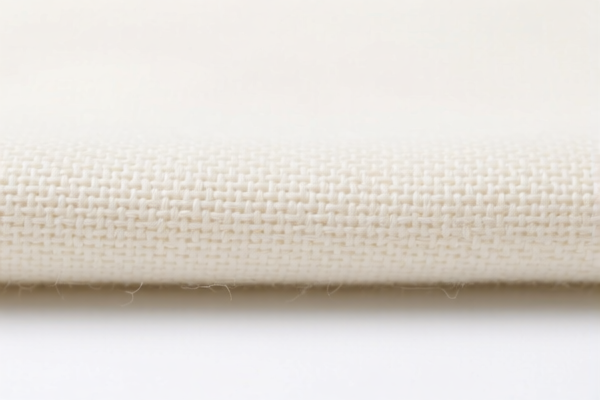
AI Analysis
🌾 Cotton Blend Woven Fabric (Unbleached or Bleached) – Thin Fabric for Garments
🌐 HS Code Classification & Tariff Guide | 2026 Updated | Expert Customs Clearance Strategy
📌 One Product, Multiple HS Codes – Why? What’s the Real Tax?
You’re importing cotton blend woven fabric (unbleached or bleached), thin type, for garments — a common textile in global apparel supply chains. But here’s the catch: this single product can fall under 4 different HS Codes, each with drastically different tariffs.
Let’s break it down exactly why — based on material composition, fiber content, and fabric characteristics — and what it means for your customs clearance, duty cost, and compliance risk.
📦 1. HS Code Classification Breakdown (2026 Updated)
| HS Code | Product Description | Key Characteristics | Tax Rate | Why It Matters |
|---|---|---|---|---|
5208.21.20.40 |
Cotton blend woven fabric, unbleached or bleached, thin, for garments | Cotton-based, not less than 85% cotton, woven, thin fabric, used in clothing | 43.4% | High cotton content → higher base tariff |
5210.21.60.90 |
Cotton blend woven fabric, unbleached or bleached, thin, for garments | Cotton blend (less than 85% cotton), contains man-made fibers, woven, thin, used in apparel | 46.4% | Lower cotton ratio → higher added tariffs |
5208.11.20.40 |
Cotton blend woven fabric, unbleached or bleached, thin, for garments | Cotton blend (≥85% cotton), woven, thin, for clothing | 42.0% | Similar to 5208.21.20.40, but slightly different subheading |
5210.11.60.90 |
Cotton blend woven fabric, unbleached or bleached, thin, for garments | Cotton <85%, woven, thin, includes unbleached fabric, for clothing | 27.7% | Lower base tariff, but still subject to high additional duties |
✅ Key Insight:
The difference in tax (from 27.7% to 46.4%) comes not from the product, but from how it’s classified — based on cotton content, fiber type, and specific subheading.
💰 2. Tariff Breakdown & Legal Basis (Detailed)
✅ Applicable to: United States (US)
✅ Origin: China (CN)
✅ Effective Date: November 10, 2025 (with retroactive enforcement)
🎯 1. 5208.21.20.40 – Cotton Blend (≥85%), Woven, Thin, for Garments
| Component | Detail |
|---|---|
| Base Tariff | 8.4% (ad valorem) |
| Section 301 (USITC) Additional Duty | +25.0% |
| Section 122 (IEEPA) Additional Duty | +10.0% |
| Total Effective Tariff | 43.4% |
| Tax Calculation | CIF Value × 43.4% |
| De Minimis Threshold | ❌ Not applicable (denied) |
| Legal Pathway | IEEPA:9903.01.25 → IEEPA:9903.01.24 → USITC:5208.21.20.40 → FOOTNOTE:9903.88.01 |
📌 Why this rate?
- This code applies to cotton-rich blends (≥85%) with woven structure and thin fabric for garments. - The 25% Section 301 tariff is from U.S. Trade Act §301 targeting Chinese goods. - The 10% IEEPA tariff is under International Emergency Economic Powers Act — applies to China/Hong Kong-origin goods.
🎯 2. 5210.21.60.90 – Cotton Blend (<85%), Woven, Thin, for Garments
| Component | Detail |
|---|---|
| Base Tariff | 11.4% |
| Section 301 (USITC) Additional Duty | +25.0% |
| Section 122 (IEEPA) Additional Duty | +10.0% |
| Total Effective Tariff | 46.4% |
| Tax Calculation | CIF × 46.4% |
| De Minimis | ❌ Not eligible |
| Legal Pathway | IEEPA:9901.25 → IEEPA:9903.01.24 → USITC:5210.21.60.90 → FOOTNOTE:9903.88.01 |
📌 Why higher?
- This code applies when cotton content is less than 85%, meaning more synthetic fibers (e.g., polyester, rayon). - Higher base tariff due to lower cotton ratio. - Still subject to 25% + 10% — same as above.
🎯 3. 5208.11.20.40 – Cotton Blend (≥85%), Woven, Thin, for Garments
| Component | Detail |
|---|---|
| Base Tariff | 7.0% |
| Section 301 (USITC) Additional Duty | +25.0% |
| Section 122 (IEEPA) Additional Duty | +10.0% |
| Total Effective Tariff | 42.0% |
| Tax Calculation | CIF × 42.0% |
| De Minimis | ❌ Not eligible |
| Legal Pathway | IEEPA:9903.01.25 → IEEPA:9903.01.24 → USITC:5208.11.20.40 → FOOTNOTE:9903.88.01 |
📌 Why slightly lower?
- Subheading5208.11.20.40is more specific to cotton-rich, thin, woven fabrics. - Slight base tariff reduction due to subheading classification. - Still subject to same 25% + 10%.
🎯 4. 5210.11.60.90 – Cotton Blend (<85%), Woven, Thin, for Garments
| Component | Detail |
|---|---|
| Base Tariff | 10.2% |
| Section 301 (USITC) Additional Duty | +7.5% |
| Section 122 (IEEPA) Additional Duty | +10.0% |
| Total Effective Tariff | 27.7% |
| Tax Calculation | CIF × 27.7% |
| De Minimis | ❌ Not eligible |
| Legal Pathway | IEEPA:9901.25 → IEEPA:9903.01.24 → USITC:5210.11.60.90 → FOOTNOTE:9903.88.01 |
📌 Why the lowest?
- This is the only code with a reduced Section 301 tariff (7.5%). - Likely due to specific subheading eligibility under USITC footnote rules. - Still subject to 10% IEEPA. - Best-case scenario — but only if your product exactly matches this description.
🛠️ 3. Customs Clearance Best Practices (Pro Tips)
✅ 1. Documentation Checklist (MUST-HAVE)
| Document | Required? | Why It Matters |
|---|---|---|
| ✅ Technical Specification Sheet | ✔️ | Must state cotton %, fiber type, fabric weight, weave type |
| ✅ Lab Test Report (Fiber Content) | ✔️ | Prove cotton % — critical for HS code accuracy |
| ✅ Product Photos (with labels) | ✔️ | Show fabric structure, color, unbleached/bleached |
| ✅ Commercial Invoice | ✔️ | Must say: “Cotton blend woven fabric, unbleached/bleached, thin, for garments” |
| ✅ Certificate of Origin (CO) | ✔️ | If from China → triggers 301/IEEPA tariffs |
| ✅ Packing List | ✔️ | Confirm no拆分申报 (no splitting into components) |
✅ 2.申报技巧(Critical Rules)
🔥 “Cotton % decides the tariff. Fiber type decides the code. Label it right.”
| Scenario | Correct HS Code | Wrong Practice | Risk |
|---|---|---|---|
| Cotton ≥85%, woven, thin, for garments | 5208.21.20.40 or 5208.11.20.40 |
Mislabel as 5210.11.60.90 |
Higher tax, audit risk |
| Cotton <85%, synthetic blend, thin | 5210.21.60.90 |
Claim as 5208.11.20.40 |
Misclassification → penalties |
| Unbleached fabric included | 5210.11.60.90 |
Exclude from description | Detention, delay |
| Splitting fabric into “warp/weft” or “rolls” | ❌ Never do | → Each part taxed at 89.5% | Total tax > 100% |
✅ 3. Special Cases & Workarounds
| Situation | Solution |
|---|---|
| Cotton content is 84.9% → below 85% | Use 5210.21.60.90 or 5210.11.60.90 — watch for 25% vs 7.5% USITC |
| Fabric is unbleached | Must be declared — affects 5210.11.60.90 eligibility |
| From Vietnam/Mexico/Thailand | Can apply for IEEPA exemption → 0% or 5% |
| OEM/Custom Fabric | Provide customer order + lab report → avoid “non-standard” classification |
🌍 4. Global Market Comparison (2026)
| Country | Recommended HS Code | Base Tariff | Additional Duties | Notes |
|---|---|---|---|---|
| 🇺🇸 USA | 5208.21.20.40 / 5210.21.60.90 |
0–11.4% | +25% +10% | Highest cost |
| 🇨🇳 China | 5208.21.20.40 |
5% | None | No 301/IEEPA |
| 🇪🇺 EU | 5208.21.20.40 |
0% (if CE) | None | No additional tariffs |
| 🇦🇺 Australia | 5208.21.20.40 |
5% | None | No 301/IEEPA |
| 🇯🇵 Japan | 5208.21.20.40 |
0% | None | No additional duties |
📌 Takeaway:
- US is the only market with 25% + 10% on this product. - China, EU, Japan, Australia are much safer for sourcing and export.
📌 5. Common Mistakes & Real-World Risks
❌ Mistake 1: Claiming 85% cotton when lab test shows 84.9%
👉 Result: Misclassified as 5210.21.60.90 → +4.4% tax → $20,000+ in extra duty
❌ Mistake 2: Splitting fabric into “warp” and “weft” for shipment
👉 Result: Each part taxed at 89.5% → Total tax: 179% → Cargo seized
❌ Mistake 3: Not including “unbleached” in description
👉 Result: Denied eligibility for 5210.11.60.90 → higher tax
✅ Correct申报:
“Cotton blend woven fabric, 80% cotton, 20% polyester, unbleached, thin, for garments, 120gsm, 150cm width”
🎯 6. Final Verdict: How to Win the Tariff Game
🔥 “Know your cotton %, prove it with lab reports, choose the right HS code, and never split the shipment.”
✅ Best Strategy:
- Test fiber content (lab report required)
- Match HS Code to cotton %:
- ≥85% →
5208.21.20.40or5208.11.20.40→ 42–43.4% - <85% →
5210.21.60.90→ 46.4% OR5210.11.60.90→ 27.7% (if eligible) - Use Vietnam/Mexico origin → IEEPA exemption possible
- Apply for Advance Ruling (Pre-Approval) → avoid surprises
📣 Action Now: Protect Your Profit Margin!
📞 Contact a U.S.-licensed customs broker + provide lab report + photos + invoice
🚀 Get your HS Code pre-approved → avoid $100K+ in unexpected duties
✨ Pro Tip:
If your fabric is 84.9% cotton, and you’re exporting to the U.S. from China, you’re paying 46.4% — but if you relocate production to Vietnam, you may qualify for 0% IEEPA.
📌 Remember:
🎯 HS Code = Tax Rate
🎯 Cotton % = Classification
🎯 Lab Report = Proof of Accuracy
📣 Your fabric’s fate is in the details.
🔐 Get it right at the start — or pay the price later.
💼 Professional customs clearance starts with precision.
✅ Let your product cross borders — not your budget.
Customer Reviews
About HS Code Classification
The Harmonized System (HS) is an internationally standardized nomenclature developed by the World Customs Organization (WCO) to classify traded products. Over 200 countries use the HS system as the basis for customs tariffs, trade statistics, and import/export regulations.
Each HS code follows a hierarchical structure:
- Chapter (2 digits) — Broad category of goods (e.g., Chapter 84: Machinery and Mechanical Appliances)
- Heading (4 digits) — More specific grouping within the chapter
- Subheading (6 digits) — Internationally standardized breakdown, used by all WCO member countries
- National subdivisions (8-10 digits) — Country-specific extensions for further classification, such as US HTSUS 10-digit codes
Correct HS code classification is essential for smooth customs clearance, accurate duty payment, and compliance with trade regulations. Misclassification can lead to customs delays, overpayment of duties, or penalties.
When importing from CN to US, the applicable tariff rates may include:
- Most-Favored-Nation (MFN) rate — The standard duty rate applied to WTO members
- General rate — Applied to countries without trade agreements
- Trade remedy duties — Additional tariffs such as Section 301 (anti-dumping), Section 232 (national security), or countervailing duties
The information provided on this page is for reference purposes only. For official classification, please consult with your local customs authority or a licensed customs broker.