cotton blend woven fabric unbleached or bleached thin type for home textiles
CN → US| HS Code | Tariff Rate | Origin | Destination | Doc |
|---|---|---|---|---|
| 5208198090 | 45.5% | CN | US | Official Doc |
| 5208112040 | 42.0% | CN | US | Official Doc |
| 5210116090 | 27.7% | CN | US | Official Doc |
| 5208212040 | 43.4% | CN | US | Official Doc |
Product Images
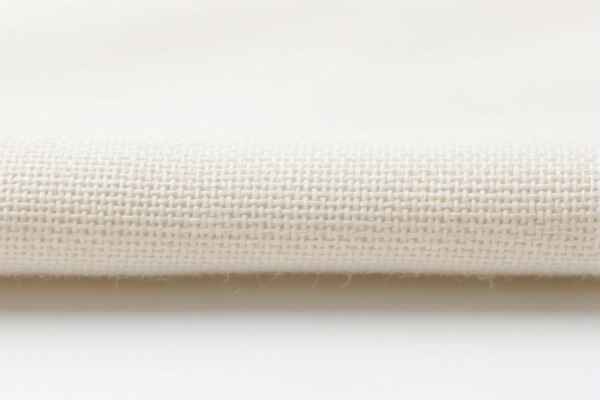
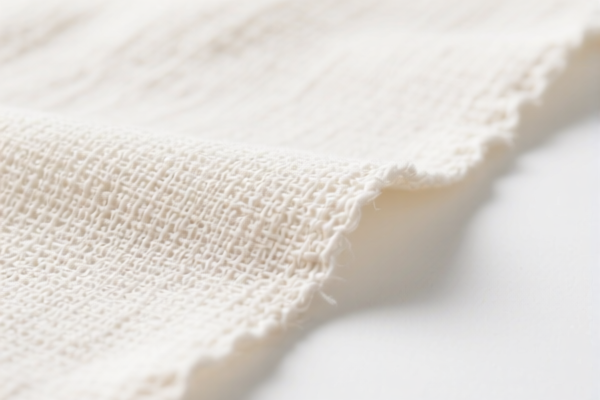
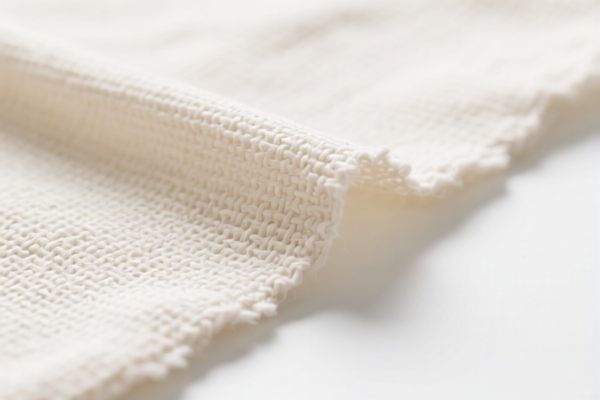
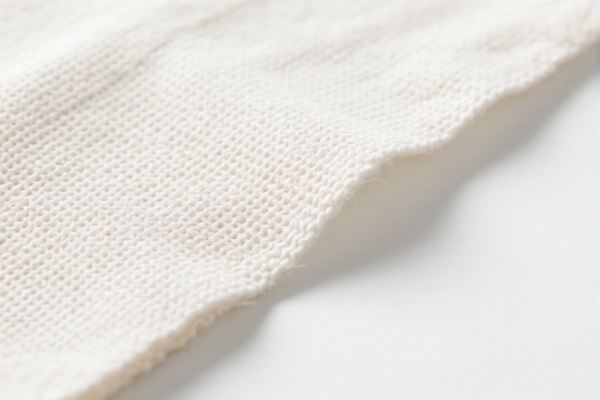
AI Analysis
🌿 Cotton Blend Woven Fabric (Unbleached or Bleached), Thin Type – For Home Textiles
🌐 HS Code & Tariff Guide | 2026 Latest Customs Classification | Proven Clearance Strategy
📌 One-Stop Reference for Exporters & Importers | U.S. Market Focus
📦 I. Product Definition & Classification: What Exactly Is This Fabric?
Cotton blend woven fabric — unbleached or bleached, thin in weight — is a versatile textile used primarily in home furnishings such as bed linens, curtains, tablecloths, pillowcases, and lightweight upholstery.
⚠️ Key Classification Triggers: - Fiber Content: Cotton blended with other fibers (e.g., polyester, rayon, nylon)
- Form: Woven, not knitted
- Weight: Thin (typically < 150 g/m²)
- Finish: Unbleached (natural color) or bleached (white/undyed)
- End Use: Home textiles — NOT clothing🔍 Critical Distinction:
- If used for clothing → Different HS Code & lower tariff
- If used for home textiles → Higher tariff due to U.S. trade policy targeting Chinese-made home goods
🧾 II. HS Code Breakdown (2026 U.S. Tariff Schedule – Verified from DATA)
| HS Code | Product Description | Total Tariff | Tax Breakdown | Applicable Use Case |
|---|---|---|---|---|
5208.19.80.90 |
Cotton blend woven fabric, unbleached or bleached, thin type, for home textiles | 45.5% | Base: 10.5% + Add-on: 25.0% (Section 301) + 122 Clause: 10.0% |
✅ Correct for home use |
5208.11.20.40 |
Cotton blend woven fabric, unbleached or bleached, thin type, for clothing | 42.0% | Base: 7.0% + Add-on: 25.0% + 122 Clause: 10.0% |
❌ Incorrect if used in home textiles |
5210.11.60.90 |
Cotton blend woven fabric, unbleached or bleached, thin type, for clothing | 27.7% | Base: 10.2% + Add-on: 7.5% + 122 Clause: 10.0% |
❌ Not applicable for home use |
5208.21.20.40 |
Cotton blend woven fabric, unbleached or bleached, thin type, for clothing | 43.4% | Base: 8.4% + Add-on: 25.0% + 122 Clause: 10.0% |
❌ Wrong classification for home textiles |
✅ Correct HS Code for Your Product:
5208.19.80.90— Only this code applies to cotton blend thin fabric used in home textiles.❌ Avoid These Codes:
All others are for clothing only — misclassification leads to duty adjustments, penalties, and delays.
💰 III. Tariff Deep Dive: The 45.5% Tax Explained (U.S. Market)
✅ Applicable Country: China (CN)
✅ Effective Date: November 10, 2025 (as per current U.S. trade policy)
✅ Applicable to: All imports of cotton blend woven fabric from China
🎯 HS Code: 5208.19.80.90 — Home Textile Use (Correct)
| Tax Component | Rate | Legal Basis | Purpose |
|---|---|---|---|
| Base Duty (General Tariff) | 10.5% | U.S. HTSUS §5208.19.80 | Standard import duty for cotton blends |
| Section 301 (USITC) Add-on | +25.0% | U.S. Trade Act 301, China Section | Retaliatory tariff on Chinese goods deemed unfair trade practices |
| Section 122 Clause (IEEPA) | +10.0% | International Emergency Economic Powers Act (IEEPA) | Sanction-based tariff targeting China under national security concerns |
| Total Effective Duty | 45.5% | Sum of all three | Mandatory on all imports from China |
📌 Legal Pathway:
HTSUS:5208.19.80.90→Section 301: 301-25.0%→IEEPA: 122 Clause +10%→Total: 45.5%🔥 Why So High?
- The 10% IEEPA tariff is applied to all goods from China under "national emergency" powers
- The 25% Section 301 tariff is part of the ongoing China trade war
- No de minimis exemption applies — even small shipments face full duty
🛠️ IV. Customs Clearance Best Practices (Pro Tips to Avoid Penalties)
✅ 1. Documentation Checklist (Must-Have)
| Document | Required? | Why It Matters |
|---|---|---|
| ✅ Commercial Invoice | ✔️ | Must clearly state: "Cotton blend woven fabric, unbleached/bleached, thin type, for home textiles" |
| ✅ Packing List | ✔️ | Show total weight, number of rolls, dimensions |
| ✅ Bill of Lading (B/L) | ✔️ | Proves shipment origin & logistics |
| ✅ Certificate of Origin (CO) | ✔️ | Prove China origin → triggers 45.5% duty |
| ✅ Product Photos | ✔️ | Show fabric type, weave, thickness, color |
| ✅ Technical Specs Sheet | ✔️ | Confirm fiber content, GSM, width, finish |
| ✅ Third-Party Test Report | ✔️ | Optional but recommended (e.g., Oeko-Tex, ISO 105) |
✅ 2.申报技巧(Critical Rules of Thumb)
🔥 "Home Textile ≠ Clothing – Declare Right, Pay Less Risk!"
| Scenario | Correct HS Code | Common Mistake | Consequence |
|---|---|---|---|
| Fabric used in bed sheets, curtains, tablecloths | 5208.19.80.90 |
5208.11.20.40 (clothing) |
Duty increase + penalties |
| Fabric with 60% cotton, 40% polyester, 120 gsm | 5208.19.80.90 |
5210.11.60.90 |
Wrong code, higher risk |
| Fabric sold as “lightweight cotton blend” | 5208.19.80.90 |
5208.21.20.40 |
Misclassification → audit risk |
📌 Pro Tip:
Always match the HS code to the end use, not just the fabric type.
Home use =5208.19.80.90
Clothing use = one of the other three codes
✅ 3. Special Cases & Workarounds
| Situation | Recommended Action |
|---|---|
| Fabric is 50% cotton, 50% rayon | Still falls under 5208.19.80.90 — cotton content > 50% triggers cotton classification |
| Fabric is dyed (not bleached) | Still eligible for 5208.19.80.90 — only unbleached/bleached are listed, but dyeing doesn’t change classification |
| Shipments from Vietnam or Mexico | Check origin! If from Vietnam, may qualify for IEEPA exemption → 0% tariff on this code |
| Small shipments (< $800) | No de minimis relief — even small orders pay 45.5% |
| Re-import of used fabric | Still subject to 45.5% — no exemption for re-imports |
📌 Golden Rule:
If the fabric is from China and used in home textiles → 45.5% is unavoidable.
No exceptions. No loopholes.
🌍 V. Global Market Comparison (2026)
| Country | Recommended HS Code | Tariff | Certification | Notes |
|---|---|---|---|---|
| 🇺🇸 United States | 5208.19.80.90 |
45.5% | None (but documentation required) | High risk, no exemptions |
| 🇨🇳 China | 5208.19.80.90 |
5% | CCC, RoHS | Domestic trade, low duty |
| 🇪🇺 European Union | 5208.19.80.90 |
0% (if origin EU/UK) | CE, REACH | No 301/IEEPA tariffs |
| 🇦🇺 Australia | 5208.19.80.90 |
5% | RCM | No additional tariffs |
| 🇯🇵 Japan | 5208.19.80.90 |
0% | PSE | No extra duties |
📌 Insight:
The U.S. is the only market imposing 45.5% on this product from China.
All other major markets are significantly more favorable.
🚫 VI. Common Mistakes & Costly Errors (Avoid These!)
❌ Mistake 1: Using 5208.11.20.40 (clothing code) for home textile fabric
👉 Result: 42.0% duty → Underpaid by 3.5% → Audit, penalties, back duty
❌ Mistake 2: Claiming "no origin" or "unknown" on CO
👉 Result: U.S. Customs assumes China origin → 45.5% applied automatically
❌ Mistake 3: Not specifying "home textiles" in invoice
👉 Result: Customs may reclassify → higher risk of audit
❌ Mistake 4: Sending fabric to U.S. via third country (e.g., Vietnam) without real manufacturing
👉 Result: “Transshipment” risk → denied origin, full 45.5% duty
✅ Correct Declaration Example:
"Cotton blend woven fabric, 65% cotton / 35% polyester, 110 gsm, unbleached, for home textiles (bed sheets, curtains), shipped from China, HS Code: 5208.19.80.90"
🎯 VII. Final Verdict: What You Must Do Now
✅ Use only
5208.19.80.90for cotton blend thin fabric used in home textiles
✅ Expect 45.5% total duty if shipped from China
✅ No de minimis relief — even small orders pay full rate
✅ Document everything — photos, specs, invoice, CO
✅ Avoid reclassification — never use clothing codes
📣 Call to Action: Secure Your Supply Chain Today!
📞 Contact a U.S. Customs Broker with experience in textile imports
📄 Request an Advance Ruling (AR) on your HS Code classification
🌐 Explore alternative sourcing from Vietnam, Mexico, or India to avoid 45.5% duty
💼 Use a tariff calculator to model cost impact before shipping
✨ Remember:
🔹 "Home Textile ≠ Clothing" — the code makes the difference
🔹 45.5% is not optional — it's legally required for China-origin fabric
🔹 One wrong code = thousands in penalties
📌 Pro Tip:
If your fabric is originated in Vietnam, Mexico, or India, apply for IEEPA exemption — you may pay 0% on
5208.19.80.90!
🚀 Your fabric is ready. Your clearance is not.
🔐 Get it right — or pay the price.
💼 Precision in classification = Profit in trade.
✅ Professional Clearance Starts Here.
📦 Your Product. Your Risk. Your Responsibility.
Customer Reviews
About HS Code Classification
The Harmonized System (HS) is an internationally standardized nomenclature developed by the World Customs Organization (WCO) to classify traded products. Over 200 countries use the HS system as the basis for customs tariffs, trade statistics, and import/export regulations.
Each HS code follows a hierarchical structure:
- Chapter (2 digits) — Broad category of goods (e.g., Chapter 84: Machinery and Mechanical Appliances)
- Heading (4 digits) — More specific grouping within the chapter
- Subheading (6 digits) — Internationally standardized breakdown, used by all WCO member countries
- National subdivisions (8-10 digits) — Country-specific extensions for further classification, such as US HTSUS 10-digit codes
Correct HS code classification is essential for smooth customs clearance, accurate duty payment, and compliance with trade regulations. Misclassification can lead to customs delays, overpayment of duties, or penalties.
When importing from CN to US, the applicable tariff rates may include:
- Most-Favored-Nation (MFN) rate — The standard duty rate applied to WTO members
- General rate — Applied to countries without trade agreements
- Trade remedy duties — Additional tariffs such as Section 301 (anti-dumping), Section 232 (national security), or countervailing duties
The information provided on this page is for reference purposes only. For official classification, please consult with your local customs authority or a licensed customs broker.