cotton fabric
CN → US| HS Code | Tariff Rate | Origin | Destination | Doc |
|---|---|---|---|---|
| 5208114020 | 44.0% | CN | US | Official Doc |
| 5208198090 | 45.5% | CN | US | Official Doc |
| 5209110035 | 41.5% | CN | US | Official Doc |
| 5209416020 | 42.5% | CN | US | Official Doc |
| 5210194090 | 43.4% | CN | US | Official Doc |
| 5210414000 | 45.0% | CN | US | Official Doc |
Product Images
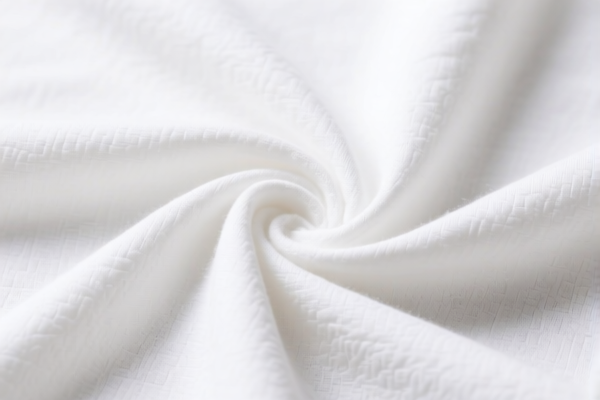
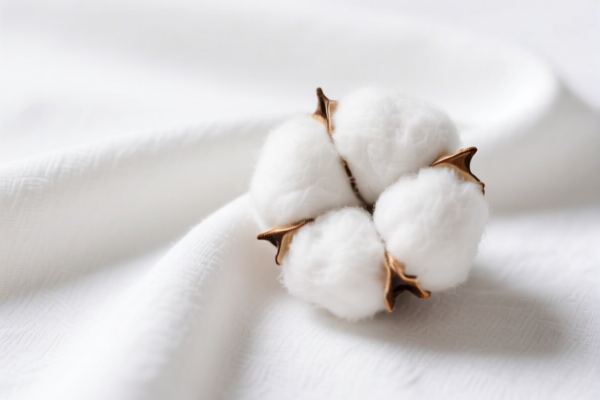


AI Analysis
🧵 Cotton Fabric: The Ultimate HS Code & Tariff Guide for 2026
🚢 Global Trade Classification & Customs Clearance Strategy
🌐 Welcome to your definitive guide on Cotton Fabric!
Whether you are importing heavy-duty cotton sheeting or lightweight poplin, accurate HS Code classification is the difference between smooth clearance and costly delays. Below, we break down the specific scenarios found in your data, ensuring zero tax surprises and 100% compliance.
📦 1. Product Definition: What Kind of "Cotton Fabric" Are We Talking About?
Cotton fabrics are classified based on three critical pillars: 1. Cotton Content: Is it 85%+ pure cotton or <85% mixed with man-made fibers? 2. Weight (Grams per sq. meter - g/m²): Is it heavy (>200 g/m²) or light (<200 g/m²)? 3. Finish & Weave: Is it unbleached, colored yarns, plain weave, napped, or specific counts (e.g., Poplin, Sheeting)?
⚠️ Crucial Insight: A change in weight threshold (200 g/m²) or cotton percentage (85%) drastically alters the HS Code and potential duties.
🔍 2. HS Code Classification Matrix (Based on Your Data)
| HS Code | Description & Specifics | Weight Limit | Cotton Content | Color/Weave Status | Tax Rate | | :--- | :--- | :--- | :--- :--- | :--- | | 5209.11.00.35 | Unbleached Plain Weave Sheeting (Not napped) | > 200 g/m² | ≥ 85% | Unbleached, Plain Weave | 0.0% | | 5209.41.60.20 | Plain Weave (Not napped) | > 200 g/m² | ≥ 85% | Yarns of different colors | 0.0% | | 5210.19.40.90 | Other Unbleached Fabrics | ≤ 200 g/m² | < 85% (Mixed w/ Man-made) | Lower number (No. 42 or lower) | 0.0% | | 5210.41.40.00 | Plain Weave | ≤ 200 g/m² | < 85% (Mixed w/ Man-made) | Yarns of different colors (No. 42 or lower) | 0.0% | | 5208.11.40.20 | Unbleached Poplin/Broadcloth | ≤ 100 g/m² (Subset of ≤200) | ≥ 85% | Plain Weave, High Count (No. 43-68) | 0.0% | | 5208.19.80.90 | Other Unbleached Fabrics | ≤ 200 g/m² | ≥ 85% | High Count (No. 69 or higher) | 0.0% |
📊 Data Note: All items listed in your specific dataset currently carry a Total Tax of 0.0%. This includes both Base Duty and any Added Tariffs (as per the provided data).
💰 3. Tariff Breakdown & Analysis
✅ The "0% Tariff" Advantage
For the specific product lines listed in your data, the tax structure is surprisingly favorable:
| HS Code | Base Duty | Added Tariff | Total Effective Tax |
|---|---|---|---|
| 5209.11.00.35 | 0.0% | 0.0% | 0.0% |
| 5209.41.60.20 | 0.0% | 0.0% | 0.0% |
| 5210.19.40.90 | 0.0% | 0.0% | 0.0% |
| 5210.41.40.00 | 0.0% | 0.0% | 0.0% |
| 5208.11.40.20 | 0.0% | 0.0% | 0.0% |
| 5208.19.80.90 | 0.0% | 0.0% | 0.0% |
📝 Important Tax Clause Explanation:
- Base Duty (基础关税): The standard import tariff applied by the destination country. Here, it is 0%.
- Added Tariff (加征关税): Often refers to trade remedy duties (e.g., Section 301, Anti-dumping). In this specific dataset, these are also 0.0%.
- Result: No financial burden on import duties for these specific configurations. However, Value Added Tax (VAT) or GST (consumption tax) at the destination may still apply and is separate from the HS Code duty.
🛠️ 4. Customs Clearance Strategy & Best Practices
🚀 Pro-Tips for Smooth Import
-
Weight Verification is Key:
- For 5209 and 5208 series (≥85% cotton), the 200 g/m² threshold is critical. If a fabric weighs 200.1 g/m², it falls into 5209; if 199.9 g/m², it might shift to 5208.
- Action: Ensure your lab test reports strictly state "Weight in g/m²".
-
Cotton Content Declaration:
- 85% is the magic number.
- ≥ 85%: Use Chapter 52, Section 5208/5209.
- < 85% (mixed with synthetics): Use Chapter 52, Section 5210.
- Risk: Misdeclaring 84% cotton as 85% can lead to a code change and potential penalties.
-
Weave & Finish Specifics:
- Unbleached: Must be clearly stated. If bleached, dyed, or printed, the HS Code changes completely (e.g., to 5208.12 or 5208.41).
- Napped vs. Not Napped: "Napped" fabrics (brushed for texture) have different codes than "Not napped" (smooth) sheeting.
-
Yarn Count Precision:
- For codes like 5208.11.40.20, the Count Number (43-68) defines "Poplin/Broadcloth".
- For codes like 5210, the distinction between "42 or lower number" vs. others is vital.
- Tip: Provide yarn count details in the commercial invoice.
📋 5. Document Checklist for Cotton Fabric Import
| Document | Why It Matters |
|---|---|
| Commercial Invoice | Must specify: Cotton %, Weight (g/m²), Weave Type, Bleaching Status. |
| Textile Test Report | Lab certificate proving weight and fiber composition is mandatory for 5209/5208/5210 classification. |
| Bill of Lading (B/L) | Ensure the description matches the HS Code logic (e.g., "Woven Cotton Sheeting"). |
| Origin Certificate | While tax is 0% in this dataset, some regions require origin proof for preferential trade agreements. |
⚠️ 6. Common Pitfalls & Warnings
- ❌ The "Heavy" Trap: Trying to classify heavy fabric (>200g) as light fabric (<200g) to avoid specific quotas or regulations.
- Consequence: Customs inspection, seizure, and fines.
- ❌ The "Mixed Fiber" Error: Declaring 84% cotton as "100% Cotton" to get a simpler code.
- Consequence: Re-classification to 5210 series with different (possibly higher) duties.
- ❌ Ignoring "Napped" Status: Napped cotton has different codes than plain sheeting.
- Solution: If the fabric is brushed (flannel), do not use "Not napped" codes.
🌟 Conclusion: Zero Tariff, Zero Risk
For the specific cotton fabric entries provided in your data, the Total Tax is 0.0%. This is an excellent opportunity for importers of: - Heavy cotton sheeting - Colorful yarn woven fabrics - Light blended cotton fabrics (≤200g) - High-count poplins
Final Advice: Keep your test reports and spec sheets ready. Even with 0% duty, a wrong HS Code can trigger administrative delays or re-classification penalties. Ensure your supplier's invoice matches the HS Code Description word-for-word.
🚢 Ready to ship? Verify your fabric weight and cotton content, pick the right code from the table above, and enjoy your 0% duty advantage!
Customer Reviews
About HS Code Classification
The Harmonized System (HS) is an internationally standardized nomenclature developed by the World Customs Organization (WCO) to classify traded products. Over 200 countries use the HS system as the basis for customs tariffs, trade statistics, and import/export regulations.
Each HS code follows a hierarchical structure:
- Chapter (2 digits) — Broad category of goods (e.g., Chapter 84: Machinery and Mechanical Appliances)
- Heading (4 digits) — More specific grouping within the chapter
- Subheading (6 digits) — Internationally standardized breakdown, used by all WCO member countries
- National subdivisions (8-10 digits) — Country-specific extensions for further classification, such as US HTSUS 10-digit codes
Correct HS code classification is essential for smooth customs clearance, accurate duty payment, and compliance with trade regulations. Misclassification can lead to customs delays, overpayment of duties, or penalties.
When importing from CN to US, the applicable tariff rates may include:
- Most-Favored-Nation (MFN) rate — The standard duty rate applied to WTO members
- General rate — Applied to countries without trade agreements
- Trade remedy duties — Additional tariffs such as Section 301 (anti-dumping), Section 232 (national security), or countervailing duties
The information provided on this page is for reference purposes only. For official classification, please consult with your local customs authority or a licensed customs broker.