cotton handbag breathable
CN → US| HS Code | Tariff Rate | Origin | Destination | Doc |
|---|---|---|---|---|
| 6305200000 | 23.7% | CN | US | Official Doc |
| 4202224020 | 42.4% | CN | US | Official Doc |
| 6305900000 | 23.7% | CN | US | Official Doc |
| 4202228930 | 52.6% | CN | US | Official Doc |
| 4202329100 | 52.6% | CN | US | Official Doc |
Product Images
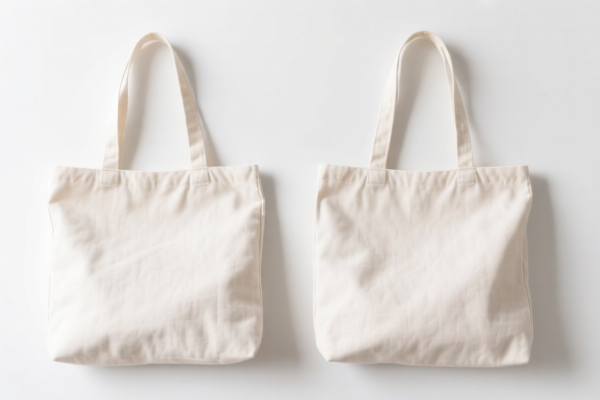
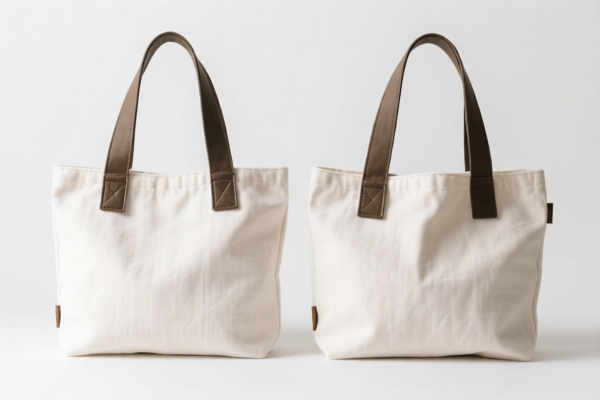
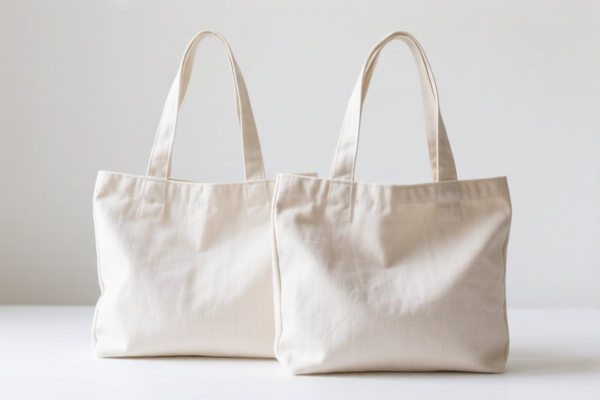
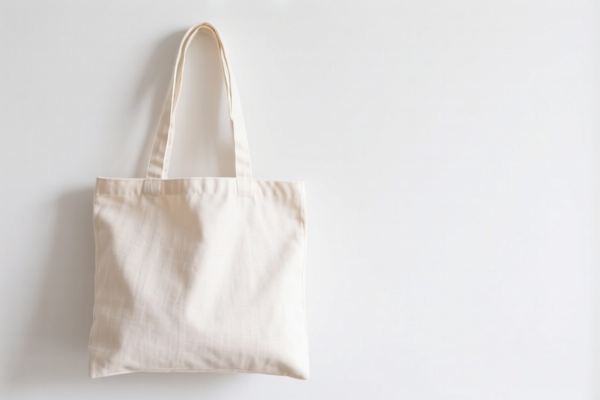
AI Analysis
🛍️ Cotton Handbags: HS Code Classification & 2026 Clearance Guide (Breathable Cotton Bags)
🌐 HS Code Reference & Customs Clearance Guide | 2026 Latest Tariff Analysis | Professional Level Clearance Strategy
📌 1. Product Definition & Classification: Do You Really Understand "Cotton Handbags"?
A cotton handbag, defined by its cotton fabric exterior and breathable nature, is a common textile-based accessory. In international trade, the classification of these bags depends heavily on whether they are considered "sacks/bags" (Textiles Chapter) or "handbags/luggage" (Leather/Accessories Chapter).
Key Distinction: * Chapter 63 (Textiles): If the item is classified as a "bag" made of textile materials (often used for storage, shopping, or general use), it may fall under 6305. * Chapter 42 (Leather/Accessories): If the item is classified as a "handbag" (a personal accessory for carrying small items, often with handles/straps designed for fashion/personal use), it usually falls under 4202.
⚠️ Critical Classification Point: - If the bag is primarily a "sack" or general textile bag → Classify under 6305. - If the bag is a "handbag" (personal accessory, structured, often with hardware) → Classify under 4202.
📦 2. HS Code Classification Details (2026 Latest Tariff Reference)
Based on the provided data, here are the specific HS Codes and their corresponding descriptions and tax implications for Cotton Handbags:
| HS Code | Product Description | Key Characteristics | Total Tax Rate |
|---|---|---|---|
| 6305.20.00.00 | Cotton sack/bag, shape: bag | Material: Cotton; Form: Bag | 23.7% |
| 4202.22.40.20 | Cotton handbag, exterior: textile material (cotton) | Material: Cotton; Exterior: Textile | 42.4% |
| 6305.90.00.00 | Other textile material bags (Cotton handbag) | Material: Cotton; Category: Other textile bags | 23.7% |
| 4202.22.89.30 | Cotton handbag, exterior: textile material | Material: Cotton; Exterior: Textile (Other) | 52.6% |
| 4202.32.91.00 | Cotton Wallet (for pocket/handbag) | Material: Cotton; Use: Pocket/Handbag accessory | 52.6% |
🔍 Key Insight: - Chapter 63 (6305): Lower tax rate (23.7%). Applies to bags classified as "sacks" or general textile containers. - Chapter 42 (4202): Higher tax rate (42.4% - 52.6%). Applies to items classified as "handbags," "wallets," or personal accessories. - Warning: Misclassifying a 4202 handbag as a 6305 bag can lead to underpayment of tariffs and potential penalties. Conversely, over-classifying a simple cotton sack as a 4202 handbag results in unnecessary high taxes.
💰 3. 2026 Latest Tariff Rate Details (Including Additional Taxes)
✅ Applicable Country: USA (US)
✅ Origin: China (CN)
✅ Effective Date: 2025-11-10 onwards
🎯 1. 6305.20.00.00 & 6305.90.00.00 — Cotton Bags (Textile Chapter)
| Item | Details |
|---|---|
| Base Tariff | 6.2% (Ad Valorem) |
| Additional Tariff (Section 301) | +7.5% |
| IEEPA Additional Tariff (122 Clause) | +10% |
| Total Tax Rate | 23.7% |
| Tax Calculation | CIF Value × 23.7% |
| De Minimis Exemption? | ❌ No (Section 301 & IEEPA tariffs apply) |
| Legal Path | Base: 6305 → Section 301: 7.5% → IEEPA: 10% |
📌 Explanation: - These codes are under Chapter 63 (Other made up textile articles). - The 23.7% rate is significantly lower than Chapter 42 handbags. - Suitable for unstructured cotton sacks, shopping bags, or storage bags.
🎯 2. 4202.22.40.20 — Cotton Handbag (Textile Surface, Cotton Made)
| Item | Details |
|---|---|
| Base Tariff | 7.4% (Ad Valorem) |
| Additional Tariff (Section 301) | +25.0% |
| IEEPA Additional Tariff (122 Clause) | +10% |
| Total Tax Rate | 42.4% |
| Tax Calculation | CIF Value × 42.4% |
| De Minimis Exemption? | ❌ No |
| Legal Path | Base: 4202 → Section 301: 25% → IEEPA: 10% |
📌 Explanation: - This code is under Chapter 42 (Articles of leather or similar materials; travel goods, handbags). - The 42.4% rate reflects the higher tariff on personal accessories. - Suitable for structured cotton handbags, shoulder bags, or fashionable tote bags.
🎯 3. 4202.22.89.30 — Cotton Handbag (Textile Surface, Other)
| Item | Details |
|---|---|
| Base Tariff | 17.6% (Ad Valorem) |
| Additional Tariff (Section 301) | +25.0% |
| IEEPA Additional Tariff (122 Clause) | +10% |
| Total Tax Rate | 52.6% |
| Tax Calculation | CIF Value × 52.6% |
| De Minimis Exemption? | ❌ No |
| Legal Path | Base: 4202 → Section 301: 25% → IEEPA: 10% |
📌 Explanation: - This code is for other textile surface handbags not specifically listed under 4202.22.40. - The 52.6% rate is the highest among the listed options. - Use only if the product does not fit the specific description of
4202.22.40.20.
🎯 4. 4202.32.91.00 — Cotton Wallet (Pocket/Handbag Accessory)
| Item | Details |
|---|---|
| Base Tariff | 17.6% (Ad Valorem) |
| Additional Tariff (Section 301) | +25.0% |
| IEEPA Additional Tariff (122 Clause) | +10% |
| Total Tax Rate | 52.6% |
| Tax Calculation | CIF Value × 52.6% |
| De Minimis Exemption? | ❌ No |
| Legal Path | Base: 4202 → Section 301: 25% → IEEPA: 10% |
📌 Explanation: - This code is for wallets or pouches designed to be carried in pockets or handbags. - Not for full-sized handbags. Misclassifying a handbag as a wallet will be flagged by customs.
🛠️ 4. Customs Clearance Practical Advice (Avoid Pitfalls)
✅ 1. Prepare Documentation (Mandatory)
| Document | Required | Description |
|---|---|---|
| ✅ Product Specification | ✔️ | Material: 100% Cotton; Dimensions; Liner material |
| ✅ Product Photos | ✔️ | Show handles, structure, lining, and any hardware |
| ✅ Commercial Invoice | ✔️ | Clearly state "Cotton Handbag" or "Cotton Bag" |
| ✅ Packing List | ✔️ | Weight, quantity, dimensions |
| ✅ Origin Certificate | ✔️ | If applicable for preferential treatment (rare for CN origin in US) |
✅ 2. Declaration Tips (Key Mnemonic)
🔥 "Structure Determines Code, Material Defines Chapter, Don't Mix Bags with Wallets!"
| Scenario | Correct Classification | Incorrect Approach |
|---|---|---|
| Unstructured Cotton Tote/Sack | 6305.20.00.00 (23.7%) |
Declaring as 4202 → Overpay 20%+ |
| Structured Cotton Handbag with Handles | 4202.22.40.20 (42.4%) |
Declaring as 6305 → Underpay & Penalties |
| Small Cotton Pouch/Wallet | 4202.32.91.00 (52.6%) |
Declaring as Handbag → Wrong Code |
| Other Textile Bags (Not Sack/Handbag) | 6305.90.00.00 (23.7%) |
Declaring as 4202 → Overpay |
✅ 3. Special Considerations
| Situation | Advice |
|---|---|
| OEM Custom Cotton Bags | Provide design sketches to prove "bag" vs "handbag" intent. |
| Cotton with Non-Cotton Linings | Still classified by exterior material (Cotton) for Chapter 42, but check lining for fiber content if required by specific country rules. |
| Breathability Feature | "Breathable" is a marketing term, not a classification factor. It does not change HS Code. |
| Combined Sets (Bag + Wallet) | Declare separately if possible. If packed together, the principal item determines classification, but customs may assess each item individually. |
🌍 5. Global Market Clearance Comparison (2026)
| Country/Region | Recommended HS Code | Tariff (CN Origin) | Certification | Notes |
|---|---|---|---|---|
| 🇺🇸 USA | 6305.20.00.00 or 4202.22.40.20 |
23.7% or 42.4% | No specific cert | High tariffs due to Section 301 + IEEPA |
| 🇨🇳 China | 6305.20.00.00 or 4202.22.40.20 |
10-15% (varies) | No specific cert | Lower tariffs, easier clearance |
| 🇪🇺 EU | 6305.10.00.00 or 4202.22.00.00 |
0-4.7% | No specific cert | Lower tariffs, no Section 301 |
| 🇬🇧 UK | 6305.10.00.00 or 4202.22.00.00 |
0-4.7% | No specific cert | Post-Brexit rules apply |
| 🇦🇺 Australia | 6305.10.00.00 or 4202.22.00.00 |
5% | No specific cert | Moderate tariffs |
📌 Conclusion: - USA has the highest tariffs for cotton bags/handbags from China. - Chapter 63 (6305) is significantly cheaper than Chapter 42 (4202). - Accurate classification is critical to avoid overpaying or underpaying duties.
📌 6. Common Mistakes & Pitfalls (Lessons Learned)
❌ Mistake 1: Calling a structured handbag a "sack" to get 23.7% tax. 👉 Consequence: Customs rejection, penalties, and retroactive payment of 42.4% + fines.
❌ Mistake 2: Calling a simple cotton sack a "handbag" to avoid scrutiny. 👉 Consequence: Overpaying 20%+ in tariffs unnecessarily.
❌ Mistake 3: Not specifying "Cotton" in the description. 👉 Consequence: Customs may classify under "Other Textiles" with higher or uncertain rates.
❌ Mistake 4: Including a wallet inside a handbag and declaring as one item. 👉 Consequence: Misclassification risk; declare separately if possible.
✅ Correct Practice:
"Cotton Handbag, 100% Cotton Exterior, Structured, with Handles, for Personal Use" (For 4202) "Cotton Bag, 100% Cotton, Unstructured, for Storage/Shopping" (For 6305)
🎯 7. Conclusion: Precise Classification for Cost Savings
🎯 Remember:
🔹 "Structure = 4202 (High Tax), Fabric Bag = 6305 (Low Tax)" 🔹 "23.7% vs 52.6%: A 29% difference can make or break your profit margin!" 🔹 "HS Code is destiny, declaration is key, avoid misclassification!"
📌 Tip: If your cotton bag is originating from Vietnam, Mexico, Thailand, or Malaysia, you may be eligible for IEEPA exemptions or lower tariffs. Consider applying for an Advance Ruling from US Customs and Border Protection (CBP) to confirm the correct HS Code before shipment.
📢 Immediate Action:
📞 Contact a professional customs broker + Provide product photos + Apply for HS Code Advance Ruling 🚀 Ensure your cotton handbags clear customs smoothly, efficiently, and profitably!
✨ Professional clearance starts with accurate classification! 💼 Every dollar of tariff cost should be precisely calculated!
Customer Reviews
About HS Code Classification
The Harmonized System (HS) is an internationally standardized nomenclature developed by the World Customs Organization (WCO) to classify traded products. Over 200 countries use the HS system as the basis for customs tariffs, trade statistics, and import/export regulations.
Each HS code follows a hierarchical structure:
- Chapter (2 digits) — Broad category of goods (e.g., Chapter 84: Machinery and Mechanical Appliances)
- Heading (4 digits) — More specific grouping within the chapter
- Subheading (6 digits) — Internationally standardized breakdown, used by all WCO member countries
- National subdivisions (8-10 digits) — Country-specific extensions for further classification, such as US HTSUS 10-digit codes
Correct HS code classification is essential for smooth customs clearance, accurate duty payment, and compliance with trade regulations. Misclassification can lead to customs delays, overpayment of duties, or penalties.
When importing from CN to US, the applicable tariff rates may include:
- Most-Favored-Nation (MFN) rate — The standard duty rate applied to WTO members
- General rate — Applied to countries without trade agreements
- Trade remedy duties — Additional tariffs such as Section 301 (anti-dumping), Section 232 (national security), or countervailing duties
The information provided on this page is for reference purposes only. For official classification, please consult with your local customs authority or a licensed customs broker.