cotton handbag modern style
CN → US| HS Code | Tariff Rate | Origin | Destination | Doc |
|---|---|---|---|---|
| 4202224020 | 42.4% | CN | US | Official Doc |
| 4202228930 | 52.6% | CN | US | Official Doc |
| 6307909891 | 24.5% | CN | US | Official Doc |
| 6307908940 | 17.0% | CN | US | Official Doc |
Product Images
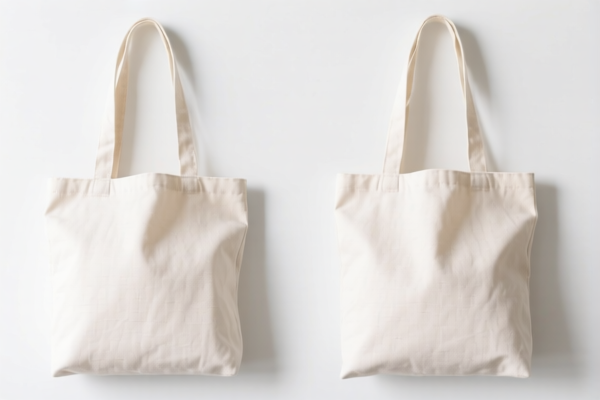
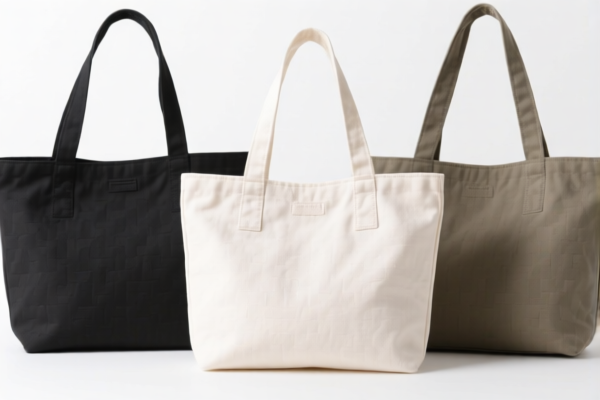
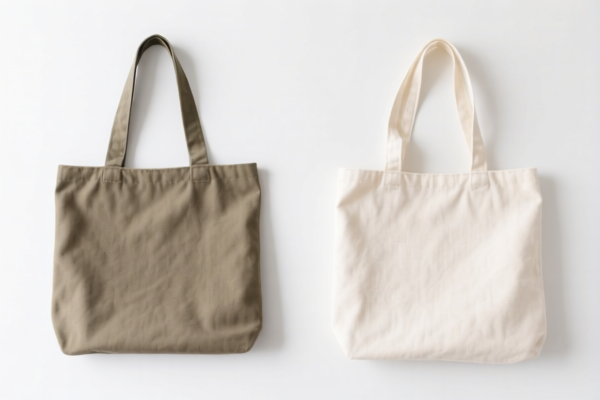
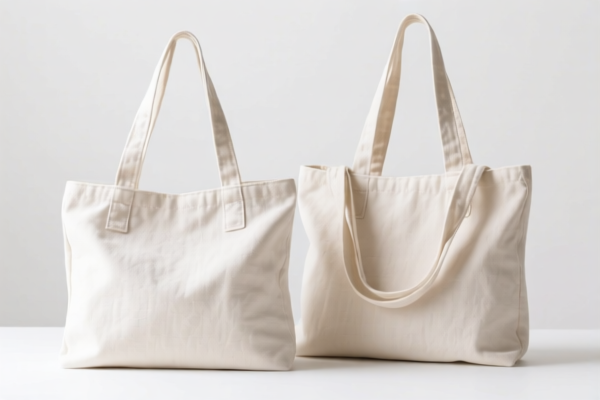
AI Analysis
👜 Cotton Handbags & Textile Bags (Modern Style)
🌐 HS Code Reference & Customs Clearance Guide | 2026 Latest Tariff Analysis | Professional Level Strategy
📌 I. Product Definition & Classification: Do You Really Understand "Cotton Handbags"?
Cotton handbags, often characterized by their modern, minimalist, or casual aesthetics, are categorized under textile-made accessories in international trade. In customs classification, they are strictly divided based on material composition and structural details (such as the presence of braids or specific lining).
Cotton Handbags (Primary Category): Handbags with an outer surface of textile materials (specifically cotton), often featuring simple straps, handles, or shoulder straps. Other Textile Handbags: If the bag contains other materials (like leather parts, metal hardware constituting the main value, or non-cotton textiles), the classification may shift. However, for "Modern Style Cotton Handbags," we focus on the textile-heavy composition.
⚠️ Key Distinction Point:
- If the outer surface is 100% Cotton (or cotton-dominant) and falls under "Other" (not braided specifically for premium categorization) → 4202.22.89.30
- If the outer surface is Cotton but involves Braiding as a primary decorative/structural element → 4202.22.40.20
- If the bag is not a handbag but a general textile article (e.g., tote bag, travel bag, cosmetic bag) → 6307.90.89.40 (Towels/Shells) or 6307.90.98.91 (Other Made-up Articles). Note: Strict handbags go to Chapter 42. General textile bags might fall under 6307 if not strictly defined as handbags/trunks etc., but typically "Handbags" = Chapter 42.
📦 II. HS Code Classification Details (2026 Latest Tariff Authority Comparison)
| HS Code | Product Description | Application Scenario | Key Feature |
|---|---|---|---|
4202.22.40.20 |
Handbags of textile materials: Wholly or in part of braid: Other: Of cotton | Braided cotton handbags, woven strap designs, premium textured cotton bags | ✅ Braided/Textured Cotton |
4202.22.89.30 |
Handbags of textile materials: Other: Other: Of cotton | Standard cotton canvas totes, modern minimalist cotton clutches, everyday cotton shoulder bags | ✅ Standard Cotton Textile |
6307.90.89.40 |
Made-up articles: Cotton towels of pile or tufted construction; Pillow shells...; Cotton towels... | Cotton towels, bath towels, tufted cotton mats. Not typically for handbags unless misdeclared. | ✅ Towels/Textiles (Non-Bag) |
6307.90.98.91 |
Other made-up articles, including dress patterns: Other | Generic textile bags not fitting Chapter 42 definitions (e.g., soft-sided luggage parts, non-handbag textile containers). Use only if not a "Handbag". | ✅ General Textile Article |
🔍 Critical Reminder:
- "Handbag" vs. "Tote/Travel Bag": If it’s a structured handbag with handles/straps, it generally goes to Chapter 42 (4202). If it’s a soft, unstructured bag or a travel bag, it might fall to Chapter 63. However, for "Modern Style Cotton Handbags," 4202 is the primary chapter. - Braided vs. Woven: If the cotton is braided (plaited), it goes to4202.22.40. If it’s woven fabric (canvas, twill), it goes to4202.22.89. - Towels vs. Bags: Do not classify handbags as "Cotton Towels" (6307.90.89.40) unless they are literally towels. Misclassification leads to severe penalties.
💰 III. 2026 Latest Tariff Rate Details (Including Additional Duties)
✅ Applicable Country: United States (US)
✅ Origin: China (CN)
✅ Effective Time: 2025-11-10 onwards (for subsequent imports)
🎯 1. 4202.22.40.20 —— Handbags, Braided, Of Cotton
| Item | Content |
|---|---|
| Base Tariff | 0.0% |
| Additional Tariff (Section 301 / IEEPA) | 0.0% |
| Total Tariff | 0.0% |
| Tax Calculation | CIF Value × 0% = $0 |
| De Minimis Eligibility | ❌ No (Standard for Chapter 42 items from China) |
| Legal Basis Path | USITC:4202.22.40.20 |
📌 Explanation:
- Base Rate: 0% for braided cotton handbags. - Additional Tariffs: According to the provided data, no additional tariffs (7.5% or 25%) apply to this specific subheading. - Cost Advantage: This is a tariff-free entry point for braided cotton handbags from China.
🎯 2. 4202.22.89.30 —— Handbags, Other, Of Cotton
| Item | Content |
|---|---|
| Base Tariff | 0.0% |
| Additional Tariff (Section 301 / IEEPA) | 0.0% |
| Total Tariff | 0.0% |
| Tax Calculation | CIF Value × 0% = $0 |
| De Minimis Eligibility | ❌ No |
| Legal Basis Path | USITC:4202.22.89.30 |
📌 Explanation:
- Base Rate: 0% for standard cotton handbags. - Additional Tariffs: No additional tariffs apply according to the provided data. - Cost Advantage: This is also a tariff-free entry point for standard cotton handbags from China.
⚠️ Comparison with Non-Handbag Textile Articles (Chapter 63)
| HS Code | Product | Total Tax | Note |
|---|---|---|---|
6307.90.89.40 |
Cotton Towels / Shells | 0.0% | Not for handbags. Use only for towels/shells. |
6307.90.98.91 |
Other Made-up Articles | 14.5% | 7.0% Base + 7.5% Additional. High risk if misclassified. |
📌 Warning:
- If you misclassify a Handbag as "Other Made-up Articles" (6307.90.98.91) to avoid scrutiny, you may face 14.5% tax. - However, Handbags (4202) have 0% total tax. Correct classification saves money!
🛠️ IV. Customs Clearance Practical Advice (Real-World Pitfall Guide)
✅ 1. Required Documentation Checklist
| Document | Must Provide | Explanation |
|---|---|---|
| ✅ Product Photos | ✔️ | Clear images of the handbag, showing material texture (cotton weave/braid), handles, and branding. |
| ✅ Material Composition Certificate | ✔️ | Must state 100% Cotton or Cotton dominant. If mixed, specify percentage. |
| ✅ Design Sketch/Technical Data | ✔️ | Show structure: Is it a handbag (Chapter 42) or a general bag (Chapter 63)? |
| ✅ Commercial Invoice | ✔️ | Clearly state "Cotton Handbag, Modern Style". Avoid vague terms like "Textile Bag". |
| ✅ Packing List | ✔️ | Detail quantity, weight, and dimensions. |
✅ 2. Declaration Tips (Key Mantra)
🔥 "Material Clear, Chapter 42, Braided vs Woven, Tax is Zero!"
| Scenario | Correct Declaration | Wrong Declaration |
|---|---|---|
| Standard Cotton Canvas Bag | 4202.22.89.30 (Handbag, Cotton, Other) |
6307.90.98.91 (Other Textile) → 14.5% Tax! |
| Braided Cotton Bag | 4202.22.40.20 (Handbag, Cotton, Braided) |
4202.22.89.30 → Acceptable but less precise |
| Cotton Tote (Unstructured) | Check if it’s a "Handbag" or "Travel Bag". If handbag → 4202.22.89.30. If not → 6307.90.98.91 (14.5%) |
Mislabeling as "Handbag" when it’s a soft tote may still be 4202 if it has handles. |
| Cotton Towel | 6307.90.89.40 (0%) |
Mislabeling as "Handbag" → Wrong Chapter |
✅ 3. Special Circumstances Handling
| Situation | Handling Advice |
|---|---|
| Mixed Materials | If the bag has leather straps or metal hardware, ensure the outer surface is primarily cotton. If leather >50%, it may go to Chapter 42 but different subheading. If textile >50%, stick to 4202.22. |
| Braided vs. Woven | "Braided" means plaited strips of material. "Woven" means interlaced threads. Misclassification here can lead to audits. Provide close-up photos. |
| Samples vs. Bulk | For samples, declare clearly as "Non-commercial samples". Tariff rates remain the same, but duties may be waived if under $800 (de minimis) if eligible. Note: Chapter 42 items from China are NOT eligible for de minimis tax exemption under current IEEPA rules. |
| Origin Marking | Ensure "Made in China" is clearly marked on the bag or packaging. |
🌍 V. Global Market Comparison (2026 Latest)
| Country/Region | Recommended HS Code | Tariff Rate | Certification Requirements | Notes |
|---|---|---|---|---|
| 🇺🇸 USA | 4202.22.89.30 |
0.0% | None specific for cotton | Tariff-free! Critical to classify as Handbag, not "Other". |
| 🇨🇳 China | 4202.22.89.30 |
0% - 5% | CCC (if applicable) | Export from China. |
| 🇪🇺 EU | 4202.22.89 |
0% - 4% | CE (if functional), REACH (chemicals) | Low tariffs for textile bags. |
| 🇬🇧 UK | 4202.22.89 |
0% - 4% | UKCA | Post-Brexit rules apply. |
| 🇯🇵 Japan | 4202.22.89 |
0% - 6% | FSC (if cosmetic) | Low tariffs. |
📌 Conclusion:
- USA is the most tariff-friendly for correctly classified cotton handbags (0%). - Misclassification as "Other Textile Articles" (6307.90.98.91) results in 14.5% tax. - Always prove the item is a "Handbag" (structured, with handles/straps) to stay in Chapter 42.
📌 VI. Common Mistakes & Pitfall Guide (Lessons Learned)
❌ Mistake 1: Classifying a Cotton Handbag as "Other Made-up Articles" (6307.90.98.91)
👉 Consequence: 14.5% Tax instead of 0%.
✅ Fix: Use 4202.22.89.30 or 4202.22.40.20.
❌ Mistake 2: Claiming De Minimis (Section 321) for cotton handbags from China
👉 Consequence: Package seizure or audit. Chapter 42 items from China are excluded from de minimis tax exemption.
✅ Fix: Pay duties upfront.
❌ Mistake 3: Confusing Braided vs. Woven
👉 Consequence: Audit delay.
✅ Fix: Provide material photos. If it’s plaited strips, use 4202.22.40.20. If woven fabric, use 4202.22.89.30.
❌ Mistake 4: Using vague terms like "Textile Bag"
👉 Consequence: Customs may reclassify to Chapter 63 (14.5%) or Chapter 42 (0%).
✅ Fix: Use "Cotton Handbag" or "Cotton Tote Bag" with clear structure description.
🎯 VII. Conclusion: Professional Declaration, Cost Savings!
🎯 Remember the Mantra:
🔹 "Handbag = Chapter 42, Tax is Zero!"
🔹 "Don't misclassify as 'Other Textile' or pay 14.5%!"
🔹 "Braided? Use 40.20. Woven? Use 89.30. Both are 0%!"
📌 Pro Tip:
- If your cotton handbag includes luxury features (e.g., genuine leather trim >50%), recalculate classification.
- Always label as "Cotton Handbag" in the commercial invoice.
- Pre-classification Ruling: For large shipments, consider applying for a US Customs Ruling to confirm 4202.22.89.30 eligibility.
📣 Immediate Action:
📞 Contact your customs broker + Provide material composition + Declare as "Cotton Handbag"
🚀 Clear customs smoothly, save 14.5% tax, boost profit margins!
✨ Professional Customs Clearance Starts with Accurate Classification!
💼 Every Dollar Saved Counts!
Customer Reviews
About HS Code Classification
The Harmonized System (HS) is an internationally standardized nomenclature developed by the World Customs Organization (WCO) to classify traded products. Over 200 countries use the HS system as the basis for customs tariffs, trade statistics, and import/export regulations.
Each HS code follows a hierarchical structure:
- Chapter (2 digits) — Broad category of goods (e.g., Chapter 84: Machinery and Mechanical Appliances)
- Heading (4 digits) — More specific grouping within the chapter
- Subheading (6 digits) — Internationally standardized breakdown, used by all WCO member countries
- National subdivisions (8-10 digits) — Country-specific extensions for further classification, such as US HTSUS 10-digit codes
Correct HS code classification is essential for smooth customs clearance, accurate duty payment, and compliance with trade regulations. Misclassification can lead to customs delays, overpayment of duties, or penalties.
When importing from CN to US, the applicable tariff rates may include:
- Most-Favored-Nation (MFN) rate — The standard duty rate applied to WTO members
- General rate — Applied to countries without trade agreements
- Trade remedy duties — Additional tariffs such as Section 301 (anti-dumping), Section 232 (national security), or countervailing duties
The information provided on this page is for reference purposes only. For official classification, please consult with your local customs authority or a licensed customs broker.