cotton handbags breathable
CN → US| HS Code | Tariff Rate | Origin | Destination | Doc |
|---|---|---|---|---|
| 6305200000 | 23.7% | CN | US | Official Doc |
| 4202224020 | 42.4% | CN | US | Official Doc |
| 6305900000 | 23.7% | CN | US | Official Doc |
| 4202228930 | 52.6% | CN | US | Official Doc |
| 4202329100 | 52.6% | CN | US | Official Doc |
Product Images
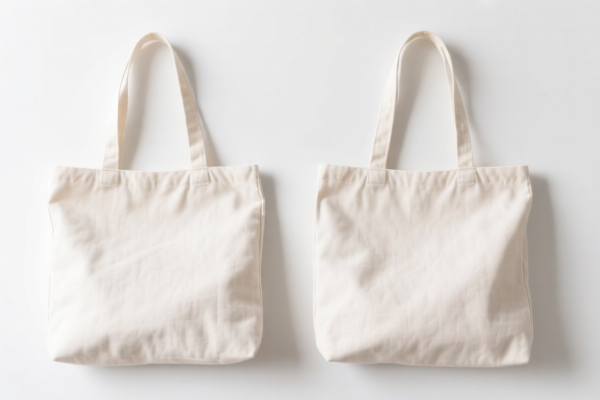
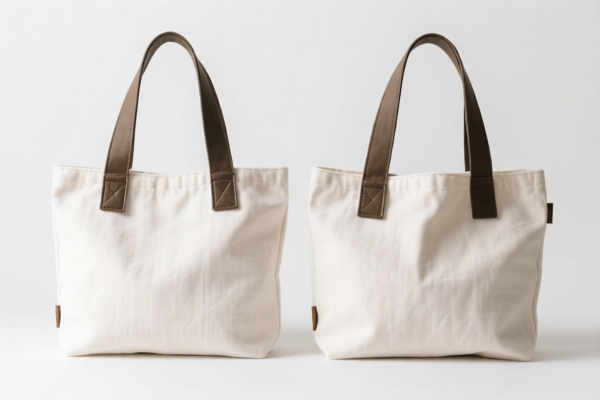
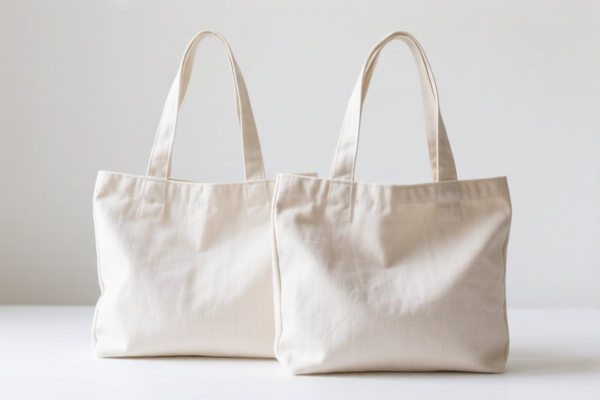
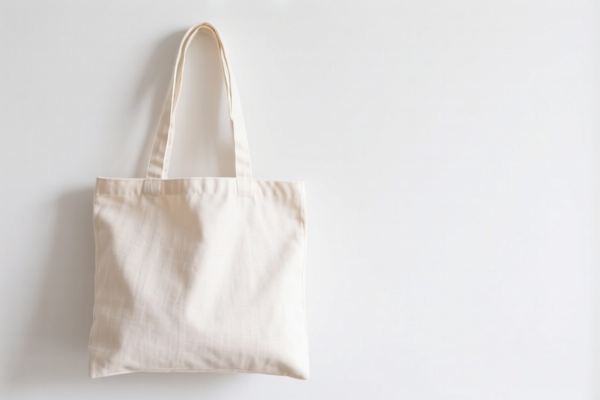
AI Analysis
👜 Cotton Handbags (Breathable & Woven)
🌐 HS Code Reference & Customs Clearance Guide | 2026 Latest Tariff Analysis | Professional-Level Strategy
📌 I. Product Definition & Classification: Do You Really Understand "Cotton Handbags"?
Cotton handbags, particularly those marketed as "breathable," are versatile fashion accessories and functional storage items. In international trade, they are not a single unified category but are split based on structure, material composition, and function.
1. General Purpose Bags (Bags for carrying personal items, not specifically shaped for cameras/cases)
- Material: Primarily cotton textile.
- Characteristics: "Breathable" usually refers to the woven nature of the cotton fabric (e.g., tote bags, mesh-style bags).
- Key Distinction: If the bag’s outer surface is textile (cotton), it generally falls under Chapter 63 or Chapter 42, depending on specific construction.
2. Specific-Use Pouches/Clutches
- Material: Cotton exterior, possibly with lining.
- Characteristics: Small, flat, often used as wallets or cosmetic cases.
- Key Distinction: Classified as "articles of apparel accessories" or "purses," falling under Chapter 42.
⚠️ Critical Distinction Point:
- If it is a general tote/handbag with a cotton outer surface → HS 6305 or HS 4202.22 (depending on structural classification).
- If it is a small pouch/wallet carried in hand or pocket → HS 4202.32.
- Misclassification Risk: Many traders mistakenly put all cotton bags under one code, leading to significant tariff discrepancies due to "Section 301" and "122 Section" additional tariffs.
📦 II. HS Code Classification Details (2026 Latest Tariff Authority Comparison)
Based on the provided data, here are the exact HS codes, summaries, and tax structures for Cotton Handbags:
| HS Code | Product Summary (From Data) | Application Scenario | Total Tax Rate |
|---|---|---|---|
6305.20.00.00 |
Cotton fabric handbag, shape is a bag, material is cotton | General cotton tote, breathable woven bags, non-specific shape | 23.7% |
4202.22.40.20 |
Cotton fabric handbag, outer surface is textile material, made of cotton | Structured handbags, fashion handbags with cotton exterior | 42.4% |
6305.90.00.00 |
Cotton fabric handbag, classified as other bags made of textile materials | Less common cotton bags, non-tote shapes, specialized textile bags | 23.7% |
4202.22.89.30 |
Cotton fabric handbag, outer surface is textile material | High-end fashion handbags, complex structures, cotton exterior | 52.6% |
4202.32.91.00 |
Cotton wallet, cotton material, for carrying in pockets or handbags | Small cotton pouches, clutches, cosmetic cases, wallets | 52.6% |
🔍 Key Insight:
- HS 6305 codes carry a lower total tax (23.7%). These are typically classified as "sacks and bags" for goods transport or general use.
- HS 4202 codes carry higher taxes (42.4% - 52.6%). These are classified as "articles of apparel accessories" or "handbags," which are subject to higher base tariffs and additional duties.
- "Breathable" is a marketing term, not a customs term. Customs judges by material (Cotton) and form (Bag vs. Pouch).
💰 III. 2026 Latest Tariff Rate Breakdown (Including Additional Taxes)
✅ Applicable Country: United States (US)
✅ Origin: China (CN)
✅ Effective Time: Current trade policy (Section 301 & 122)
🎯 1. 6305.20.00.00 & 6305.90.00.00 —— General Cotton Bags (Lower Tax Bracket)
| Item | Detail |
|---|---|
| Base Tariff | 6.2% |
| Section 301 Additional Tariff | 7.5% |
| Section 122 Tariff | 10% |
| Total Tax Rate | 23.7% |
| Calculation | CIF Value × 23.7% |
| De Minimis Eligibility | ❌ No (Large shipments subject to full duties) |
| Legal Basis Path | USITC:6305.20.00.00 → Section 301: Footnote 9903.88.01 → Section 122 |
📌 Explanation:
- This category is favored by importers due to the 23.7% total rate.
- It applies to bags that are not strictly defined as "handbags for personal use" in the legal sense but rather as general textile bags.
- Tip: Ensure the bag does not have rigid structures or specialized compartments that would push it into Chapter 42.
🎯 2. 4202.22.40.20 —— Structured Cotton Handbags (Medium-High Tax)
| Item | Detail |
|---|---|
| Base Tariff | 7.4% |
| Section 301 Additional Tariff | 25.0% |
| Section 122 Tariff | 10% |
| Total Tax Rate | 42.4% |
| Calculation | CIF Value × 42.4% |
| De Minimis Eligibility | ❌ No |
| Legal Basis Path | USITC:4202.22.40.20 → Section 301 → Section 122 |
📌 Explanation:
- The 25% Section 301 tariff is the primary driver of cost here.
- This code applies when the bag is clearly identified as a "handbag" with an outer surface of textile materials (cotton).
- Risk: High. Any structural feature (handles, zippers, lining) reinforces this classification.
🎯 3. 4202.22.89.30 & 4202.32.91.00 —— High-End Handbags & Wallets (Highest Tax)
| Item | Detail |
|---|---|
| Base Tariff | 17.6% |
| Section 301 Additional Tariff | 25.0% |
| Section 122 Tariff | 10% |
| Total Tax Rate | 52.6% |
| Calculation | CIF Value × 52.6% |
| De Minimis Eligibility | ❌ No |
| Legal Basis Path | USITC:4202.22.89.30 / 4202.32.91.00 → Section 301 → Section 122 |
📌 Explanation:
-4202.22.89.30: For other textile-based handbags not specifically listed elsewhere.
-4202.32.91.00: For cotton wallets/pouches.
- These have the highest base tariff (17.6%) combined with the 25% additional duty.
- Cost Impact: For a $100 shipment, you pay $52.60 in duties alone.
🛠️ IV. Customs Clearance Practical Advice (Actionable Pitfall Avoidance)
✅ 1. Documentation Checklist (Non-Negotiable)
| Document | Required | Notes |
|---|---|---|
| ✅ Product Description | ✔️ | Must specify: "Cotton Handbag," "Textile Material," "Breathable Weave." |
| ✅ Material Composition | ✔️ | Explicitly state "100% Cotton" or "Cotton Blend." |
| ✅ Photos | ✔️ | Show the bag’s structure, handles, and interior. |
| ✅ Commercial Invoice | ✔️ | Clearly state HS Code and Country of Origin (China). |
| ✅ Packing List | ✔️ | Weight and dimensions per unit. |
| ✅ Origin Certificate | ✔️ | If claiming any preferential treatment (rare for US/China). |
✅ 2. Classification Strategy (Key Mnemonic)
🔥 "Shape Matters: Tote is 6305, Structured is 4202, Wallet is 4202.32!"
| Scenario | Recommended HS Code | Tax Rate | Why? |
|---|---|---|---|
| Loose Tote Bag (No rigid structure, general use) | 6305.20.00.00 |
23.7% | Classified as general textile bag. Lowest risk, lowest tax. |
| Fashion Handbag (Structured, branded, specific shape) | 4202.22.40.20 |
42.4% | Clearly a "handbag" under Chapter 42. Higher tax. |
| Small Cotton Pouch/Wallet | 4202.32.91.00 |
52.6% | Classified as accessory/wallet. Highest tax. |
| Other Textile Bags | 6305.90.00.00 |
23.7% | Use if not fitting 6305.20 but still general use. |
📌 Critical Warning:
- Do NOT misdeclare a structured handbag as6305.20.00.00to save taxes. Customs will examine the product, find it is a "handbag" under Chapter 42, and issue a penalty + back-tariff (diff of 28.9%).
- "Breathable" is not a customs term. Do not use it in the HS Code description. Use it in the marketing description only.
✅ 3. Special Case Handling
| Situation | Advice |
|---|---|
| Cotton with Leather Trim | If leather is the primary material, it may move to Chapter 42 but with different sub-codes. Check material dominance. |
| Mixed Material (Cotton/Polyester) | If cotton is not the main material, it may not qualify for "Cotton" specific codes. Check HTSUS notes. |
| OEM/White Label | Provide brand authorization if applicable, but HS Code remains the same. |
| Dropshipping | Ensure the supplier declares correctly. Small packages still face scrutiny if value is high. |
🌍 V. Global Market Comparison (2026 Update)
| Country/Region | Recommended HS Code (General) | Tariff (China Origin) | Notes |
|---|---|---|---|
| 🇺🇸 USA | 6305.20.00.00 (for bags) |
23.7% | Includes Section 301 & 122. High compliance needed. |
| 🇨🇳 China | 6305.20.00.00 |
Varies | Import duties may differ. Check local tariff book. |
| 🇪🇺 EU | 4202.32 or 6305 |
6% - 12% | No Section 301/122. Lower overall cost. |
| 🇬🇧 UK | 4202.32 |
6% | Post-Brexit rules apply. |
| 🇨🇦 Canada | 4202.32 |
0% - 6% | CUSMA benefits may apply if not Chinese origin. |
📌 Conclusion:
- USA is the most expensive market for cotton handbags due to Section 301 and 122 tariffs.
- EU/UK offer lower tariffs but have stricter CE/RoHS and sustainability regulations.
- Strategy: For US market, optimize for6305.20.00.00if the bag design allows (general use, non-structured).
📌 VI. Common Mistakes & Pitfalls (Blood & Tears Lessons)
❌ Mistake 1: Calling a structured handbag a "tote bag" to get 23.7% tax.
👉 Consequence: Customs audit → Penalty + Back-tariff (42.4% - 23.7% = 18.7% gap) + Legal fees.
❌ Mistake 2: Ignoring "Section 122" tariff.
👉 Consequence: Many importers only account for Section 301 (25%) and forget the additional 10%, leading to budget shortfalls.
❌ Mistake 3: Misdeclaring cotton as "textile" without specifying material.
👉 Consequence: Customs may assign a default higher tariff code or delay shipment for clarification.
❌ Mistake 4: Not disclosing "Made in China."
👉 Consequence: If origin is found to be China, all additional tariffs apply retroactively.
✅ Correct Approach:
"Cotton Tote Bag, General Use, 100% Cotton Fabric, No Rigid Structure, Model XYZ" → HS 6305.20.00.00
🎯 VII. Conclusion: Precision Saves Money!
🎯 Remember the Golden Rule:
🔹 "General Bag = 6305 (23.7%), Fashion Handbag = 4202 (42.4%-52.6%)!"
🔹 "Section 301 + 122 = High Cost, Choose Code Wisely!"
📌 Pro Tip:
If your bag is structured, branded, or clearly for personal use, accept the 42.4%-52.6% tax. Trying to force it into 6305 is a compliance risk.
If your bag is a simple, loose tote, ensure documentation supports 6305.20.00.00 to save ~20% in duties.
📣 Immediate Action:
📞 Consult a licensed customs broker for Advance Ruling if unsure.
📦 Review product design: Structure determines Code, Code determines Tax!
🚀 Accurate classification = Smooth clearance = Higher profit margins!
✨ Professional Clearance Starts with the Right HS Code!
💼 Your Profit Margin Depends on Precision!
Customer Reviews
About HS Code Classification
The Harmonized System (HS) is an internationally standardized nomenclature developed by the World Customs Organization (WCO) to classify traded products. Over 200 countries use the HS system as the basis for customs tariffs, trade statistics, and import/export regulations.
Each HS code follows a hierarchical structure:
- Chapter (2 digits) — Broad category of goods (e.g., Chapter 84: Machinery and Mechanical Appliances)
- Heading (4 digits) — More specific grouping within the chapter
- Subheading (6 digits) — Internationally standardized breakdown, used by all WCO member countries
- National subdivisions (8-10 digits) — Country-specific extensions for further classification, such as US HTSUS 10-digit codes
Correct HS code classification is essential for smooth customs clearance, accurate duty payment, and compliance with trade regulations. Misclassification can lead to customs delays, overpayment of duties, or penalties.
When importing from CN to US, the applicable tariff rates may include:
- Most-Favored-Nation (MFN) rate — The standard duty rate applied to WTO members
- General rate — Applied to countries without trade agreements
- Trade remedy duties — Additional tariffs such as Section 301 (anti-dumping), Section 232 (national security), or countervailing duties
The information provided on this page is for reference purposes only. For official classification, please consult with your local customs authority or a licensed customs broker.